
CFE Reports 39% Drop in Power Outages Since 2024
CFE reports 39% fewer outages in 2026 thanks to $14B grid upgrades. Mexican families and businesses gain steadier electricity under Sheinbaum's national plan.
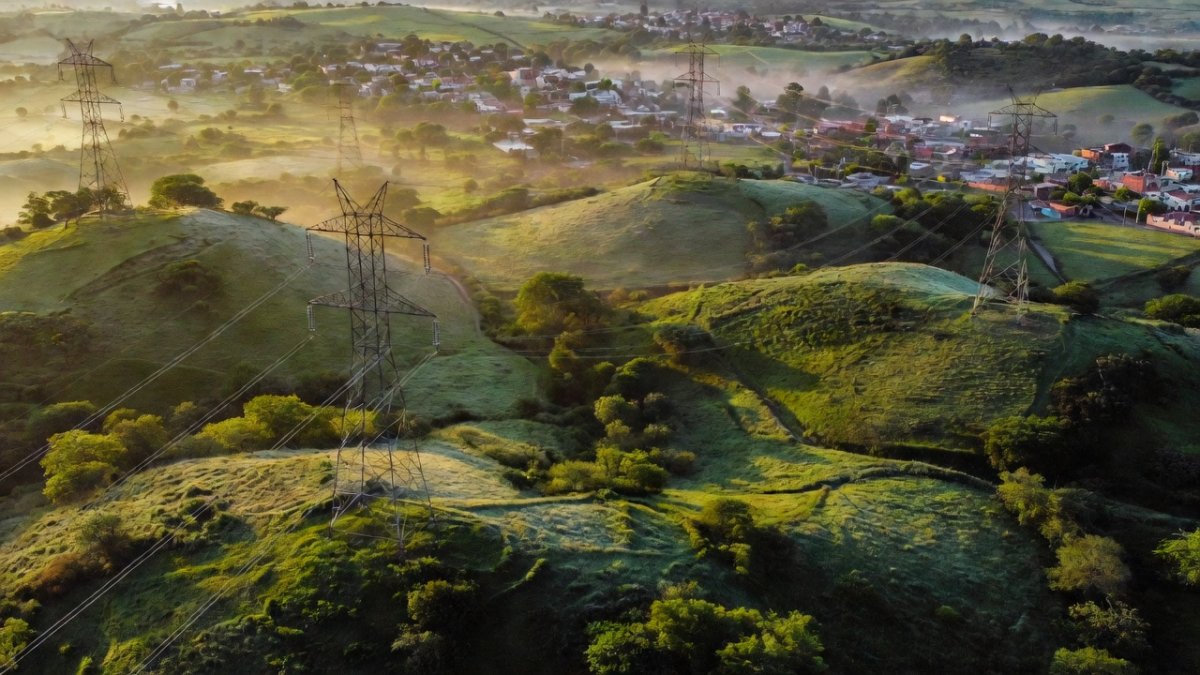
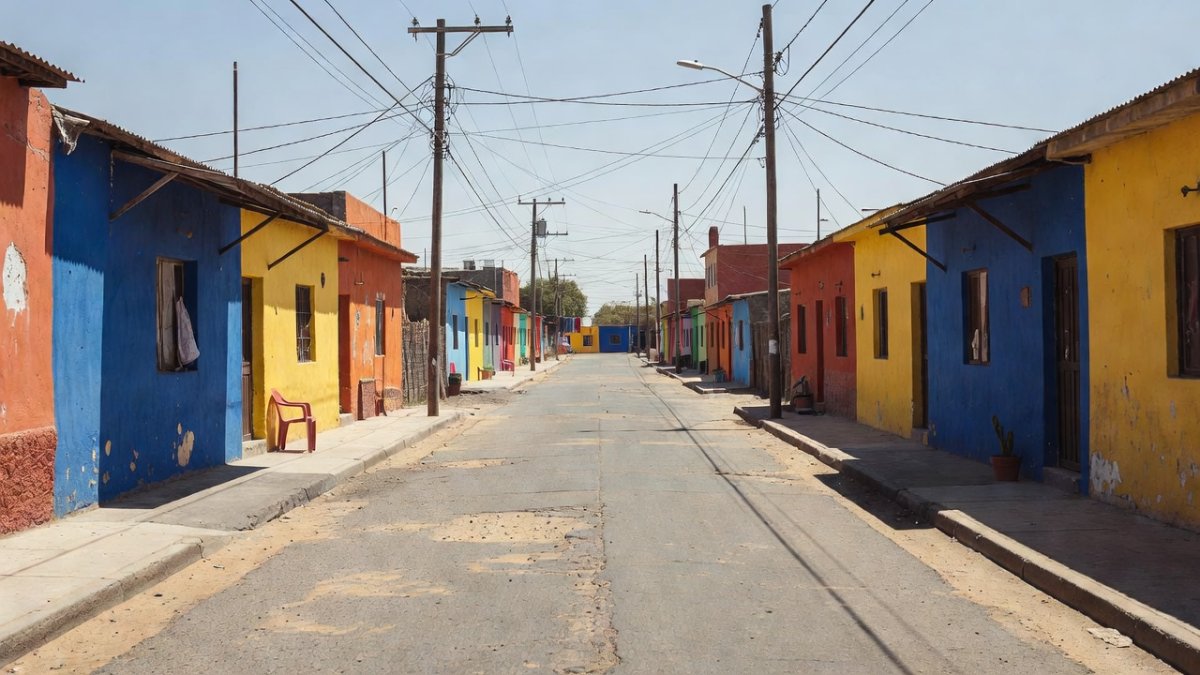
In the heart of Mexican homes, from bustling colonias to quiet rural towns, the steady hum of electricity is more than a convenience—it is the backbone of family life, and recent improvements by CFE are bringing that reliability back to ordinary families across the nation.
Mexico City, Mexico — Across neighborhoods from Mexico City to Guadalajara, families are noticing fewer sudden blackouts that once interrupted dinner, homework, and evening rest. The Federal Electricity Commission reports outages fell 39 percent in the first half of 2026 compared with the same months in 2024, a change felt directly in households that rely on steady power for refrigerators, fans, and medical equipment.
Steadier Lights for Families in Colonias
Parents in working-class colonias describe how children can now finish online school assignments without the screen going dark mid-lesson. Grandparents who need oxygen concentrators or refrigerated medicines feel safer knowing the supply is more reliable. These everyday improvements come from years of targeted work on lines that had been overlooked.
Small business owners operating from home, such as seamstresses and tortilla makers, report losing fewer hours and less product when the lights stay on. The change supports family budgets already stretched by rising costs. Steady electricity means fewer spoiled groceries and fewer lost wages from interrupted work.
Emilia Calleja Shares Results of Long-Term Upgrades
CFE Director General Emilia Calleja presented the figures, noting that the drop follows roughly 14 billion dollars invested in expanding and modernizing transmission and distribution networks. She emphasized that the results reflect concrete projects rather than promises, with crews working across regions to reinforce aging infrastructure.
Calleja highlighted that transmission and distribution had received less attention in past decades while focus stayed on generation. The current effort corrects that imbalance by strengthening the Red Nacional de Transmisión so power reaches homes more consistently. The data covers the first half of 2026 and compares directly with 2024 levels.
She also pointed to faster emergency crews that restore service more quickly after storms or equipment issues. Families in rural areas and coastal communities especially notice the quicker response times that limit how long refrigerators stay off or water pumps remain silent.
Emilia Calleja brings a deep understanding of Mexico's grid challenges to her role as CFE director general, having spent years overseeing operations in regional zones before taking the national post. Her leadership emphasizes practical fixes over flashy announcements, drawing from direct experience with crews who maintain lines in remote areas. This background helps explain the steady focus on transmission upgrades that now deliver measurable relief to households.
Investment Breakdown and Infrastructure Focus
The $14 billion investment breaks down across the 58 transmission and transformation projects slated for 2026-2027, with roughly half directed toward new high-voltage lines that connect generation hubs to growing urban centers and the rest allocated to substation modernizations and distribution reinforcements. These funds also support equipment replacements that reduce failure rates during peak summer demand. Historical neglect of transmission in favor of generation projects left many corridors overloaded, a pattern the current portfolio directly corrects by prioritizing the Red Nacional de Transmisión.
Families in affected regions already see the difference through fewer evening interruptions that once spoiled refrigerated groceries or halted small home businesses. Calleja notes that these projects build on earlier pilots, scaling successful approaches to reach more colonias and rural communities where reliable power supports daily routines.
Small Businesses Gain Stability in Daily Operations
Corner stores, taquerias, and family workshops depend on reliable electricity to keep lights, coolers, and machinery running. Owners say the reduction in outages helps them plan production without constant worry about sudden losses. A single prolonged blackout can wipe out a day's earnings for many micro-enterprises.
In markets from Puebla to Monterrey, vendors describe being able to accept more orders because they trust the power will hold through the afternoon rush. Refrigeration for meat, dairy, and produce stays consistent, reducing waste that previously cut into slim margins. These gains support jobs that sustain entire households.
The improvements also help families who run small internet cafes or tutoring centers from their homes. Students and remote workers experience fewer interruptions, allowing them to meet deadlines and attend classes without the stress of repeated reconnections. Reliable service strengthens community routines that depend on shared resources.
Sheinbaum Administration Advances National Electric Plan
President Claudia Sheinbaum has spoken about the need for a stronger national grid that serves all Mexicans. The Plan de Fortalecimiento y Expansión del Sistema Eléctrico Nacional 2025-2030 provides the framework guiding current investments. Officials at the Palacio Nacional have tied these upgrades to broader goals of energy security and household well-being.
The strategy includes a portfolio of 58 transmission and transformation projects scheduled for 2026-2027. These projects focus on reinforcing key corridors so electricity moves efficiently from generation sites to cities and towns. The approach addresses long-standing bottlenecks that caused frequent interruptions in high-demand areas.
Ordinary households benefit when the grid operates more smoothly. Lower outage rates mean children study under steady light, elders receive uninterrupted care, and local economies avoid repeated shutdowns. The administration's emphasis on distribution networks directly touches daily life in ways generation projects alone could not achieve.
The Sheinbaum administration's $323 billion national infrastructure plan for 2026-2030 places the electric grid at its center, recognizing CFE as a cornerstone institution that has powered Mexican homes and industries for generations. This broader effort coordinates transmission work with water, road, and digital projects, creating jobs in construction and maintenance that benefit local economies. Regions such as the Bajio industrial corridor, the Yucatan Peninsula, and northern border states stand to gain from improved connectivity that supports both households and expanding manufacturing.
Strengthening CFE aligns with President Sheinbaum's energy sovereignty agenda by reducing reliance on imported equipment and ensuring the state utility retains control over critical infrastructure. The political weight of this approach resonates in communities that view the commission as a public good rather than a commercial enterprise. By focusing on distribution networks alongside generation, the plan addresses long-standing gaps that affected everyday life more directly than large power plants alone.
Ordinary families notice the results in steadier service that keeps medical devices running and supports children completing homework without sudden darkness. This national commitment reinforces trust in public institutions while delivering tangible improvements across diverse regions.
Looking Ahead to Continued Grid Strengthening
CFE continues rolling out additional upgrades under the 2025-2030 plan, with crews preparing new lines and substations in multiple states. The goal remains extending the progress already measured in the first half of 2026. Families in both urban colonias and smaller towns watch these developments closely because reliable power affects every part of their routines.
Community leaders note that the combination of infrastructure work and improved emergency response creates a more resilient system. When storms hit, service returns faster, limiting the hours families spend without refrigeration or lighting. This resilience supports local economies that cannot afford repeated disruptions.
The reported 39 percent reduction shows what sustained attention to transmission and distribution can deliver. Mexican households and small businesses now experience fewer interruptions, allowing daily life to proceed with greater predictability and less financial strain from lost food, time, or customers.
Prioritized work now targets states including Veracruz, Oaxaca, and Chihuahua, where new 400-kilovolt transmission lines and upgraded substations will ease bottlenecks that have caused repeated outages. Climate change adds urgency, as stronger storms and prolonged heat waves increase stress on aging equipment and raise the risk of widespread disruptions. Technical upgrades include automated switches and reinforced towers designed to withstand higher winds and temperatures, helping the grid recover faster after extreme weather.
In the next 12 to 18 months, families can expect continued rollout of these improvements, with crews completing segments that directly serve growing neighborhoods and agricultural zones. Reduced outage frequency should translate into fewer spoiled meals, steadier water pumping in rural homes, and more consistent hours for small workshops that rely on electric tools. The emphasis on resilience means communities gain confidence that service will hold during seasonal challenges.
Local leaders highlight how these changes support daily life by limiting the economic hits that come with even brief blackouts. As projects advance, the combination of new infrastructure and better maintenance promises lasting stability for households across prioritized areas.
Tags: CFE power outages, Emilia Calleja, Claudia Sheinbaum, Mexican electricity grid, transmission modernization, 2025-2030 electric plan, Mexican households, CFE investment, Red Nacional de Transmisión, power reliability Mexico
By Rosa Martinez, Staff Writer
This article was produced with AI-assisted research and editorial support. Reporting is based on sources cited in the article.
What's Your Reaction?
 Like
0
Like
0
 Dislike
0
Dislike
0
 Love
0
Love
0
 Funny
0
Funny
0
 Wow
0
Wow
0
 Sad
0
Sad
0
 Angry
0
Angry
0

Latin America/Andes Correspondent at Global1.News. Based in Bogota, covering politics, environment, energy, and social movements across the Andean region. Passionate about environmental journalism and communities protecting their land.














Comments (0)