
Lacson Submits Taguig Evidence to Ombudsman, Blue Ribbon to Probe P14.4-B Ghost Projects
In a recent ANC 24/7 interview, Senator Panfilo Lacson shared his determination to bring the Taguig infrastructure probe into the open, noting how the evidence could finally hold officials accountable for years of neglected projects. His remarks highlighted the personal toll on families who continue to face flooding and unsafe roads despite billions in allocated funds. This conversation has sparked renewed public interest in the ongoing feud and investigations. Lacson Files F
Lacson Files Formal Complaint with Ombudsman on Tuesday
On Tuesday July 28 2026 Senator Panfilo Lacson delivered documentary and testimonial evidence directly to the Office of the Ombudsman in Manila. The submission accuses unnamed officials of plunder, malversation of public funds, and violations of Republic Act 3019, the Anti-Graft and Corrupt Practices Act, in connection with infrastructure projects located in Taguig City.
Lacson stated that his staff conducted months of research and that he hopes the material will help the Ombudsman expedite its investigation. The Office of the Ombudsman is the constitutional body tasked with investigating and prosecuting graft cases involving public officials across the Philippines.
Documented Irregularities in Taguig Infrastructure Contracts
The evidence lists ghost projects, double appropriations for the same works, recycled photographs from earlier contracts presented as new accomplishments, and illegal reclamation activities labeled as slope protection structures. These schemes are alleged to have been directed by a single individual and to have begun as early as 2019.
Taguig City serves as the political bailiwick of Senate Minority Leader Alan Peter Cayetano. The city government received national government funding for these projects between 2020 and 2025, a period when Cayetano held national positions that gave him influence over budget allocations.
In the bustling city of Taguig, where families rely on sturdy flood barriers to protect their homes during the monsoon season, the probe led by Senator Panfilo Lacson has uncovered troubling patterns of ghost projects that leave communities vulnerable. These phantom initiatives, often funded through double appropriations in the national budget, allow contractors to bill twice for the same work while delivering nothing tangible on the ground. Taxpayers across the Philippines, including those in far-flung provinces, shoulder the P14.4 billion burden through their hard-earned contributions to the national coffers, yet at the barangay level, residents in areas like Fort Bonifacio and Pinagsama watch as promised slope protections fail to appear, turning heavy rains into devastating floods that damage livelihoods and displace families.
Recycled photographs from earlier contracts, passed off as evidence of new progress, mirror tactics exposed in Bulacan province during previous audits by the Commission on Audit. There, similar schemes involving illegal reclamation disguised as environmental safeguards led to eroded shorelines and wasted public funds under the watch of local officials. Here in Taguig, these methods not only erode trust but also highlight how such irregularities ripple through barangay councils, where leaders struggle to explain unfulfilled promises to their neighbors, forcing residents to improvise with sandbags and community efforts amid rising waters.
P14.4 Billion in Questioned Infrastructure Spending
Lacson's office calculated that Taguig accumulated approximately P14.4 billion in infrastructure projects from 2020 to 2025. The total is expected to increase as additional records are examined. These funds came from the national budget and were intended for roads, drainage, and coastal protection works serving Taguig residents.
When public money allocated for these projects disappears or is misused, families in Taguig barangays such as Fort Bonifacio, Upper Bicutan, and Pinagsama experience the direct consequences through flooded streets during monsoon season and incomplete drainage systems that remain unfinished years after contracts were awarded.
Senate Blue Ribbon Committee Agrees to Conduct Hearings
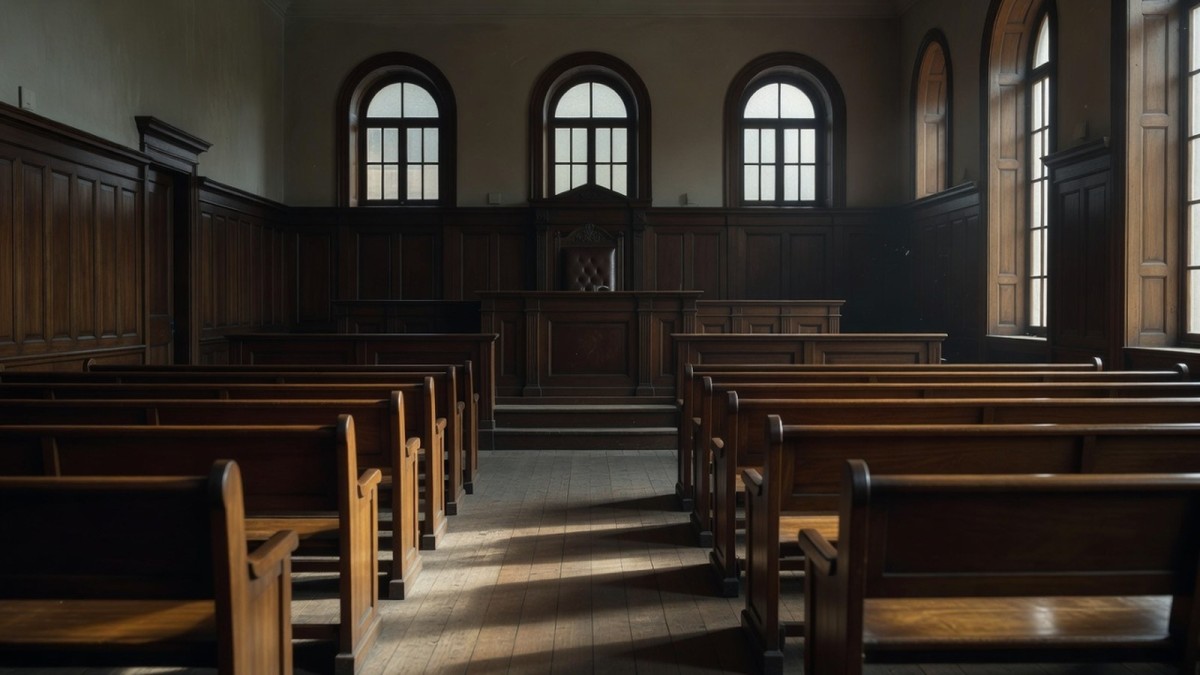
The Senate Blue Ribbon Committee will open its own investigation into the same set of projects. Committee hearings are scheduled to examine the same documentary and testimonial evidence Lacson submitted to the Ombudsman. The committee has authority to summon witnesses and recommend further action to the Senate and the Ombudsman.
Blue Ribbon investigations have historically led to the filing of additional cases before the Sandiganbayan, the special court that tries graft and corruption offenses involving high-ranking officials. Filipino taxpayers therefore watch these proceedings closely because they determine whether public funds are recovered or lost permanently.
Escalating Feud Between Lacson and Cayetano
The conflict intensified after Cayetano referred to Senator Erwin Tulfo as a lapdog of Lacson. Tulfo reported that allies of Cayetano have urged the Senate majority bloc to block the Blue Ribbon hearings. Cayetano also questioned the accuracy of the Statements of Assets, Liabilities, and Net Worth filed by both Lacson and Tulfo.
In the ANC 24/7 interview Lacson remarked that Cayetano appeared to have broken under pressure and pledged that the Blue Ribbon probe would place all evidence on public record. Cayetano replied that the accusations were malicious yet interesting to hear and expressed surprise that Lacson had drawn comparisons between Taguig projects and those in Bulacan province.
The tension between Senator Panfilo Lacson and Senator Alan Peter Cayetano has deep roots in Senate debates, where Cayetano once labeled Senator Raffy Tulfo a lapdog of the administration during heated exchanges over budget allocations. Lacson fired back with pointed remarks on accountability, escalating the personal rift into a broader clash that now centers on the Taguig probe. This dynamic plays out in the Senate chamber, where Lacson and Tulfo often align against Cayetano allies, creating voting blocs that influence everything from committee assignments to legislative priorities.
Key players include Senate President Francis Escudero and Majority Leader Juan Miguel Zubiri, whose influence shapes how the Blue Ribbon Committee navigates these disputes amid shifting alliances. In the wider Philippine political landscape, these feuds reflect longstanding divides between reform-minded senators and those tied to powerful families, affecting how probes into infrastructure spending unfold.
How These Allegations Affect Daily Life in Taguig and Beyond
Residents of Taguig pay real property taxes and national taxes that are supposed to fund the questioned projects. When photographs of completed work are recycled from previous contracts, communities continue to live with the same flooding and unsafe roads that the new appropriations were meant to fix. Children walking to schools in areas such as Western Bicutan face the same hazards year after year.
The outcome of the Ombudsman and Blue Ribbon investigations will therefore shape whether Taguig families see improved drainage before the next typhoon season and whether national budget processes become more transparent for voters in every province. The case also tests the effectiveness of institutions such as the Ombudsman in handling large-scale infrastructure complaints within a reasonable timeframe.
Cayetano Welcomes Ombudsman Review While Denying Wrongdoing
Cayetano stated that he welcomes the submission of evidence to the Ombudsman and will answer every allegation. He described the claims as malicious but said he remains ready to present his side. No formal response has yet been filed with the Ombudsman by any Taguig official named in the documents.
The coming weeks will show whether the Ombudsman assigns a special panel to the case and whether the Blue Ribbon Committee sets a firm schedule for public hearings.
Implications for Philippine Governance and Public Trust
This unfolding case before the Commission on Audit and the Office of the Ombudsman carries profound implications for institutions like the Sandiganbayan, which has historically handled high-profile graft cases involving public officials. As details emerge about the P14.4 billion in questionable contracts, ordinary Filipinos in Taguig and beyond question whether their taxes truly build lasting infrastructure or simply line pockets, eroding confidence in leaders ahead of the 2026 elections. The probe highlights the urgent need for greater transparency in government spending.
At the grassroots level, many view these allegations through the lens of daily struggles, recalling past scandals that delayed projects in provinces like Cavite. The Ombudsman involvement signals potential accountability, yet delays in Sandiganbayan proceedings often leave communities waiting years for resolutions.
What Comes Next - Blue Ribbon Timeline and Ombudsman Action
Looking ahead, the Senate Blue Ribbon Committee under Lacson leadership plans a series of hearings, with initial testimonies from Taguig officials and contractors expected to set the stage for deeper scrutiny. The Ombudsman will review evidence gathered, potentially leading to formal charges that could reach the Sandiganbayan, following precedents like the 2013 pork barrel scam investigations that resulted in convictions for several lawmakers.
Historical examples, such as the conviction of former officials in the fertilizer fund scam, demonstrate how persistent Blue Ribbon work can yield justice when supported by thorough documentation from the Commission on Audit. For local communities, this timeline means continued advocacy through barangay assemblies while awaiting tangible reforms.
By Bella Reyes, Staff WriterThis article was produced with AI-assisted research and editorial support. Reporting is based on sources cited in the article.
What's Your Reaction?
 Like
0
Like
0
 Dislike
0
Dislike
0
 Love
0
Love
0
 Funny
0
Funny
0
 Wow
0
Wow
0
 Sad
0
Sad
0
 Angry
0
Angry
0

Philippines/Southeast Asia Correspondent at Global1.News. Manila-based journalist covering Philippine politics, environment, maritime security, and social issues. Passionate about marine conservation and the communities protecting the Philippines' natural heritage.











Comments (0)