
Fire Clouds Over Europe: PyroCb Threatens Latin America
In July 2026, towering pyrocumulonimbus clouds erupted over France's infernos, marking the continent's first documented fire-driven thunderstorms and sending a stark warning across the Atlantic to Latin America's fire-prone ecosystems.
In July 2026, towering pyrocumulonimbus clouds erupted over France's infernos, marking the continent's first documented fire-driven thunderstorms and sending a stark warning across the Atlantic to Latin America's fire-prone ecosystems.
Pyrocumulonimbus Clouds Signal Hemispheric Fire Emergency
Saumos, Gironde – France, July 29, 2026 — As flames consumed 98,000-116,000 hectares across France and triggered the nation's first recorded pyrocumulonimbus event, with clouds punching 15 km into the stratosphere, Latin American nations from Brazil to Bolivia are bracing for an era where wildfires generate their own extreme weather. The Gironde and Landes complex alone scorched over 42,000 hectares, forcing more than 220,000 evacuations in Gironde and 250,000 across southwest France amid 40-44°C temperatures during the fourth heatwave of the summer.
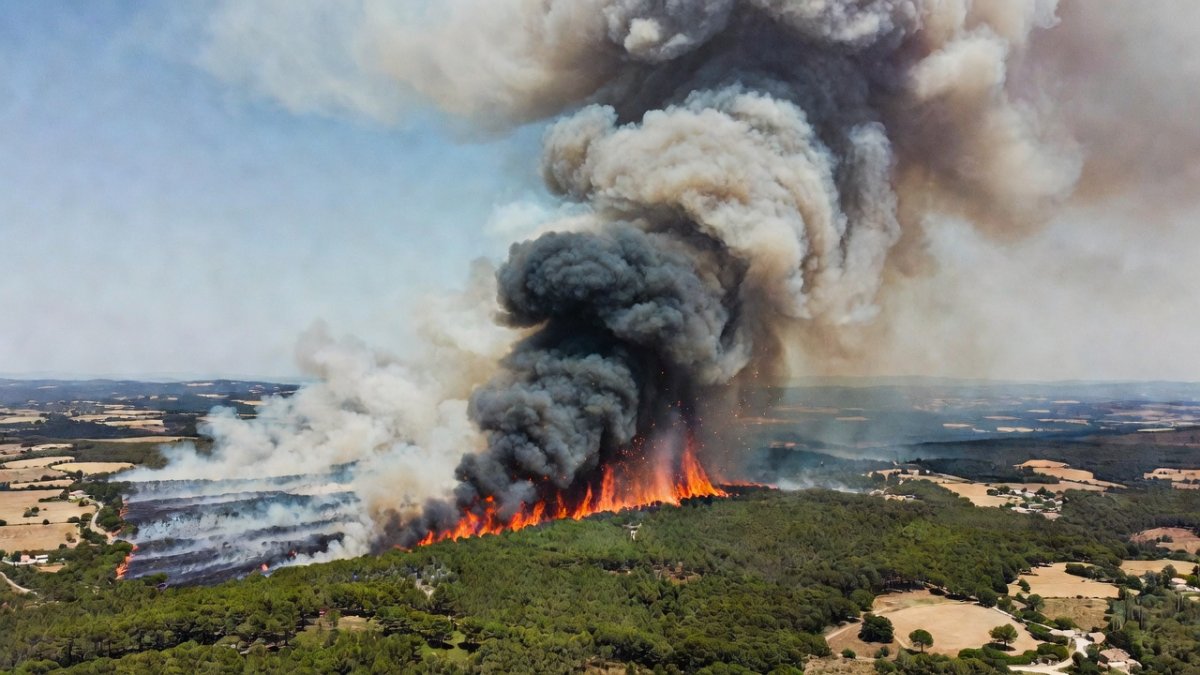
The Fire Cloud Phenomenon
The emergence of pyrocumulonimbus clouds over France in July 2026 represents a dangerous escalation in wildfire behavior that Latin America cannot ignore. These fire-breathing dragons of clouds, as NASA describes them, form when intense heat from massive blazes drives smoke and moisture high into the atmosphere, creating thunderstorms that generate lightning and loft embers up to 10 km away, igniting new fires far from the original front. French authorities confirmed this as the country's first documented instance, with pyroCb clouds reaching 15 km or 50,000 feet. In the Gironde and Landes fires near Bordeaux, which burned over 42,000 hectares in one complex, the phenomenon coincided with 2,000-2,500 firefighters deployed alongside military and EU aerial support, including the first-ever use of an A400M military transport for retardant drops. More than 220,000 people were evacuated in Gironde alone, with totals exceeding 250,000 in the wider southwest region. For Latin America, where similar events have already been recorded in the Amazon, Cerrado, Pantanal, Bolivia, and Argentina, this European milestone underscores how warming climates amplify fire intensity. Satellites detected pyroCb and pyrocumulus over Bolivia and the Pantanal in 2023-2024, with smoke columns reaching 14 km or more in the Bolivian Amazon. The term "Piroceno" is now used in Brazilian discourse to describe this fire-shaped era, highlighting the urgent need for enhanced monitoring by INPE's satellite systems tracking focos de calor and DETER alerts. As Europe warms faster than most global regions, Latin American ecosystems face parallel risks of self-reinforcing fire regimes that could overwhelm even the record hiring of 4,385 brigadistas and 133% increase in IBAMA aerial capacity.
Europe's Unprecedented Wildfire Crisis
France's July 2026 wildfires, burning 98,000-116,000 hectares amid the fourth heatwave with temperatures hitting 40-44°C, form part of one of the largest burned-area years in the EU in two decades according to Copernicus EFFIS data. Spain declared a national emergency after 130,000-153,000 hectares burned, including a 50,000-hectare fire in Ávila that prompted over 100,000 evacuations and at least 12 civilian fatalities. Thousands of excess deaths across Europe, estimated between 10,000 and 23,000, compounded the crisis, while French nuclear reactors reduced output due to overheated rivers and the Mediterranean Sea registered about 5°C above normal during a marine heatwave. Over 2,000-2,500 firefighters battled the Gironde and Landes complex with military and EU support, marking the first A400M retardant drops. This European inferno directly parallels threats in Latin America, where Brazil's Amazon saw 2024 record burns of approximately 15.8 million hectares before a dramatic 2025 improvement to a 41-year low of roughly 3.1 million hectares, an 80% decline. With a developing El Niño threatening drier conditions in 2026, Brazil's MMA under Minister Marina Silva convened an early "war room" in January, expanding the Amazon Fund to Cerrado and Pantanal firefighting. Deforestation alerts fell 61% in May 2026 versus the prior year, with cumulative reductions over 37%, yet Pantanal burned area surged approximately 770% in late July amid absent rainfall. These parallels demand that Latin American nations treat Europe's pyroCb debut as a preview of intensified fire seasons ahead.
What Are Pyrocumulonimbus Clouds?
Pyrocumulonimbus clouds, or pyroCb, arise when wildfire heat columns inject smoke, ash, and water vapor into the upper troposphere, forming anvil-shaped thunderheads that can reach 15 km altitude and spawn lightning capable of starting new fires while lofting embers 10 km distant. NASA has termed them the fire-breathing dragons of clouds due to their ability to alter local weather and extend fire spread dramatically. France's July 2026 event in Gironde and Landes, where over 42,000 hectares burned, marked the nation's first documented pyroCb, coinciding with 40-44°C heat and the evacuation of 250,000 people. These clouds not only intensify existing blazes but create feedback that sustains fire activity across vast distances. In Latin America, similar dynamics have appeared in Bolivia and the Pantanal during 2023-2024 satellite detections, with smoke columns exceeding 14 km in the Bolivian Amazon. The Piroceno concept in Brazil captures this shift toward fire-dominated landscapes, where INPE's monitoring of focos de calor and DETER alerts becomes critical for early response. With 52 IBAMA agents attacked during 2025-2026 field operations and Manaus hospitals reporting a 40% rise in respiratory emergencies during the 2024 fire season, the human costs mount. As Europe experiences its first pyroCb amid a Mediterranean marine heatwave 5°C above normal, Latin America's Amazon tipping point risk—shifting from carbon sink to source—grows more acute, necessitating the 26% increase in brigadistas and 133% boost in aerial water-dropping capacity already implemented.
Latin America's Own Fire Cloud History
PyroCb events have already struck Latin America multiple times, with satellites confirming pyrocumulonimbus and pyrocumulus formations over Bolivia and the Pantanal in 2023-2024, including smoke columns reaching 14 km or higher in the Bolivian Amazon. These occurrences predate Europe's 2026 milestone and demonstrate that the fire cloud phenomenon is no longer confined to northern latitudes. Brazil's Amazon recorded approximately 15.8 million hectares burned in 2024 before burned area collapsed to a 41-year low of roughly 3.1 million hectares in 2025, an 80% decline achieved through aggressive measures including the early 2026 war room convened by Minister Marina Silva. The Amazon Fund has expanded coverage to Cerrado and Pantanal firefighting, supporting a 26% increase to 4,385 brigadistas and 133% growth in IBAMA helicopter capacity. Deforestation alerts dropped 61% in May 2026, with cumulative reductions exceeding 37%, yet the Pantanal experienced a 770% surge in burned area during late July amid rainfall deficits. INPE's satellite systems remain central to detecting focos de calor and issuing DETER alerts, while the term Piroceno frames Brazil's confrontation with this fire-shaped epoch. Fifty-two IBAMA agents faced attacks in 2025-2026 operations, underscoring enforcement challenges, and Manaus hospitals saw 40% more respiratory emergencies during peak 2024 fires. These documented histories position Latin America as both a victim and a potential leader in adapting to pyroCb-driven fire regimes now manifesting in Europe.
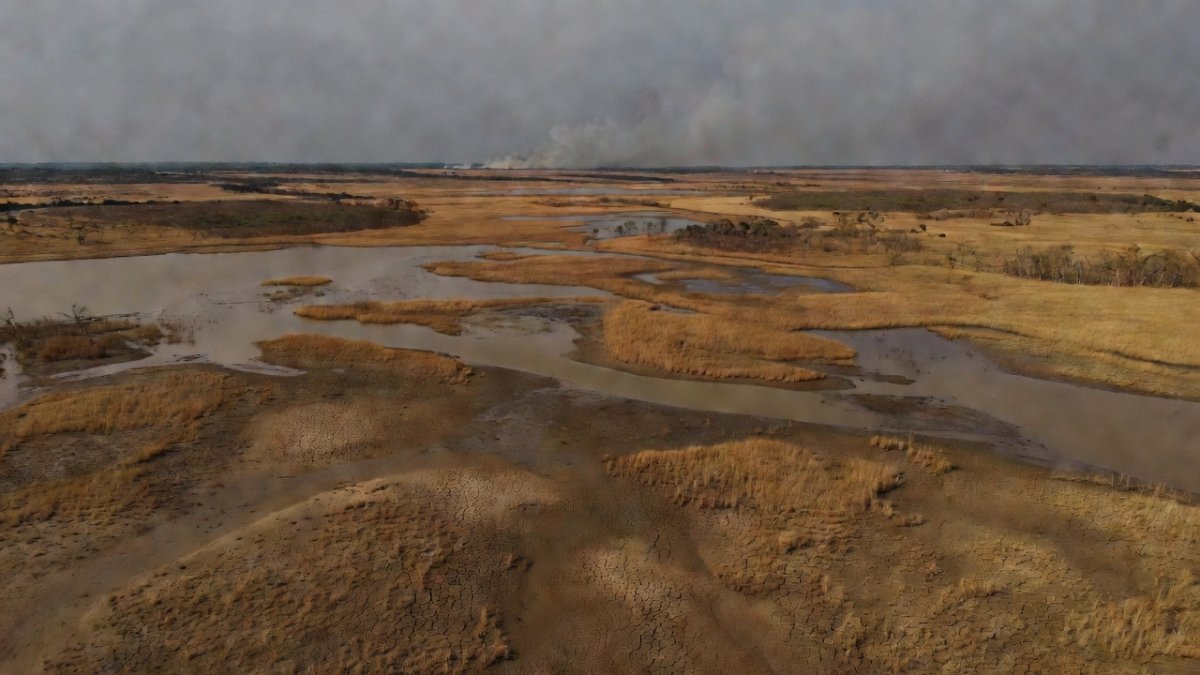
The Amazon, Pantanal and Cerrado Under Threat
The Amazon, Pantanal, and Cerrado face escalating threats from pyroCb potential as El Niño conditions loom in 2026, potentially reversing recent gains where Brazil's burned area fell to 3.1 million hectares. The Pantanal's 770% burned-area increase in late July 2026 amid absent rainfall signals how quickly conditions can deteriorate, mirroring France's 98,000-116,000 hectares scorched during its fourth heatwave. With smoke columns already reaching 14 km in prior Bolivian events, any intensification could loft embers across borders and ignite remote forests. Brazil's proactive steps—including Minister Marina Silva's January war room, 4,385 brigadistas hired at 26% growth, and 133% aerial capacity expansion—aim to counter these risks, supported by Amazon Fund resources now covering the Cerrado and Pantanal. Deforestation alerts declined 61% in May 2026, yet 52 IBAMA agents endured attacks, highlighting persistent enforcement gaps. The Amazon's tipping point risk, where ecosystems shift from carbon sink to source, grows as fires generate their own weather. INPE monitoring of focos de calor and DETER alerts provides vital early warnings, while the 40% respiratory emergency spike in Manaus during 2024 fires illustrates human health burdens. Europe's first pyroCb at 15 km altitude and 250,000 evacuations serve as a cautionary parallel, urging Latin American nations to scale defenses before self-reinforcing fire loops dominate these critical biomes.
Climate Feedback Loops: When Fires Make Their Own Weather
Pyrocumulonimbus clouds create dangerous climate feedback loops by generating lightning that starts new fires and lofting embers 10 km away, effectively allowing blazes to manufacture their own weather. France's 2026 Gironde event, with clouds reaching 15 km, demonstrated this process amid 40-44°C temperatures and a Mediterranean marine heatwave 5°C above normal. Copernicus EFFIS data places this within one of Europe's largest burned-area years in two decades, contributing to 10,000-23,000 excess deaths. Latin America confronts identical dynamics, with prior pyroCb detections in Bolivia and the Pantanal producing 14 km smoke columns that extended fire impacts. The Piroceno era in Brazil reflects how repeated fire seasons, such as the 15.8 million hectares burned in 2024, can push ecosystems toward irreversible change, including the Amazon tipping point from carbon sink to source. Proactive measures like the 80% burned-area reduction to 3.1 million hectares in 2025, early war room activation, and expanded Amazon Fund support for Cerrado and Pantanal operations aim to break these loops. INPE's satellite tools and IBAMA's 133% aerial increase provide critical buffers, yet Pantanal's 770% burned-area surge in July 2026 shows feedback risks persist. As Europe warms faster globally, Latin America's fire management must intensify to prevent similar self-sustaining pyroCb events from dominating the hemisphere's most biodiverse regions.
The Bottom Line — What Comes Next for the Hemisphere
The bottom line is that France's first pyrocumulonimbus event in July 2026, amid 98,000-116,000 hectares burned and 250,000 evacuations, signals that pyroCb-driven fire regimes are expanding into new territories, with direct implications for Latin America's Amazon, Pantanal, and Cerrado. As El Niño threatens drier 2026 conditions, Brazil's preparations—including Minister Marina Silva's war room, 4,385 brigadistas, 133% aerial capacity growth, and 61% deforestation alert reductions—offer a model, yet Pantanal's 770% burned-area spike and prior 14 km smoke columns in Bolivia underscore vulnerabilities. INPE monitoring and the Amazon Fund's expansion remain essential, alongside addressing the 40% respiratory emergency rise seen in Manaus and attacks on 52 IBAMA agents. Europe's experience with 10,000-23,000 excess deaths and nuclear output cuts due to overheated rivers highlights cascading impacts. Without accelerated hemispheric cooperation on early warning and suppression, the Piroceno could lock in feedback loops that transform carbon sinks into sources and generate fire weather across borders. Latin America must treat this European milestone as an urgent call to fortify defenses before pyroCb events become routine across the hemisphere.
By Elena Vasquez, Staff Writer
This article was produced with AI-assisted research and editorial support. Reporting is based on sources cited in the article.
What's Your Reaction?
 Like
0
Like
0
 Dislike
0
Dislike
0
 Love
0
Love
0
 Funny
0
Funny
0
 Wow
0
Wow
0
 Sad
0
Sad
0
 Angry
0
Angry
0

Latin America Correspondent at Global1.News. Based in Mexico City, covering politics, economics, energy, and culture across the region. Brings an on-the-ground perspective to stories spanning from the Rio Grande to Patagonia.













Comments (0)