
Thai Travel YouTuber Hlun Solo Still Missing in Georgia
For more than two weeks, a family in the quiet Isaan province of Kalasin has been holding its breath, waiting for news of a son who ventured far from home and has not returned. Bawonthat "Hlun" Pengsuk, known to millions as Hlun Solo, disappeared while filming travel content alone in the rugged Caucasus mountains of Georgia.
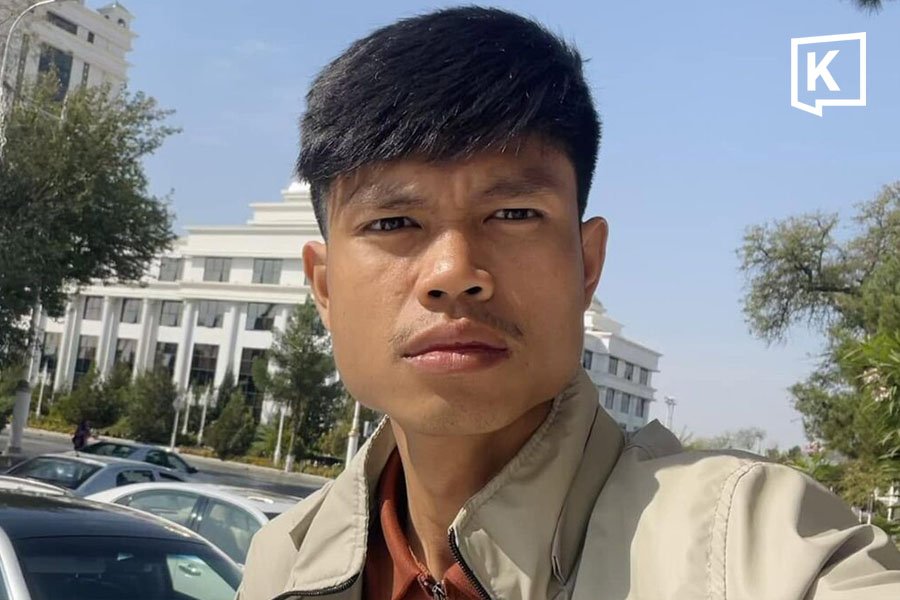
For more than two weeks, a family in the quiet Isaan province of Kalasin has been holding its breath, waiting for news of a son who ventured far from home and has not returned. Bawonthat "Hlun" Pengsuk, known to millions as Hlun Solo, disappeared while filming travel content alone in the rugged Caucasus mountains of Georgia. His journey from the rice fields of northeastern Thailand to the alpine trails of Svaneti represents everything inspiring about the new generation of Thai content creators — and everything concerning about the risks they face alone abroad.
The Ongoing Search for Hlun Solo in Georgia
Bawonthat "Hlun" Pengsuk, known as Hlun Solo, a 26-year-old Thai travel content creator with 2.5 million Facebook followers and 914,000 YouTube subscribers, remains missing in Georgia after last speaking with his family on July 13, 2026. He traveled alone to the country to film YouTube content and missed a July 20 deadline to deliver sponsored material to his marketing agency representative. Family members believe he may have disappeared while heading toward Armenia, with possible locations including the Svaneti, Kazbegi, or Mestia trekking regions.
In the rugged embrace of Georgia’s Caucasus mountains, where Thai travelers have increasingly sought solace since visa-free entry began in 2019, the search for Hlun Solo unfolds across landscapes that blend ancient Svanetian towers with alpine meadows. Over 45,000 Thai visitors arrived in 2023, drawn by the promise of affordable homestays in Mestia and the spiritual calm of Kazbegi’s Gergeti Trinity Church, yet locals in Tbilisi often describe Thai guests as gentle and respectful, contrasting them with louder European groups. Trekking routes here demand stamina: the 42-kilometer Mestia-to-Ushguli trail climbs from 1,400 meters to 2,200 meters through pine forests and glacial streams, while July brings mild 18–24°C days that can shift to sudden fog and 10°C drops by evening, turning familiar paths into disorienting mazes for solo wanderers without local guides.
Georgian hospitality, rooted in the supra feast tradition, mirrors Thai warmth yet leaves gaps when communication falters; many Thai tourists rely on apps like Grab alternatives or Facebook groups such as “Thai in Georgia” with 12,000 members for real-time updates. In Svaneti, where Russian and Georgian signage dominates remote trails, the absence of Thai-language emergency beacons heightens vulnerability, especially as summer thunderstorms can wash out wooden bridges within hours. Comparisons to Thailand’s own northern highlands reveal parallels—both regions attract adventure seekers—but Georgia’s lower tourist density means rescue teams from the Georgian Mountain Guides Association often cover 200 square kilometers per operation, stretching resources thin during peak July season.
The terrain’s isolation echoes the quiet determination of Thai explorers who venture beyond Bangkok’s bustle, yet it underscores how quickly a 26-year-old with 2.5 million Facebook followers can vanish when signals drop beyond Kazbegi’s 3,000-meter peaks.
This case draws direct attention from Thai audiences because Hlun Solo built his following by visiting remote destinations and trusting people he met along the way. His disappearance highlights the risks faced by Thai creators who venture into the Caucasus region without local support networks. Thai readers in Bangkok and the Isaan region follow such journeys closely as they plan their own international trips.
Roots in Kalasin and Path to Chulalongkorn University
Hlun Solo was raised by his grandmother in Kalasin province in the Isaan region of northeastern Thailand after his father passed away. He previously worked in a factory before earning a scholarship to study political science at Chulalongkorn University in Bangkok. These details from his early life in Kalasin explain his determination to explore distant places and share them with Thai viewers.
From the red-soil rice fields of Kalasin, where average household incomes hover around 8,000 baht monthly, Hlun Solo’s scholarship to Chulalongkorn University’s political science program represents a rare ascent that lifts entire extended families. In Isaan provinces like Kalasin, only one in fifty rural students secures entry to Thailand’s top institution, often through relentless self-study after factory shifts at plants like those in Roi Et that pay 12,000 baht for 12-hour days. This path transforms not just one life but village narratives, as remittances from Bangkok-educated children fund new homes and community wells.
Content creation has emerged as the modern ladder for Isaan youth, replacing the factory floor’s grind with YouTube earnings that can reach 150,000 baht monthly once channels surpass 500,000 subscribers. Hlun’s journey from grandmother-raised childhood to Chula’s hallowed halls mirrors stories of peers who traded assembly lines for vlogging, using smartphones to showcase local wisdom like sticky-rice festivals and silk weaving, thereby preserving cultural threads while building economic independence. Social media has narrowed the urban-rural divide that once confined Kalasin talents to low-wage labor, offering instead global audiences who value authentic Thai voices over polished Bangkok productions.
Yet this opportunity carries the weight of family expectation, where success stories like Hlun’s inspire dozens of village cousins to pursue digital dreams, fostering a quiet revolution in how Isaan’s next generation measures prosperity beyond factory gates.
His background connects directly to many families across the Isaan region who see education and content creation as routes out of factory work. Thai audiences recognize how his scholarship at Chulalongkorn University opened doors that led him to film in Georgia this year. The story resonates because it shows one young man from Kalasin reaching global platforms while still maintaining ties to his grandmother and brother.
Family Actions Through Thai Government Channels
Hlun Solo's brother, Klose Mos, posted a missing person appeal on social media and urged the public to avoid spreading rumours. The family contacted the Department of Consular Affairs under the Thai Ministry of Foreign Affairs to seek assistance. These steps were taken after the marketing agency representative confirmed no contact since July 13, 2026.
For Thai readers, the involvement of the Department of Consular Affairs demonstrates the standard process available to families when citizens go missing abroad. The case matters because it shows how relatives in Kalasin can reach government offices in Bangkok for support during international crises. Klose Mos continues to coordinate updates while emphasizing factual information only.
Support from Thai Travel Creators and Communities Abroad
Travel creator Akira "Wanchai" Wongseng, who organizes tours to Georgia, is offering help through his local partners in the country. The Thai community in Georgia is sharing the missing notice and contacting local authorities on behalf of the family. These efforts began after Hlun Solo's planned continuation to Armenia and then Chongqing, China, went unfulfilled.
Southeast Asian readers follow these community responses because Thai creators often rely on each other when traveling to less familiar regions like the Caucasus. The actions by Wanchai Wongseng and the Thai community in Georgia provide concrete examples of how diaspora networks assist in real time. This support network matters for Thai viewers who value collective responses over individual travel risks.
Broader Implications for Thai Solo Travelers
Thai solo travel abroad has surged to nearly 1.8 million departures annually, with Caucasus routes gaining favor among creators seeking untapped backdrops, yet recent cases like the 2022 disappearance of a Bangkok vlogger in Nepal’s Annapurna region highlight recurring gaps in check-in protocols. Marketing agencies managing sponsored trips, such as those handling Hlun’s Georgia itinerary, typically require daily GPS pings via WhatsApp groups, but enforcement weakens when creators chase spontaneous footage in areas without roaming signals. Comparisons to incidents in Iceland’s highlands or Patagonia’s trails show Thai travelers often underestimate altitude shifts and language barriers, prompting calls for mandatory buddy systems among the 300-plus Thai content creators who journey solo each quarter.
Practical safeguards now circulate in Thai creator forums: sharing live locations with family via Line every four hours, carrying satellite messengers like Garmin inReach for 200-kilometer treks, and registering with Thai embassies in Tbilisi before departure. These steps honor the communal spirit of Thai travel, where no one ventures alone in spirit even when physically solo, ensuring that the warmth of home follows adventurers across distant mountains.
The disappearance of Hlun Solo while traveling alone in Georgia raises concern about solo traveller safety in the Caucasus region. He had planned routes through remote trekking areas before heading toward Armenia, a path that left him without recent contact after July 13, 2026. Thai families in Bangkok and provincial areas now discuss these routes more carefully when their children plan similar content trips.
This situation affects Thai and Southeast Asian audiences because many young creators from places like Chiang Mai or Phuket follow Hlun Solo's model of independent filming. The case underscores the need for clear check-in schedules with marketing agencies and family members back home. Readers recognize that his 2.5 million Facebook followers and 914,000 YouTube subscribers amplify the reach of safety discussions across the region.
Continued Vigilance and Next Steps
Family members maintain hope that Hlun Solo may still be in one of the trekking regions of Svaneti, Kazbegi, or Mestia. Brother Klose Mos keeps the public appeal active while working with the Department of Consular Affairs. Thai community members in Georgia continue to distribute notices and liaise with local officials as the search extends beyond the missed July 20 content deadline.
The story holds steady importance for Thai readers because it connects personal journeys from Kalasin to international safety questions that affect future travelers. Updates from the Ministry of Foreign Affairs and community partners remain the primary sources of verified information as efforts continue this week.
By Ann Srisawat, Staff WriterThis article was produced with AI-assisted research and editorial support. Reporting is based on sources cited in the article.
What's Your Reaction?
 Like
0
Like
0
 Dislike
0
Dislike
0
 Love
0
Love
0
 Funny
0
Funny
0
 Wow
0
Wow
0
 Sad
0
Sad
0
 Angry
0
Angry
0
Southeast Asia Correspondent at Global1.News. Based in Bangkok, covering Thai and Southeast Asian politics, economy, technology, and culture. Deep regional perspective on one of the world's most dynamic regions.










Comments (0)