
Dakar Plots the Future of African Cinema as Senegal's Film Industry Reawakens
Senegal's capital Dakar is leading an African cinema revival. With Pathé opening a modern multiplex, Canal Olympia returning to state control in March 2026, and Senegalese films winning acclaim at Locarno and Berlinale, the city that once had 37 cinemas is plotting its comeback as a continental film hub.
Dakar is writing a new chapter in African cinema. Once home to nearly three dozen movie theatres during its 1970s golden age, Senegal's vibrant capital saw its silver screens dim one by one as economic hardship and shifting habits took their toll. But today, from the return of a landmark cinema hall to state control to the arrival of modern multiplexes and a new generation of internationally celebrated filmmakers, the city is plotting a comeback that could reshape the continent's film landscape.
Dakar Plots the Future of African Cinema as Senegal's Film Industry Reawakens
Dakar, Senegal — The story of Senegal's cinema revival is unfolding on multiple fronts — from government policy shifts to multiplex construction to the global festival circuit — and it signals a renewed commitment to the country's rich filmmaking heritage. For a nation that produced the father of African cinema, this renaissance is as much about reclaiming cultural sovereignty as it is about building a sustainable industry.
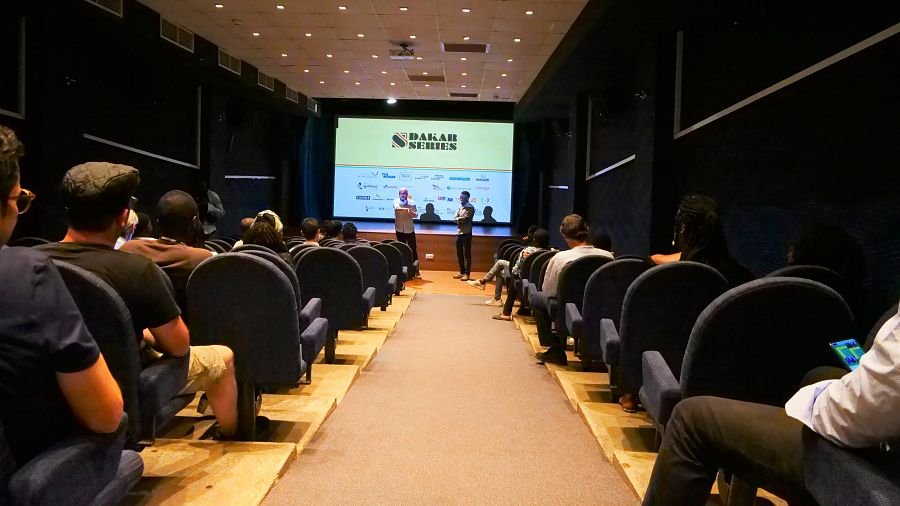
A Legacy Forged in 1960s Dakar: From Sembène to Mambéty
Ousmane Sembène, widely regarded as the father of African cinema, transitioned from novelist to filmmaker to reach broader African audiences who could not always access his written works. He explained the shift by noting that “the African masses cannot read,” a conviction that drove him to create works that spoke directly to ordinary people across the continent. Borom Sarret from 1963 stands as Sembène's first short film and is considered the first film by an African director, marking a pivotal moment in Dakar’s creative output. Black Girl, also known as La Noire de... from 1966, became Sembène's first feature and tackled colonialism and post-independence identity with unflinching clarity.
Djibril Diop Mambéty emerged as another Senegalese pioneer who directed Touki Bouki in 1973 and Hyenas in 1992, bringing experimental energy to the same Dakar streets. Dakar had approximately 37 cinemas operating during the 1970s golden age, when the Senegalese film tradition emphasised auteur-driven socially conscious filmmaking over pure commercial output. Iconic venues such as Cinéma Paris and Cinéma Liberté anchored neighbourhood life, screening both local productions and international titles to packed houses. That infrastructure later declined sharply as economic pressures mounted and foreign operators gained control of exhibition spaces across the capital, accelerating in the 1990s when many halls were converted into smaller, less viable screens.
Senegal's film tradition influenced Francophone African cinema across the continent, and the founding of FESPACO in 1969 in Ouagadougou gave Senegalese directors a vital platform for exchange and visibility. The festival quickly became the heartbeat of African cinema, allowing filmmakers from Dakar to share stories rooted in social critique and cultural affirmation with peers from across West Africa.
Pathé Dakar and the Modern Multiplex Arrival
Cinéma Pathé Dakar opened as a modern multiplex in the Mermoz neighbourhood and now hosts sold-out events ranging from comedy shows to film screenings and awards ceremonies. The contrast with the old single-screen halls is striking: digital projection, stadium seating and crisp sound replace the worn seats and flickering reels of earlier decades. The Pathé chain expansion across Africa brought this venue to Senegal alongside similar projects in Morocco and Ivory Coast, signalling renewed investment in physical exhibition. Pathé operates in France, the Netherlands, Switzerland and Francophone Africa, and its arrival in Dakar reflects growing investor confidence in the region’s cultural markets.
Outside Dakar, cinema infrastructure remains limited, leaving many Senegalese audiences without regular access to new releases on the big screen. Ticket pricing at Pathé aims for accessibility, though many residents still weigh the cost against cheaper streaming options or informal downloads. Pathé’s programming balances Hollywood blockbusters with local content, giving Senegalese stories a chance to share the marquee with international releases. The social aspect draws young couples and families who treat the multiplex as a weekend destination, reviving the communal viewing habits that once defined Dakar evenings.
Modern exhibition at Cinéma Pathé Dakar allows families to gather for premieres and special events that celebrate both local stories and international titles. These venues help rebuild the habit of communal viewing that once defined Dakar’s cultural life in the 1970s, offering air-conditioned comfort that stands in sharp relief to the shuttered halls of previous decades.
Canal Olympia Téranga: A Cultural Landmark Returns Home
Canal Olympia Téranga was transferred back to the Senegalese state by Vivendi/Canal+ in March 2026, ending a long period of foreign operation. Canal Olympia venues exist in more than ten African countries as part of the Bolloré/Canal+ network, making the return of this Dakar landmark a notable assertion of national control. Minister of Culture Amadou Ba and Secretary of State Bakary Sarr are now planning on-site visits to chart a new orientation for the hall. Public reactions have celebrated the end of foreign monopoly on culture, with many voices echoing the call “Bolloré dégage!” in reference to the Bolloré group’s historical role operating Canal Olympia.
Residents across Senegal are urging authorities to extend cinema construction beyond Dakar to cities such as Matam, Saint-Louis and Kolda. The reclamation of Canal Olympia Téranga fits a broader pattern of recovering strategic cultural assets that shape national identity. A new orientation could mean more Senegalese films on screen, educational screenings for schools and community pricing that keeps tickets affordable for families. Minister Amadou Ba’s broader cultural portfolio already emphasises heritage preservation and youth engagement, suggesting the venue may soon serve both entertainment and educational purposes.
State management is expected to prioritise Senegalese stories and affordable access for local audiences, turning a once-foreign-controlled space into a genuine hub for national expression.
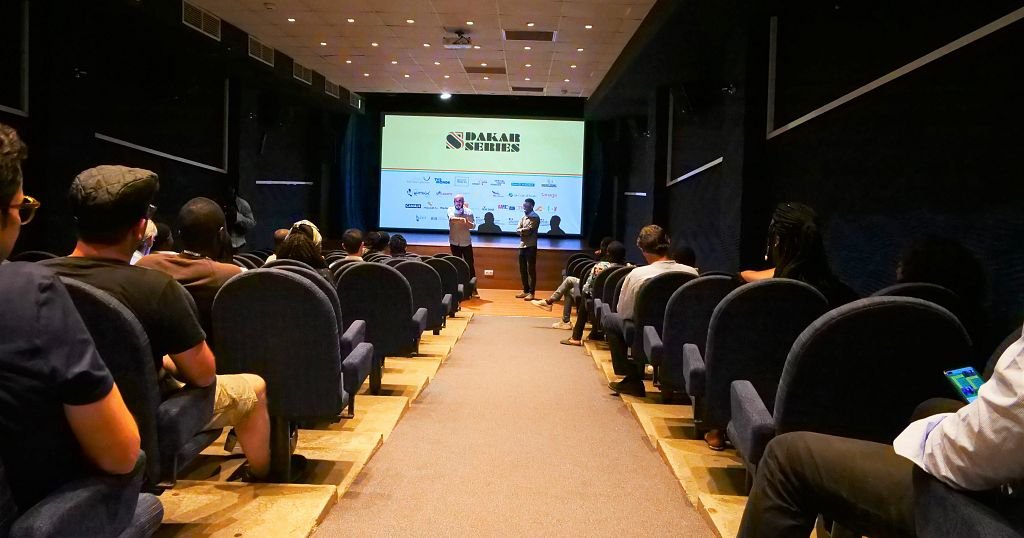
Senegalese Cinema on the World Stage: 2024-2026
Mati Diop’s Dahomey from 2024, a Senegalese-French documentary narrated by returned artifacts from Benin, earned widespread acclaim on the international circuit. Her earlier feature Atlantics (2019) won the Grand Prix at Cannes, establishing Diop as a major voice whose work blends supernatural elements with sharp social observation. Mamadou Dia’s Atcha Atcha from 2026 is set to premiere at the Locarno Film Festival after following dancers at Germaine Acogny’s École des Sables in Toubab Dialaw. The significance of a Senegalese director documenting Senegalese dancers on home soil adds authenticity that resonates with both local and global viewers.
Jean Luc Herbulot’s Saloum from 2021 blended genre elements with Senegalese mysticism and introduced new audiences to local storytelling traditions. The Senegalese-French short Souls of Fouta was selected for the Berlinale 2026, continuing the country’s presence at major European festivals. The 17th Saint-Louis International Documentary Film Festival, known as Stlouis'Docs, runs in April-May 2026 with Alice Diop as guest of honour; the French-Senegalese filmmaker’s participation highlights the deep ties between Senegal’s diaspora and its domestic cinema. These international accolades create distribution opportunities back home by attracting streaming interest and festival invitations that can translate into local theatrical runs.
Forbes Afrique reports that the African film sector generates $5 billion annually and supports 5 million jobs continent-wide, underscoring the economic stakes of Senegal’s revival.
Dakar as a Creative Hub: Training, Exhibiting, and Distributing
Dakar serves as a centre for training through institutions such as Germaine Acogny’s École des Sables, which nurtures performing artists from across West Africa. Founded in 1998 by the legendary choreographer, the school creates a steady pipeline of performers who move seamlessly between stage and screen. Cultural exchange flourishes through photography exhibitions and dance schools that draw practitioners to the capital year-round, while the Dakar Biennale (Dak’art), which began in 1992, attracts international art collectors and curators who often cross paths with filmmakers. Senegal has also produced pioneering voices such as Safi Faye, the first sub-Saharan African woman to direct a commercially released feature, reinforcing Dakar’s historic role as a creative crossroads.
The challenge of distribution beyond festival circuits remains acute, as many Senegalese productions struggle to reach regular audiences after premieres. The affordability challenge is real: cinema tickets in Dakar often cost more than a month’s streaming subscription, pushing many viewers toward illegal downloads. Streaming platforms like Netflix are commissioning African originals and expanding West African content, including potential Senegalese stories that could be shot on location in the capital. Canal+, Showmax and YouTube function as key distribution channels while government cultural policy explores integrating streaming with state-owned assets such as Canal Olympia Téranga.
The Road Ahead: Challenges and Opportunities for Senegal's Screen Revival
Senegal’s auteur legacy faces a gap in commercial scale compared with Nollywood, where four of the top five highest-grossing West African venues sit in Lagos, including Silverbird Ikeja at ₦1.12 billion. Morocco in 2025 produced 26 fiction features and modernised 87 screens, achieving box office near 130 million dirhams and demonstrating what sustained state support can deliver through its film fund, the Centre Cinématographique Marocain, which offers up to 30 percent production rebates. Senegal must address financing, distribution, IP protection and professional training to match these regional gains, including the creation of dedicated film schools and technical programs. French co-production remains both an opportunity and a limitation, providing resources while sometimes shaping narrative priorities away from purely local concerns.
Idris Elba’s 22Summers is investing in West African action films through partnerships with Nile Media Entertainment Group and studio plans in Ghana and Zanzibar. The African Continental Free Trade Area could benefit film distribution by easing cross-border movement of productions and talent. The FESPACO festival ecosystem in Ouagadougou remains the major West African film gathering where Senegalese voices continue to seek wider visibility. The country stands at a crossroads between creative strength rooted in socially engaged traditions and the industrial development needed for sustainable growth.
What to Watch For
Canal Olympia Téranga’s new orientation under state management will determine how quickly programming returns to Senegalese priorities, with expectations that educational screenings and community pricing will soon follow. Pathé Dakar’s ongoing programme of sold-out events offers a model for combining local premieres with international titles, showing that modern infrastructure can coexist with cultural relevance. Upcoming Senegalese film premieres at Locarno, Berlinale and Saint-Louis festivals will keep the spotlight on emerging directors whose work may finally reach wider domestic audiences through new distribution deals. Potential streaming partnerships with Netflix and Canal+ could open new revenue streams for Senegalese productions, especially if government policy links these platforms to reclaimed venues like Téranga.
Government investment in regional cinema infrastructure beyond Dakar will test the commitment to nationwide access, particularly in cities such as Saint-Louis and Kolda where audiences have long been underserved. Senegal’s revival strengthens the continent’s cultural identity by showing how reclaimed assets and new exhibition spaces can nurture the next generation of African filmmakers, building on a legacy that began with Sembène’s call to speak directly to the people.
By Amara Diop, Staff WriterThis article was produced with AI-assisted research and editorial support. Reporting is based on sources cited in the article.
What's Your Reaction?
 Like
0
Like
0
 Dislike
0
Dislike
0
 Love
0
Love
0
 Funny
0
Funny
0
 Wow
0
Wow
0
 Sad
0
Sad
0
 Angry
0
Angry
0
West Africa/Sahel Correspondent at Global1.News. Dakar-based journalist covering politics, security, climate, and development across Francophone and Anglophone West Africa. Tells the stories of a region undergoing profound transformation.














Comments (0)