
India's Fatty Liver Epidemic: 56% Delhi Adults at Risk
India's 38.9% NAFLD Burden Demands Urgent Screening Policy New Delhi, India – February 12, 2026 — India's metabolic health crisis has reached a tipping point, with fatty liver disease silently affecting tens of millions and threatening to overwhelm an already strained healthcare system. The Numbers That Demand Attention A survey of more than 6,700 people attending community clinics in Delhi found that 56 percent had fatty liver.
 \n\n
\n\nThe Numbers That Demand Attention
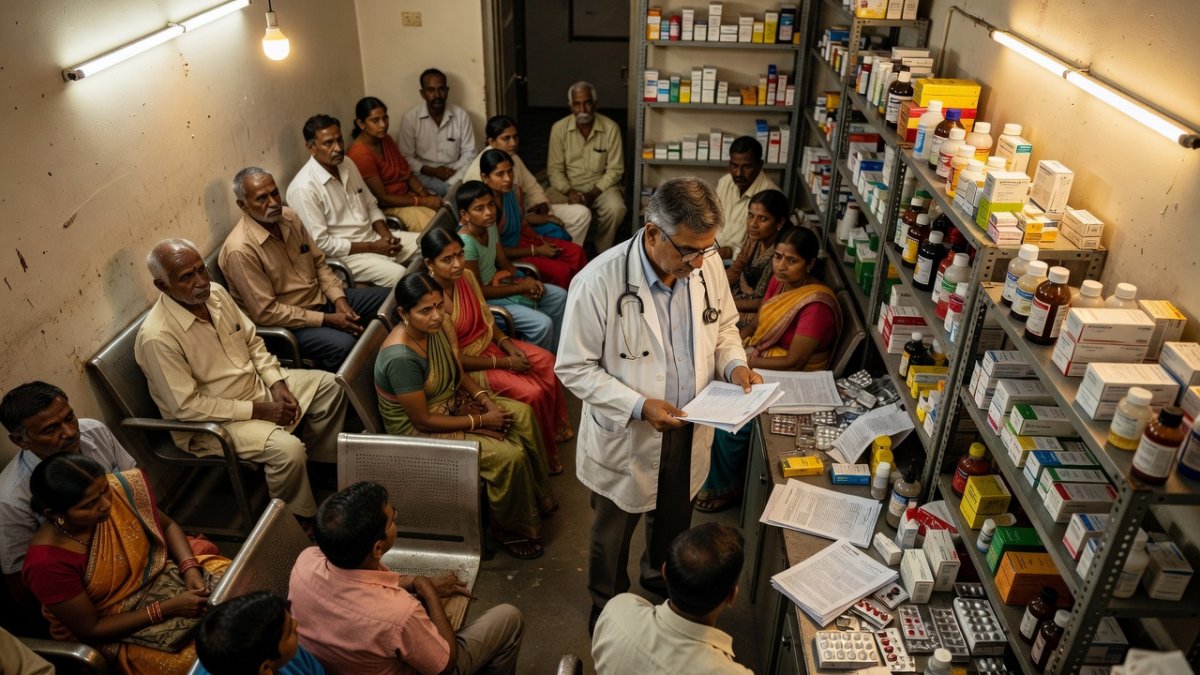
\nA survey of more than 6,700 people attending community clinics in Delhi found that 56 percent had fatty liver. This figure translates to one in two adults walking into primary care settings already carrying excess liver fat. National estimates from the NDTV/Lancet study place the burden at 38.9 percent of Indian adults, meaning roughly 120 million citizens live with some degree of liver steatosis.
These numbers emerge against India’s documented treatment gap for metabolic conditions, one of the widest in the world. The Ministry of Health has yet to roll out a dedicated fatty-liver screening protocol under the National Programme for Prevention and Control of Cancer, Diabetes, Cardiovascular Diseases and Stroke.
\nOver the past decade, non-alcoholic fatty liver disease (NAFLD) prevalence in India has risen sharply from an estimated 9-15% in early 2010s ICMR-supported surveys to 25-32% in recent population-based studies, driven by urbanization and dietary shifts. This trajectory parallels the doubling of type 2 diabetes cases from 50 million to over 100 million, underscoring NAFLD as a sentinel marker within the metabolic syndrome cluster. AIIMS Delhi and ICMR's National Non-Communicable Disease Monitoring Survey have been pivotal in tracking these trends through serial cross-sectional data, revealing higher burdens in urban (up to 40%) versus rural cohorts.
\nGlobally, India's age-adjusted NAFLD rate of approximately 29% exceeds the worldwide average of 25% reported by the Global Burden of Disease Study, though it remains below Gulf states' 35-40% figures. These comparisons highlight India's unique challenge of scaling interventions amid a younger demographic onset, with fibrosis progression occurring 5-10 years earlier than in Western populations.
\n\nWhy the Liver Matters: More Than Just Detox
\nThe liver performs over 500 functions, from regulating blood glucose to synthesising clotting factors. When fat exceeds 10 percent of liver weight, as Dr. Shiv Kumar Sarin defines the threshold, these processes begin to falter. Persistent SGPT levels above 40 IU/L signal ongoing injury; optimal values sit between 20 and 30.
Because the organ compensates until late stages, most patients remain unaware until fibrosis or cirrhosis appears on imaging at AIIMS or state medical colleges.
\n\nThe Silent Progression: Four Stages of Danger
\nFatty liver advances through four predictable stages: simple steatosis, fibrosis, cirrhosis and hepatocellular carcinoma. Each transition can span years, yet reversal remains possible before cirrhosis sets in. Dr. Sarin notes that losing 10 percent of body weight allows fibrosis to regress measurably on FibroScan.
\nOnce cirrhosis develops, the five-year survival rate drops sharply, underscoring why early detection in Delhi’s mohalla clinics matters for national liver-cancer prevention targets.
\n\nConnecting the Dots: Diabetes, Heart Disease, and Cancer
\nInsulin resistance drives both fatty liver and type-2 diabetes. The same visceral fat promotes systemic inflammation that accelerates atherosclerosis, raising stroke and heart-attack risk. Excess liver fat also correlates with higher incidence of prostate and colon cancers and earlier onset of cognitive decline.
\nThese linkages place fatty liver at the centre of India’s rising non-communicable disease burden, directly affecting productivity in the working-age population targeted by Ayushman Bharat.
\nHepatic steatosis triggers systemic inflammation via cytokine release (IL-6, TNF-alpha) and insulin resistance, creating a feedback loop that accelerates atherosclerosis and oncogenesis; Indian cohort studies from AIIMS show NAFLD patients exhibit 2.5-fold higher cardiovascular event rates. ICMR's 2022 analysis estimated annual NAFLD-related healthcare costs at ₹1.2 lakh crore, encompassing diabetes complications and hepatocellular carcinoma screenings, with projections doubling by 2030 under current trajectories.
\nPolicy implications for the Ministry of Health's NCD framework include integrating liver enzymes into routine diabetes panels, as evidenced by AIIMS trials demonstrating 30% earlier detection. This linkage demands cross-programmatic funding to avert cascading burdens on tertiary care.
\n\nWho Is at Risk? The Lean Paradox
\nEleven percent of lean individuals in the Delhi survey still showed fatty liver, proving the condition is not confined to obesity. Waist circumference above 90 cm in men and 80 cm in women flags elevated risk regardless of BMI. Children face parallel threats: when both parents are overweight, 97 percent of offspring are projected to become overweight; by age five, up to 15 percent already exhibit fatty liver on ultrasound.
\nThese patterns challenge the assumption that only visibly obese patients require screening under current ICMR guidelines.
\n\n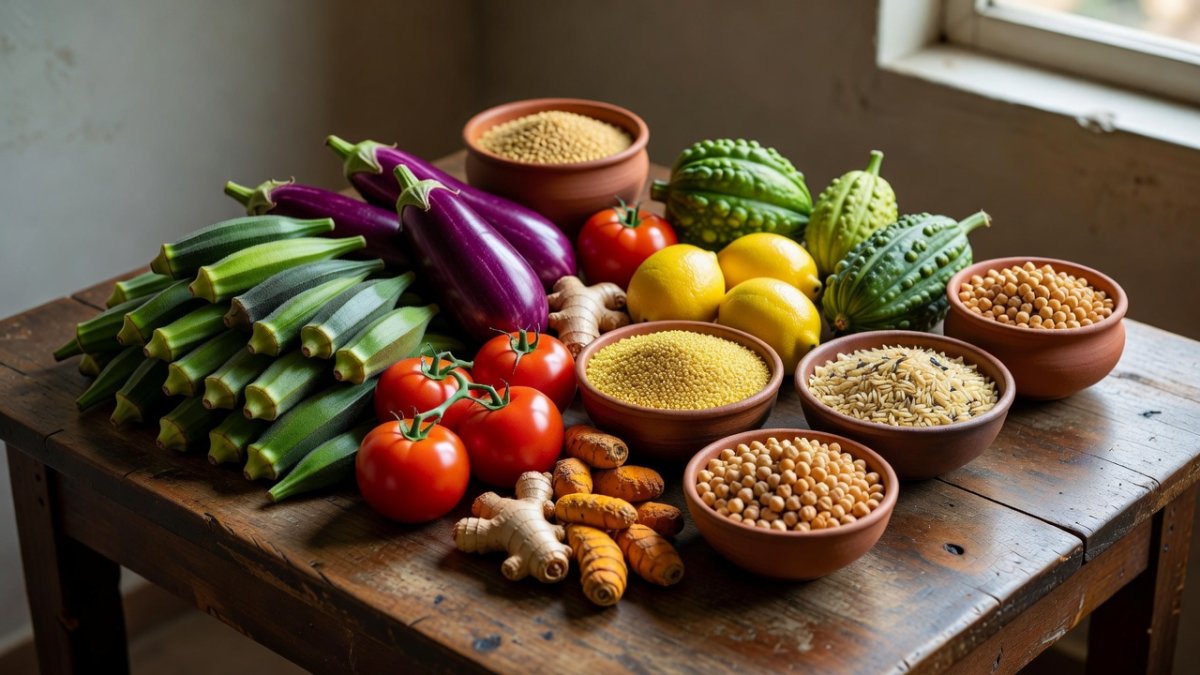 \n\n\n\n
What This Means for India
\nWith 120 million affected and fibrosis already present in 6.3 percent of cases, the economic cost of future cirrhosis and liver transplants will strain state health budgets. The absence of a focused national policy leaves primary-care physicians without clear referral pathways, widening the treatment gap further.
\nDelhi’s 56 percent prevalence serves as an early warning for other metros; without intervention, the epidemic will migrate to tier-2 cities within five years.
\nIf 120 million NAFLD cases advance to cirrhosis or decompensated disease, Ayushman Bharat's hospitalization claims could surge by 40-60%, adding ₹50,000 crore annually based on current transplant and management tariffs. State-level disparities are stark: Maharashtra and Tamil Nadu host 60% of India's 200+ liver transplant centers, while northeastern states average fewer than one hepatologist per 10 million residents.
\nIndia's per-capita liver healthcare expenditure of roughly $8 lags behind South Korea ($45) and China ($22), per WHO-aligned estimates, exacerbating wait times exceeding 18 months for transplants. Scaling hepatology training through ICMR fellowships is critical to close this gap.
\n\nPrevention: The Evidence-Based Roadmap
\nDr. Sarin’s recommendations are straightforward and scalable. Thirty to forty minutes of daily moderate exercise, a 12-hour overnight eating window, at least six hours of sleep and sharp reduction in added sugar form the core protocol. Every drop of alcohol counts as poison for the liver, according to his India Today interview.
\nPatients whose SGPT remains persistently elevated should undergo evaluation rather than wait for symptoms. These measures align with existing lifestyle interventions under the National Health Mission yet require dedicated funding for community-level delivery.
\nHealth and Wellness Centers (HWCs) and PHCs could deploy FibroScan-based screening for high-risk adults at ₹500 per test, proving cost-effective with ICERs below ₹1 lakh per QALY versus advanced disease management, according to ICMR modeling. Traditional Indian diets emphasizing whole grains, legumes, and minimal ultra-processed foods correlate with 15-20% lower steatosis rates in rural cohorts.
\nFiscal tools like subsidies on millets and taxes on sugar-sweetened beverages, piloted in states such as Kerala, offer scalable levers; evidence from similar Asian policies indicates 10-15% consumption drops, directly curbing NAFLD incidence.
\n\nThe Bottom Line
\nIndia’s fatty-liver numbers demand immediate policy recognition. Screening at the primary-care level, weight-loss support and alcohol-awareness campaigns can still alter trajectories for millions before fibrosis becomes irreversible.\n\n
— By Dr. Raj Patel, Staff Writer
\nThis article was produced with AI-assisted research and editorial support. Reporting is based on sources cited in the article.
What's Your Reaction?
 Like
0
Like
0
 Dislike
0
Dislike
0
 Love
0
Love
0
 Funny
0
Funny
0
 Wow
0
Wow
0
 Sad
0
Sad
0
 Angry
0
Angry
0

India/South Asia Correspondent at Global1.News. Analytical voice with a background in science and health journalism. Based in New Delhi, covering Indian politics, education, healthcare, technology, and policy. Breaks down complex data into clear, actionable reporting.












Comments (0)