
Rajasthan's 18 Maternal Deaths Expose Antenatal Care Gaps: State Launches Mass Screening
The recent cluster of 18 maternal deaths across Rajasthan since May 2026, including nine fatalities in just six days in Bhilwara and Banswara, has laid bare dangerous gaps in antenatal monitoring and emergency obstetric care for rural pregnant women. A 25-year-old woman's death at PBM Hospital in Bikaner on July 14 has intensified public outrage and political scrutiny. This surge demands urgent examination of why high-risk pregnancies continue to end in tragedy despite national health programs.
The recent cluster of 18 maternal deaths across Rajasthan since May 2026, including nine fatalities in just six days in Bhilwara and Banswara, has laid bare dangerous gaps in antenatal monitoring and emergency obstetric care for rural pregnant women. A 25-year-old woman's death at PBM Hospital in Bikaner on July 14 has intensified public outrage and political scrutiny. This surge demands urgent examination of why high-risk pregnancies continue to end in tragedy despite national health programs.
Rajasthan Maternal Deaths Expose Antenatal Care Gaps
Jaipur, Rajasthan – July 15, 2026 — The Rajasthan government has responded to the crisis by launching a five-day statewide screening campaign for all pregnant women beginning July 15, 2026. This move follows the reporting of 18 maternal deaths since May and a concentrated cluster of nine deaths between July 5 and 10 in Bhilwara and Banswara districts. Health Minister Gajendra Singh Khimsar visited the affected district hospitals, while Principal Secretary (Medical & Health) Gayatri Rathore announced the formation of an expert investigation team.
The Crisis Unfolds: 18 Maternal Deaths Since May
Eighteen maternal deaths have been confirmed across Rajasthan since May 2026. Nine of these occurred within six days from July 5 to 10, with six in Bhilwara district and two in Banswara district. The most recent case involved a 25-year-old pregnant woman who died at PBM Hospital Bikaner on July 14. Earlier reports of eight deaths-six in Bhilwara and two in Banswara-prompted the initial investigation. Public protests have broken out in the affected districts, and opposition parties have accused the state government of withholding information about the scale of the problem. These incidents highlight systemic failures that require immediate cross-district coordination.
Swift Government Response with Screening Campaign
The five-day statewide screening campaign targets every pregnant woman in Rajasthan starting July 15, 2026. Health Minister Gajendra Singh Khimsar conducted on-site visits to district hospitals in Bhilwara and Banswara. Principal Secretary Gayatri Rathore directed the deployment of an expert team to determine causes, though initial probes found no evidence of infection clusters. The campaign focuses on rapid identification of high-risk pregnancies in all 33 districts, with particular emphasis on Bhilwara and Banswara where health indicators remain weaker. See the section on district disparities for details on local infrastructure gaps that the drive must address.
Rajasthan's Maternal Health Trajectory and Persistent Gaps
Rajasthan recorded a maternal mortality ratio of 141 per 100,000 live births in 2018, which declined to approximately 102 per 100,000 by RGI 2022-24 data. This figure remains above the national average of 88-93 per 100,000 live births reported in SRS 2022-24. The state continues to lag behind seven states that have already met the national SDG target of 70 per 100,000, including Kerala, Maharashtra, Telangana, Tamil Nadu, Andhra Pradesh, Jharkhand, and Gujarat. Rajasthan's maternal mortality trajectory reflects broader shifts in India's public health landscape since the launch of the National Rural Health Mission in 2005, when the state's MMR hovered above 350 per 100,000 live births according to early RGI SRS bulletins. Successive SRS rounds document a steady 4-5% annual decline, driven by expanded institutional delivery incentives and the deployment of over 52,000 accredited social health activists across Rajasthan's 33 districts. Yet the current 102 figure still places Rajasthan among the seven highest-burden states, trailing only Uttar Pradesh and Bihar in absolute numbers of maternal deaths recorded in the 2020-22 RGI report.
Anaemia as a Critical Factor in Maternal Mortality
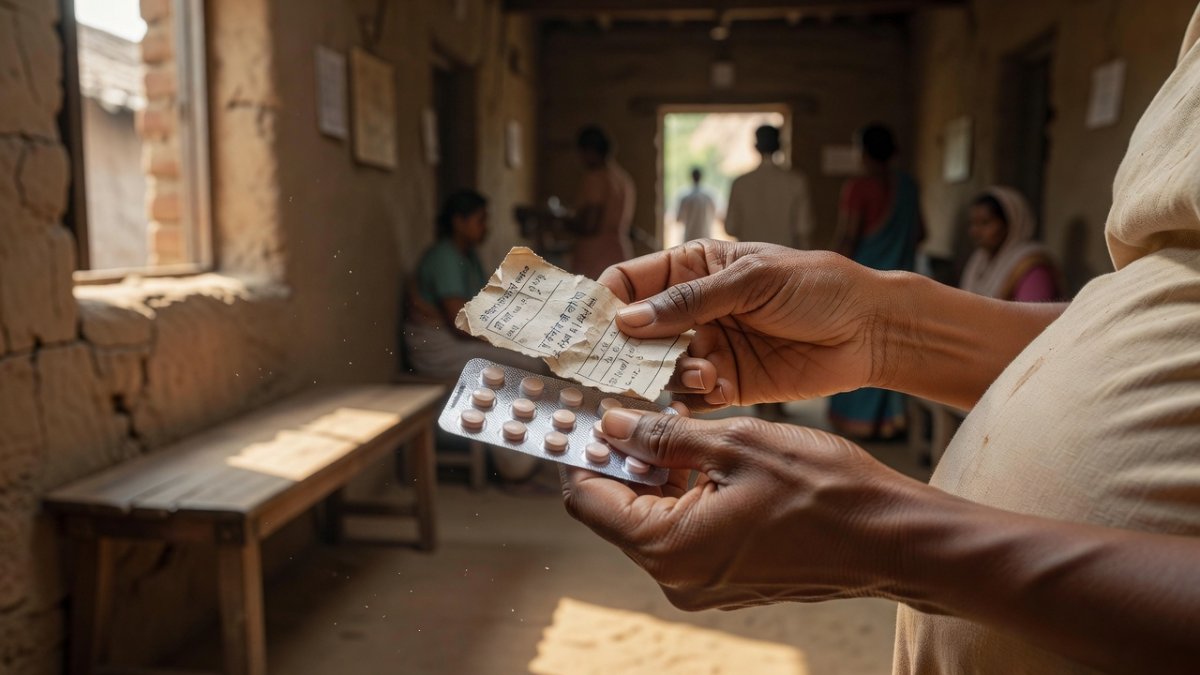
NFHS-5 data show that more than 50 percent of pregnant women in Rajasthan are anaemic. Anaemia accounts for 19 percent of maternal deaths nationally, ranking behind hemorrhage at 38 percent but ahead of infection or sepsis at 11 percent and hypertensive disorders at 5 percent. The high prevalence of anaemia in districts such as Bhilwara and Banswara directly increases risks during pregnancy and delivery, underscoring the need for strengthened iron supplementation programs under existing state health schemes. NFHS-5 findings indicate that 54.2% of pregnant women in Rajasthan suffer from anaemia, with prevalence exceeding 62% in Banswara and 58% in Bhilwara, figures that align closely with RGI SRS attributions linking anaemia to 19% of all maternal deaths nationwide. This nutritional deficit compounds during the third trimester when plasma volume expansion increases iron requirements by 50%, leaving women vulnerable to postpartum haemorrhage that accounts for nearly one-third of facility-based deaths in these districts. Historical data from the 2015-16 NFHS-4 round showed only marginal improvement from 49.9% anaemia prevalence, highlighting persistent challenges in the state government's iron-folic acid distribution chain that reaches just 68% of registered antenatal cases in tribal blocks.
District-Level Disparities and Infrastructure Shortfalls
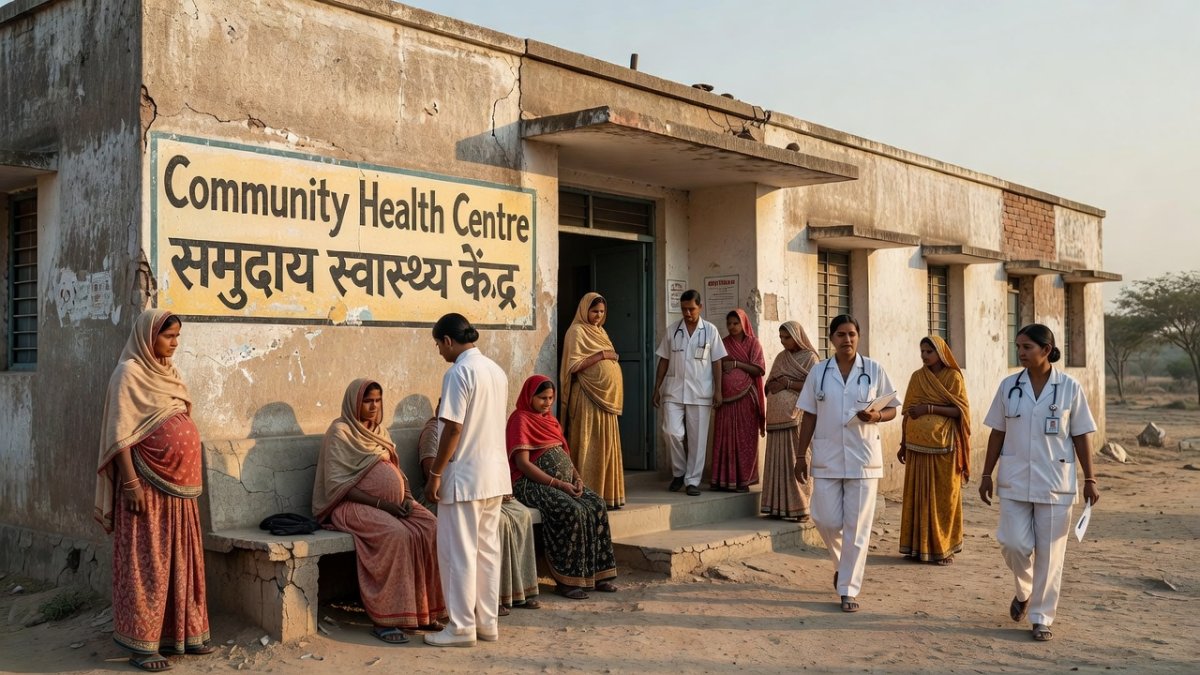
District-level disparities remain stark: Bhilwara operates 18 community health centres but reports just 62% of deliveries at facilities equipped for comprehensive emergency obstetric care, while Banswara's predominantly tribal blocks have only four blood storage units serving a population exceeding 1.8 million. These gaps mirror patterns seen in neighbouring Madhya Pradesh, where similar infrastructure shortfalls have kept MMR above 110 despite national progress. District hospitals in Bhilwara maintain only two 24-hour blood banks against a recommended five, forcing referrals that add critical delays averaging 90 minutes to Udaipur's tertiary centre. Health officials including Rajasthan's Director of Health Services Dr. Ravi Sharma have flagged the need for district-specific action plans under the National Health Mission, yet implementation lags due to vacancies in 34% of sanctioned gynaecologist posts.
Lessons from International Benchmarks and National Progress
India's overall maternal mortality ratio stands at 88-93 per 100,000 live births according to SRS 2022-24, reflecting steady national decline. Seven states have already reached the SDG target of 70 per 100,000 by 2030. International benchmarks further underscore the urgency. Sri Lanka reduced its MMR to 36 by 2015 through mandatory four-visit antenatal protocols and universal blood-bank access, a target Rajasthan could approach by scaling the existing 108 ambulance network that currently averages 42 minutes response time in Bhilwara's remote tehsils. NFHS-5 data reveal that only 41% of pregnant women in Banswara receive the full complement of iron-folic acid and tetanus toxoid alongside blood-pressure monitoring, directly correlating with the nine recent deaths clustered in these districts. The Registrar General's Sample Registration System 2022-24 estimates that closing this infrastructure deficit would avert roughly 180 maternal deaths annually in Rajasthan alone. Comparable states such as Tamil Nadu have lowered anaemia-related mortality by 40% through weekly supervised supplementation and point-of-care haemoglobin testing at every sub-centre, an approach endorsed by NITI Aayog's health index rankings where Rajasthan scores 12 points below the southern leader.
Path Forward: Achieving SDG Targets and Strengthening Systems
The deaths in Bhilwara, Banswara, and Bikaner highlight the urgent requirement for improved antenatal care coverage and skilled birth attendance at district hospitals such as PBM Hospital. Strengthening referral pathways from primary health centers to tertiary facilities remains essential for managing complications like severe anaemia and hemorrhage. These incidents also point to the need for consistent monitoring under the National Health Authority frameworks to reduce disparities between high-performing and lagging districts across India. Rajasthan must expand routine anaemia screening and iron supplementation while ensuring every district hospital maintains adequate emergency obstetric care capacity. Meeting the 2030 SDG target of 70 maternal deaths per 100,000 live births will require sustained investment in frontline monitoring and rapid response systems in vulnerable areas such as Bhilwara and Banswara. Policy responses must therefore prioritise ring-fenced allocations within the state health budget for specialist postings and real-time referral mapping, lessons already operationalised in Kerala's model that achieved an MMR of 43 through decentralised primary care strengthening. Sustained investment in these areas would not only accelerate SDG attainment but also reduce the economic burden of maternal morbidity, estimated at ₹2,400 crore yearly in lost productivity for the state. Policy implications include mandating integration of anaemia screening into the PM-MVY cash-transfer verification process and increasing procurement of parenteral iron formulations for severe cases, measures projected to reduce Rajasthan's MMR by an additional 12-15 points by 2027 if scaled across all 295 blocks. Without these measures, similar clusters risk undermining national maternal health progress.
— By Dr. Raj Patel, Staff Writer
This article was produced with AI-assisted research and editorial support. Reporting is based on sources cited in the article.
What's Your Reaction?
 Like
0
Like
0
 Dislike
0
Dislike
0
 Love
0
Love
0
 Funny
0
Funny
0
 Wow
0
Wow
0
 Sad
0
Sad
0
 Angry
0
Angry
0

India/South Asia Correspondent at Global1.News. Analytical voice with a background in science and health journalism. Based in New Delhi, covering Indian politics, education, healthcare, technology, and policy. Breaks down complex data into clear, actionable reporting.














Comments (0)