
Bird Flu Crisis 2026: Peru Declares Emergency as H5N1 Sweeps Latin America's Poultry Sector
In the heart of Latin America's poultry-dependent economies, where smallholder farms and backyard flocks sustain millions of families, the return of H5N1 avian influenza in July 2026 signals a deepening ecological and food-security emergency.
In the heart of Latin America's poultry-dependent economies, where smallholder farms and backyard flocks sustain millions of families, the return of H5N1 avian influenza in July 2026 signals a deepening ecological and food-security emergency. Wild bird migrations along hemispheric flyways carry the virus across borders, threatening both commercial operations and the cultural staples of chicken and eggs that form the primary animal protein for communities from the Andes to the Amazon.
Bird Flu Crisis 2026: Peru Declares Emergency as H5N1 Sweeps Latin America
Lima, Peru — The return of H5N1 avian influenza has triggered a coordinated response across Latin America, with Peru's 90-day sanitary emergency marking the latest chapter in a regional battle to protect public health, food security, and biodiversity from a virus that respects no borders.
A Virus Returns: Peru's Emergency Declaration
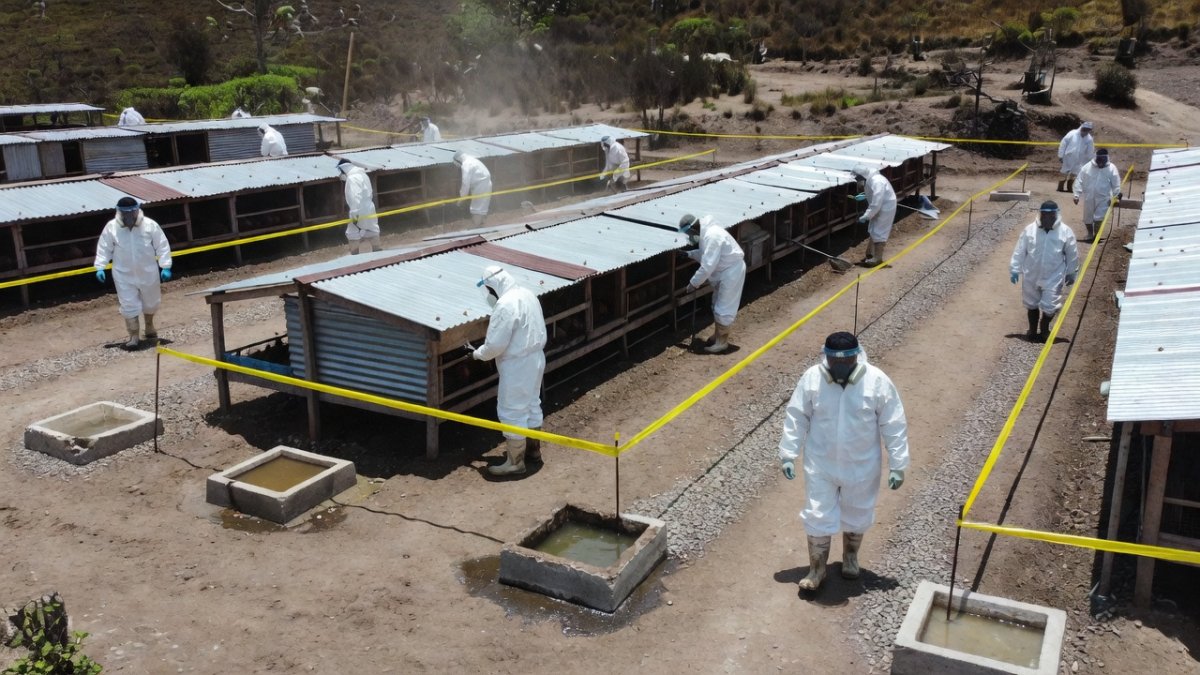
On July 13, 2026, Peru's SENASA declared a 90-day national sanitary emergency through Resolución Jefatural N.° 104-2026-MIDAGRI-SENASA-JN, confronting two isolated H5N1 detections in the Lima region. One struck a duck breeding operation in Carabayllo, while the second hit fighting roosters in San Vicente de Cañete, Cañete province. SENASA labeled these "casos aislados," yet the timing during peak migration season raised alarms across the country's coastal and highland communities. Small farmers in Cañete, many relying on gallos de pelea for supplemental income, faced immediate movement restrictions that severed local trade networks. The Ministry of Health, Minsa, simultaneously issued an epidemiological alert, urging vigilance among rural households where poultry often roam freely near homes. These detections, though contained, exposed vulnerabilities in Peru's biosecurity, particularly for Indigenous and mestizo families who integrate birds into daily subsistence. MIDAGRI coordinated with local mayors in Cañete for rapid response meetings, emphasizing that the virus travels via wild waterfowl along the Pacific flyway. The emergency declaration activated nationwide surveillance, directly affecting thousands of backyard operations that supply fresh eggs to Lima markets. SENASA assured consumers that chicken meat and eggs remain safe, with supply chains and exports continuing normally, yet the psychological toll on producers lingered as they awaited further testing results.
The Sanitary Response: Culling, Quarantine, and Surveillance
SENASA's response centered on sanitary culling, quarantine zones, enhanced surveillance, and stricter farm biosecurity protocols to contain the Lima outbreaks. Movement restrictions halted poultry transport between Carabayllo and Cañete, protecting commercial flocks while disrupting small-scale vendors who depend on weekly markets. Minsa reinforced the epidemiological alert, reminding the public that primary human risk stems from close contact with infected birds, with no widespread transmission reported. Citizens were directed to report unusual mortality immediately via 946 922 469 or [email protected], fostering community-level vigilance in rural districts. The #JuntosContraLaInfluenzaAviar campaign mobilized health authorities, SENASA technicians, and Cañete's mayor in joint working sessions, ensuring coordinated culling and disinfection. Peru notified WOAH through the WAHIS system, aligning with regional standards. These measures shielded export markets but placed heavy burdens on backyard owners lacking resources for enhanced fencing or disinfection. In Cañete's fighting-rooster community, families mourned lost cultural assets alongside economic losses. SENASA stressed that the isolated nature of cases allowed normal supply guarantees, yet the 90-day emergency underscored the need for sustained investment in surveillance across Peru's diverse ecosystems, from coastal wetlands to Andean valleys.
Chile's Ongoing Battle: 700,000 Birds Lost
Chile endured severe losses from March to May 2026, with over 700,000 domestic birds affected through deaths or culling across 22 foci in seven regions. Roughly 700 wild birds also perished, including endangered black-necked swans at the Santuario de la Naturaleza Río Cruces, which SAG closed to protect remaining populations. SAG and the Ministry of Agriculture activated strict protocols, detecting backyard poultry cases in Los Lagos region's Puyehue and the first wild bird case in Antofagasta in June 2026. These outbreaks devastated small farmers in Los Lagos, where poultry supplements diets in remote communities, while tourism around Río Cruces suffered from sanctuary closures. The scale—700,000 domestic birds—highlighted how H5N1 exploits gaps in backyard biosecurity, hitting Indigenous Mapuche households and commercial operations alike. SAG's rapid response contained spread but could not prevent ecosystem damage to seabirds and waterfowl along Chile's long coastline. Regional connectivity through wild bird flyways amplified risks, linking southern wetlands to northern deserts. Economic pressure mounted on families reliant on poultry as affordable protein, forcing shifts to costlier alternatives amid already strained household budgets.

Colombia's Emergency: Backyard Flocks and Border Risks
Early July 2026 brought Colombia's ICA confirmation of HPAI H5N1 in backyard poultry within Vichada department, prompting a national Estado de Emergencia Sanitaria. Non-commercial flocks bore the brunt, yet the Amazon biome location signaled broader migration threats from wild birds crossing into Brazil and Peru. ICA's declaration mobilized surveillance along porous borders, where smallholder families raise aves de traspatio for food security and cultural traditions. Vichada's remote communities, often Indigenous, faced movement bans that isolated markets and increased reliance on external supplies. The virus's arrival via hemispheric flyways connected Colombia's outbreak to Peru's Lima cases and Chile's southern losses, illustrating regional vulnerability. PANAVET coordination helped share protocols, but backyard operations with minimal biosecurity remained entry points. Economic threats loomed large, as poultry constitutes the main animal protein across Colombia's rural zones. ICA emphasized no commercial flock spillover yet, yet the emergency status reflected fears of wider dissemination through trade and migration corridors. Local producers reported heightened anxiety, with calls for support echoing from Vichada to urban centers dependent on steady egg supplies.
Ecuador's Different Path: Vaccination as Prevention
Ecuador avoided major 2026 outbreaks thanks to its late-2025 large-scale vaccination campaign that delivered over 56 million doses. AGROCALIDAD's proactive strategy, paired with participation in regional surveillance alongside Peru and Chile, demonstrated how prevention can blunt impacts. PAHO/OPS Ecuador promoted One Health messaging highlighting zoonotic risks, educating communities on safe handling without widespread alarm. This approach protected small farmers in the highlands and coast who rely on poultry for income and nutrition, contrasting sharply with neighboring culling-heavy responses. Ecuador's integration into PANAVET networks facilitated data sharing on wild bird movements, reducing cross-border surprises. Vaccination shielded commercial exports while preserving backyard flocks vital to Indigenous and rural households. PAHO's involvement reinforced that human risk remains low absent close contact, allowing focus on ecosystem protection for waterfowl. By investing early, Ecuador modeled resilience for Latin America, though ongoing surveillance remains essential as migration seasons intensify. The absence of new foci in 2026 underscored vaccination's role in safeguarding food security amid climate-linked shifts in bird patterns.
The Regional Dimension: Wild Birds, Trade, and Food Security
H5N1 has driven over 200 million bird deaths and culls globally, with Latin America now confronting hemispheric spread through wild bird migration flyways. Poultry serves as the primary animal protein source across the region, making outbreaks direct threats to household nutrition and small-farmer livelihoods from Vichada to Los Lagos. PANAVET coordinates responses among Peru, Chile, Colombia, and Ecuador, while PAHO and WHO apply One Health frameworks to monitor zoonotic potential. WOAH notifications via WAHIS ensure transparency for trade partners. Endangered species including black-necked swans and seabirds face heightened pressure, disrupting wetland ecosystems that support biodiversity and tourism. Economic fallout hits backyard operators hardest, as culling and restrictions sever income streams without adequate compensation. Trade implications ripple outward, though SENASA and ICA assurances aim to maintain export flows. Regional connectivity via the Amazon and Pacific corridors demands unified action, as isolated cases in Carabayllo or Puyehue can escalate rapidly. Food security hangs in balance for millions who cannot afford protein alternatives during prolonged emergencies.
The Bottom Line: Latin America at a Crossroads with Avian Influenza
Latin America stands at a crossroads as H5N1 risks becoming endemic, requiring strengthened surveillance, debated vaccination expansion, and upgraded biosecurity especially in vulnerable backyard systems. Peru's 90-day emergency, Chile's 700,000-bird toll, Colombia's Vichada alert, and Ecuador's successful 56-million-dose campaign reveal divergent paths with shared stakes. Weak protections in small operations expose families, Indigenous communities, and ecosystems to repeated shocks along migration routes. Human pandemic risk stays low yet demands vigilance through PAHO-guided One Health efforts. Regional bodies like PANAVET and WOAH provide coordination frameworks, but sustained political will and resources are essential to protect poultry as a cornerstone of food security. Without decisive action, future seasons could intensify losses across Carabayllo, Cañete, Río Cruces, and beyond, underscoring the urgent need for unified Latin American resilience against this evolving threat. By Elena Vasquez, Staff Writer
This article was produced with AI-assisted research and editorial support. Reporting is based on sources cited in the article.
What's Your Reaction?
 Like
0
Like
0
 Dislike
0
Dislike
0
 Love
0
Love
0
 Funny
0
Funny
0
 Wow
0
Wow
0
 Sad
0
Sad
0
 Angry
0
Angry
0

Latin America Correspondent at Global1.News. Based in Mexico City, covering politics, economics, energy, and culture across the region. Brings an on-the-ground perspective to stories spanning from the Rio Grande to Patagonia.















Comments (0)