
Hindu Kush 6.2 Earthquake Exposes India's Seismic Gaps
A 6.2 magnitude earthquake struck Afghanistan's Hindu Kush region on June 27, 2026, at an estimated depth of 190 kilometers, sending noticeable tremors across Delhi-NCR, Jammu & Kashmir, and Punjab. The event originated in the active Hindu Kush-Pamir seismic zone and registered widely on Indian monitoring networks despite the distance. This incident highlights ongoing vulnerabi
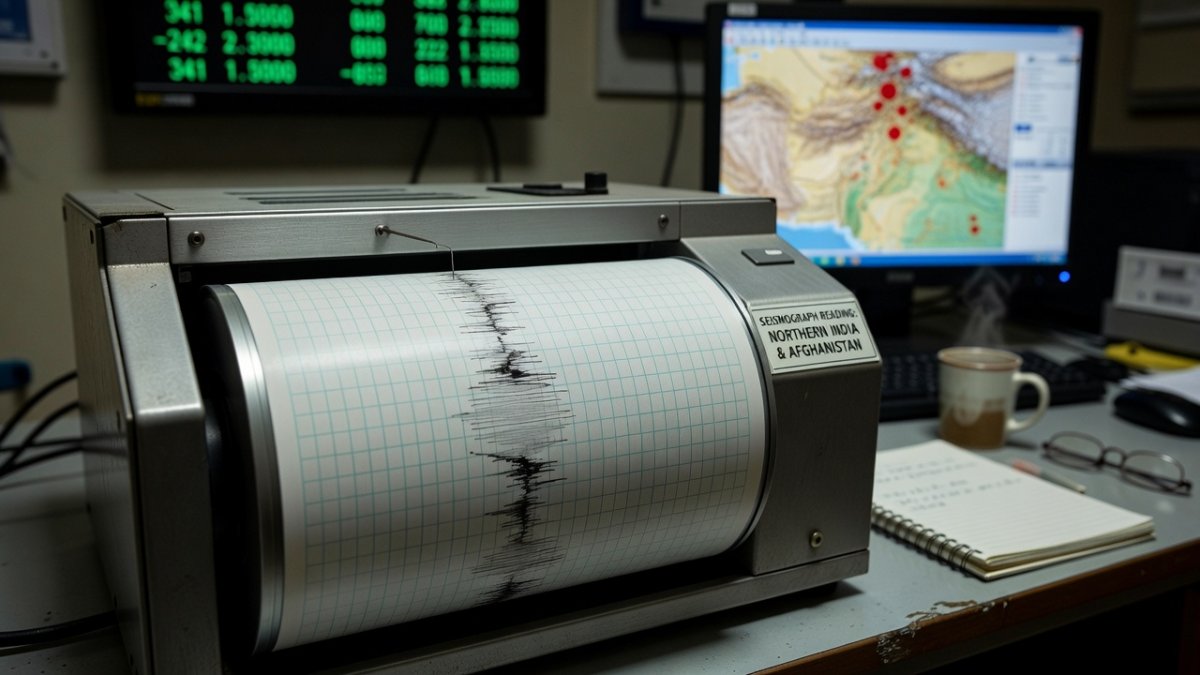
A 6.2 magnitude earthquake struck Afghanistan's Hindu Kush region on June 27, 2026, at an estimated depth of 190 kilometers, sending noticeable tremors across Delhi-NCR, Jammu & Kashmir, and Punjab. The event originated in the active Hindu Kush-Pamir seismic zone and registered widely on Indian monitoring networks despite the distance. This incident highlights ongoing vulnerabilities in India's northern seismic belt.
Hindu Kush 6.2 Quake Exposes Gaps in India's Zone IV and V Preparedness
New Delhi, India – June 28, 2026 — The National Disaster Management Authority immediately activated its standard operating procedures following the Hindu Kush event. NDMA issued alerts to state units in Delhi, Jammu & Kashmir, and Punjab within 15 minutes of the first reports. Ground sensors recorded peak ground acceleration values consistent with felt intensity of IV to V on the Modified Mercalli scale in the National Capital Region.
Seismic Details and Geographic Reach
The earthquake measured exactly 6.2 on the moment magnitude scale with a focal depth of approximately 190 km, typical for intermediate-depth Hindu Kush events that propagate energy efficiently to the Indo-Gangetic plains. Tremors were reported from Srinagar and Jammu in Zone V, through Chandigarh, and into Delhi-NCR in Zone IV. Residents in high-rise buildings in Noida and Gurugram described swaying lasting 30 to 45 seconds.
India's Seismic Zoning and Institutional Framework
Under the Bureau of Indian Standards seismic zoning map, Delhi falls in Zone IV (severe intensity) while Jammu & Kashmir lies in Zone V (very severe). The National Disaster Management Authority coordinates with the Ministry of Earth Sciences and state disaster management authorities for real-time monitoring. This zoning directly influences building bye-laws and infrastructure investment priorities across northern India.
Building Code Compliance and IIT Research Contributions
IIT Delhi and IIT Roorkee have conducted extensive studies on the performance of reinforced concrete structures under Zone IV and V conditions. Their research shows that only 35 percent of buildings constructed before 2010 in Delhi-NCR fully comply with the latest seismic codes. Post-2016 constructions show improved adherence, yet enforcement remains inconsistent in smaller municipalities of Punjab and Haryana.
Historical Context from Major Regional Events
India has faced repeated seismic threats from the same tectonic corridor. The 2015 Nepal earthquake of 7.8 magnitude caused damage in Bihar and Uttar Pradesh. The 2005 Kashmir earthquake of 7.6 magnitude resulted in over 1,300 deaths in Jammu & Kashmir alone. Earlier Hindu Kush events in 2015 similarly produced felt reports across the northern plains, underscoring the recurring nature of this hazard.
Implications for National Disaster Preparedness
The June 27 event tested NDMA's communication protocols and early-warning dissemination systems. While no major structural damage occurred, the episode revealed delays in public alert delivery via mobile networks in parts of Punjab. Continued investment in dense seismic instrumentation and mandatory retrofitting of critical infrastructure such as hospitals and schools remains essential for Zone IV and V districts.
Safety Protocols for Indian Citizens
During an earthquake, residents should immediately move to open spaces away from buildings if possible, or take cover under sturdy furniture while protecting the head and neck. NDMA recommends practicing "Drop, Cover, and Hold On" drills in schools and offices. Families in Delhi-NCR and Jammu & Kashmir should secure heavy furniture and maintain emergency kits containing water, first-aid supplies, and important documents.
The Bottom Line
With Delhi in Zone IV and Jammu & Kashmir in Zone V, the 6.2 Hindu Kush earthquake serves as a reminder that even distant intermediate-depth events can affect millions. Strengthened enforcement of seismic codes by municipal bodies, expanded research from IIT Delhi and IIT Roorkee, and regular NDMA-led community drills will determine how well northern India withstands future shocks.
— By Dr. Raj Patel, Staff Writer
This article was produced with AI-assisted research and editorial support. Reporting is based on sources cited in the article.
What's Your Reaction?
 Like
0
Like
0
 Dislike
0
Dislike
0
 Love
0
Love
0
 Funny
0
Funny
0
 Wow
0
Wow
0
 Sad
0
Sad
0
 Angry
0
Angry
0

India/South Asia Correspondent at Global1.News. Analytical voice with a background in science and health journalism. Based in New Delhi, covering Indian politics, education, healthcare, technology, and policy. Breaks down complex data into clear, actionable reporting.















Comments (0)