
AICS Bill Stalls in Congress Over Anti-Epal Provision — What This Means for Filipinos in Crisis
The Unexpected Delay in Passing the AICS Bill The bill that would have institutionalized the Assistance to Individuals in Crisis Situations program failed to clear Congress during the special sessions held on Wednesday, June 17. Senators and representatives could not reconcile their differences over one key clause, leaving the measure in limbo even though President Ferdinand Ma
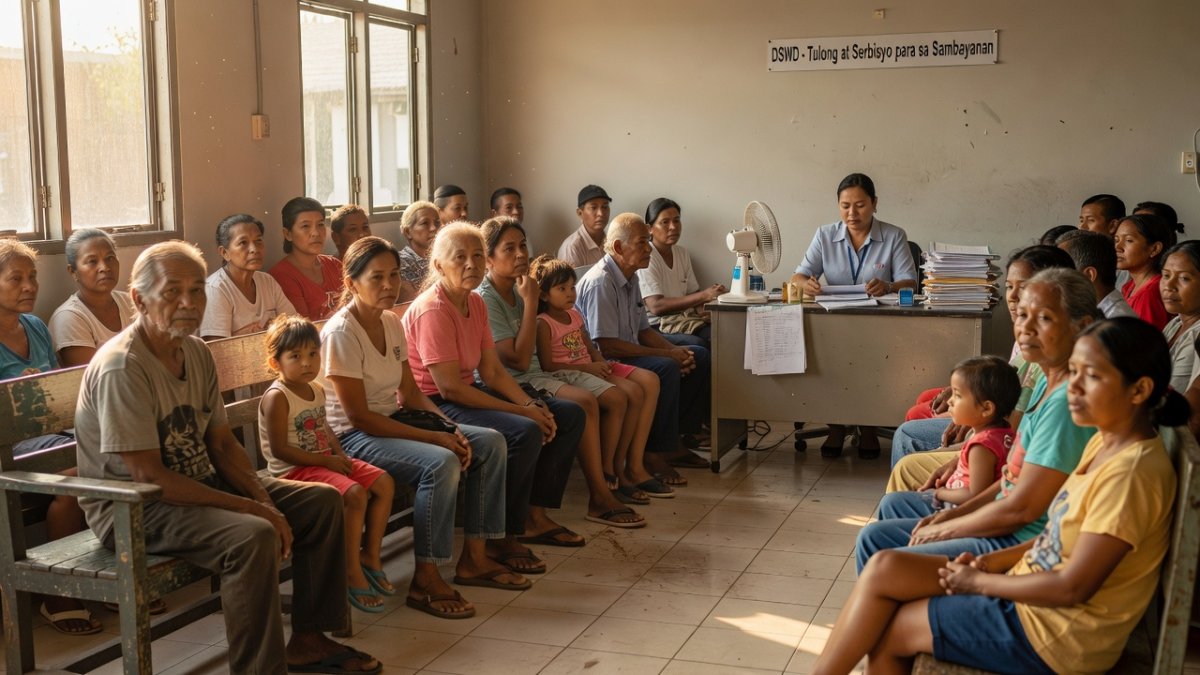
The Unexpected Delay in Passing the AICS Bill
The bill that would have institutionalized the Assistance to Individuals in Crisis Situations program failed to clear Congress during the special sessions held on Wednesday, June 17. Senators and representatives could not reconcile their differences over one key clause, leaving the measure in limbo even though President Ferdinand Marcos Jr. had listed it among his priority measures.
Ordinary Filipino families who turn to the Department of Social Welfare and Development for help during sudden hardships now face continued uncertainty. The program has long served as a stop-gap measure, offering support when life throws unexpected challenges at households in barangays across the country.
Understanding the Anti-Epal Provision at the Heart of the Dispute
Sen. Erwin Tulfo explained that the deadlock centers on Section 17, which bars elective officials, electoral candidates, politicians, political parties, or their representatives from influencing, attending, or participating in the actual distribution of cash assistance and other forms of aid. The provision makes an exception only for officials who hold direct administrative and executive authority over the DSWD.
Tulfo noted that House counterparts refused to sign the measure, saying they needed more time to study it. He expressed frustration that the clause simply prevents politicians from using DSWD-funded aid for their own visibility during distributions.
How This Affects Families Facing Crisis Situations
Filipino families in crisis often rely on AICS for immediate help with food, transportation, medical needs, education, or burial expenses. When aid distribution gets tangled in political concerns, the people waiting in line at local DSWD offices or barangay centers feel the impact most directly.
Jeepney drivers whose vehicles break down, sari-sari store owners whose stock is wiped out by fire, or parents facing sudden medical bills for their children all look to this program for relief. Delays in institutionalizing the rules mean these households continue to navigate an assistance system that remains open to questions about fairness.
Communities built on bayanihan spirit expect help to reach those who need it without extra layers of political involvement. The stalled bill leaves many kapitbahay wondering when clearer safeguards will finally be in place.
Sen. Erwin Tulfo's Push for Transparency in Aid Distribution
During the Senate plenary session, Tulfo delivered strong remarks about the lower chamber's decision not to move forward. He pointed out that the anti-epal clause exists precisely because aid comes from the DSWD and should not become a tool for election-related activities.
Tulfo, who previously served as DSWD secretary, has long advocated for these restrictions. He has also filed a separate Anti-Epal Act and called for strict enforcement of similar rules in the 2026 national budget to keep government assistance from being used for political campaigning.
The DSWD itself has issued repeated warnings about irregularities, including cases where local officials or other individuals allegedly took portions of the cash meant for beneficiaries. These concerns highlight why many ordinary citizens want distribution processes kept free from political participation.
The Road Ahead Through Bicameral Conference
Because the two chambers could not agree during the special sessions, the AICS bill must now go through the bicameral conference committee. Tulfo said the measure will be taken up after President Marcos delivers his State of the Nation Address in July.
The House of Representatives issued a statement claiming it had passed all priority measures requested by the President for the special session. Yet the disagreement over the anti-epal language means the bill remains unresolved for now.
This process will determine whether stronger protections against political involvement in aid distribution become law. Families and communities across the Philippines continue to watch how lawmakers balance these concerns with the urgent need for institutionalized crisis assistance.
What This Means for Communities Across the Philippines
In barangays from Luzon to Mindanao, the AICS program has provided a lifeline when crises strike without warning. The current stall means residents must keep relying on existing procedures while hoping the bicameral talks will produce a version that protects both access to aid and its impartial delivery.
Local government units and DSWD field offices will continue their work, but the absence of a finalized institutional framework leaves room for the same concerns that prompted the anti-epal provision in the first place. Ordinary Filipinos, from tricycle drivers to farmers and students, feel the effects when assistance meant for crisis relief risks becoming entangled in political dynamics.
The coming bicameral discussions offer a chance to settle these differences so that help reaches those who need it most, grounded in the spirit of service that defines many Philippine communities.
By Bella Reyes, Staff WriterThis article was produced with AI-assisted research and editorial support. Reporting is based on sources cited in the article.
What's Your Reaction?
 Like
0
Like
0
 Dislike
0
Dislike
0
 Love
0
Love
0
 Funny
0
Funny
0
 Wow
0
Wow
0
 Sad
0
Sad
0
 Angry
0
Angry
0

Philippines/Southeast Asia Correspondent at Global1.News. Manila-based journalist covering Philippine politics, environment, maritime security, and social issues. Passionate about marine conservation and the communities protecting the Philippines' natural heritage.














Comments (0)