
Senate Majority Confirms No Deals Offered to Villanueva, Escudero After Leadership Shift Seats Gatchalian as Senate President
The ANC 24/7 report on June 18, 2026, showed the immediate aftermath of the Senate leadership vote held the previous day inside the Senate building in Pasay City, where Senator Sherwin Gatchalian secured the Senate presidency during a special session called by President Ferdinand Marcos Jr. The footage captured senators addressing questions about how the 13th vote was obtained,
The ANC 24/7 report on June 18, 2026, showed the immediate aftermath of the Senate leadership vote held the previous day inside the Senate building in Pasay City, where Senator Sherwin Gatchalian secured the Senate presidency during a special session called by President Ferdinand Marcos Jr. The footage captured senators addressing questions about how the 13th vote was obtained, with the majority bloc publicly declaring that no deals were offered to Senators Joel Villanueva or Francis Escudero to switch sides. The declaration set the tone for the new leadership era, emphasizing that the transition occurred without committee chairmanships, staff positions, or other concessions changing hands behind closed doors.
Senate Elects Gatchalian President After Four Leadership Shifts in a Year
Manila, Philippines — June 18, 2026 — Senator Sherwin Gatchalian of Valenzuela City was elected Senate President on June 17, 2026, ending a two-week standoff that paralyzed legislative work in the 20th Congress. The special session at the Senate building in Pasay City ran from 10 a.m. to 2:30 p.m. and produced a 13-0 vote after Senator Juan Miguel Zubiri nominated Gatchalian. All senators present, including Senator Francis Pangilinan, cast unanimous ballots, marking the fourth leadership change since the Congress opened. This rapid turnover has left ordinary Filipinos waiting for action on stalled bills that directly touch their daily lives in provinces from Batanes to Tawi-Tawi.
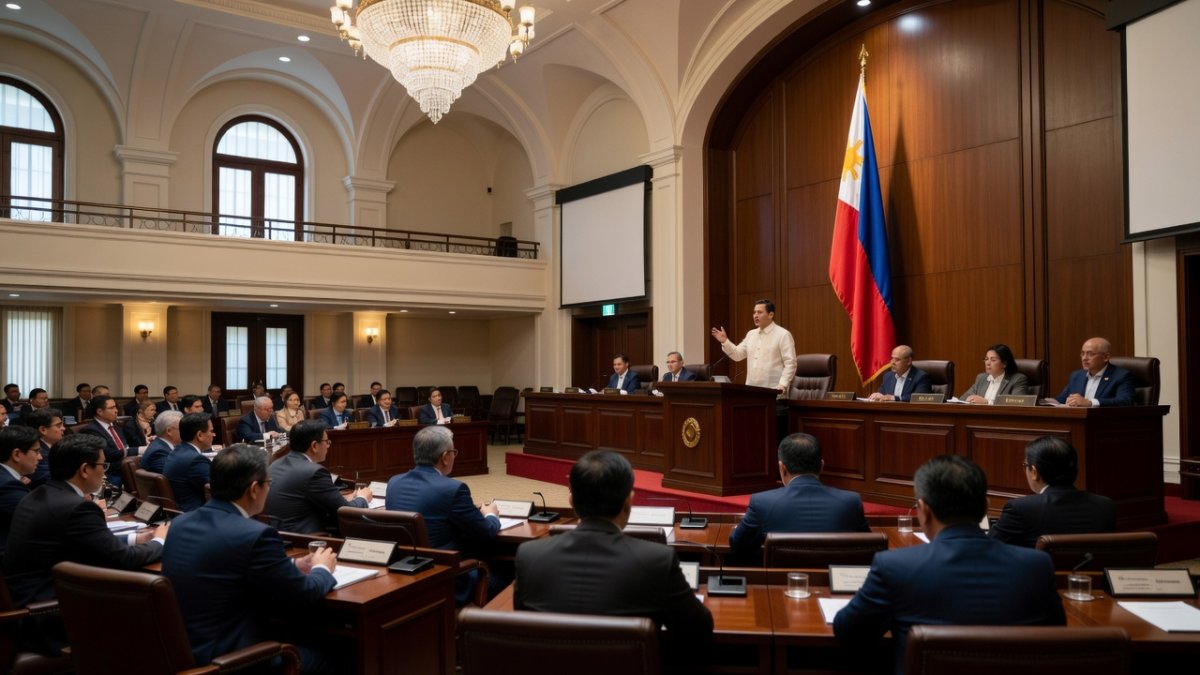
The Special Session Vote on June 17 — Gatchalian Formally Elected
The Senate convened its special session on June 17 inside the Pasay City building at 10 a.m. under the call of President Ferdinand Marcos Jr. Senator Juan Miguel Zubiri placed Sherwin Gatchalian’s name in nomination, and the roll call produced exactly 13 affirmative votes with no abstentions. Senator Francis Pangilinan confirmed the unanimous tally before the session adjourned at 2:30 p.m., formally closing the two-week leadership standoff that had halted all floor proceedings since early June. The vote restored a working majority and allowed the chamber to resume its constitutional duties without further delay.
Filipino citizens watching the live broadcast from homes in Quezon City and Cebu City saw the immediate relief on the faces of Senate staff who had been placed on reduced hours during the impasse. The 13-vote margin reflected careful coordination among the majority bloc and ended weeks of uncertainty that had frozen confirmation hearings for military officers and other appointees. Analysts note that such swift resolution matters because prolonged Senate paralysis directly delays funding releases for local government projects in provinces like Bukidnon and Sorsogon.
No Deals Declared by the Majority Bloc
Majority bloc senators publicly stated that neither Senator Joel Villanueva nor Senator Francis Escudero received committee chairmanships, staff positions, or any other promises in exchange for their support. Senator JV Ejercito served as the bridge between camps and repeatedly denied that any negotiations occurred behind closed doors. Senator Panfilo Lacson praised the statesmanship displayed by all parties, noting that the transition preserved institutional dignity without the usual horse-trading that has marked past leadership fights in the Philippine Senate.
This transparent approach stands in contrast to earlier Senate transitions that often involved last-minute committee swaps affecting pork barrel allocations for districts in Mindanao and the Visayas. For jeepney drivers in Manila’s EDSA corridor and sari-sari store owners in rural barangays, the absence of backroom deals signals that legislative priorities may now focus on substantive measures rather than patronage. The declaration reinforces public trust at a time when many Filipinos question whether political deals truly serve community needs.
Escudero’s Earlier Switch on June 3
Senator Francis Escudero’s defection from the Cayetano bloc on June 3 proved decisive. His move allowed Gatchalian to declare all Senate positions vacant and triggered the chain of events that culminated in the June 17 vote. Escudero is now being considered to serve as presiding officer should the impeachment trial of Vice President Sara Duterte proceed. At the same time, he continues to face a P586 million plunder complaint pending before the Office of the Ombudsman in Quezon City.
Residents in Samar province, Escudero’s home region, have followed these developments closely because Senate stability affects infrastructure funding for the San Juanico Bridge maintenance and local flood control projects. The Ombudsman case adds another layer of scrutiny that could influence how the new leadership organizes committee work. Filipino voters expect the Senate to balance political maneuvering with the delivery of concrete services that improve daily life in provinces still recovering from recent typhoons.
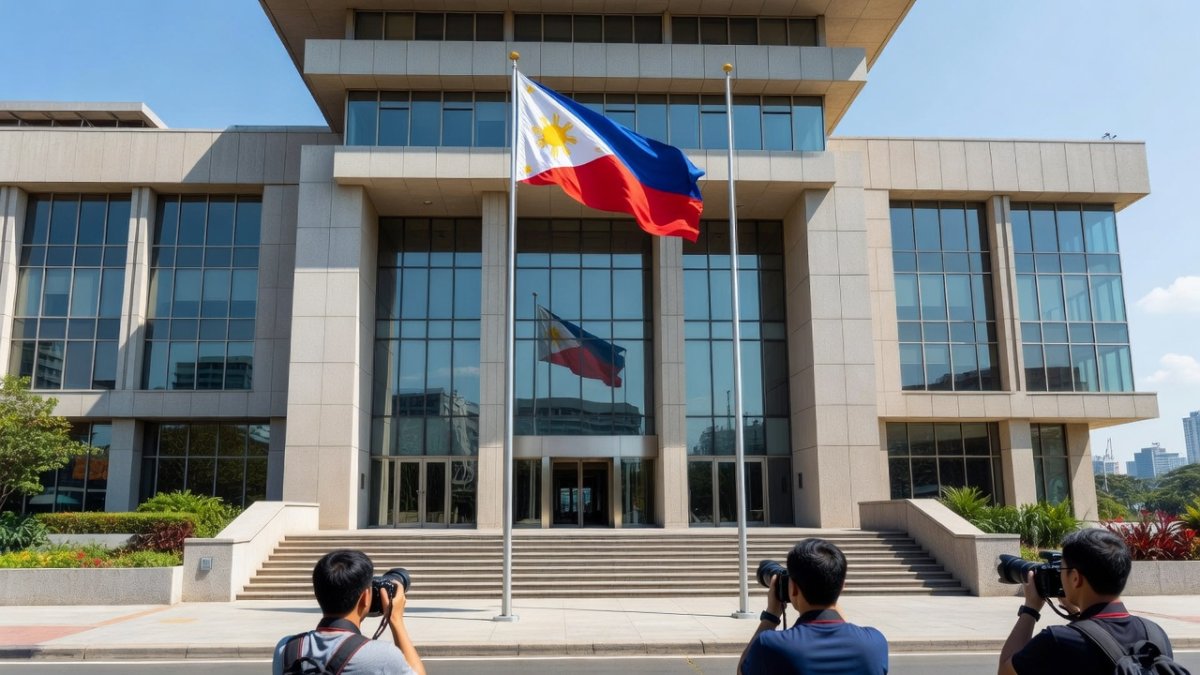
Cayetano’s Concession and Supreme Court Petition
Senator Alan Peter Cayetano conceded the presidency before the June 17 session began and stated he held no grudge against his colleagues. He accused Malacañang of undue interference in the internal Senate process. The minority bloc now includes Senators Loren Legarda, Pia Cayetano, Bong Go, Rodante Marcoleta, Imee Marcos, Robin Padilla, Camille Villar, Mark Villar, and Mark Villar, while Senator Jinggoy Estrada remains under arrest and Senator Ronald dela Rosa is reportedly in hiding. A Supreme Court petition filed by the minority remains active and could still alter the outcome.
These legal and political uncertainties directly affect the pace of lawmaking that impacts farmers in Nueva Ecija waiting for rice tariff adjustments and students in public universities seeking increased scholarship funds. The continued existence of the Supreme Court case keeps the possibility of another disruption alive, reminding citizens in every barangay that Senate leadership fights carry real consequences for household budgets and community development programs.
Villanueva’s “Trabaho Na Tayo” Message
Senator Joel Villanueva’s defection supplied the crucial 13th vote and came with a simple public message: “Trabaho na tayo.” He emphasized that his sole intention was to allow the Senate to return to its legislative duties without further delay. Villanueva’s statement resonated with many Filipinos who have grown weary of prolonged political theater that stalls the passage of measures affecting wages, transportation, and social services across the archipelago.
His call for immediate work aligns with the needs of overseas Filipino workers’ families in Batangas and Ilocos Norte who rely on timely remittance-related legislation. By focusing on output rather than position, Villanueva signaled a shift toward productivity that could benefit small business owners struggling with regulatory backlogs in cities like Davao and Bacolod. The message underscores why Senate stability remains a daily concern for millions of ordinary citizens.
Stalled Measures Resume
With Gatchalian’s election, several measures blocked on final reading can now move forward. Confirmation of military generals by the Commission on Appointments had been suspended, leaving key Armed Forces of the Philippines leadership positions in limbo. Citizenship grants for athletes such as Bennie Boatwright III and other naturalization applicants were also stalled, affecting national sports programs preparing for upcoming international competitions.
The resumption of Commission on Appointments work will directly influence the deployment of new base commanders in regions like Zamboanga and Cagayan, where local communities depend on stable security arrangements. Student-athletes awaiting citizenship decisions can now plan their training schedules with greater certainty. These concrete outcomes illustrate how Senate leadership changes ripple outward to touch defense readiness and athletic excellence that represent national pride for Filipinos everywhere.
Fourth Leadership Change in Under a Year
The June 17 vote marks the fourth Senate presidency change in less than a year, following the sequence of Escudero, Sotto, Cayetano, and now Gatchalian. This pattern of instability within the 20th Congress has raised concerns about legislative continuity and the chamber’s ability to complete its agenda before the next elections. Observers in the academic community at the University of the Philippines note that such frequent shifts disrupt committee work and delay the refinement of bills that require sustained attention.
For families in provinces such as Capiz and Agusan del Sur, repeated leadership changes translate into postponed hearings on agricultural subsidies and disaster preparedness funding. The lack of continuity undermines the Senate’s role as a stabilizing institution in Philippine democracy. Citizens expect their elected representatives to prioritize consistent governance that delivers predictable results rather than repeated internal power struggles.
New Leadership Lineup
Senator Juan Miguel Zubiri assumes the role of Majority Leader while Senator Vicente Sotto III returns as Senate President Pro Tempore. A comprehensive committee reshuffle is expected in the coming weeks, with particular attention focused on the Blue Ribbon Committee chairmanship. These new assignments will determine which senators oversee investigations into government spending and corruption cases that have long concerned taxpayers in Metro Manila and beyond.
The reorganization will also affect oversight of agencies responsible for health services in remote areas of Palawan and the Cordillera. Filipino communities watch these developments closely because committee leadership often decides which local projects receive priority funding. Stable and transparent leadership structures remain essential for ensuring that national resources reach the barangays where they are most needed.
Human Impact on Everyday Filipinos
The two-week Senate standoff delayed salaries for Senate employees in Pasay City and reduced foot traffic for food vendors operating near the Senate building. Military families in Clark and Subic waited longer for confirmation-related benefits, while student-athletes like those connected to the Philippine national teams faced uncertainty over citizenship timelines. Farmers in rice-producing regions such as Isabela experienced postponed deliberations on tariff measures that influence market prices.
Jeepney drivers along Commonwealth Avenue and sari-sari store owners in provincial towns felt the indirect effects through stalled regulatory reforms. These real-world consequences demonstrate why Senate leadership stability is not merely an internal political matter but a daily concern for millions of Filipinos whose livelihoods depend on consistent legislative progress. The human stories behind each delayed bill underscore the need for steady governance that centers community welfare.
What Comes Next
Regular sessions are scheduled to resume on June 23, 2026, allowing the Senate to tackle its backlog. The pending Supreme Court petition could still create further disruption, while the timing of any impeachment trial involving Vice President Sara Duterte remains unclear. Committee assignments will be finalized in the next several days, setting the tone for oversight work through the remainder of the year.
Long-term questions about institutional stability continue to concern citizens who want predictable legislative output on issues ranging from inflation control to infrastructure development in Mindanao. Filipinos across the country will monitor whether the new Gatchalian leadership can deliver the continuity needed to address pressing national challenges. The coming weeks will reveal whether this latest transition finally brings the sustained focus that communities from Luzon to the Visayas have been seeking.
By Bella Reyes, Staff WriterThis article was produced with AI-assisted research and editorial support. Reporting is based on sources cited in the article.
What's Your Reaction?
 Like
0
Like
0
 Dislike
0
Dislike
0
 Love
0
Love
0
 Funny
0
Funny
0
 Wow
0
Wow
0
 Sad
0
Sad
0
 Angry
0
Angry
0

Philippines/Southeast Asia Correspondent at Global1.News. Manila-based journalist covering Philippine politics, environment, maritime security, and social issues. Passionate about marine conservation and the communities protecting the Philippines' natural heritage.












Comments (0)