
OCTA Survey: Inflation Tops Filipino Concerns Amid Graft
OCTA Research survey finds inflation remains top Filipino concern at 37%, down from 45% in March, as concern over graft and corruption surges to 32% amid the Senate impeachment trial and high-profile arrests. Cost-of-living issues continue to dominate national outlook alongside growing demands fo...
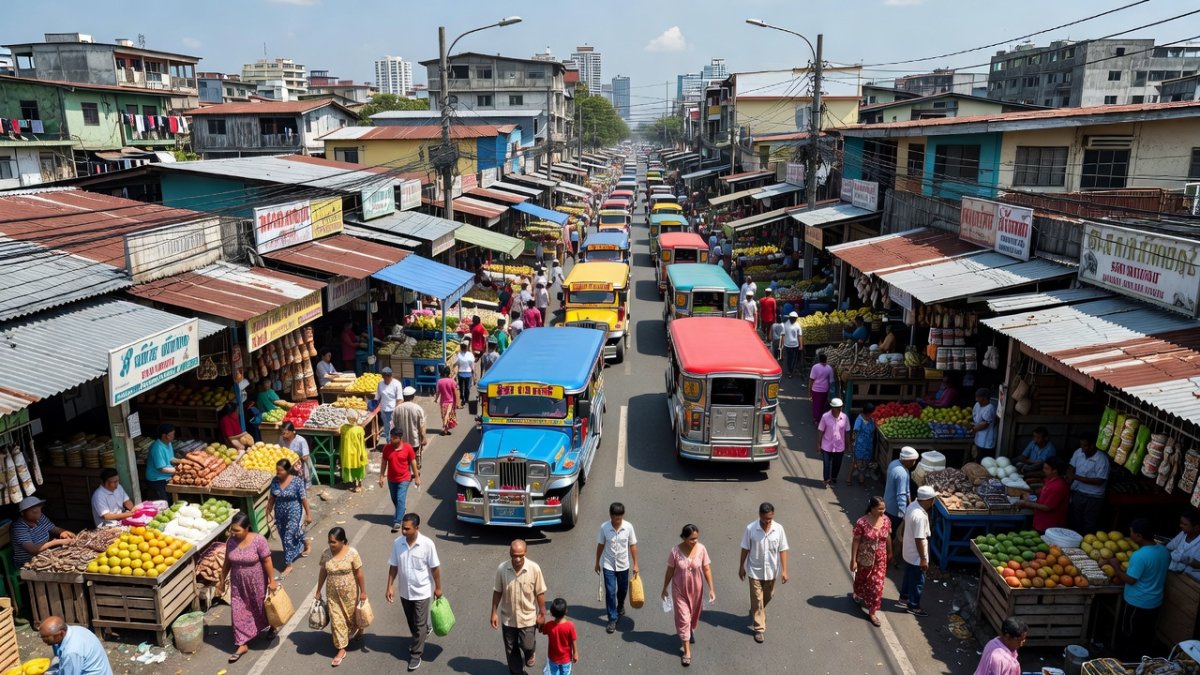
As Filipinos continue to feel the pinch at sari-sari stores and jeepney stops while headlines about high-profile graft cases dominate conversations, a fresh OCTA Research survey captures how these pressures are reshaping national priorities in real time.
Survey Reveals Deepening Public Frustration Over Prices and Accountability
Manila, Philippines — The OCTA Research survey results released this week capture how economic and governance concerns are reshaping national priorities in real time.
Inflation Remains the Leading National Worry Despite Drop
The latest OCTA Research survey shows that 37 percent of adult Filipinos see controlling the increase in prices of basic goods and services as the most urgent issue for the Marcos administration to address. This figure is down eight percentage points from 45 percent in March. Even with the decline, inflation stayed the top national concern, highlighting how cost-of-living pressures continue to weigh on Filipino households across the country.
Ordinary families feel these pressures every day when they visit the sari-sari store or ride the jeepney to work. The survey underscores that economic issues still dominate public priorities, affecting workers, farmers, and students who must stretch limited budgets amid rising costs.
Workers Wages and Salaries Hold Steady as Second Priority
Improving workers wages and salaries ranked as the second most urgent concern at 34 percent, up slightly from 33 percent in the previous quarter. Together with inflation concerns, these findings point to how economic and cost-of-living issues shape the daily lives of millions of Filipinos, from tricycle drivers in the provinces to office employees in Metro Manila.
Local government units and barangay captains often hear these complaints during community meetings. The data reflects the ongoing struggle of ordinary people to secure better pay while prices for food and transport keep climbing.
Corruption Concern Climbs to Third Place Amid Governance Issues
Concern over fighting graft and corruption rose six percentage points from 26 percent to 32 percent, placing it third among national concerns. This shift reflects heightened public attention to issues of transparency, accountability, and integrity in government, coinciding with major political developments such as the Senate impeachment trial of Vice President Sara Duterte and the arrest of Sen. Rodante Marcoleta on plunder charges, as the source text notes.
Filipinos across communities watch these events unfold and connect them to broader questions about how public funds are managed. The rise in corruption concerns shows how governance matters directly touch the trust of citizens who rely on fair use of resources for services like health and education. The six-point rise to 32 percent signals a clear shift in how Filipinos perceive governance failures at the highest levels, placing corruption ahead of several long-standing issues and showing that voters are no longer willing to separate daily economic pain from questions of accountability.
At the barangay level, residents now link missing flood-control funds or delayed infrastructure projects directly to the same officials facing national scrutiny. Community meetings once focused only on potholes now include demands for receipts and audits, tightening the connection between Manila decisions and neighborhood realities.
Other Key Concerns Include Education, Food Access, and Poverty Reduction
Providing free quality education rose from 17 percent to 22 percent as a concern, while reducing poverty fell sharply from 20 percent to 12 percent, the lowest level since the survey series began. Access to affordable food stood at 24 percent, fighting illegal drugs at 16 percent, fulfilling the promise to lower rice prices at 14 percent, creating more jobs at 14 percent, providing assistance to the poor at 10 percent, and reducing taxes at 10 percent.
These priorities affect students hoping to finish school, farmers dealing with rice prices, and families seeking stable jobs. The Department of Education and local efforts in barangays play key roles in addressing education needs, while cost-of-living issues hit sari-sari store owners and jeepney operators hardest.
The sharp drop in poverty-reduction concern from 20 percent to 12 percent presents a paradox. While fewer respondents listed it as urgent, this decline may indicate resignation rather than improvement, as families accept that systemic change feels distant. At the same time, the rise in education access to 22 percent reveals that parents still view schooling as the clearest path out of hardship, even when daily budgets are tight.
Personal Concerns Center on Health, Food Security, and Financial Resilience
On the personal level, staying healthy and avoiding illness remained the foremost concern at 65 percent, slightly down from 67 percent in March. Having enough food every day followed at 47 percent, while having savings and securing a stable, well-paying job tied at 41 percent. Finishing school or providing education for children stood at 38 percent, owning a house and lot at 36 percent, and avoiding becoming a victim of serious crime at 32 percent.
These personal priorities show how health, food security, and financial stability shape the outlook of Filipino households. During times like Pasko or community fiestas, families draw on bayanihan spirit to support one another amid these challenges. Filipino families juggle these priorities through careful weekly budgeting that often starts with setting aside money for medicines before buying extra ulam, and an OFW remittance arriving mid-month can cover a child's tuition or a parent's check-up, yet the same money must stretch to cover rising electricity bills and jeepney fares.
The bayanihan spirit still fills gaps when formal support falls short. Neighbors pool resources for a sick child's hospital transport or share harvested vegetables during lean weeks, and local initiatives such as community pharmacies and livelihood training programs help ease pressure on household savings. When a barangay health worker conducts free blood-pressure checks or a cooperative offers small loans for school uniforms, families gain breathing room.
What This Means for the Marcos Administration
The survey findings arrive weeks after President Marcos delivered his State of the Nation Address, where inflation control and anti-corruption measures featured prominently. The continued top ranking of price concerns alongside the sharp rise in graft worries indicates that the public expects concrete follow-through rather than repeated pledges. Wage reforms mentioned in the SONA must now compete with visible efforts to prosecute high-profile cases if the administration hopes to regain ground in public confidence.
Balancing these priorities requires careful sequencing. Immediate relief on rice and fuel prices can ease household budgets, yet sustained progress on corruption investigations will determine whether voters believe the government is serious about accountability. Failure to deliver on either front risks further erosion of trust, especially as midterm election discussions begin to surface in local communities.
Ultimately, the data shows that Filipinos are watching both economic indicators and governance actions in tandem. The Marcos administration must demonstrate that inflation measures, wage adjustments, and anti-corruption drives are connected parts of one coherent response, or risk seeing these concerns harden into lasting political discontent ahead of future electoral tests.
Survey Context and Human Impact on Daily Filipino Life
The survey, conducted from July 4 to 11 through face-to-face interviews with 1,200 Filipinos aged 18 and above, carries a plus or minus three percentage point margin of error at the 95 percent confidence level. It took place amid events including the opening of the Senate impeachment trial, the arrest of a senator, rising fuel prices due to Middle East conflict, higher electricity rates, and the release of the June inflation report, as the source text notes.
While the survey does not establish direct links between these events and opinion shifts, it situates findings in the national context. For ordinary people in provinces and cities, these concerns translate to real decisions about budgeting for meals, school supplies, and medical needs. The results indicate that cost-of-living and governance issues continue to influence national outlook, while health and financial resilience stay central to household priorities.
The Bottom Line
For ordinary Filipinos, the survey underscores that daily struggles with prices, wages, and access to basic services remain tightly linked to demands for honest governance, leaving households to navigate tough choices between immediate survival and longer-term hopes like education.
Community-level efforts and the enduring bayanihan spirit continue to provide some relief, yet sustained national progress will depend on whether leaders translate public concerns into visible actions that restore both economic relief and institutional trust.
By Bella Reyes, Staff WriterThis article was produced with AI-assisted research and editorial support. Reporting is based on sources cited in the article.
What's Your Reaction?
 Like
0
Like
0
 Dislike
0
Dislike
0
 Love
0
Love
0
 Funny
0
Funny
0
 Wow
0
Wow
0
 Sad
0
Sad
0
 Angry
0
Angry
0

Philippines/Southeast Asia Correspondent at Global1.News. Manila-based journalist covering Philippine politics, environment, maritime security, and social issues. Passionate about marine conservation and the communities protecting the Philippines' natural heritage.














Comments (0)