
The Notorious Prison That Found Its Voice Through Music
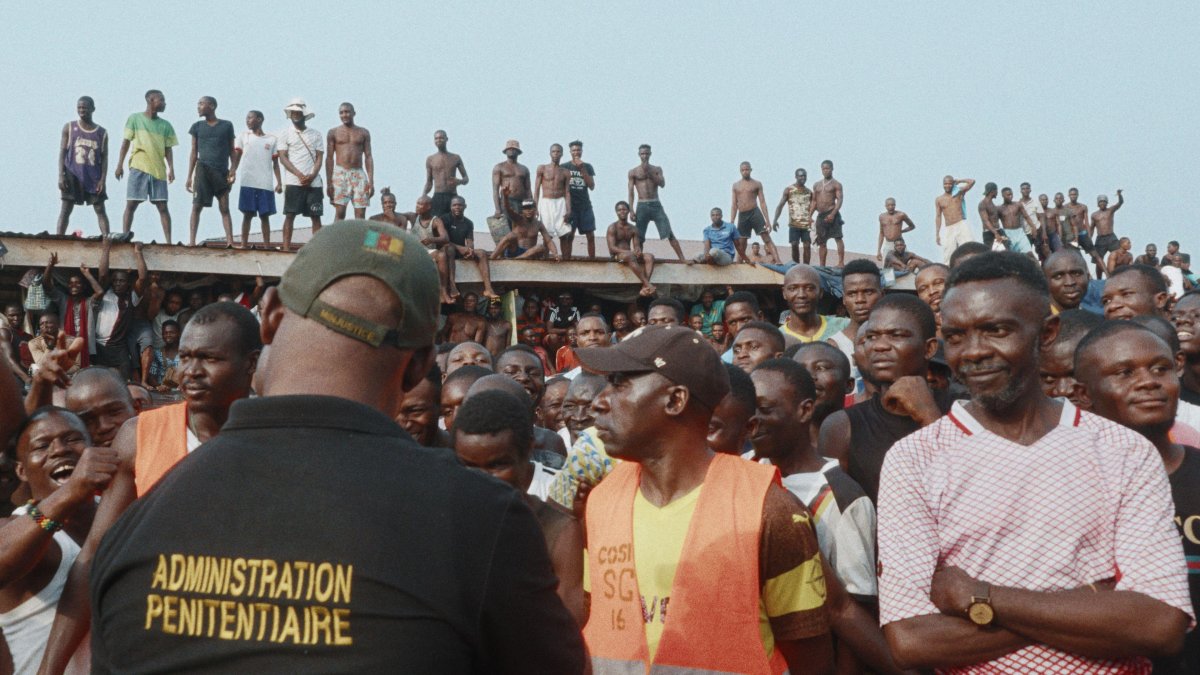
In the dim corridors of New Bell prison in Douala, Cameroon, where 4,700 men and women live in space meant for far fewer, the steady beat of a drum machine cuts through the heat. Inmates gather around a makeshift studio, voices rising in harmony as they lay down tracks that speak of loss, defiance, and unexpected freedom.

The Notorious Prison That Found Its Voice Through Music
Douala, Cameroon — Article continues...
The Overcrowded Reality Inside New Bell
New Bell prison in Douala holds 4,700 prisoners, four times its intended capacity. Reports describe unsanitary conditions that contributed to a cholera outbreak which killed six inmates four years ago. Human Rights Watch has documented the overcrowding and poor facilities over many years. In 2008, guards shot 16 inmates dead during an attempted breakout, an event that still shapes discussions on prison security across the region. New Bell’s overcrowding is not an isolated statistic. Human Rights Watch reports from the past decade describe cells built for 800 people now holding more than four times that number, with limited access to clean water or medical care. The cholera outbreak that killed six inmates in 2022 followed years of documented sanitation failures, including overflowing latrines and standing water during rainy season. The 2008 breakout attempt, in which guards killed 16 men, still surfaces in regional discussions about the lethal mix of desperation and inadequate oversight. Similar pressures exist across West Africa. Senegal’s prisons have operated well above capacity for years, prompting the 2019 prison reform law that aimed to expand alternatives to detention and improve living standards. Yet implementation has been slow, and advocates note that pretrial detention remains common for minor offenses. Conversations at ECOWAS meetings increasingly focus on decongesting facilities through community sentencing and faster case processing, recognizing that overcrowding fuels both health crises and unrest. These regional patterns make the New Bell project more than a music initiative. By creating a structured activity inside the facility, Jail Time Records offers one modest pressure valve while larger reforms lag. Observers in Dakar watch closely, aware that any lasting improvement will require sustained attention to infrastructure and judicial backlogs rather than creative programs alone.
How Jail Time Records Took Shape
Jail Time Records began in 2018 as an on-site music studio and label inside the prison. Italian artist Dione Roach and former inmate Steve Happi co-founded the project. Steve Happi had been imprisoned after a family dispute over his late father's body, with his aunt, a high court judge, allegedly involved in his detention. He was acquitted two years later. Half of the album profits go directly to the artists while the other half supports the label's operations.
Artists Finding Their Voice Behind Bars
Empereur, a feared gang leader, has become one of the label's most successful artists. His music video for "Sa Ngando" has reached 24,000 views on YouTube, filmed entirely within the prison walls. Stone, a former soldier in Cameroon's presidential guard, serves a 10-year sentence for robbery and illegal firearm possession and maintains his innocence. Jeje, the first female artist signed to Jail Time Records, records Afrobeats from the women's wing after being jailed following a theft from an allegedly abusive uncle. Jeje’s path to the studio reflects patterns seen across West African women’s prisons. After stealing from an uncle she described as abusive, she entered a system that offers few protections for survivors of domestic violence. Many women arrive with similar stories—economic desperation, family disputes, or survival choices that the courts treat as straightforward crimes. Once inside, they face added layers of vulnerability: limited access to feminine hygiene supplies, separation from children, and higher rates of illness in facilities designed around male populations. Rehabilitation efforts in Senegal have begun to address these gaps. Several Dakar facilities now run small vocational programs focused on tailoring and food processing, aiming to reduce the economic pressures that often lead women back to prison. Yet funding remains inconsistent, and cultural stigma makes reintegration difficult once sentences end. Jeje’s recordings of Afrobeats from the women’s wing therefore carry extra weight; they document not only her own experience but the broader absence of support systems that might have kept her out of custody. Her presence on the label also highlights how creative outlets can intersect with these structural needs. While music cannot replace legal aid or post-release housing, it provides a rare public platform. Senegalese listeners familiar with women’s roles in griot traditions may hear in Jeje’s tracks the same insistence on being heard that has long marked female voices in the region’s music.
Music as Resistance and Healing Across West Africa
In Senegal, the griot tradition has long used song and story to challenge power and preserve memory. That same spirit appears in the hip-hop galsen scene of Dakar, where young artists turn personal hardship into public commentary. The work at New Bell mirrors these practices, offering inmates a way to process trauma and assert dignity. Prison reform conversations in West Africa often highlight how creative programs can reduce tension inside facilities while giving voice to those society has set aside. Across West Africa, music has long served as both shield and witness inside prison walls. In Mali and Niger, griots once carried messages between captives and their communities, turning songs into coded appeals for justice or mercy. That same current runs through Senegal’s history, where traditional praise singers used subtle lyrics to critique rulers without inviting direct punishment. Today, artists like Didier Awadi and Xuman continue the practice, weaving political commentary into hip-hop tracks that reach listeners far beyond Dakar’s markets. Their work shows how rhythm can hold space for dissent when other avenues close. Jail Time Records sits squarely inside this lineage. The New Bell studio gives inmates the same tools griots once used—voice, memory, and melody—to transform personal hardship into shared testimony. When Empereur or Stone record verses about betrayal and endurance, they echo the Sahel’s long tradition of the marginalized turning sound into survival. The label’s decision to split profits and keep operations inside the prison further mirrors older communal models, where music belonged to the group rather than any single star. Listeners in Senegal often recognize these echoes immediately. The steady pulse behind the tracks recalls mbalax gatherings where stories of migration and loss were sung under open skies. By placing recording equipment in a Cameroonian cellblock, the project extends that regional conversation, reminding audiences that the same cultural resources used to challenge power outside can also create small pockets of dignity within.
Documentary Success and Regional Growth
The documentary "Jail Time Records," directed by Steve Happi and Dione Roach over six years, won three prizes at the Tribeca Film Festival, including Best Documentary Feature. Taika Waititi and Rita Ora served as executive producers. The label has since expanded to a prison in Ouagadougou, Burkina Faso. The prison head attended this year's concert and danced with performers, a moment noted by observers as a rare point of connection between staff and inmates. The new studio inside Ouagadougou’s prison arrives at a moment when the Sahel faces acute security and governance strains. Burkina Faso’s facilities, like those in neighboring Mali and Niger, contend with both overcrowding and the ripple effects of conflict-related detentions. Introducing a music program in this setting signals an attempt to create non-violent channels for expression amid rising tensions. The prison director’s decision to join this year’s concert and dance with inmates marked a small but visible shift in the usual distance between staff and those held. For other African countries considering similar models, the Jail Time approach offers a low-cost way to reduce internal friction while generating modest income for participants. Regional justice ministries have discussed creative rehabilitation during recent African Union gatherings, noting that purely punitive environments often deepen resentment. By expanding beyond Cameroon, the label tests whether the same framework can adapt to different legal systems and cultural contexts. Still, observers caution that music programs work best alongside concrete reforms—speedier trials, better healthcare, and realistic release planning. The Ouagadougou experiment will likely be measured not only by concert attendance but by whether it contributes to longer-term changes in how the region manages incarceration.
Connections to Senegal's Cultural Landscape
Senegal's music traditions, from Youssou N'Dour's mbalax rhythms to the raw energy of hip-hop galsen, have always served as tools for healing and resistance. When inmates at New Bell record their stories, they echo the griot role of bearing witness. Senegalese listeners may recognize in these tracks the same themes of endurance that surface in local songs about migration, justice, and family. Prison reform efforts in Senegal and neighboring countries could draw lessons from this model, though outcomes remain uncertain and require careful local adaptation.
Questions That Remain
While the label provides income and recognition for some artists, the underlying conditions at New Bell continue to draw concern from human rights groups. The project shows how music can create small spaces of agency inside restrictive environments, yet broader structural change across West African prisons still lies ahead. Observers in Senegal watch these developments with interest, mindful that cultural expression alone cannot replace needed improvements in justice systems.
By Amara Diop, Staff Writer
This article was produced with AI-assisted research and editorial support. Reporting is based on sources cited in the article.
What's Your Reaction?
 Like
0
Like
0
 Dislike
0
Dislike
0
 Love
0
Love
0
 Funny
0
Funny
0
 Wow
0
Wow
0
 Sad
0
Sad
0
 Angry
0
Angry
0

West Africa/Sahel Correspondent at Global1.News. Dakar-based journalist covering politics, security, climate, and development across Francophone and Anglophone West Africa. Tells the stories of a region undergoing profound transformation.















Comments (0)