
Oil Spill Strains Trinidad-Venezuela Ties in Gulf of Paria
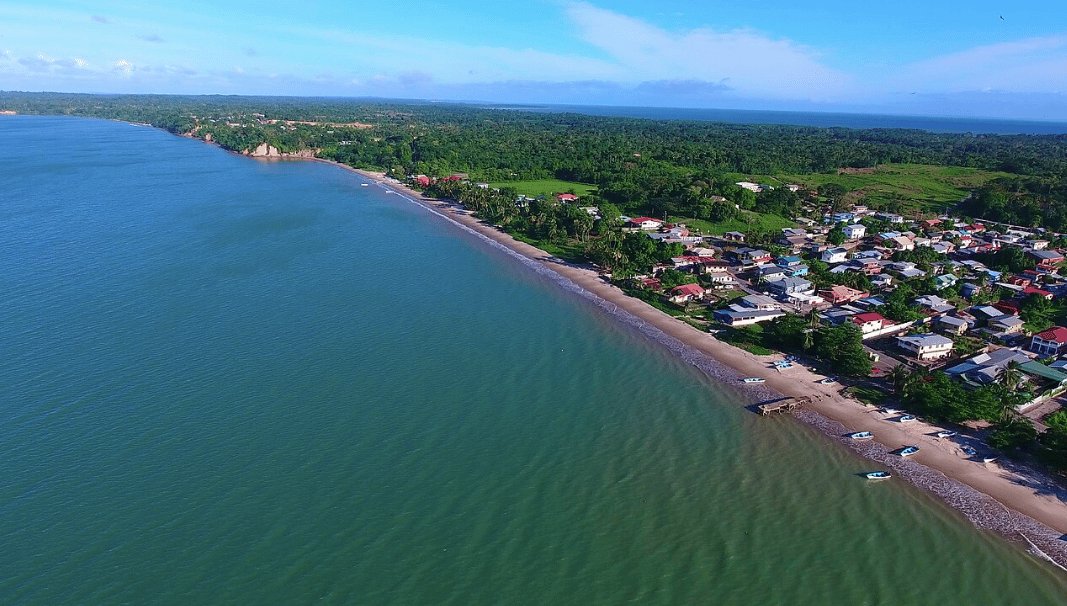
An oil spill in the shared waters of the Gulf of Paria has once again tested the delicate balance between Trinidad and Tobago and Venezuela, raising alarms over environmental damage and cross-border accountability.
Oil Spill Strains Trinidad-Venezuela Ties in Gulf of Paria
Port of Spain, Trinidad — Article continues...
The Venezuelan Demand
Venezuela has formally called on Trinidad and Tobago for information and compensation following the oil spill that Caracas maintains originated in Trinidadian waters on May 1, 2026. Foreign Affairs Minister Yván Gil stated that the incident has placed serious environmental pressure on Venezuelan coastlines in at least two states. The demand centres on the shared waters of the Gulf of Paria, where the two nations have long managed overlapping interests in energy and fishing. Caracas claims the spill has affected roughly 647 square miles of the inlet, raising questions about long-term damage to marine life and coastal communities on the Venezuelan side.
Timeline of Events
The spill took place at Heritage Petroleum Company Ltd's Main Soldado Field, specifically at Riser Platform No. 2 in the Gulf of Paria. Trinidad and Tobago authorities classified the release as a tier one incident, meaning it was considered minor in scale. Heritage Petroleum activated its oil spill response protocols immediately, and trajectory modelling indicated that untreated hydrocarbon material could potentially drift across the maritime boundary. Within 48 hours the spill was contained, according to official statements from Port of Spain. Venezuela's formal protest arrived several weeks later, on July 28, 2026, highlighting the time that has passed since the initial response.
The Trinidad and Tobago Government Response
Energy Minister Dr. Roodal Moonilal has maintained that the spill posed no threat to Venezuela's environment and remained within Trinidad and Tobago waters throughout. He emphasised that the tier one classification reflected the limited volume released and the swift containment achieved. Trinidad and Tobago deployed its Air Guard, Coast Guard and drones to monitor the situation and support clean-up operations. Officials have pointed to ongoing discussions between the Ministry of Energy and Venezuelan counterparts as a pathway for sharing data and addressing mutual concerns. The government has stressed that Heritage Petroleum followed established procedures from the outset.
Environmental and Community Impact
The Gulf of Paria supports rich marine biodiversity and sustains fishing communities on both sides of the border. Local fishers in Trinidad have voiced worries about possible effects on catches and livelihoods, even as authorities insist the spill stayed contained. On the Venezuelan side, claims of damage to coastlines have prompted calls for compensation and clearer information on any lingering hydrocarbons. The shallow waters of the gulf make any spill particularly sensitive for the small-scale fishing operations that many families depend upon. Both nations share an interest in protecting these waters, which also form part of the wider Caribbean marine ecosystem already under pressure from climate change and seasonal weather patterns.
Fishing communities in areas such as Icacos, La Brea and Cedros now face direct threats to their daily catch, with oil sheens disrupting the waters they have relied upon for generations. These families worry not only about immediate losses but about the longer shadow the spill casts over food security in coastal villages. The timing with the 2026 hurricane season adds another layer of concern, as rough weather could spread contaminants further and complicate clean-up efforts in these vulnerable small-island settings. Fishermen speak of empty nets and rising anxiety about whether they can sustain their families if the fishing grounds remain closed for months. The tier one classification means a coordinated national response drawing on local expertise, but communities want clear timelines for when they can return to the waters.
Wider Regional Context of Trinidad-Venezuela Relations
Trinidad and Tobago and Venezuela share decades of energy cooperation and occasional friction in the Gulf of Paria, where Heritage Petroleum operates fields that remain central to the national economy at a time when energy prices directly affect household costs across the Caribbean. Recent developments around the Dragon Gas field have demonstrated both the promise and the fragility of cross-border energy arrangements, with resolutions opening pathways for collaboration that could stabilise supply. Energy revenues influence everything from fuel subsidies to the cost of groceries in Port of Spain markets and village shops, and any sustained disruption to production sends ripples through every community. CARICOM has quietly facilitated dialogue between the two neighbours, while the transition from Petrotrin to Heritage Petroleum continues to reshape the sector, carrying forward hard lessons from past refinery operations and underscoring the need for careful stewardship of the marine environment.
What Happens Next
Both governments have signalled openness to further bilateral cooperation on spill response and environmental monitoring. Trinidad and Tobago officials have indicated they will provide the requested information while continuing to assert that the incident was fully managed within national waters. Venezuela's demand for compensation will likely require technical assessments and possibly joint surveys of the affected areas. Fishing communities on the Trinidad side are watching closely for any updates that could influence their daily work. The episode underscores the importance of clear communication channels between the two nations that share this vital body of water, especially as the region faces ongoing pressures from energy transitions and climate impacts. Continued dialogue could help prevent similar incidents from straining neighbourly ties in the future.
Under international maritime frameworks such as UNCLOS, mechanisms exist for pursuing compensation when spills cross boundaries, with the International Tribunal for the Law of the Sea providing a possible avenue for resolution. Technical assessments will require careful timing, allowing experts to evaluate the full extent of the damage before any lasting agreements on future cooperation can be reached. For Trinidad and Tobago and Venezuela, the path ahead may yet strengthen joint environmental monitoring, turning this challenge into an opportunity to protect the Gulf of Paria for the communities on both sides who depend on it.
By Sharon Sahatoo, Staff WriterThis article was produced with AI-assisted research and editorial support. Reporting is based on sources cited in the article.
What's Your Reaction?
 Like
0
Like
0
 Dislike
0
Dislike
0
 Love
0
Love
0
 Funny
0
Funny
0
 Wow
0
Wow
0
 Sad
0
Sad
0
 Angry
0
Angry
0

Caribbean Correspondent at Global1.News. Based in Port of Spain, Trinidad, covering Caribbean politics, economy, energy, climate, and culture. Amplifying the voices and stories of the Caribbean region.











Comments (0)