
3 Pinoys Wounded in Kuwaiti Drone Strike — DMW Monitors Situation for OFW Community
Three overseas Filipino workers were injured in a drone and missile strike at Kuwait International Airport on June 3, prompting an immediate response from the Department of Migrant Workers (DMW) as regional tensions continue to escalate. 3 Pinoys Wounded in Kuwaiti Drone Strike — DMW Monitors Situation for OFW Community Timeline of the June 3 Drone Strike on Kuwait Internationa
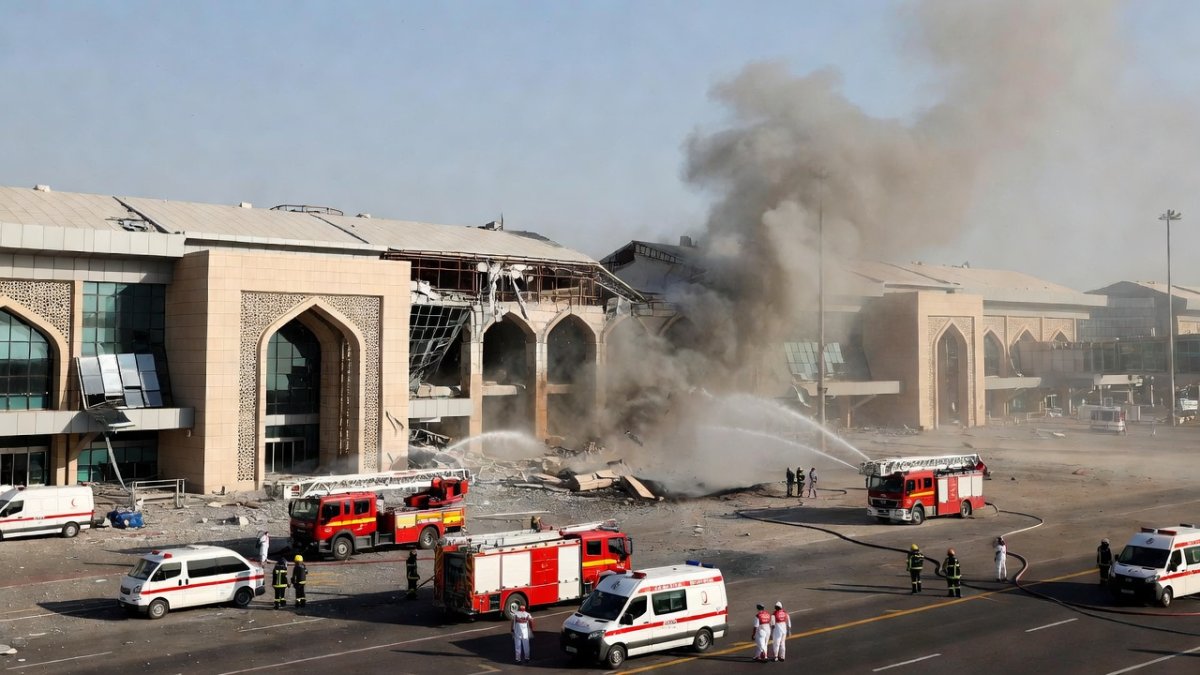
Three overseas Filipino workers were injured in a drone and missile strike at Kuwait International Airport on June 3, prompting an immediate response from the Department of Migrant Workers (DMW) as regional tensions continue to escalate.
3 Pinoys Wounded in Kuwaiti Drone Strike — DMW Monitors Situation for OFW Community
Timeline of the June 3 Drone Strike on Kuwait International Airport
The events of June 3 unfolded with alarming speed at Kuwait International Airport, beginning in the early hours when drones and missiles struck multiple facilities. Kuwaiti state media reported that the assault caused severe damage to passenger terminals and other infrastructure, forcing an immediate suspension of all airport operations. One Indian national lost his life in the chaos, while 63 people sustained injuries ranging from smoke inhalation to physical trauma. The strikes also affected nearby diplomatic missions, though specific identifications were not released in initial reports.
According to the sequence described by regional sources, the attack came shortly after U.S. military actions on Qeshm Island. In response, Iran launched operations that reached Kuwait and Bahrain. The Kuwaiti government attributed the airport incident directly to Iran, highlighting the rapid escalation of regional tensions. Iranian Revolutionary Guard statements, however, denied targeting the facility and pointed instead to a possible malfunction in a U.S.-made Patriot missile system as the cause of damage to a passenger terminal.
For Filipino families watching from afar, these hours brought immediate worry as news traveled through social media and community networks. The precision of the timeline matters because it shows how quickly ordinary workdays can turn into moments of crisis for those far from home. Airport staff and travelers, including many Filipinos employed in ground services and aviation support, found themselves caught in the middle of events beyond their control.
The Three Injured OFWs and DMW’s Immediate Response
Among the wounded were three Filipino workers whose stories reflect the quiet resilience of our kababayan abroad. Two suffered smoke inhalation and received prompt medical attention at local facilities, while the third needed stitches for wounds to the hand and head. The Department of Migrant Workers confirmed these details and emphasized that all three are now in stable condition under continued observation.
DMW teams in Kuwait coordinated with the Philippine Embassy to ensure the injured received proper care and that their families back home were notified without delay. Relief efforts included arranging temporary shelter for those displaced by the airport closure and providing updates through official channels. Secretary Hans Leo Cacdac personally oversaw the monitoring process, underscoring the agency’s commitment to every OFW in harm’s way.
These individual cases remind us that behind every statistic lies a family waiting for news in provinces across the Philippines. The swift medical response and ongoing welfare checks demonstrate how government agencies work to bridge the distance when crises strike. Community groups in Kuwait also mobilized support, offering food and comfort in the spirit of bayanihan that binds Filipinos wherever they gather.
Over 250,000 OFWs in Kuwait and the Wider Impact
Kuwait hosts more than 250,000 overseas Filipino workers who serve in healthcare, domestic service, construction, and airport operations. The June 3 incident directly disrupted the routines of this large community, many of whom rely on steady employment to support households in the Philippines. The suspension of airport activities halted flights and affected supply chains that touch countless sari-sari stores and family businesses back home.
Ordinary Filipinos in Kuwait now navigate heightened uncertainty, with daily commutes and work shifts overshadowed by safety concerns. The attack’s reach beyond the airport into diplomatic areas added another layer of anxiety for those living near embassies and international compounds. Local government units in the Philippines have begun reaching out to families of workers in the region to offer reassurance and gather contact information for faster updates.
This situation underscores how tightly intertwined Philippine households are with labor migration to the Gulf. A single disruption at a major hub like Kuwait International Airport can ripple through remittances that fund education, medical bills, and small enterprises across the archipelago. The human cost extends far beyond the three injured workers to thousands of families whose stability depends on continued peace in the region.
DMW Secretary Hans Leo Cacdac’s Statements and Embassy Coordination
DMW Secretary Hans Leo Cacdac has kept a steady hand on the situation, issuing clear guidance for all OFWs in Kuwait to remain indoors and limit travel unless absolutely necessary. His statements stress continuous monitoring and direct coordination with the Philippine Embassy in Kuwait City to track developments hour by hour. Embassy staff have activated emergency hotlines and welfare desks to assist any worker needing assistance or evacuation planning.
These measures build on established protocols refined through past regional incidents, ensuring that information flows quickly between Manila and the field. The DMW has also engaged with Kuwaiti authorities to verify the safety of Filipino workers in other sectors and to secure access to medical services if needed. Such coordination reflects the government’s recognition that OFWs form a vital part of the national economy.
Families in the Philippines have expressed gratitude for these visible efforts, noting that regular updates help ease the worry that comes with having loved ones thousands of kilometers away. The emphasis on staying connected through official channels rather than unverified social media posts has helped maintain calm within the community.
Geopolitical Context and Its Direct Effects on OFWs
The June 3 events sit within a broader pattern of rising tensions that began with U.S. strikes on Qeshm Island and prompted Iranian responses across the Gulf. Kuwait’s position as a host to large expatriate populations makes it particularly sensitive to such flare-ups. While Iran’s Revolutionary Guard has denied intentional targeting of the airport, the conflicting accounts have left many workers uncertain about future risks.
For OFWs, these geopolitical currents translate into practical concerns about job security, flight availability, and personal safety. The Philippine government has historically maintained a policy of protecting migrant workers during regional conflicts, and current monitoring efforts follow that same approach. The situation also highlights how distant military decisions can suddenly alter the daily lives of jeepney drivers’ children studying on remittances or farmers’ spouses managing household budgets from afar.
Community leaders in Kuwait have urged calm while staying alert to official advisories. The episode serves as a reminder that labor migration, while economically essential, carries inherent vulnerabilities tied to international relations that ordinary workers cannot influence.
Practical Advice for OFWs and Families Back Home
OFWs in Kuwait are advised to keep emergency contact numbers for the Philippine Embassy and DMW readily available and to register with the nearest barangay or community organization for group updates. Staying indoors during periods of heightened alert remains the primary recommendation, along with avoiding areas near diplomatic facilities or transportation hubs until operations normalize.
Families in the Philippines can reach the DMW through its established hotlines and should provide updated contact details so that any news about their loved ones reaches them promptly. Local government units have been asked to assist in disseminating verified information and offering counseling services for those experiencing stress. Avoiding the spread of unconfirmed reports helps prevent unnecessary panic within tight-knit communities.
These steps, drawn from years of managing similar situations, aim to keep communication lines open and support networks strong. The shared goal is ensuring every Filipino worker knows help is accessible and that loved ones at home remain informed without added distress.
Broader Implications for Philippine Labor Migration to the Middle East
The incident raises important questions about the long-term sustainability of sending workers to regions experiencing periodic instability. With hundreds of thousands of OFWs in Kuwait and neighboring countries, any escalation affects not only individual safety but also the steady flow of remittances that support national development goals. Policymakers may need to review contingency plans and diversify destination markets to reduce concentration risks.
At the same time, the strong response from the DMW and embassy demonstrates the institutional capacity built over decades of managing labor migration. Continued dialogue with host governments will be essential to safeguard worker welfare while maintaining the economic partnership that benefits both the Philippines and Kuwait. The experience also reinforces the importance of skills training and financial literacy programs so that returning workers can transition more smoothly if circumstances change.
Ultimately, the story of these three injured Pinoys and the wider community they belong to reflects both the sacrifices and the strength of Filipino families who rely on overseas work. Their well-being remains a shared national concern that calls for vigilance, compassion, and steady government action in the months ahead.
By Bella Reyes, Staff WriterThis article was produced with AI-assisted research and editorial support. Reporting is based on sources cited in the article.
What's Your Reaction?
 Like
0
Like
0
 Dislike
0
Dislike
0
 Love
0
Love
0
 Funny
0
Funny
0
 Wow
0
Wow
0
 Sad
0
Sad
0
 Angry
0
Angry
0

Africa Correspondent at Global1.News. Based in Lagos, covering politics, business, technology, and culture across the continent. Focused on telling African stories beyond the headlines — the innovation, entrepreneurs, and communities shaping the region's future.













Comments (0)