
Venezuela Signs GE Vernova Deal to Rebuild Collapsing Power Grid Amid Drought Crisis
Venezuela's Collapsing Power Grid Venezuela's power system, nationalised in 2007 under Hugo Chávez, now faces repeated failures that leave residents without electricity for extended periods. Power cuts often last 10 hours or longer and have affected major cities, including the capital, Caracas. These outages disrupt daily routines in neighborhoods across the country and hinder
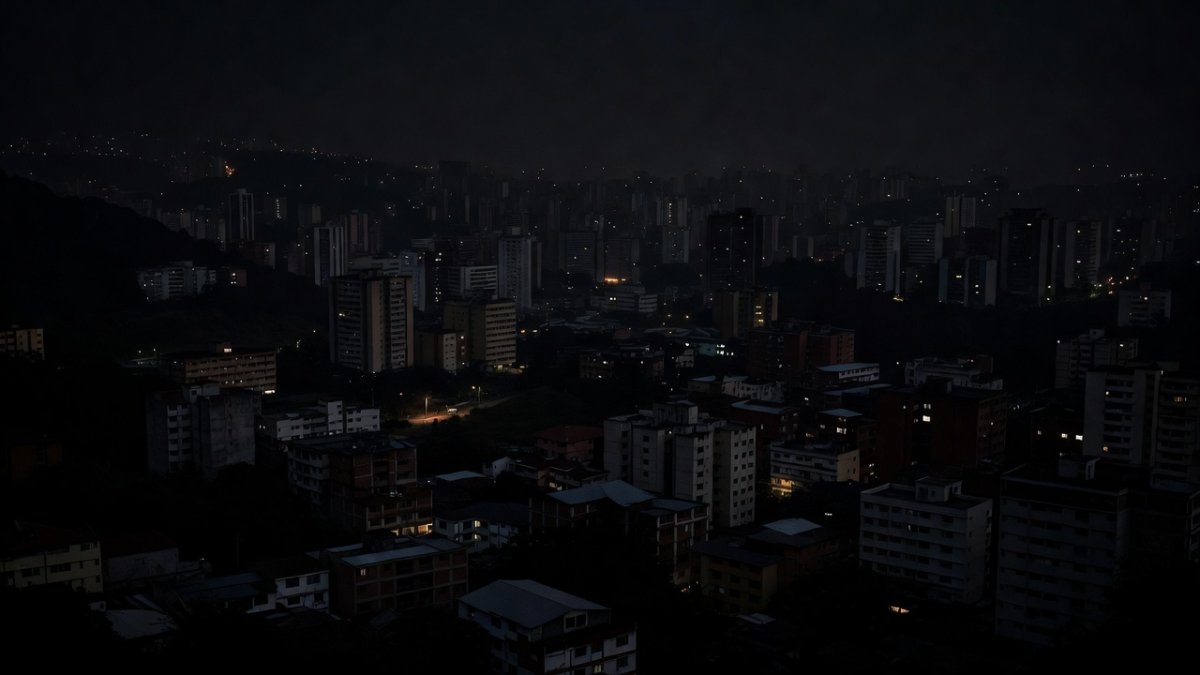
Venezuela's Collapsing Power Grid
Venezuela's power system, nationalised in 2007 under Hugo Chávez, now faces repeated failures that leave residents without electricity for extended periods. Power cuts often last 10 hours or longer and have affected major cities, including the capital, Caracas. These outages disrupt daily routines in neighborhoods across the country and hinder basic services that depend on reliable supply.
Caracas experienced widespread blackouts as Venezuela's power grid deteriorated. (Global 1 News)
Analysts have long warned that a lack of investment in and maintenance of the power grid, coupled with high consumption, have created an energy crisis which has been one of the blocks to Venezuela's economic recovery. The situation stems from years without sufficient upgrades to transmission lines and substations that serve urban and rural areas alike. Caracas residents report that even essential facilities experience interruptions during peak demand times.
The interim government under Delcy Rodríguez has highlighted the need to restore what she called an essential service after the agreement with General Electric Vernova. Frequent blackouts have compounded challenges in transportation and water distribution networks that rely on electric pumps. Communities in the capital and surrounding regions continue to adapt to these recurring disruptions.
The GE Vernova Deal: A Historic Gamble
Venezuela's interim president Delcy Rodríguez, who was sworn in shortly after US forces seized Venezuela's leader, Nicolás Maduro, in January, announced the move at a televised event at the presidential palace. She described the signing of the agreement with General Electric Vernova, the US company's local branch, as a historic step for Venezuela. The deal aims to address the dire need for repair and investment in the electricity grid.
The agreement was struck under the leadership of Energy Minister Rolando Alcalá, an electrical engineer appointed to the job by Rodríguez three months ago. His role focuses on coordinating the technical aspects of grid restoration with the US energy giant. Rodríguez has presented the partnership as a direct response to the outages that have persisted across major population centers.
General Electric Vernova will work on rebuilding key components of the national electricity infrastructure that supplies Caracas and other cities. The interim administration views this collaboration as essential for returning stability to the system nationalised under Chávez. Early implementation steps include assessments of damaged transmission equipment in affected regions.
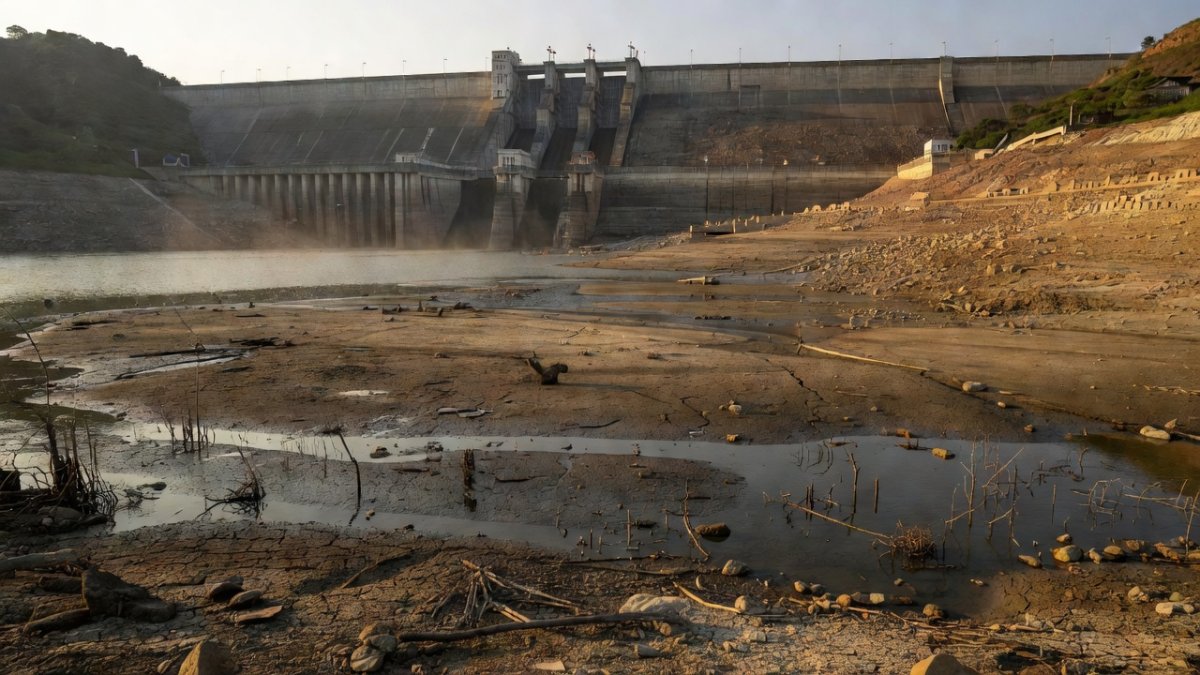
The Guri dam, Venezuela's primary hydroelectric source, has been affected by prolonged drought conditions. (Global 1 News)
Drought, Hydroelectric Dependence and Climate Risk
The Maduro government had blamed a drought for the frequent outages, which meant that the Guri hydroelectric power dam was not producing enough energy to meet demand. The Guri facility remains a central source for the national grid, yet prolonged dry periods reduce water levels needed for consistent generation. Officials in Caracas have noted that reservoir conditions directly influence supply reliability for households and industries.
Climate patterns in the region have intensified pressure on hydroelectric operations at Guri, where reduced rainfall affects turbine performance over multiple seasons. Analysts point out that dependence on this single dam leaves the system vulnerable when water inflows decline. Communities downstream from the dam experience knock-on effects when generation drops and backup sources prove insufficient.
High consumption levels in urban centers like Caracas add further strain during periods when Guri output falls. The combination of weather variability and infrastructure limits has made recovery slower after each drought episode. Local authorities track water levels at the dam as a key indicator for upcoming supply forecasts.
Restoration efforts under the new agreement must account for these climate-related risks to the Guri dam's output. Engineers will evaluate how to diversify generation while addressing immediate repair needs at the facility. Venezuelan households in drought-prone areas continue to monitor announcements about water management tied to power production.
Years of Neglect: Military Mismanagement
His appointment was seen as a welcome change after six years in which the ministry was headed by senior members of the military, who failed to fix the failing grid. During that period, maintenance schedules for substations and lines fell behind, allowing deterioration to spread through the network serving Caracas and beyond. The shift to Rolando Alcalá brings an electrical engineer into the role focused on technical solutions.
The energy ministry under previous military leadership oversaw the system nationalised in 2007, yet investment in upgrades remained limited. Transmission equipment in key corridors aged without replacement, contributing to the outages that now affect daily operations in major cities. Rodríguez's administration has prioritized civilian expertise to reverse these trends.
Alcalá's three-month tenure has centered on preparing the GE Vernova partnership for implementation across neglected infrastructure. Military oversight had not produced measurable improvements in grid stability despite the scale of the challenges. Current planning emphasizes targeted repairs at sites most impacted by prior underinvestment.
Venezuela's Energy Crisis in the Latin American Context
Venezuela's grid problems connect to broader energy challenges faced by neighboring countries that also rely heavily on hydroelectric sources. Regional grids in South America encounter similar maintenance shortfalls when investment lags behind demand growth in expanding cities. The Caracas experience illustrates how nationalisation decisions from 2007 can influence long-term reliability across borders.
Cooperation with US firms like General Electric Vernova reflects patterns seen in other Latin American nations seeking external technical support for aging infrastructure. Power cuts lasting 10 hours or longer in Venezuela highlight vulnerabilities that affect trade and migration flows within the region. Interim president Delcy Rodríguez has positioned the deal as one step toward aligning Venezuela's system with more stable neighbors.
Analysts note that high consumption combined with limited maintenance creates bottlenecks that ripple into economic activity shared with Colombia and Brazil. The Guri dam's output issues under drought conditions mirror concerns at other major hydroelectric sites on the continent. Local economies in Venezuela's border areas feel these disruptions through reduced cross-border commerce.
The Political Calculus Behind the Grid
Rodríguez has closely co-operated with the Trump administration on a number of matters, including the energy agreement announced at the presidential palace. Members of Venezuela's opposition have pointed out that there have been very few changes to the legislative, executive and judicial branches since Maduro's ouster. This continuity shapes how the GE Vernova deal advances amid ongoing institutional structures.
US Secretary of State Marco Rubio told Congress that ultimately the answer in Venezuela is a free and fair democratic election but added that you have to create the conditions for that, including free media and space for political parties. The grid restoration project forms part of efforts to stabilize services ahead of such conditions. Opposition voices continue to monitor implementation for signs of broader political shifts.
The appointment of Rolando Alcalá three months ago signals an attempt to separate technical management from prior military influence in the energy sector. Rodríguez's televised announcement framed the deal as essential for national recovery while navigating these political realities. Caracas-based observers track how the partnership intersects with calls for institutional reforms.
What Comes Next for Venezuelan Households
Residents in Caracas and other cities await the first visible repairs from the GE Vernova agreement, which targets the frequent outages that have lasted 10 hours or longer. Daily life remains shaped by the need to plan around potential blackouts affecting water supply and lighting. Households track updates from the energy ministry under Rolando Alcalá for scheduled maintenance windows.
Climate risks at the Guri dam will influence how quickly service improves for families dependent on hydroelectric power. Communities will watch for progress on transmission upgrades that address the investment gaps accumulated since nationalisation in 2007. Local economies tied to reliable electricity stand to benefit if restoration timelines hold.
Observers should monitor statements from Delcy Rodríguez on further phases of the partnership and any adjustments linked to drought conditions. Venezuelan households can expect incremental changes as the interim government implements the deal amid the political landscape described by US officials. Continued focus on maintenance will determine whether outages decrease in frequency across affected regions.
By Elena Vasquez, Staff WriterThis article was produced with AI-assisted research and editorial support. Reporting is based on sources cited in the article.
What's Your Reaction?
 Like
0
Like
0
 Dislike
0
Dislike
0
 Love
0
Love
0
 Funny
0
Funny
0
 Wow
0
Wow
0
 Sad
0
Sad
0
 Angry
0
Angry
0

Latin America Correspondent at Global1.News. Based in Mexico City, covering politics, economics, energy, and culture across the region. Brings an on-the-ground perspective to stories spanning from the Rio Grande to Patagonia.












Comments (0)