
Panipat Stent Case Exposes India's Hospital Consent Gaps
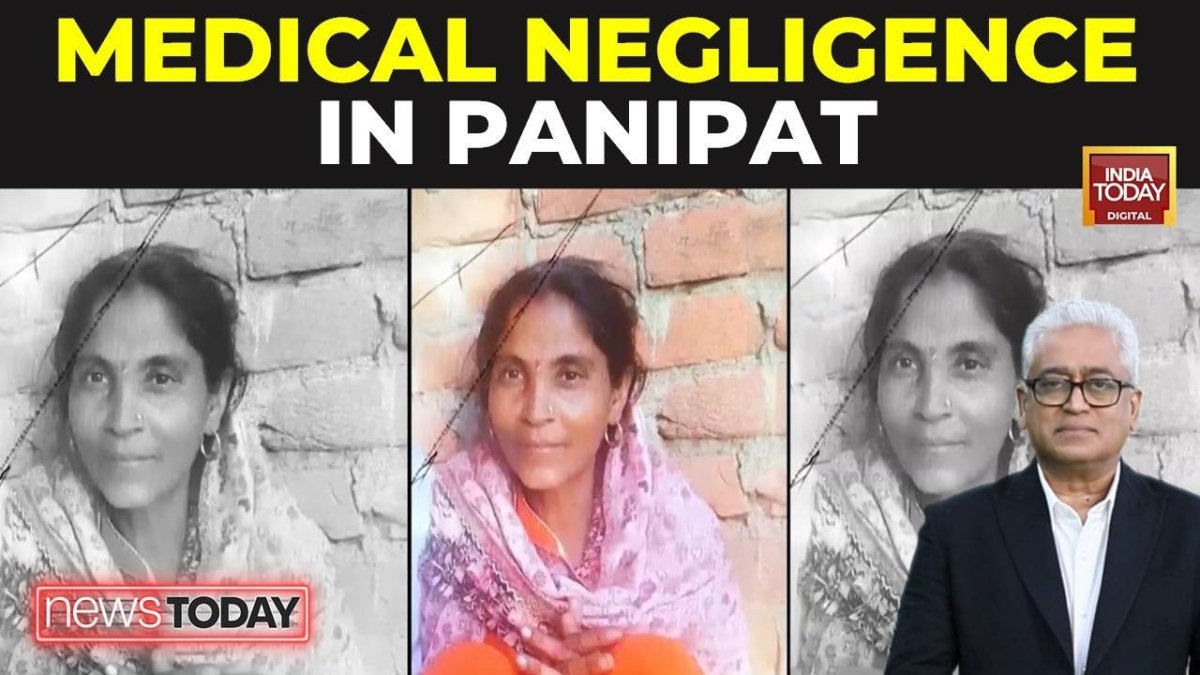
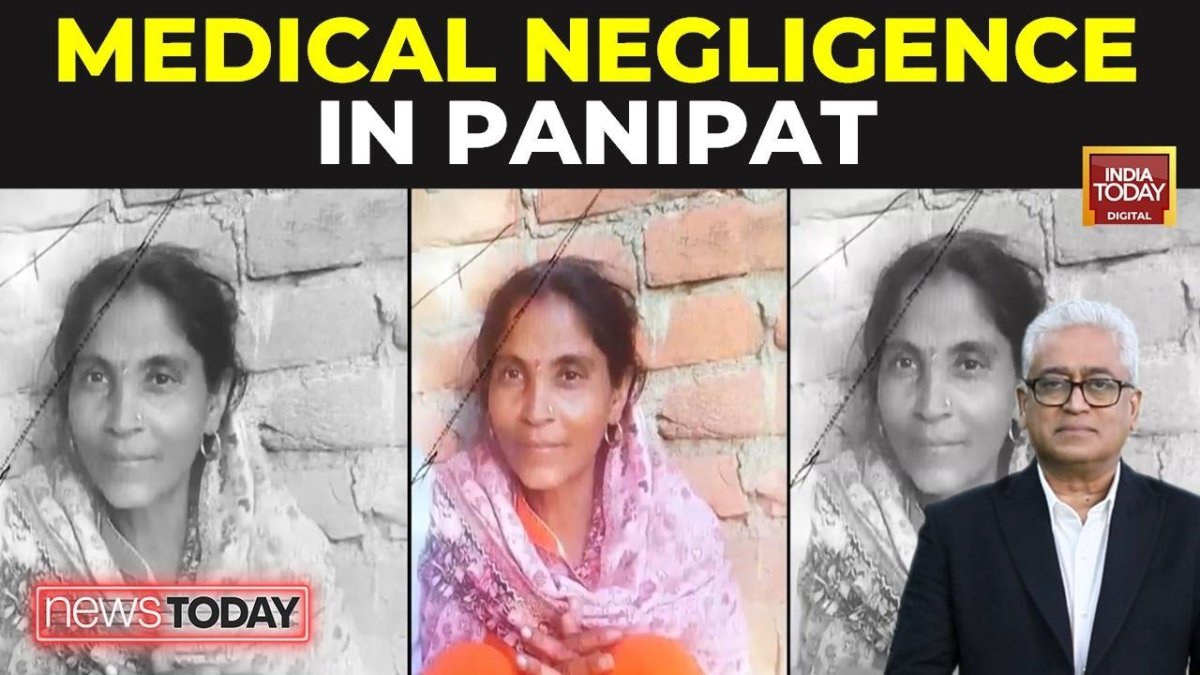
Unauthorized Stent on Fracture Patient Reveals Deep Flaws in India's Consent Laws Panipat, Haryana — July 28, 2026 — Article continues... Vaishali Verma’s death after an alleged unauthorized cardiac stent at Park Hospital in Panipat has ignited fresh scrutiny of private hospital practices in India. Admitted for a leg fracture, the patient reportedly underwent a heart procedure without documented consent, prompting an FIR and post-mortem.
Unauthorized Stent on Fracture Patient Reveals Deep Flaws in India's Consent Laws
Panipat, Haryana — July 28, 2026 — Article continues...
Vaishali Verma’s death after an alleged unauthorized cardiac stent at Park Hospital in Panipat has ignited fresh scrutiny of private hospital practices in India. Admitted for a leg fracture, the patient reportedly underwent a heart procedure without documented consent, prompting an FIR and post-mortem. This case underscores systemic gaps in oversight that allow such interventions to occur despite clear legal mandates.The Incident Unfolds at Park Hospital Panipat
Vaishali Verma arrived at Park Hospital on GT Road after a bike accident in Ghaziabad left her with a fractured leg. Instead of orthopaedic care, doctors allegedly performed a cardiac stent procedure. Family members state they were never informed or asked for consent, and signatures on consent forms appear forged.
Upon confronting hospital staff, the family claims they faced intimidation. Police registered an FIR under relevant IPC sections, and authorities ordered a post-mortem to determine the cause of death. The sequence of events has drawn widespread attention to how quickly a routine admission can escalate into a potential criminal matter.
Local reports indicate the hospital administration has yet to release full medical records. This lack of transparency mirrors patterns seen in other negligence complaints where documentation is either missing or altered after the fact.
Haryana’s Regulatory Gaps in Private Healthcare
Haryana has not fully implemented the Clinical Establishments Act 2010, which requires registration, minimum standards, and grievance redressal mechanisms for all hospitals. Only partial rules have been notified, leaving district-level monitoring weak. As a result, facilities like Park Hospital operate with limited external checks on procedures performed.
State Medical Council data shows Haryana receives hundreds of complaints annually, yet few lead to license suspension. Enforcement remains inconsistent because the Clinical Establishments Act’s provisions for regular audits and digital record-keeping have not been made mandatory across all districts.
Compared with states such as Tamil Nadu and Maharashtra that have adopted stricter rules, Haryana’s framework lacks real-time reporting requirements. This regulatory lag creates space for unauthorised interventions to go undetected until a fatality occurs.
NMC Act 2019 and Patient Consent Requirements
The National Medical Commission Act 2019 explicitly mandates documented informed consent before any invasive procedure. AIIMS and ICMR guidelines further require that consent forms detail risks, alternatives, and the specific procedure. Performing a cardiac stent on a patient admitted solely for a leg fracture directly contravenes these standards.
Under the Act, patients hold the right to refuse treatment and to receive clear explanations in a language they understand. Forged signatures, as alleged here, constitute a serious violation that can attract both civil and criminal liability.
India’s 1.3 million registered practitioners operate under these rules, yet enforcement varies sharply by state. The NMC’s Ethics and Medical Registration Board has issued repeated advisories on consent, but compliance audits remain sporadic in northern states including Haryana.
National Data on Medical Negligence Cases
NCRB reports show medical negligence cases registered under IPC Sections 304A, 336, and 338 have risen steadily, with over 1,200 cases recorded in 2024 alone. AIIMS studies estimate that only 10-15 percent of actual incidents reach formal complaints due to fear of retaliation or lack of awareness.
Similar past cases, such as the 2018 Fortis Hospital incident in Gurugram and the 2022 Max Hospital case in Delhi, also involved allegations of procedures performed without proper consent. In both instances, investigations revealed weak internal oversight and delayed regulatory action.
These recurring patterns indicate that legislative intent under the NMC Act and Clinical Establishments Act has not translated into consistent ground-level protection for patients across private hospitals.
International Consent Standards and Indian Shortfalls
Countries such as the United Kingdom and Australia require electronic consent records with time-stamped video confirmation for high-risk procedures. India’s paper-based system remains vulnerable to forgery and lacks mandatory digital audit trails.
The World Medical Association’s Declaration of Lisbon emphasises patient autonomy and the right to second opinions. Indian law incorporates similar principles, yet implementation lags because many hospitals treat consent as a formality rather than a continuous process of communication.
Adopting digital consent platforms with biometric verification, as piloted in parts of Kerala, could close this gap. Without such reforms, cases like Vaishali Verma’s will continue to expose the distance between policy and practice.
How Patients Can Protect Themselves
Patients should insist on reading every consent form in full and request copies before signing. Recording verbal explanations on personal devices, where legally permitted, creates an additional layer of evidence.
Seeking a second opinion from a government hospital or another facility before any invasive procedure reduces the risk of unnecessary interventions. Families should also verify hospital registration status through the state health department portal.
Reporting suspected violations immediately to the district medical officer and State Medical Council preserves the chain of evidence. Timely complaints increase the likelihood that post-mortems and investigations proceed without delay.
— By Dr. Raj Patel, Staff WriterThis article was produced with AI-assisted research and editorial support. Reporting is based on sources cited in the article.
What's Your Reaction?
 Like
0
Like
0
 Dislike
0
Dislike
0
 Love
0
Love
0
 Funny
0
Funny
0
 Wow
0
Wow
0
 Sad
0
Sad
0
 Angry
0
Angry
0

India/South Asia Correspondent at Global1.News. Analytical voice with a background in science and health journalism. Based in New Delhi, covering Indian politics, education, healthcare, technology, and policy. Breaks down complex data into clear, actionable reporting.















Comments (0)