
Colombia Declares Full Amazon Reserve at Leticia Summit
At the Concordia Amazonas Summit in Leticia, Colombia, regional leaders united to protect the Amazon rainforest as Colombia declared its entire Amazon territory an ecological reserve — banning oil exploration and mega mining across 42 percent of the nation's land. The landmark decision, announced July 23 during the IV Cumbre of the Concordia Amazonas Initiative, builds on the 2019 Pacto de Leticia and puts pressure on fellow Amazon basin nations including Brazil to follow suit.
At the Concordia Amazonas Summit in Leticia, Colombia, regional leaders united to protect the Amazon rainforest as Colombia declared its entire Amazon territory an ecological reserve — banning oil exploration and mega mining across 42 percent of the nation's land. The landmark decision, announced July 23 during the IV Cumbre of the Concordia Amazonas Initiative, builds on the 2019 Pacto de Leticia and puts pressure on fellow Amazon basin nations including Brazil to follow suit.
Colombia Declares Full Amazon Reserve at Leticia Summit as Regional Leaders Pledge Rainforest Protection
Leticia, Amazonas – Colombia, July 28, 2026 — At the Concordia Amazonas Summit in Leticia, Colombia, regional leaders united to protect the Amazon rainforest as Colombia declared its entire Amazon territory an ecological reserve — banning oil exploration and mega mining across 42 percent of the nation's land. The landmark decision, announced July 23 during the IV Cumbre of the Concordia Amazonas Initiative, builds on the 2019 Pacto de Leticia and puts pressure on fellow Amazon basin nations including Brazil to follow suit.
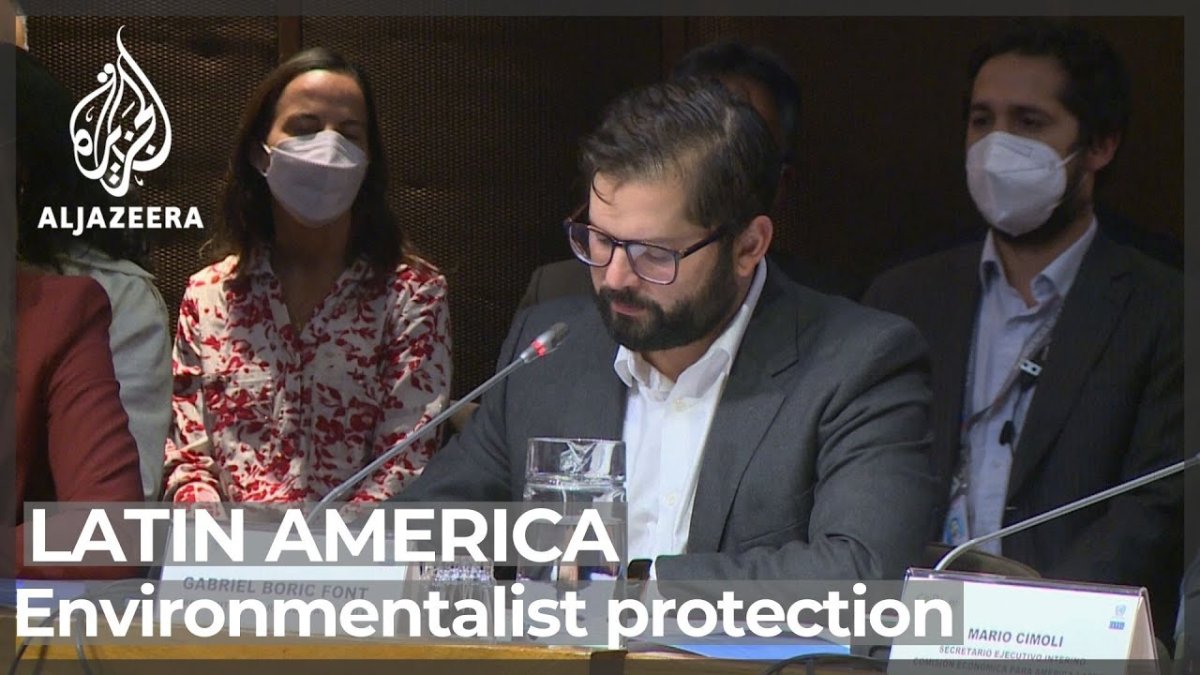
LETICIA, Colombia — July 25, 2026
The Leticia Summit — Colombia's Bold Amazon Declaration
The Concordia Amazonas Initiative, IV Cumbre held in Leticia, Colombia in the Amazonas department from July 22-25, 2026, marked a historic turning point for rainforest governance. Building directly on the 2019 Pacto de Leticia regional cooperation agreement, the gathering brought together leaders committed to halting the destruction of the world's largest tropical forest. Former Colombian President Iván Duque, who served from 2018 to 2022, played a central role in shaping the agenda that culminated in an unprecedented national decision.
Around July 23, 2026, Colombia declared its entire Amazon region an ecological reserve. This vast territory covers approximately 42 percent of the country's land area, spanning roughly 483,000 square kilometers—an expanse comparable in size to Sweden. The declaration immediately imposed a total ban on new oil exploration, hydrocarbons activities, and mega mining projects across the zone. Officials confirmed that 43 planned oil blocks and 286 mining applications were now blocked indefinitely. Colombia thereby became the first Amazon basin nation to shield its complete Amazon forest from oil and mining interests, setting a powerful precedent for the other seven countries sharing the biome.
This move transforms governance by integrating environmental protection into national territory planning at an unprecedented scale. Passionate advocates across Latin America celebrated the decision as evidence that political will can override extractive pressures. Data from the summit underscored how such reserves can stabilize carbon stocks and biodiversity corridors that stretch across borders. The declaration also strengthens enforcement mechanisms through satellite oversight and community monitoring programs already tested in pilot zones. By prioritizing the full Amazon rather than fragmented parks, Colombia signals a shift toward holistic landscape protection that recognizes the forest as a single living system vital for global climate stability.
Brazil's Amazon Challenge — The Other Giant
Brazil holds the largest share of the Amazon basin, controlling roughly 60 percent of the entire biome. This dominance brings both immense responsibility and complex political pressures. The Lula administration continues to navigate tensions between economic development priorities and urgent conservation needs, especially after hosting COP30 in Belém in November 2025. While Brazil has enacted anti-deforestation measures, enforcement remains inconsistent across states, allowing illegal activities to persist in remote areas.
The Amazon Fund, managed by BNDES, has attracted international pledges including R$4 billion dedicated to preservation projects. These resources support reforestation, sustainable livelihoods, and monitoring infrastructure. Brazil's INPE, the National Institute for Space Research, provides critical satellite data through the PRODES and DETER systems that track deforestation in near real time. Such tools have proven essential for targeting enforcement operations and measuring progress against annual targets.
Brazil's major biomes include the Amazon, Cerrado, Pantanal, Atlantic Forest, Caatinga, and Pampa, each facing distinct threats yet interconnected through climate feedbacks. Historically, Brazil ranks among the highest countries for environmental defender killings according to Global Witness reports. Indigenous territories cover approximately 13.8 percent of Brazil's land area, with the majority located inside the Amazon. These overlapping realities demand integrated policies that respect territorial rights while curbing commodity-driven expansion. The scale of Brazil's Amazon makes its success or failure decisive for the entire basin's future.
Deforestation Drivers and Law 2585 Enforcement
Cattle-ranching remains the primary driver of Amazon deforestation in Colombia, converting biodiverse forests into pasture at alarming rates. Soy farming plays a parallel role in Brazil, fueling export-oriented agriculture that clears vast tracts annually. These economic forces require robust regulatory responses that link land use with environmental accountability. Colombia enacted Law 2585 in 2026 precisely to address these pressures by integrating livestock, environmental, and land-property data into a unified monitoring platform.
Greenpeace Colombia has campaigned vigorously for full implementation of the law and greater corporate accountability from meatpacking and agricultural supply chains. Parques Nacionales Naturales de Colombia manages the expanding network of protected areas, yet faces chronic underfunding and security risks. Effective enforcement demands real-time data sharing between agencies and communities to detect illegal clearing before it escalates. Satellite alerts combined with ground verification have already reduced some hotspots, but scaling these efforts across the full reserve requires sustained political commitment and international support.
The interconnected nature of deforestation drivers means isolated national policies fall short. Cross-border cattle routes and soy supply chains continue to undermine gains unless regional standards align. Law 2585 represents a model for data-driven governance that other Amazon nations could adapt, provided they invest in institutional capacity and transparent reporting mechanisms that hold powerful economic actors responsible.
The Environmental Defender Crisis Across the Region
Global Witness documented at least 146 land and environmental defenders killed or disappeared worldwide in 2024, with more than 80 percent of cases occurring in Latin America. Colombia recorded approximately 173 social leaders killed in 2024, rising to 187 in 2025 and 77 in the first half of 2026 according to Indepaz tracking. Cumulative deaths since mid-2022 exceed 600 to 700, revealing a sustained pattern of targeted violence against those protecting forests and communities.
In 2025 alone, Colombian national park officials received 195 death threats, underscoring the extreme risks faced by frontline guardians. Pervasive impunity means the vast majority of killings result in no convictions, allowing perpetrators to operate without fear. This crisis directly threatens the success of new reserves like Colombia's Amazon declaration, as defenders provide essential early warning and monitoring on the ground.
The Escazú Agreement offers a legal framework for environmental defender protection across signatory nations, yet implementation lags behind the scale of violence. Regional cooperation must prioritize justice reforms, witness protection programs, and international pressure on governments to prosecute those orchestrating attacks. Without addressing this human security dimension, even the most ambitious ecological declarations risk remaining paper promises undermined by fear and silence.
Indigenous Communities at the Center of Protection
Indigenous territories in Brazil cover roughly 13.8 percent of national land, concentrated overwhelmingly in the Amazon where traditional knowledge guides sustainable management. These communities serve as the most effective stewards against encroachment, yet they endure disproportionate threats from loggers, miners, and ranchers. Colombia's new reserve designation must incorporate indigenous governance structures to succeed long term.
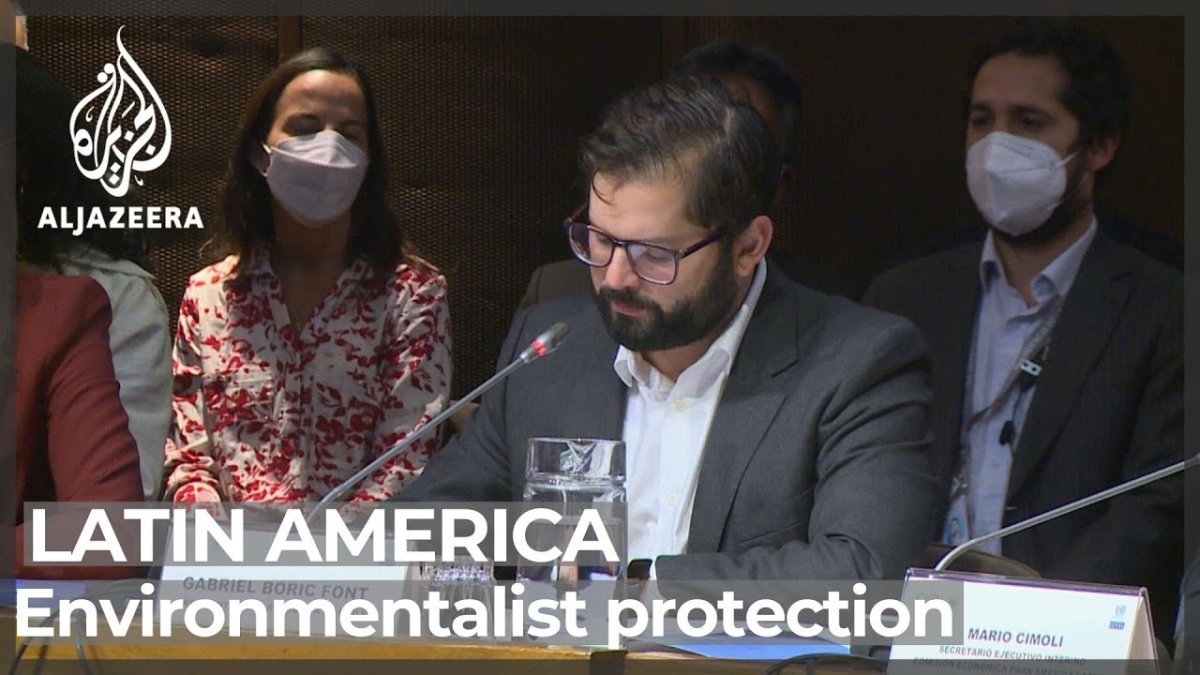
Park officials and indigenous leaders together confront daily dangers, evidenced by the 195 death threats recorded in 2025. Their role in monitoring illegal activities complements satellite systems operated by INPE and Colombian agencies. Empowering these communities through land titling, resource allocation, and legal recognition strengthens the human infrastructure required for enforcement across remote areas.
Cross-border indigenous networks already exchange strategies for resisting extractive projects. The Leticia Summit highlighted how indigenous participation can bridge gaps between national policies and local realities. Protecting defenders and territorial rights is not ancillary but foundational to preserving the Amazon as a functioning ecosystem that regulates rainfall, stores carbon, and sustains biodiversity for the entire continent.
Regional Cooperation — A Turning Point for the Amazon?
The Amazon spans seven million square kilometers across eight South American countries, forming one interconnected ecological system. Bolivia, Peru, and Ecuador face parallel challenges of deforestation, mining expansion, and defender insecurity that demand coordinated responses. The 2019 Pacto de Leticia provided an initial framework now reinforced by Colombia's full-reserve declaration and Brazil's COP30 commitments.
The Escazú Agreement supplies critical legal tools for transparency and defender protection, yet ratification and enforcement remain uneven. Cross-border cooperation becomes vital when rivers, wildlife corridors, and criminal networks ignore political boundaries. Joint monitoring initiatives using INPE data alongside Colombian systems can detect transboundary threats earlier and trigger collective action.
Success hinges on aligning economic incentives with conservation, including expanded Amazon Fund mechanisms and trade policies that penalize deforestation-linked commodities. The Leticia Summit demonstrated renewed political momentum, but sustained follow-through across all basin nations will determine whether this moment translates into lasting protection or another cycle of ambitious pledges followed by weak implementation.
The Bottom Line — What Comes Next
Colombia’s declaration of its entire Amazon as an ecological reserve, combined with Brazil’s monitoring infrastructure and international funding pledges, creates a genuine opportunity to reverse decades of loss. Yet persistent cattle-ranching and soy expansion, coupled with the killing of hundreds of social leaders, reveal the depth of structural obstacles that remain. Every data point—from 483,000 square kilometers protected to 146 defenders lost in 2024—underscores both the scale of ambition and the urgency of action.
Implementation of Law 2585, full operationalization of the Amazon Fund, and rigorous prosecution of threats against park officials and indigenous leaders must follow the summit rhetoric. Regional mechanisms built on the Pacto de Leticia and Escazú Agreement offer pathways for accountability, but only if governments allocate resources and confront powerful economic interests driving destruction.
Latin America stands at a crossroads where climate leadership can emerge from the Amazon itself. The interconnected forest demands interconnected solutions that center indigenous rights, enforce existing laws, and protect those risking their lives daily. The coming years will test whether the Leticia commitments endure or dissolve under the same pressures that have already claimed so many lives and hectares across the basin.
By Elena Vasquez, Staff WriterThis article was produced with AI-assisted research and editorial support. Reporting is based on sources cited in the article.
What's Your Reaction?
 Like
0
Like
0
 Dislike
0
Dislike
0
 Love
0
Love
0
 Funny
0
Funny
0
 Wow
0
Wow
0
 Sad
0
Sad
0
 Angry
0
Angry
0

Latin America Correspondent at Global1.News. Based in Mexico City, covering politics, economics, energy, and culture across the region. Brings an on-the-ground perspective to stories spanning from the Rio Grande to Patagonia.















Comments (0)