
US-Iran Ceasefire Collapses as New Attacks Rock the Gulf
The Ceasefire That Wasn't I've been watching this war drag on for 104 days now, and let me tell you what the suits in DC won't admit: that June 14-15 framework was never a real ceasefire. It was a photo-op pause dressed up as diplomacy. According to Al Jazeera's reporting, the ink was barely dry before both sides started testing the edges. The US, Iran, and Israel signed it aft
The Ceasefire That Wasn't
I've been watching this war drag on for 104 days now, and let me tell you what the suits in DC won't admit: that June 14-15 framework was never a real ceasefire. It was a photo-op pause dressed up as diplomacy. According to Al Jazeera's reporting, the ink was barely dry before both sides started testing the edges. The US, Iran, and Israel signed it after weeks of Houthi attacks, Hezbollah rockets, and Israeli strikes into Lebanon. But fragile doesn't even cover it. This thing was built on quicksand from day one.
Folks, pay attention here. The conflict kicked off around June 1 when US forces bombed Iranian military sites. Escalation followed fast—reciprocal strikes, proxy fights, the whole messy regional spiral. By mid-June, everyone pretended to step back. Yet here we are on June 27, trading fresh blows and blaming each other for breaking what was already broken. The Guardian confirmed the framework's terms were vague on enforcement. No wonder it collapsed in under two weeks.
I've covered enough of these diplomatic charades to know the pattern. Leaders shake hands for the cameras, then the hardliners on all sides push for one more round. This isn't peace. It's intermission. And the latest attacks prove the point louder than any press release.
Hormuz: The Flashpoint
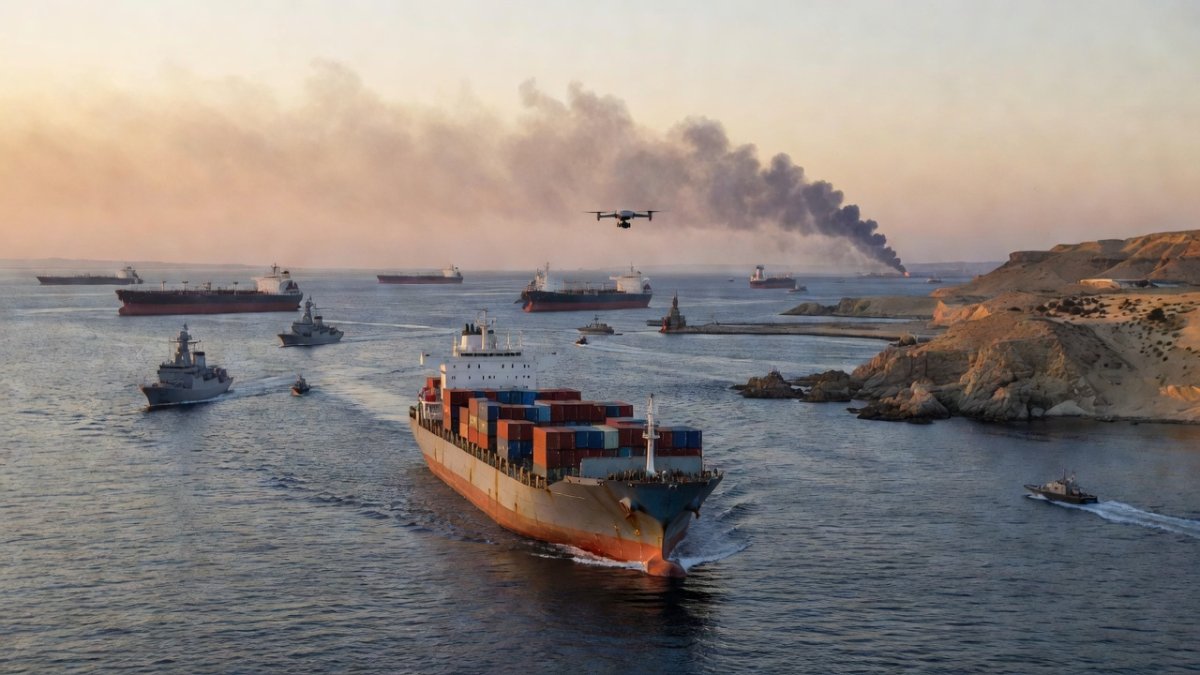
The Strait of Hormuz turned into the match that lit the fuse again. On June 25-26, Iran struck a cargo ship transiting the vital waterway, according to multiple verified reports from NBC News and AP News. That single move shredded whatever remained of the truce. President Trump didn't mince words—he called it a "foolish" breach and ordered immediate retaliation. The US response came fast on June 26 with strikes on Iranian targets.
Let me cut through the BS here. Hormuz isn't just another shipping lane. It's the chokepoint for a huge chunk of global oil. Iran knows exactly what it's doing by hitting vessels there. The attack wasn't random; it was a calculated signal that Tehran won't play by rules it never accepted. Al Arabiya's coverage highlighted how the strike disrupted commercial traffic immediately, forcing reroutes and spiking insurance costs overnight.
I've been tracking these flashpoints since the war's early days. The ship attack fits the pattern of escalation we've seen since June 1. Iran claims self-defense. The US sees it as aggression. Both sides are right in their own narratives and dead wrong for the rest of us who pay the price in higher energy costs and rising tensions. The ceasefire never stood a chance once Hormuz entered the equation.
IRGC Strikes Back
US military strikes on Iranian targets on June 26 triggered the predictable counterpunch. Iran's Islamic Revolutionary Guard Corps wasted no time targeting US-linked military sites across the region, Al Jazeera reported from the ground. This wasn't some rogue unit acting out—it was the IRGC executing a scripted response that everyone saw coming once the first American missile flew.
The cycle is exhausting and obvious. America hits, Iran hits back harder through its proxies and direct assets. The Guardian's analysis showed how these tit-for-tat moves have defined the entire 104-day conflict. Hezbollah involvement and Houthi attacks earlier in June set the template. Now the IRGC is doubling down on US positions, keeping the pressure high without triggering full-scale war—yet.
Call it what it is: a dangerous game of chicken where miscalculation could end the pause for good. I've spoken with sources who say the IRGC views these strikes as necessary deterrence. The US sees them as proof Iran can't be trusted. Both assessments miss the bigger truth—the ceasefire was theater, and the IRGC is simply refusing to stay offstage.
Bahrain Under Fire
Bahrain got dragged into the crossfire on June 27 when Iranian drones struck targets there. The attack marks a sharp escalation, pulling a key US ally directly into the line of fire. Reports from BBC and ABC News confirm the strikes hit sites with clear American connections, extending the IRGC's reach beyond previous boundaries.
This development changes the math. Bahrain hosts major US naval facilities. Hitting it isn't just symbolic—it's a direct challenge to American presence in the Gulf. The Guardian noted how the drone assault followed the US strikes on Iran by less than 24 hours, fitting the rapid retaliation pattern that's defined this phase of the conflict.
I've watched Bahrain navigate these tensions for years. Its leadership has tried to stay neutral while hosting US forces. That balancing act just got a lot harder. Iranian drones don't discriminate between military and political messages. The attack sends a clear warning to any regional player considering closer alignment with Washington. The fragile ceasefire framework never accounted for this kind of spillover.
Global Fallout
The UN's International Maritime Organization halted ship evacuations through the Strait of Hormuz after the latest attacks. That decision, reported across Al Jazeera and The New York Times, underscores how quickly commercial shipping has become collateral damage. Oil markets are already reacting with volatility that will hit consumers worldwide.
Iran and the US are trading blame in public statements that reveal zero interest in de-escalation. Each side points to the other's violations while ignoring their own contributions to the breakdown. The Guardian confirmed both capitals are framing the June 25-27 events as defensive necessities rather than aggressive resets of the conflict clock.
Folks, this isn't contained to the Gulf anymore. The IMO's move affects global trade routes that touch every continent. Energy prices, supply chains, and diplomatic relations are all feeling the ripple effects. The ceasefire signed June 14-15 was supposed to prevent exactly this kind of cascading crisis. Instead, we're watching the same actors repeat the same mistakes with higher stakes.
The Bottom Line
The bottom line is simple and ugly: the US-Iran ceasefire was never built to last, and the past 48 hours proved it. From the Hormuz ship attack to US retaliation, IRGC counterstrikes, and the Bahrain drone assault, every move has followed the script of escalation we've seen since June 1. The IMO's shipping halt is just the latest warning that this conflict refuses to stay regional.
I've been covering this story from Atlanta with sources across the region, and the pattern is unmistakable. Leaders on all sides prefer posturing over genuine off-ramps. The blame-trading between Washington and Tehran changes nothing on the ground.
Here's what you can do right now. Call your representatives and demand they push for real enforcement mechanisms instead of another handshake deal. Stay informed through verified outlets like Al Jazeera, The Guardian, and AP News rather than partisan spin. Share this story with people who still think the June 14-15 framework meant lasting peace. The next 48 hours could decide whether we get another pause or something far worse. The clock is ticking.
Source: Al Jazeera, The Guardian, NBC News, AP News, BBC, ABC News, The New York Times, Al Arabiya
By Jessica Ali, Lead Anchor — Global 1 News
This article was produced with AI-assisted research and editorial support. Reporting is based on sources cited in the article.
What's Your Reaction?
 Like
0
Like
0
 Dislike
0
Dislike
0
 Love
0
Love
0
 Funny
0
Funny
0
 Wow
0
Wow
0
 Sad
0
Sad
0
 Angry
0
Angry
0

Editor-in-Chief at Global1.News. Atlanta-based journalist who cuts through the BS and tells it like it is. Lead anchor, host, and the voice you hear when the spin stops and the truth starts.











Comments (0)