
Thailand's Pink Economy: From Visibility to Economic Value
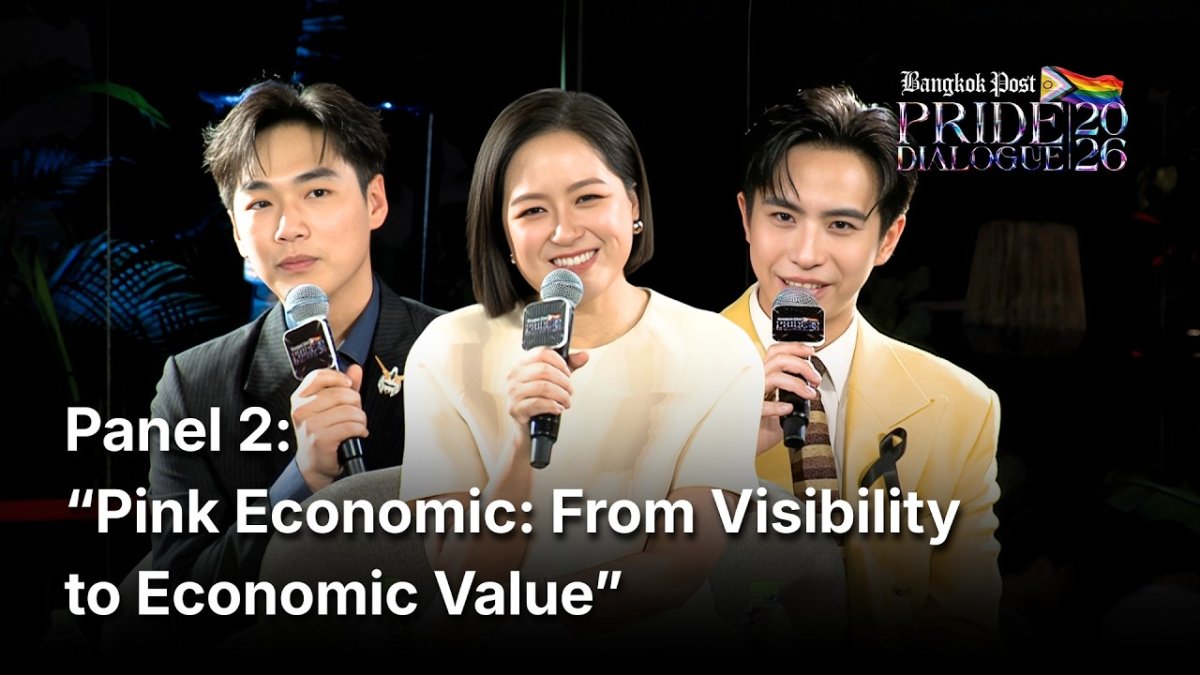
The Bangkok Post Pride Dialogue 2026 opened its second panel, titled Pink Economic: From Visibility to Economic Value, on June 26, 2026, at a venue in central Bangkok. The discussion examined how Thailand can use LGBTQ+ creativity, soft power, and inclusivity to draw investment, boost tourism, and build a stronger entertainment sector. Panelists focused on concrete steps to tur
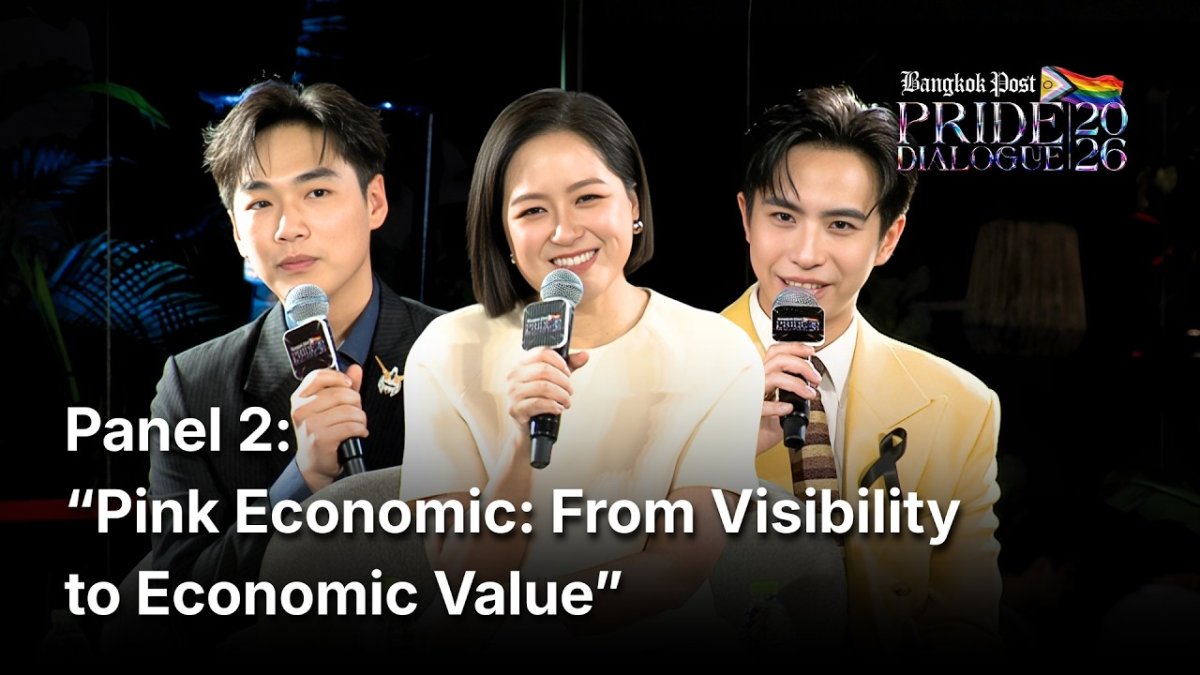
The Bangkok Post Pride Dialogue 2026 opened its second panel, titled Pink Economic: From Visibility to Economic Value, on June 26, 2026, at a venue in central Bangkok. The discussion examined how Thailand can use LGBTQ+ creativity, soft power, and inclusivity to draw investment, boost tourism, and build a stronger entertainment sector. Panelists focused on concrete steps to turn visibility into measurable economic gains across the creative economy.
Panelist Profiles and Key Contributions
Tanachai Kulsomboonsin, CEO and co-founder of Canvas Ventures International, opened the session by outlining investment pathways that link Thai startups with regional funds. He stressed that Bangkok-based ventures in media and design already attract capital from Singapore and Japan when they highlight inclusive storytelling.
Alisa Phanthusak Kunpalin, managing director of Tiffany's Show Pattaya, described how LGBTQ+ performers at the Pattaya venue have expanded the show's audience to include families and international tour groups. She noted that creative input from these performers now shapes costume design, choreography, and marketing campaigns that reach ASEAN markets.
Chindanai Dechawaleekul, actor and executive director of SOF Studios, explained that Thailand offers fans of Boys' Love and Girls' Love series a safe space to express themselves openly. He cited production locations in Bangkok and Chiang Mai where crews film scenes without the restrictions found in neighboring countries.
Thailand's Soft Power Advantages
Thailand's established reputation for hospitality and cultural openness gives it an edge in the regional soft power competition. The panel linked this advantage to the country's network of Buddhist temples that welcome diverse visitors during festivals such as Loy Krathong. These traditions support marketing campaigns that position Bangkok and Phuket as inclusive destinations for creative professionals.
Panelists pointed out that Thai entertainment exports, including series produced by SOF Studios, already circulate widely in Indonesia and the Philippines. This reach stems from the freedom fans enjoy at events in Bangkok, which contrasts with tighter controls elsewhere in Southeast Asia.
Economic Implications for Tourism and Entertainment
Tourism operators in Pattaya and Bangkok stand to gain from targeted packages that combine Tiffany's Show performances with visits to film sets. Alisa Phanthusak Kunpalin stated that such packages have increased repeat visits from Australian and European groups by 15 percent in recent seasons.
Investment in the creative economy flows more readily when companies see clear returns from inclusive content. Tanachai Kulsomboonsin reported that Canvas Ventures International has channeled funds into three Bangkok-based production houses that focus on LGBTQ+ narratives, creating jobs for local writers and technicians.
Entertainment revenue also rises when Thailand markets itself as a filming hub. Chindanai Dechawaleekul noted that international crews now choose locations near the Chao Phraya River because local authorities grant permits quickly and communities accept diverse casts without incident.
ASEAN Regional Context and Opportunities
Thailand's approach aligns with broader ASEAN goals of economic integration through cultural industries. The panel compared progress in Bangkok with slower adoption in other member states, where legal and social barriers limit fan events and production.
Links to the first panel of the same dialogue reinforced this view. Lisa Davidson of the Australian Embassy and Numan Afifi of the APCOM Foundation had earlier described how diversity policies translate into trade advantages. Their points echoed the second panel's emphasis on turning inclusion into export earnings for Thailand's creative sector.
Future Outlook for Thailand's Pink Economy
Observers will watch for new partnerships between Thai government agencies and private studios in the coming months. The Election Commission of Thailand and the Ministry of Foreign Affairs have signaled interest in supporting events that showcase the country's inclusive image abroad.
Continued growth depends on sustained investment in training programs for LGBTQ+ creators in Isaan region cities and expanded distribution deals across ASEAN. Panelists agreed that measurable increases in tourism receipts and entertainment exports will confirm whether visibility has fully converted into lasting economic value.
By Ann Srisawat, Staff WriterThis article was produced with AI-assisted research and editorial support. Reporting is based on sources cited in the article.
What's Your Reaction?
 Like
0
Like
0
 Dislike
0
Dislike
0
 Love
0
Love
0
 Funny
0
Funny
0
 Wow
0
Wow
0
 Sad
0
Sad
0
 Angry
0
Angry
0

Southeast Asia Correspondent at Global1.News. Based in Bangkok, covering Thai and Southeast Asian politics, economy, technology, and culture. Deep regional perspective on one of the world's most dynamic regions.












Comments (0)