
The Polygamist: Netflix's Zulu-Language Series Takes Africa by Storm
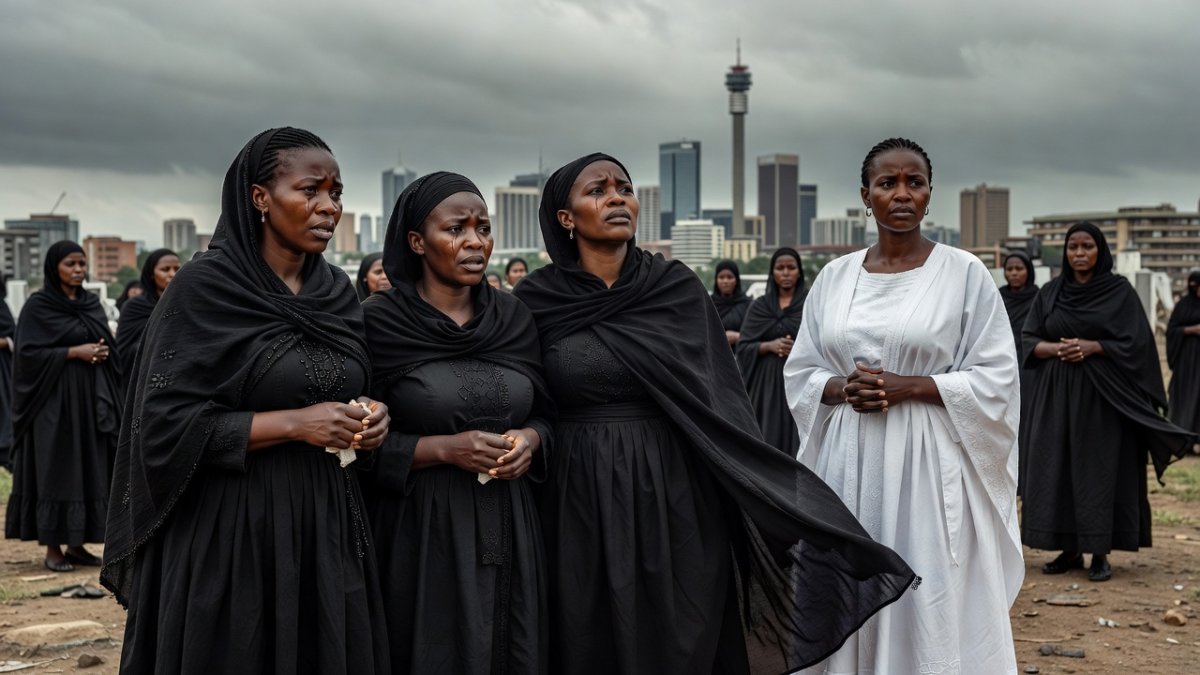
The Funeral Opening Scene Hooks Viewers Worldwide The series opens at the funeral of wealthy Johannesburg businessman Jonasi Gomora, where his three wives appear in black while his mistress stands out in white, immediately drawing audiences into a tale of secrets and divided loyalties. This striking visual sets the tone for a 22-episode Zulu-language drama that has captivated v
The Funeral Opening Scene Hooks Viewers Worldwide
The series opens at the funeral of wealthy Johannesburg businessman Jonasi Gomora, where his three wives appear in black while his mistress stands out in white, immediately drawing audiences into a tale of secrets and divided loyalties. This striking visual sets the tone for a 22-episode Zulu-language drama that has captivated viewers since its Netflix debut on June 12, 2026. From my Senegalese vantage point, such dramatic family entrances echo the communal rituals we know in Dakar, where grief often reveals hidden layers of relationships across our diverse communities.
Jonasi's life as a man with three wives and a mistress mirrors the complex personal choices that many African families navigate, making the opening scene both shocking and relatable. The contrast in attire underscores the tension between tradition and modernity that hooks global audiences right from the start. In Senegal, similar stories of blended households spark lively conversations during evening gatherings, reminding us how storytelling unites us across the continent.
Viewers are pulled into the narrative as the funeral exposes the fractures in Jonasi's world, promising deeper explorations of love, wealth, and legacy. This bold beginning has contributed to the show's rapid rise, proving that African stories told in local languages can transcend borders. The scene invites reflection on how such family dynamics shape societies from Johannesburg to Dakar.
The Creative Team Blends Literary Roots with South African Vision
Based on the 2012 novel by Zimbabwean author Sue Nyathi, the series brings a fresh Zimbabwean perspective to Zulu storytelling through its adaptation. Produced by Netflix in collaboration with Stained Glass TV of South Africa, it benefits from authentic local production values that honor cultural nuances. As a Senegalese journalist, I see parallels in how our own writers draw from regional histories to craft narratives that resonate far beyond West Africa.
(Global 1 News)
Executive producers Gugu Zuma-Ncube and Thuli Zuma, daughters of former president Jacob Zuma, infuse the project with personal insight and industry expertise. Their involvement ensures the series captures the vibrancy of South African life while connecting to broader African experiences of family and ambition. This partnership highlights the growing power of intra-African collaborations in global media.
The creative choices honor the novel's themes while expanding them for television, creating a series that feels both intimate and epic. By rooting the story in Zulu language and customs, the team celebrates linguistic diversity that echoes Senegal's own multilingual heritage. Such efforts strengthen the continent's storytelling traditions for new generations.
Global Reception Surges with Two Million Views in the First Week
The Polygamist achieved two million views in its first week and reached number four globally among non-English series, signaling strong international appetite for African content. It entered the top 10 charts in South Africa, Kenya, Nigeria, and Mauritius while gaining popularity in unexpected places like Trinidad, Romania, and the Dominican Republic. From Senegal, where Netflix libraries increasingly feature Zulu and other African productions, this success feels like a shared victory for our creative industries.
Audiences across these nations have embraced the series for its honest portrayal of wealth and relationships, sparking discussions in living rooms and online forums alike. The numbers reflect how stories rooted in one culture can travel widely when they touch universal emotions. This momentum encourages more investment in local languages and talents throughout Africa.
The rapid climb demonstrates Netflix's strategy of championing non-English titles, opening doors for similar projects from Senegal and beyond. Viewers appreciate the cultural specificity that makes the show feel authentic yet accessible. Such global rankings affirm that African narratives deserve center stage in world entertainment.
Celebrity Reactions Amplify the Series' Cultural Reach
Taraji P. Henson shared that the show had her "in a chokehold," binge-watching all episodes in a single day and praising its gripping storytelling. Sherri Shepherd described it as "Crazy rich Africans is a whole nother level," highlighting the extravagant family dynamics on display. Nigerian star Davido tweeted "Yo JONASI is WILD," capturing the chaotic energy that resonates with fans across the diaspora.
In Nairobi, minibus taxis have been redecorated with Jonasi's face, turning the character into a street-level icon that sparks conversations among commuters. These reactions show how the series has moved beyond screens into everyday African life, much like popular dramas do in Senegal's bustling markets. Celebrity endorsements further bridge cultural gaps between continents.
The buzz from these voices has helped propel the show into living rooms from Lagos to Dakar, where families debate the same themes of love and loyalty. Such endorsements validate the series as a cultural touchstone rather than mere entertainment. They remind us of the power of African celebrities in shaping global conversations about our traditions.
Polygamy in Modern Africa Sparks Debate Across Generations
Polygamy remains legally recognized in South Africa under Zulu, Xhosa, Ndebele, and Venda customary law, providing a real-world foundation for the series' exploration of multiple marriages. In Senegal, where Muslim traditions have long permitted polygamous unions under certain conditions, the show prompts similar reflections on family structures and societal change. Viewers like Letlhogonolo Mogale have pointed to the portrayal of "broken families and broken society," igniting discussions that cross borders.
Younger generations in both countries question how these practices evolve amid urbanization and shifting values, while elders often defend them as cultural anchors. The series captures this tension without judgment, allowing audiences to draw their own parallels to Senegalese households navigating the same balance. Such debates strengthen communal bonds as families share stories over shared meals.
By presenting polygamy through a contemporary lens, the drama encourages honest dialogue about love, responsibility, and legacy across the continent. In Senegal, these conversations often arise during family ceremonies, mirroring the show's themes. The legal and cultural contexts enrich our understanding of how tradition adapts in modern Africa.
Sdumo Mtshali Brings Jonasi to Life with Depth and Complexity
Actor Sdumo Mtshali delivers a compelling performance as Jonasi Gomora, embodying the contradictions of a wealthy man juggling three wives and a mistress. His portrayal highlights the emotional toll on families, resonating with viewers who recognize similar strains in their own communities from Johannesburg to Dakar. The character's charisma and flaws make him unforgettable, driving the narrative forward.
Audiences have praised Mtshali for capturing the joy and pain of such a life, with reactions often focusing on the dysfunction that emerges after Jonasi's death. This character study invites reflection on how individual choices ripple through extended families in African societies. In Senegal, similar figures in local folklore remind us of the timeless nature of these human struggles.
The performance elevates the series beyond melodrama, grounding it in authentic emotional truth that connects with broader continental experiences. Viewers appreciate the nuance that avoids stereotypes while confronting real issues. Mtshali's work stands as a testament to the talent emerging from South African screens.
Zuma Family Ties Add Personal Authenticity to the Production
Jacob Zuma, at 84 years old with four current wives, six marriages, and approximately 20 children, provides a real-life parallel that informs the series' authenticity. Executive producers Gugu Zuma-Ncube and Thuli Zuma have noted that "a lot of scenes you see in the show are taken directly out of our lives," blending personal history with fiction. This connection lends credibility that resonates deeply with Senegalese audiences familiar with prominent families navigating public and private spheres.
The producers' involvement bridges the gap between political legacy and creative expression, enriching the portrayal of polygamous households. Their insights ensure cultural details feel lived-in rather than observed, fostering trust among viewers across Africa. Such family involvement highlights how personal stories fuel powerful art.
By drawing from their experiences, the Zuma daughters contribute to a narrative that feels both specific and universal, encouraging similar projects rooted in lived realities. The link to Jacob Zuma's life adds layers of intrigue without overshadowing the fictional world. This approach celebrates the intersection of family, culture, and media in modern Africa.
African Film Industry Implications Point to a Bright Future
The success of this Zulu-language series signals expanding opportunities for African productions on global platforms, inspiring creators in Senegal and beyond to tell their own stories with pride. With strong viewership and cross-continental appeal, it demonstrates the commercial viability of local languages and customs in international markets. This momentum could lead to more collaborations that celebrate our shared heritage while honoring regional differences.
Industry observers note that such hits strengthen the entire ecosystem, from writers and actors to distributors across the continent. In Senegal, where cinema has deep roots, this example encourages investment in similar ambitious projects that reach worldwide audiences. The ripple effects promise greater visibility for diverse African voices.
Ultimately, The Polygamist reminds us that our stories of family, tradition, and change hold power far beyond our borders. As we celebrate this achievement, Senegalese and African creators alike look ahead to a future rich with authentic narratives.
Source: BBC Africa
By Amara Diop, Staff WriterThis article was produced with AI-assisted research and editorial support. Reporting is based on sources cited in the article.
What's Your Reaction?
 Like
0
Like
0
 Dislike
0
Dislike
0
 Love
0
Love
0
 Funny
0
Funny
0
 Wow
0
Wow
0
 Sad
0
Sad
0
 Angry
0
Angry
0
West Africa/Sahel Correspondent at Global1.News. Dakar-based journalist covering politics, security, climate, and development across Francophone and Anglophone West Africa. Tells the stories of a region undergoing profound transformation.











Comments (0)