
Mocidade Alegre Wins São Paulo Carnival 2026 With Yoruba Tribute
The 2026 São Paulo Carnival was a triumphant celebration of Afro-Brazilian culture, with samba schools transforming the Anhembi Sambadrome into a living museum of African heritage.
The 2026 São Paulo Carnival was a triumphant celebration of Afro-Brazilian culture, with samba schools transforming the Anhembi Sambadrome into a living museum of African heritage. At the centre of it all stood Mocidade Alegre, crowned champion with a spectacular tribute to Yoruba spirituality and Black Brazilian identity that captivated the world.
Samba, Resistance and Magic: Mocidade Alegre's Yoruba Tribute Wins São Paulo Carnival 2026
São Paulo, Brazil — The Sambódromo do Anhembi erupted in a wave of rhythm and colour as Mocidade Alegre claimed its 13th championship title at the 2026 São Paulo Carnival, securing victory with a breathtaking parade that paid homage to Yoruba orixás and the legacy of Afro-Brazilian actress Léa Garcia. The winning enredo, "Malunga Léa – Rapsódia de uma Deusa Negra," transformed the Anhembi into an open-air celebration of African diaspora culture, reminding the world that samba's heartbeat is fundamentally African.
The Winning Enredo: Malunga Léa and the Celebration of Black Goddesses
Mocidade Alegre's winning theme "Malunga Léa – Rapsódia de uma Deusa Negra" was crafted by carnavalesco Caio Araújo in his first title win in Grupo Especial. The enredo paid tribute to the late Afro-Brazilian actress Léa Garcia who lived from 1933 to 2023 and served as co-founder of the Teatro Experimental do Negro. Her work broke barriers in Brazilian film and television across decades of performances.
The parade explored Yoruba orixás alongside quilombo resistance stories and the enduring power of Black female identity. Mocidade Alegre scored 269.8 points and edged out Gaviões da Fiel by just 0.1 points in the closest competition in recent memory. The school known as Morada do Samba last won the title in 2024 before claiming this year's victory.
Caio Araújo wove the samba lyrics that included the line Ô! Malunga ê! Malunga Léa, arroboboi / Toca o bravum com ancestralidade / No terreiro Mocidade! These words echoed through the Anhembi Sambadrome during the February 7-21 2026 parades. Fourteen samba schools competed in the Grupo Especial division under Liga-SP organization.
Léa Garcia died in August 2023 at age 90 leaving a legacy that the parade honored through every ala and comissão de frente. The enredo connected her life directly to the orixás and the strength of Black women in Brazilian society. Mocidade Alegre's 13th title this year reaffirmed its place as a leading voice in São Paulo carnival.
The school's presentation featured detailed costumes and floats that depicted scenes from Léa Garcia's career and her activism with the Teatro Experimental do Negro. Judges awarded high marks for the integration of historical research with spectacular visual elements. This victory came after months of preparation that began in recent months following the 2024 win.
Community members from São Paulo's Afro-Brazilian neighborhoods joined the bateria and the ala das baianas to bring the story to life. The enredo reminded spectators that Black Brazilian identity remains rooted in African spiritual traditions that crossed the Atlantic centuries ago.
The Viral Yemoja Float: 10,000 Litres of Ancestral Water
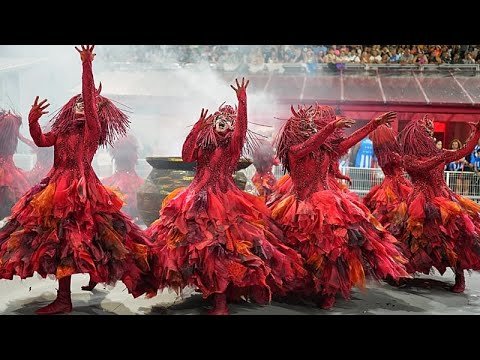
The highlight of Mocidade Alegre's parade was the spectacular allegorical float dedicated to Yemoja the Yoruba orixá of oceans motherhood and creation. The float featured a stunning water installation that sprayed approximately 10,000 litres of cascading water creating the illusion of the goddess rising from the sea. Dynamic lighting and massive scale made the structure one of the most memorable sights of the night.
Videos of the Yemoja float went viral across social media shared by Yoruba cultural accounts Nigerian diaspora communities and pan-African platforms. Viewers in West Africa and the Americas paused to watch the water effects that symbolized both the Middle Passage and spiritual renewal. The float's design drew directly from traditional depictions of Iemanjá in Candomblé terreiros.
Yemoja is known as Yemayá Iemanjá or Mãe d'Água in Brazil where she serves as goddess of oceans motherhood and fertility. The 10,000 litres of water effects required careful engineering to ensure safety while delivering visual impact. Many African and diaspora accounts celebrated the float as a powerful reconnection with ancestral Yoruba traditions that survived the transatlantic slave trade.
The float moved through the Anhembi Sambadrome on the second night of Grupo Especial parades drawing sustained applause from the crowd. Social media metrics showed millions of views within hours of the performance. Yoruba cultural organizations in Nigeria and Benin shared the footage with captions noting the continuity of their cosmology in Brazilian carnival.
Designers incorporated shells beads and blue fabrics that reference Yemoja's attributes in both Brazilian and West African practice. The water installation recycled much of its volume to minimize waste during the long parade route. This technical achievement combined with cultural authenticity helped secure Mocidade Alegre's narrow victory.
Community elders from São Paulo's Candomblé houses blessed the float before it entered the Sambadrome. Their participation underscored the living connection between the orixá and the people who maintain these traditions today. The viral moment extended the reach of the 2026 carnival far beyond Brazil's borders.
Afro-Brazilian Themes Across the Sambadrome
Mocidade Alegre was not alone in centering Afro-Brazilian heritage during the 2026 parades. Império de Casa Verde opened the second night of the Special Group parades with Império Dos Balangandãs: Joias Negras Afro-brasileiras. The enredo explored the tradition of balangandãs Afro-Brazilian silver charms and amulets with deep roots in Candomblé and Bahian culture worn by Black women as symbols of protection and identity.
Barroca Zona Sul presented Oro Mi Maió OXUM a direct homage to Oxum the orixá of fresh waters love and fertility. The school's chant-based samba invoked the goddess through lyrics and choreography that honored her role in Afro-Brazilian spiritual life. Performers wore golden costumes that reflected Oxum's association with rivers and beauty.
Camisa Verde e Branco finished in 10th place with Abre Caminhos an enredo invoking Exu the messenger orixá who opens pathways in Afro-Brazilian spiritual traditions. The presentation highlighted Exu's role as guardian of crossroads and communicator between humans and the divine. These themes resonated with audiences familiar with Candomblé practices across São Paulo.
Each school integrated research from local terreiros and historical archives to ensure respectful representation. The concentration of Afro-Brazilian themes this year reflected a deliberate choice by carnavalescos to foreground ancestral connections. Spectators noted the continuity between the different enredos as they moved through the Anhembi Sambadrome.
Judges praised the schools for balancing spectacle with cultural accuracy in their depictions of orixás and protective symbols. The parades created a collective narrative of resistance and celebration that echoed across the February 7-21 2026 period. This focus strengthened the carnival's role as a living archive of African heritage in Brazil.
Younger members of the samba schools learned the stories behind balangandãs and the orixás during months of rehearsals. Their participation ensures these traditions pass to the next generation of performers and designers. The shared emphasis on Black Brazilian identity created a powerful through-line across all 14 competing schools.
Samba as African Heritage: The Rhythms That Crossed the Atlantic
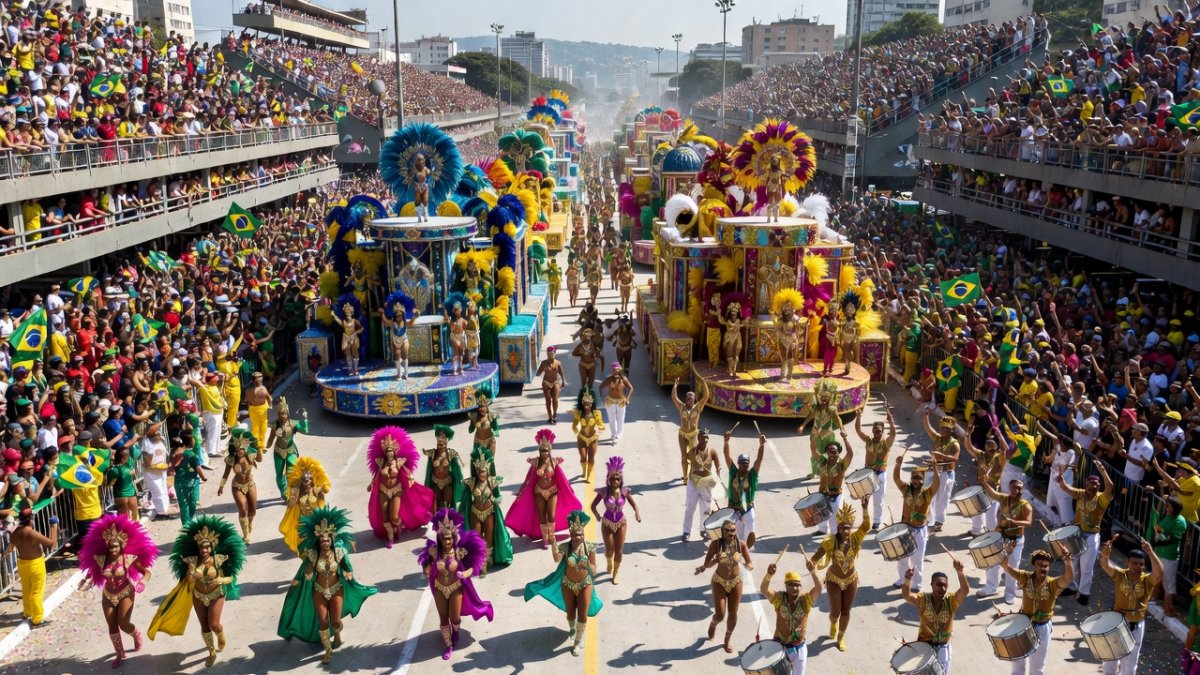
Samba's origins trace to African rhythms brought by enslaved Yoruba Bantu and other West and Central African peoples. The evolution of samba from Afro-Brazilian communities in Bahia and Rio de Janeiro produced the distinctive style heard at the Anhembi Sambadrome this year. These rhythms adapted over centuries while retaining their polyrhythmic core.
The bateria percussion ensemble relies on African-derived instruments including the surdo caixa tamborim and agogô. Each instrument carries forward techniques developed in African musical traditions that arrived in Brazil during the slave trade. The surdo provides the deep heartbeat while the agogô adds metallic accents familiar to listeners across the diaspora.
The ala das baianas evokes Candomblé traditions through their white dresses and circular movements that recall ceremonies in terreiros. These elements appear in every São Paulo carnival parade organized by Liga-SP. The 14 schools that competed in February 2026 maintained this African heartbeat throughout their presentations.
Polyrhythms of samba echo the sabar and djembe traditions of West Africa including those still performed in Senegal today. Senegalese drummers recognize the shared structures when they hear Brazilian bateria recordings. This musical kinship underscores the broader cultural connections that the 2026 carnival celebrated.
European and indigenous influences blended with African foundations yet the essential pulse remains African. Historians document how enslaved communities in Brazil preserved and transformed these rhythms under conditions of oppression. The result is a musical form that continues to carry ancestral memory into the present.
Visitors from West Africa who attended the 2026 parades noted immediate recognition of rhythmic patterns. Their presence at the Anhembi Sambadrome highlighted the living exchange between continents that samba embodies. The bateria sections drew the loudest cheers as they drove each school's enredo forward.
The African Diaspora Connection: From Senegal to São Paulo
The transatlantic link between West Africa and Brazil brought over 4 million enslaved Africans to Brazil more than any other country in the Americas. The survival and adaptation of Yoruba Fon and Bantu spiritual traditions in Candomblé and Umbanda preserved these heritages across generations. Cultural exchange between Nigeria Benin Senegal and Brazil continues through music religion and festival practice.
Mocidade Alegre's water-themed Yemoja float resonated deeply with West African communities because Yemoja is central to Yoruba cosmology worshipped across Nigeria Benin and the African diaspora. The symbolism of the water float represented water as the medium of ancestral connection the Middle Passage and spiritual cleansing. Many viewers in Dakar and Lagos recognized the imagery immediately.
Senegalese parallels include the Lebou people's reverence for Mame Coumba Bang a protective water spirit in Senegalese tradition. This figure shares attributes with Yemoja and Iemanjá demonstrating how water spirits appear across coastal West African cultures. The 2026 carnival float thus spoke to multiple traditions simultaneously.
Over 4 million enslaved Africans arrived in Brazil carrying knowledge of orixás rhythms and protective symbols that later shaped samba and carnival. The adaptation of these elements in new contexts created the rich Afro-Brazilian culture celebrated at the Anhembi Sambadrome. Contemporary exchanges between Senegalese and Brazilian artists build on this foundation.
The viral spread of the Yemoja float footage reached Senegalese cultural accounts that drew connections to local water spirit practices. These digital conversations extended the carnival's impact beyond physical attendance. Artists in both countries now reference each other's work in new compositions and visual art.
Brazilian and West African religious communities maintain ongoing dialogue through visits and shared ceremonies. The 2026 São Paulo Carnival made these connections visible to a global audience through spectacular floats and samba. The result was a renewed appreciation for the depth of African heritage preserved in Brazilian carnival traditions.
What This Means for Africa's Cultural Renaissance
The São Paulo Carnival's celebration of African heritage reflects a broader global recognition of the African diaspora's cultural contributions. For African artists musicians and cultural practitioners Mocidade Alegre's victory demonstrates that African-rooted storytelling can win on the world's biggest stages. This intersection of tourism cultural preservation and creative economy is mirrored on the continent from Dakar's Carnival to Lagos' Afrochella.
From Saint-Louis Jazz Festival to the Dakar Biennale African institutions continue to highlight diaspora connections. The 2026 carnival victory showed that authentic engagement with Yoruba themes can achieve both critical acclaim and popular success. Filmmakers and musicians from Senegal and Brazil increasingly collaborate on projects that explore these shared histories.
The economic impact of carnival generating billions of reais for São Paulo's economy offers a model for African cities investing in cultural festivals. African filmmakers musicians and designers recognize the cultural siblings separated by the Atlantic. Opportunities for African-Brazilian creative exchange continue to grow as carnival season inspires year-round cultural tourism.
FESPACO in Ouagadougou has featured Brazilian films that explore similar themes of ancestral memory and resistance. These screenings create spaces for dialogue between African and Afro-Brazilian creators. The 2026 São Paulo Carnival was not just Brazil's story it was Africa's story told in samba rhythm under the lights of the Anhembi.
Young African artists studying the Mocidade Alegre enredo find inspiration for their own work in music visual art and performance. The global resonance of the Yemoja float encourages new projects that bridge continents. This cultural renaissance draws strength from the same ancestral sources that powered the 2026 parades.
Collaborations between Senegalese and Brazilian cultural organizations have increased in recent months following the carnival. These partnerships focus on preserving and innovating within shared traditions. The victory of Mocidade Alegre serves as a reminder that African stories told with authenticity reach audiences worldwide.
Looking Ahead: Carnival 2027 and Beyond
By July 2026 São Paulo's samba schools were already selecting their sambas-enredo and preparing for the 2027 carnival cycle with preliminary dates announced for presentations by schools including Pérola Negra and Vai-Vai. The legacy of the 2026 carnival with its unprecedented focus on Afro-Brazilian themes is expected to influence future enredos as schools recognize the global resonance of African diaspora storytelling.
The growing African diaspora tourism to Brazil brings visitors who seek connections to the orixás and samba traditions. The economic impact of carnival generating billions of reais for São Paulo's economy supports continued investment in these cultural events. A rising number of African artists now perform at Brazilian festivals creating new exchanges each year.
Vai-Vai one of São Paulo's historic samba schools was preparing for 2027 with renewed attention to ancestral themes after witnessing Mocidade Alegre's success. The 2026 carnival proved that when samba schools tell African stories with authenticity and spectacle the world watches. Future parades will likely build on this momentum.
Organizers at Liga-SP have noted increased interest from international cultural institutions seeking partnerships. These developments point to expanded opportunities for African-Brazilian collaboration in the coming years. The 2026 victory set a standard for how carnival can serve as a platform for heritage celebration.
Schools across the Grupo Especial are studying the technical and narrative elements that contributed to Mocidade Alegre's 269.8-point win. This analysis will shape preparations for the next cycle. The focus on Yoruba spirituality and Black Brazilian identity has become a reference point for creative teams.
The 2026 São Paulo Carnival demonstrated the enduring power of African heritage in Brazilian carnival traditions. As preparations for 2027 advance the lessons from this year's parades continue to resonate in São Paulo and across the Atlantic. The story of Mocidade Alegre's triumph will influence cultural expression for years to come.
By Amara Diop, Staff Writer
This article was produced with AI-assisted research and editorial support. Reporting is based on sources cited in the article.
What's Your Reaction?
 Like
0
Like
0
 Dislike
0
Dislike
0
 Love
0
Love
0
 Funny
0
Funny
0
 Wow
0
Wow
0
 Sad
0
Sad
0
 Angry
0
Angry
0

West Africa/Sahel Correspondent at Global1.News. Dakar-based journalist covering politics, security, climate, and development across Francophone and Anglophone West Africa. Tells the stories of a region undergoing profound transformation.












Comments (0)