
Echoes of the Mother: Kenyan Surnames and the Heart of African Identity
Echoes of the Mother: Kenyan Surnames and the Heart of African Identity From Dakar: Observing Kenya's Maternal Naming Shift In the bustling markets of Dakar, where Wolof traders call out names that carry generations of family history, news of Kenyan men choosing their mothers' surnames travels with the same quiet force as stories of the diaspora. From my vantage point as a Sene
Echoes of the Mother: Kenyan Surnames and the Heart of African Identity
From Dakar: Observing Kenya's Maternal Naming Shift
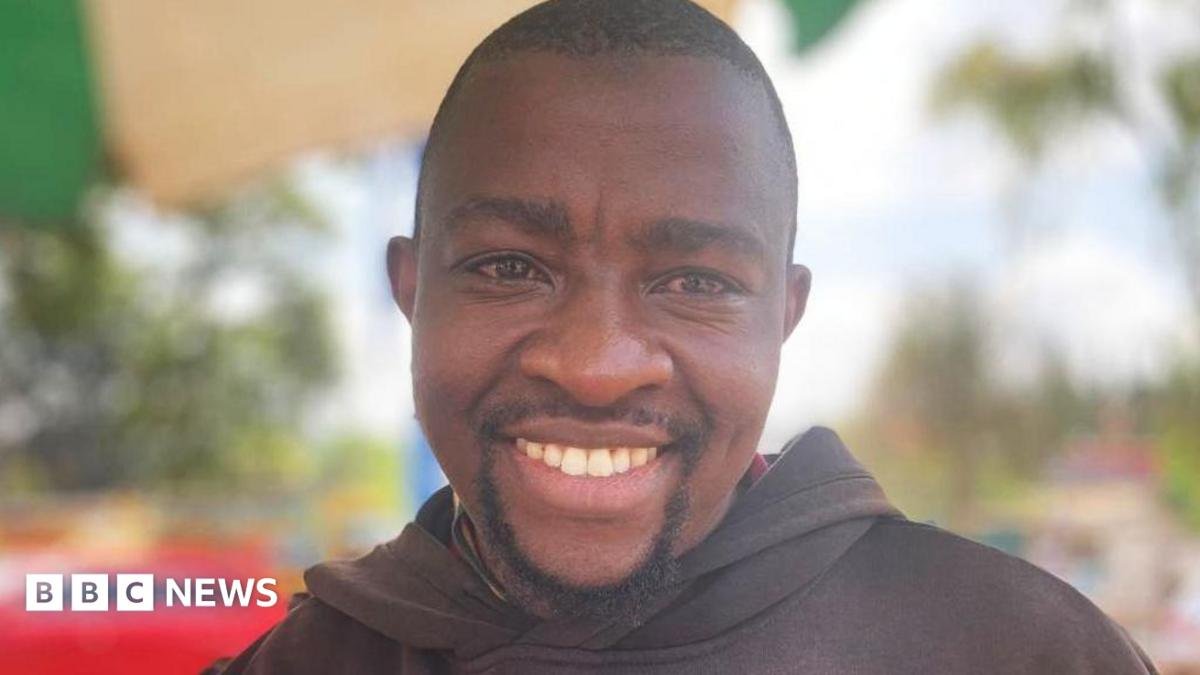
In the bustling markets of Dakar, where Wolof traders call out names that carry generations of family history, news of Kenyan men choosing their mothers' surnames travels with the same quiet force as stories of the diaspora. From my vantage point as a Senegalese journalist, this trend among Kikuyu families feels both distant and intimately familiar. As reported by the BBC, Simon Macharia Wangui chose his mother's name as his surname after being raised by his grandmother following his mother's death in 2003. He had no surname until high school and asked, "Why give somebody credit where it does not exist?" of his absent father. The practice challenges the automatic credit given to paternal lines in many East African communities without assuming every group follows identical customs.
Kenyan men like Wangui are not merely rebelling; they are reclaiming a narrative rooted in lived experience. Single mothers in Nairobi's estates raise children who later decide that the name they carry should reflect the parent who stayed. This choice ripples outward, prompting conversations in Senegalese households about whether our own naming customs, centered on geer surnames passed through fathers, might one day bend toward maternal acknowledgment. The debate arrives in Dakar through social media clips and diaspora gatherings, where young people compare notes on identity across borders.
What stands out from Senegal is the courage required to make such a public declaration. In a continent where names function as social passports, altering a surname invites scrutiny. Yet the Kenyan example offers a mirror for specific communities where maternal presence has shaped daily survival. The trend invites us to examine how daily life in African cities already reshapes traditions once thought fixed, particularly among Kikuyu families navigating urban migration and changing household structures.
The Kikuyu Tradition Explained: Matrilineal Roots in Gikuyu and Mumbi
Among the Kikuyu, lineage has long carried a connection to the 10 daughters of Gikuyu and Mumbi, the mythical founders whose story Mugwe wa Njuihi of the Kiama Kia Ma cultural group recalls with precision, as reported by the BBC. He notes, "We have always aligned ourselves with women, from the very beginning." This origin narrative positions women at the center of clan identity, even as daily naming practices shifted toward paternal transmission over time. Traditionally, children inherit their father's first name as a surname, creating a chain that links each generation to the male line. Yet the cultural expert Wairimu Mukuru observes that single-mother families have grown more common, with the mother's eldest brother traditionally taking on a fatherly role in some households.
MP John Njuguna Wanjiku, first elected in 2021 and raised by a single mother, uses the prefix "Ka-Wanjiku," meaning child of Wanjiku, to signal this bond openly, according to BBC reporting. The choice does not erase paternal absence but affirms the presence that shaped character and survival. Kikuyu naming thus becomes a living record rather than a rigid formula, allowing individuals to trace their story back to the women who sustained the household. This flexibility draws from the foundation myth that places daughters at the heart of the people's beginning.
The practice also reflects broader shifts in Kenyan society where economic pressures and urban migration have altered family structures. Men who select their mother's name are not inventing a new custom but returning to an emphasis on the maternal line that the Gikuyu story has preserved. Such decisions carry weight in community gatherings, where elders weigh respect for tradition against the realities of modern parenting. The result is a quiet evolution that keeps cultural memory alive while adapting to present needs in specific Kenyan communities.
Senegalese Parallels: Wolof Geer, Serer Lineage, and Teddungal Ceremonies
In Senegal, the Wolof geer system assigns family names that typically follow the father's line, yet maternal influence surfaces during the teddungal naming ceremony held seven days after birth. At this gathering, elders invoke both parents' lineages, and the child's given name often honors a grandmother or aunt whose character the family wishes to emulate. Serer communities, with their historical emphasis on maternal clans, provide an even closer parallel to the Kenyan shift in certain inheritance rights and social identities that pass through the mother's side.
When Kenyan musicians adopt names like Kigia wa Esther, as reported by the BBC, Senegalese listeners recognize the same impulse that surfaces in our own naming rituals. A child might receive a patronymic that acknowledges the mother's strength, especially when the father has been absent. This practice preserves dignity without discarding the geer entirely. Families in Dakar and Thiès discuss these choices during evening meals, weighing how a name shapes opportunities in school and later employment.
The cultural connection runs deeper than surface similarity in these specific communities. Both societies value names as vessels of memory and responsibility. A Senegalese mother whose son chooses her name in a public forum echoes the Kenyan broadcaster who faces questions about his identity. These decisions highlight how naming traditions in Wolof, Serer, and Kikuyu contexts have often given weight to maternal contributions even when formal customs emphasized fathers.
The Price of Breaking Tradition: Stigma and Personal Cost
Fred Mutiriri's experience reveals the sharp edge of social resistance, as reported by the BBC. At twenty-three, the television personality dropped his mother's name after enduring relentless ridicule that led to depression. Colleagues and strangers questioned his masculinity, suggesting that carrying a woman's surname signaled weakness or incomplete upbringing. Such comments reflect a wider belief, voiced by motivational speaker Robert Burale, that children raised by single parents somehow lack certain moral foundations.
Broadcaster Evans Kibe Waceke has observed how these assumptions circulate in Kenyan workplaces and social circles. Men who publicly align with their mothers encounter jokes that question their fitness for leadership or marriage. The pressure becomes especially acute in professional settings where surnames function as shorthand for family reputation. Mutiriri's decision to revert to a paternal name underscores the emotional toll when cultural expectations clash with personal truth.
Yet the cost is not only individual. Families that support maternal naming often face community exclusion, with elders warning that such choices erode respect for established order. In Senegal, similar tensions arise when young people propose altering geer transmission during teddungal discussions. The Kenyan stories serve as cautionary examples that prompt deeper conversations about how societies can honor both tradition and the lived realities of single motherhood without punishing those who choose differently.
Music as Cultural Vanguard: Benga Artists Leading Change
Musician Peter Kigia chose his mother's name for his stage identity, performing as Kigia wa Esther, as reported by the BBC. In benga music, a genre rooted in Luo and Kikuyu rhythms that fills dance halls across Kenya, this choice carries particular resonance. Kigia states plainly that taking the mother's name signals love and respect for the parent who remained present. Fellow artists Waithaka wa Jane and 90K Ka Msoh have followed the same path, embedding maternal acknowledgment into their public personas.
Benga performances become spaces where audiences witness these names celebrated rather than mocked. The music's upbeat tempo and storytelling lyrics allow artists to frame maternal surnames as sources of pride and continuity. Young listeners in Nairobi and Kisumu absorb these messages, carrying them into family discussions about their own naming choices. The stage thus functions as a laboratory for cultural experimentation that later influences everyday life.
From a Senegalese perspective, this artistic leadership mirrors how griots and modern musicians here have long used performance to negotiate identity questions. When Kenyan benga artists normalize maternal names, they create pathways for others to follow without immediate social penalty. The genre's popularity ensures that the conversation reaches beyond elite circles into working-class neighborhoods where single mothers raise the next generation of musicians and fans.
African Gender Dynamics: Patriarchy, Single Mothers, and Modernity
The Kenyan trend intersects with shifting gender expectations across the continent. Patriarchal structures that once dictated automatic paternal naming now confront the reality of households sustained by women in many urban Kenyan settings. Single mothers in both Kenya and Senegal manage businesses, educate children, and maintain extended family ties, yet their contributions often remain unnamed in official records. Men who select maternal surnames publicly validate this labor in specific communities.
This evolution does not dismantle patriarchy overnight but introduces visible cracks where personal choice can emerge. In urban centers, economic independence allows women greater influence over how their children present themselves to the world. The debate in Kenya, with figures like MP John Njuguna Wanjiku modeling alternative paths, encourages similar reflections in Dakar about whether geer names might someday accommodate maternal recognition without conflict.
Modernity accelerates these changes through migration, education, and digital connectivity. Young Africans compare practices across borders, recognizing that honoring a mother's name strengthens rather than weakens family bonds. The result is a gradual recalibration of gender roles that values presence and care over rigid lineage rules in the communities where these shifts are occurring.
Closing Reflection: A Continent Re-examining Its Naming
Across Africa, names remain powerful markers of belonging and memory. The Kenyan men who carry their mothers' surnames join a broader continental conversation about whose stories deserve public recognition. From the 10 daughters of Gikuyu and Mumbi, as described in BBC reporting, to the teddungal ceremonies of Senegal, maternal lines have shaped identity even when formal customs emphasized fathers in particular ethnic groups. This trend invites societies to align naming practices more closely with the daily realities of family life.
As these choices spread through music, politics, and personal testimony, they challenge communities to reconsider what constitutes strength and respect. The ridicule faced by some men highlights the work still required, yet the growing acceptance among artists and public figures signals movement. In Dakar and Nairobi alike, families weigh tradition against the need to honor the parent who stayed.
Ultimately, this re-examination strengthens African identity by making it more honest. Names that reflect both parents' contributions create fuller portraits of heritage. The echoes of the mother, once whispered in private, now sound clearly in public life, reminding the continent that identity thrives when it embraces the full circle of care that raises each generation.
By Amara Diop, Staff WriterThis article was produced with AI-assisted research and editorial support. Reporting is based on sources cited in the article.
What's Your Reaction?
 Like
0
Like
0
 Dislike
0
Dislike
0
 Love
0
Love
0
 Funny
0
Funny
0
 Wow
0
Wow
0
 Sad
0
Sad
0
 Angry
0
Angry
0

West Africa/Sahel Correspondent at Global1.News. Dakar-based journalist covering politics, security, climate, and development across Francophone and Anglophone West Africa. Tells the stories of a region undergoing profound transformation.












Comments (0)