
How men with female surnames are standing up to ridicule in Kenya
The Rise of Female Surnames Among Kenya's Kikuyu Across Kenya's central highlands, a quiet shift is reshaping how identity passes from one generation to the next. Many Kikuyu children have long inherited their father's first name as a surname, a practice rooted in patrilineal custom. Yet a growing number of men are now choosing their mother's name instead, signaling respect for
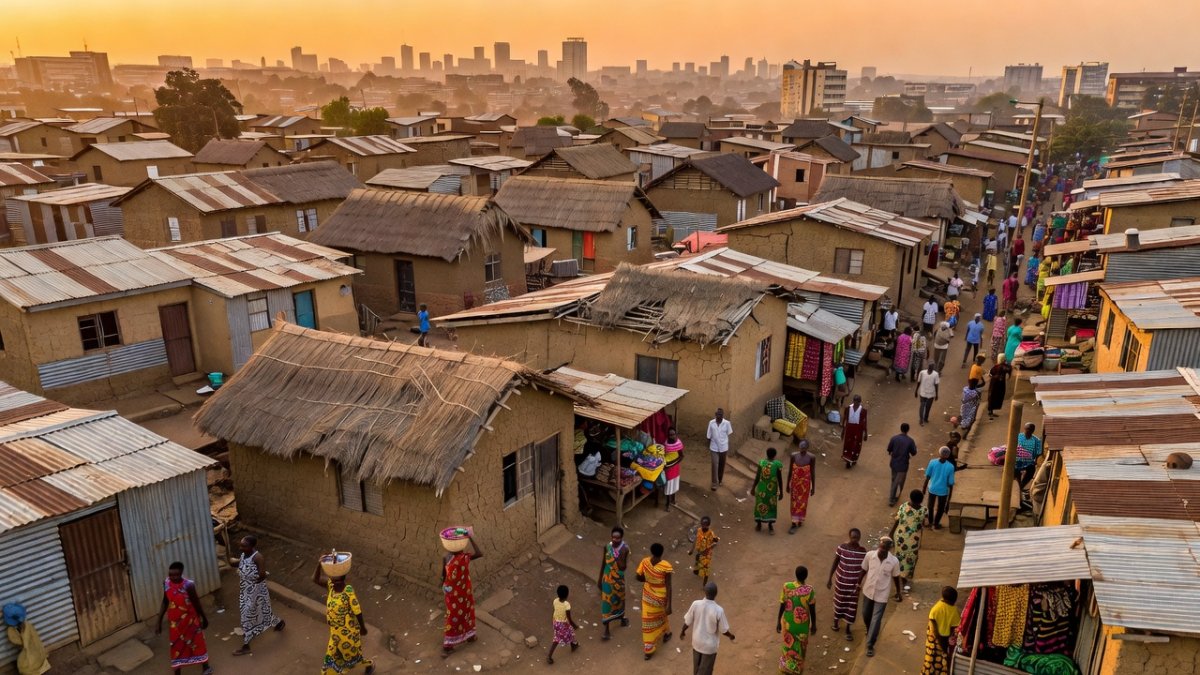
The Rise of Female Surnames Among Kenya's Kikuyu
Across Kenya's central highlands, a quiet shift is reshaping how identity passes from one generation to the next. Many Kikuyu children have long inherited their father's first name as a surname, a practice rooted in patrilineal custom. Yet a growing number of men are now choosing their mother's name instead, signaling respect for the women who raised them often under difficult circumstances.
MP John Njuguna Wanjiku stands as one clear example. First elected in 2021, he carries the nickname "Ka-Wanjiku," meaning child of Wanjiku. Raised by a single mother, he has embraced the name publicly rather than hide it. His choice reflects a wider pattern where men decide that honoring their mother's lineage matters more than following strict tradition.
This movement challenges long-held assumptions about names and belonging. In daily life, surnames shape how people are addressed in markets, schools, and political rallies. When men adopt female surnames, they invite both admiration and ridicule, yet they persist because the decision connects them directly to the person who provided stability during their formative years.
From Tradition to Change: How Kikuyu Naming Customs Evolved
Kikuyu identity has always carried strong ties to its founding story. The community is often called the House of Mumbi after the mythological founding mother. Mugwe wa Njuihi, an official of the Kikuyu cultural group Kiama Kia Ma, explains that lineage traces back to the ten daughters of the founding couple Gikuyu and Mumbi. He states, "I am Mumbui by clan. We have always aligned ourselves with women, from the very beginning."
These matrilineal roots sit alongside the more recent practice of children taking their father's first name. Academic George Gathigi notes that the modern trend of men formally adopting female surnames represents something new. Single-mother families have become more common, and maternal uncles sometimes deny names to avoid inheritance claims, according to cultural expert Wairimu Mukuru.
The tension between ancient respect for female lines and contemporary naming rules creates space for personal choice. Men who select their mother's name are not inventing a custom but reviving an older emphasis on maternal connection within a society that has grown more complex.
Benga Music and the Wa Esther Movement
Musicians have become visible leaders in this naming shift. Peter Kigia, now in his sixties, performs benga guitar folk music and registered his record company as Wa Esther Productions. He explains his decision plainly: "When you take your mother's name, it means you love and respect her." His stage name Kigia wa Esther keeps that connection alive in every performance and contract.
Other artists follow similar paths. Waithaka wa Jane and 90K Ka Msoh use their mother's names as stage names, turning personal heritage into public expression. In benga circles, where songs often tell stories of family and struggle, these choices resonate with audiences who recognize the same realities in their own lives.
The music scene offers a platform where such decisions face less immediate judgment. Listeners hear the names repeated in lyrics and on album covers, gradually normalizing what once drew stares in village meetings or city offices. Peter Kigia's long career demonstrates that consistency over decades can soften resistance.
Personal Stories: Choosing a Mother's Name
Journalist Simon Macharia Wangui made his choice after years without a surname. His father was absent, and his mother died in 2003. He only received a surname in high school. "Why give somebody credit where it does not exist?" he asks, referring to his decision to carry his mother's name. The absence of his father left a clear record of who provided care and continuity.
Broadcaster Evans Kibe Waceke faces similar questions daily. He notes that people often perceive men with female surnames as undisciplined, especially when raised by single mothers. The assumption links the mother's status to the son's character, creating unnecessary stigma that follows him into professional settings.
Both men describe the weight of these choices. Simon Macharia Wangui's path shows how early loss can clarify priorities. Evans Kibe Waceke's experience reveals how society still attaches judgment to single-mother households. Their stories illustrate the personal cost and quiet conviction behind adopting a mother's name in a culture that has not fully accepted the practice.
The Backlash: When Identity Becomes a Battle
Not everyone welcomes the change. Motivational speaker Robert Burale argued two years ago that female surnames undermine masculinity. His comments sparked debate about what names say about a man's strength and standing. The remarks echoed concerns heard in family gatherings and online discussions across Kikuyu communities.
TV personality Fred Mutiri chose a different route. He dropped his mother's name after experiencing depression at age 23 tied to childhood embarrassment. The pressure to conform proved heavier than the desire to honor his mother publicly. His decision highlights the emotional toll that ridicule can exact on young men navigating identity questions.
The backlash reveals deeper anxieties about shifting family structures. When men keep female surnames, they challenge expectations that sons must carry forward only the paternal line. The debate continues in homes, churches, and political spaces, with each personal story adding weight to one side or the other.
A Senegalese Perspective: Maternal Lineage Across the Continent
From my vantage point as a Senegalese journalist, the Kenyan stories echo patterns familiar in West Africa. Among the Wolof and Serer, griots have long preserved family histories that honor both paternal and maternal lines through careful naming and oral records. Jokko, the web of family ties, often places equal value on connections through mothers, especially in matters of inheritance and social belonging.
In Senegal, children sometimes carry names that trace directly to their mother's clan, particularly when the maternal line holds land or ritual responsibilities. This practice does not diminish fathers but recognizes the labor and continuity mothers provide. The Kenyan men choosing their mother's names operate within a similar logic, even if the cultural setting differs.
Single-parent households have grown across both regions due to migration, economic pressures, and changing social norms. In Dakar markets or Nairobi estates, women frequently serve as primary providers. Naming customs that acknowledge this reality strengthen rather than weaken family identity. The Kenyan experience offers lessons for West African communities facing parallel shifts, where respect for maternal lineage can coexist with longstanding traditions of paternal recognition.
What This Means for Gender Roles in Africa
The trend touches broader questions about women's influence in African societies. Wairimu Mukuru observes that single-mother families have become more common, forcing communities to reconsider how names and inheritance flow. When men publicly claim their mother's name, they affirm the central role women play in raising the next generation.
Gender roles across the continent continue to evolve under economic and social pressures. Women lead households, run businesses, and participate in politics at higher rates than before. Naming practices that reflect these realities help align custom with daily life rather than leaving tradition frozen in earlier eras.
The debate over masculinity, voiced by figures like Robert Burale, shows resistance remains. Yet the persistence of men like Peter Kigia and Simon Macharia Wangui suggests gradual acceptance. As more families navigate single parenthood, the conversation moves from ridicule toward practical recognition of maternal contributions.
The Road Ahead: East and West Africa Learning Together
The late Ngugi wa Thiong'o was identified by his mother's name in childhood, a detail that connects past literary figures to the present movement. Academic George Gathigi describes the formal adoption of female surnames by men as a distinctly modern development within Kikuyu society. This evolution points toward greater flexibility in how identity is claimed.
East and West Africa share common ground in valuing family resilience over rigid rules. Senegalese traditions of griot naming and jokko remind us that maternal lines have always held power in African cultures. Kenyan musicians and politicians who embrace their mother's names extend that same respect into new contexts.
Cultural resilience lies in adaptation. As single-parent families increase and women gain visibility in public life, naming customs will continue to shift. The stories from Kenya offer encouragement that honoring mothers strengthens rather than weakens community bonds, a lesson relevant from Nairobi to Dakar.
By Amara Diop, Staff WriterThis article was produced with AI-assisted research and editorial support. Reporting is based on sources cited in the article.
What's Your Reaction?
 Like
0
Like
0
 Dislike
0
Dislike
0
 Love
0
Love
0
 Funny
0
Funny
0
 Wow
0
Wow
0
 Sad
0
Sad
0
 Angry
0
Angry
0

West Africa/Sahel Correspondent at Global1.News. Dakar-based journalist covering politics, security, climate, and development across Francophone and Anglophone West Africa. Tells the stories of a region undergoing profound transformation.










Comments (0)