
Taliban Delegation Visits Brussels for First EU Talks
Taliban Delegation Arrives in Brussels for Landmark Talks The i24NEWS English video captures the Afghan Taliban delegation arriving in Brussels this week for the first official visit to the European Union since the group seized power in Afghanistan in August 2021. Led by Abdul Qahar Balkhi, spokesperson for the Taliban Ministry of Foreign Affairs, the team engaged European offi
Taliban Delegation Arrives in Brussels for Landmark Talks
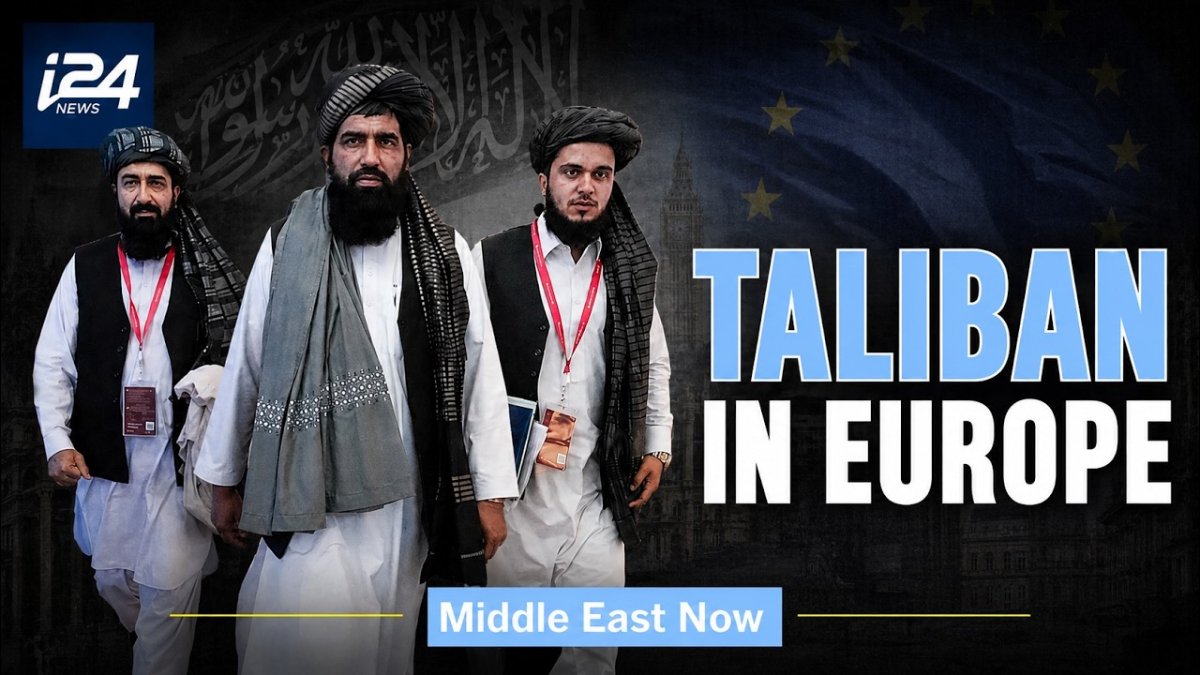
The i24NEWS English video captures the Afghan Taliban delegation arriving in Brussels this week for the first official visit to the European Union since the group seized power in Afghanistan in August 2021. Led by Abdul Qahar Balkhi, spokesperson for the Taliban Ministry of Foreign Affairs, the team engaged European officials at a technical level on consular services and arrangements for returning Afghan nationals. Fifteen EU member states took part in these discussions, which centered on repatriating irregular migrants, especially those viewed as security threats. For Israeli observers, this engagement signals potential shifts in how Europe handles groups with terrorist ties, echoing concerns over Hamas and Hezbollah operating from neighboring territories.
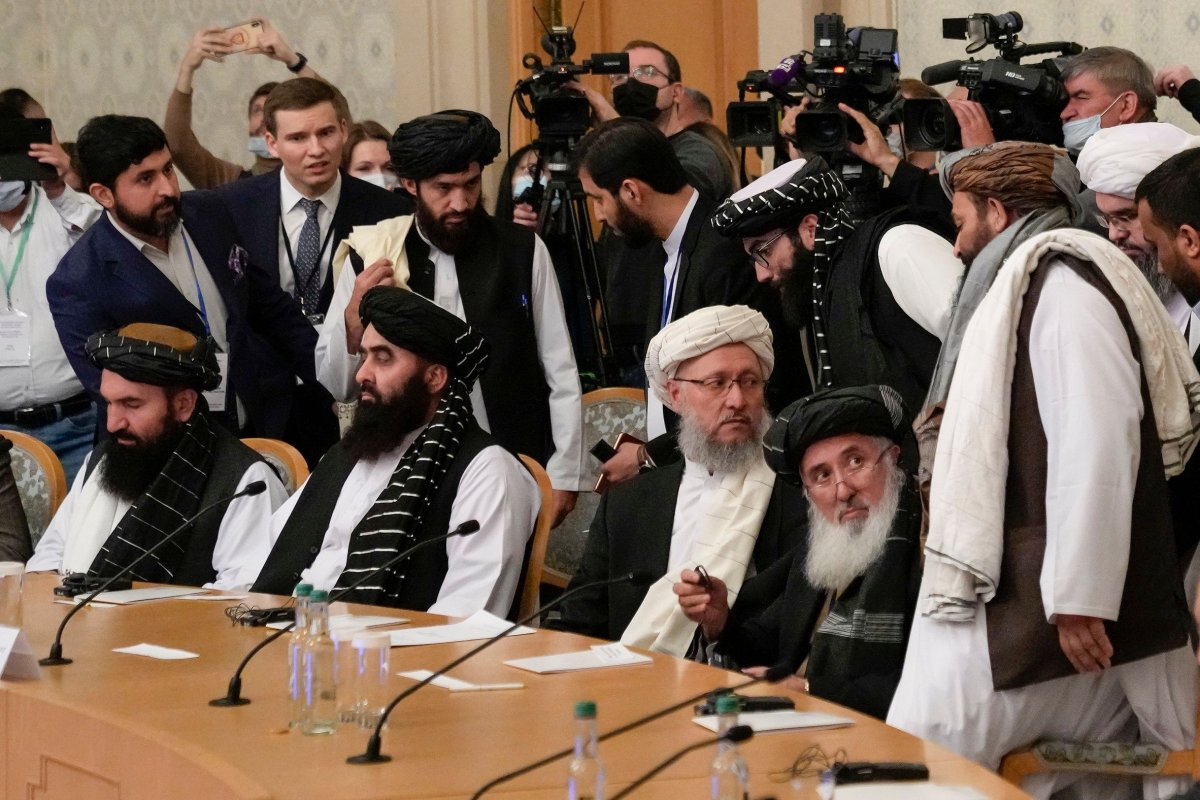
European authorities emphasized that some Afghans denied asylum must now be returned to their country of origin under accelerated procedures. The Taliban framed the meeting as a key step toward building relations with the international community, despite ongoing isolation. This comes amid growing calls from several European countries for stricter migration controls and faster deportations. Israeli security analysts note that similar policies could influence EU approaches to Palestinian migrants or individuals linked to West Bank militancy, affecting bilateral security cooperation.
Observers view the choice of Brussels as the venue as a notable change in diplomatic posture, even as the EU maintains that these talks do not amount to formal recognition of the Taliban regime. The discussions avoided broader political issues and stayed limited to practical migration matters. Human rights groups immediately raised alarms about the implications of such contacts. From Jerusalem, policymakers watch closely because any softening toward the Taliban could set precedents for dealings with other radical Islamist entities in the Middle East.
Technical Discussions on Consular Services and Returns
The talks in Brussels focused narrowly on consular arrangements and the logistics of repatriating Afghan nationals who entered Europe irregularly. Abdul Qahar Balkhi presented the Taliban position on facilitating returns for individuals considered security risks by European states. Fifteen participating EU countries shared data on rejected asylum cases and coordinated on deportation protocols. Israeli Foreign Ministry officials have long advocated for similar coordinated returns of individuals posing threats from conflict zones, drawing parallels to challenges with Gaza-linked operatives.
European authorities highlighted that many Afghans whose asylum claims failed now face removal under new tougher policies adopted in recent months. The Taliban delegation stressed its willingness to accept these returns as part of normalizing limited contacts. This technical focus allowed the EU to sidestep political recognition while addressing immediate migration pressures. For Israel, such mechanisms matter because they could inform future EU-Israel agreements on handling security-related deportations from the West Bank or Sinai routes.
Arrangements discussed included verification processes for returnees and assurances against reprisals upon arrival in Afghanistan. The Taliban portrayed these steps as evidence of responsible governance on the world stage. European diplomats reiterated that no diplomatic ties or embassies would result from the meeting. Israeli analysts argue that consistent application of these return policies strengthens regional stability by reducing safe havens for militants who might later target Israeli interests through transnational networks.
EU Member States Push for Stricter Migration Controls
Fifteen EU member states joined the Brussels sessions to advance plans for accelerated deportation of rejected Afghan asylum seekers. Several governments have recently tightened national migration laws in response to public pressure over irregular arrivals. The focus remained on individuals flagged as potential security threats, including those with criminal records or extremist links. Israeli security services maintain active intelligence sharing with European counterparts on similar radicalization risks stemming from Middle East conflict zones.
European officials noted that the surge in Afghan migration after 2021 strained asylum systems across the continent. The Taliban visit offered a practical channel to organize returns without granting political legitimacy. This approach aligns with demands from countries like Hungary and Italy for faster removals of failed claimants. Jerusalem sees value in these precedents, as Israel itself manages returns of infiltrators from hostile territories while navigating international criticism.
Coordination among the fifteen states included sharing lists of individuals eligible for repatriation and discussing logistical support from the Taliban side. The EU maintained that these exchanges serve only operational needs related to border security. Critics within Europe warned that any engagement risks legitimizing Taliban rule indirectly. Israeli diplomats emphasize that clear distinctions between technical talks and recognition help preserve pressure on groups like the Taliban that shelter terrorists threatening regional allies.
Human Rights Condemnation and Malala Yousafzai Response
Human rights organizations, European parliamentarians, and public figures quickly condemned the Brussels meeting as a troubling development. Malala Yousafzai publicly criticized the initiative, warning it could be interpreted as tacit support for a regime responsible for severe human rights violations against women and minorities. The Taliban record includes bans on female education and restrictions on public participation that drew global outrage after August 2021. Israeli women's rights advocates have drawn attention to parallel restrictions imposed by Hamas in Gaza, underscoring shared concerns over extremist governance.
European parliamentarians argued that holding talks in the EU capital sends mixed signals about the bloc's commitment to human rights standards. Organizations monitoring Afghanistan documented ongoing abuses that contradict the Taliban's claims of responsible international engagement. The EU responded by stressing that the discussions do not constitute recognition and remain limited to migration technicalities. From an Israeli perspective, consistent human rights scrutiny must apply equally to the Taliban and to Iranian-backed groups operating in Lebanon and Syria.
Public figures across Europe echoed Malala Yousafzai's concerns that the meeting might embolden the Taliban domestically. Reports from Kabul indicate continued enforcement of harsh social codes despite the outreach in Brussels. The criticism highlights tensions between practical migration management and principled isolation of repressive regimes. Israeli officials note that selective engagement risks undermining sanctions regimes applied to other Middle East actors accused of comparable violations.
Security Implications for Europe and Israeli Interests
The repatriation focus on individuals deemed security threats reflects European worries about radical networks operating within migrant communities. Several EU states have reported cases of Afghan nationals involved in extremism plots since 2021. The Taliban delegation offered cooperation on returns but provided limited guarantees against future radicalization. Israeli intelligence assessments link similar patterns to fighters returning from Afghanistan to join operations against Israel via Iranian proxies.
European authorities view accelerated deportations as essential to maintaining public confidence in migration systems. The Brussels talks provided a framework for verifying identities and arranging safe handovers. This comes as multiple governments face domestic political pressure to reduce irregular inflows. For Israel, effective European controls on Afghan returns could limit the spread of Taliban-style ideology that fuels anti-Israel activism in European cities with large migrant populations.
Security cooperation between Israel and EU agencies already includes monitoring of individuals with ties to designated terrorist organizations. The Taliban visit underscores the need for robust vetting in all return programs. Analysts in Tel Aviv argue that lessons from this engagement should inform policies toward Palestinian Authority areas where militant groups maintain influence. Strengthened deportation mechanisms ultimately reduce the operational space available to transnational threats targeting both Europe and Israel.
Diplomatic Shifts Without Formal Recognition
The EU continues to assert that the Brussels exchanges do not represent official recognition of the Taliban government. Officials described the meeting as a one-time technical consultation confined to consular and return issues. The Taliban, however, presented the event as validation of their international standing. Israeli Foreign Ministry statements have consistently opposed any steps that could normalize relations with groups maintaining terrorist infrastructures, including those in Afghanistan.
Holding the talks in the European capital nevertheless marks a visible change in engagement patterns. Observers note that previous contacts occurred only in third countries or through intermediaries. The decision to host the delegation reflects migration pressures overriding earlier isolation policies. Jerusalem monitors these shifts because similar flexibility toward the Palestinian Authority or Hezbollah could affect Israel's diplomatic position in European forums.
European diplomats stressed that future contacts would remain strictly functional and tied to concrete deliverables on returns. The Taliban used the occasion to request broader cooperation on trade and aid, requests that were not accepted. This boundary-setting preserves the EU's official non-recognition stance while addressing immediate operational needs. Israeli policymakers advocate for similar clear red lines when engaging regional actors to avoid unintended diplomatic gains for hostile entities.
Regional Dynamics and Outlook for Future Engagement
The Taliban outreach in Brussels occurs against a backdrop of ongoing instability in Afghanistan that affects neighboring countries and global jihadist movements. Iran maintains influence over certain Afghan factions, creating indirect links to Middle East proxy conflicts. European decisions on migration returns could influence how other powers approach the Taliban on security matters. Israeli strategic assessments include Afghanistan within wider calculations of Iranian reach and Sunni extremist networks.
Human rights criticisms may limit further EU-Taliban contacts in the coming months despite the initial meeting. The Taliban will likely seek additional technical channels to ease isolation without major policy changes at home. European governments face competing pressures from migration realities and domestic human rights constituencies. For Israel, sustained European firmness toward the Taliban reinforces the principle that terrorist-linked regimes should face coordinated international restrictions.
Future developments will depend on whether the Taliban delivers on return commitments discussed in Brussels. Success could open limited additional channels, while failure would reinforce isolation. Israeli diplomats continue to engage European partners on aligning policies toward radical groups across regions. The Brussels precedent illustrates how migration concerns can drive incremental shifts even when formal recognition remains off the table.
By Hannah Berg, Staff WriterThis article was produced with AI-assisted research and editorial support. Reporting is based on sources cited in the article.
What's Your Reaction?
 Like
0
Like
0
 Dislike
0
Dislike
0
 Love
0
Love
0
 Funny
0
Funny
0
 Wow
0
Wow
0
 Sad
0
Sad
0
 Angry
0
Angry
0

Israel Correspondent at Global1.News. Based in Tel Aviv, covering Israeli politics, security, technology, and society. Provides balanced, deeply-sourced reporting on one of the most closely-watched regions in the world.











Comments (0)