
Starmer Pledges to Fight On After Defence Ministers Quit
Sir Keir Starmer has insisted that defence is his "number one priority" after a dramatic day at Westminster saw both his Defence Secretary and Armed Forces Minister resign over funding shortfalls. In an exclusive interview with BBC Political Editor Chris Mason, the Prime Minister defended what he called "hard-edged decisions" on military spending, and declared he would "fight a
Sir Keir Starmer has insisted that defence is his "number one priority" after a dramatic day at Westminster saw both his Defence Secretary and Armed Forces Minister resign over funding shortfalls. In an exclusive interview with BBC Political Editor Chris Mason, the Prime Minister defended what he called "hard-edged decisions" on military spending, and declared he would "fight any challenge" to his leadership — a direct rebuttal to growing speculation about a Labour leadership contest.
Starmer Vows to Fight On as Defence Crisis Deepens After Healey and Carns Resign
London, UK – 12 June 2026 — The resignations of Defence Secretary John Healey and Armed Forces Minister Al Carns on Thursday have plunged Keir Starmer's government into its most serious crisis yet, with the Prime Minister now facing questions not just about the nation's security posture, but about his own political survival. Six ministers have now left the government in a single month — a rate of attrition that has drawn comparisons to the dying days of the Major administration.
The Resignations That Shook Whitehall
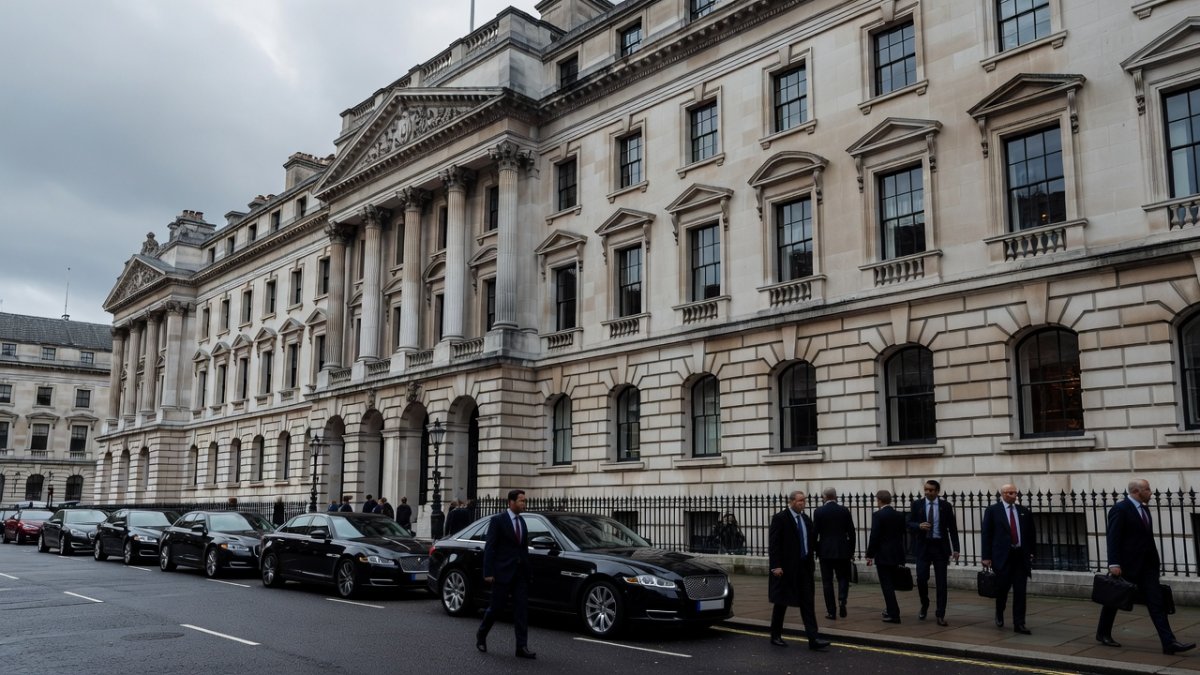
John Healey tendered his resignation on Thursday 11 June 2026, accusing the Prime Minister and Chancellor Rachel Reeves of putting the country's security at risk. In a blistering resignation letter, Healey wrote that the long-delayed Defence Investment Plan (DIP) "falls well short of what is required" to meet the threats facing the United Kingdom. Armed Forces Minister Al Carns followed hours later, describing the funding package as "not fit for purpose." Their parliamentary private secretaries also stepped down, compounding the sense of a government in freefall.
Healey's departure is particularly significant because he had been a key figure in shaping the government's national security strategy. His warning that Britain is not spending enough to protect itself resonates across Westminster, where MPs from all parties have voiced concern about the hollowing out of military capabilities. The Ministry of Defence in Whitehall now confronts a leadership vacuum at a critical moment, with the NATO summit in Ankara scheduled for 7-8 July and the DIP still unpublished.
Starmer's BBC Interview — Defence as 'Number One Priority'
On Friday 12 June, Starmer sat down with Chris Mason, the BBC's Political Editor, in an effort to regain control of the narrative. The Prime Minister insisted that defence and security are his "number one priority at every spending review." He pointed to what he described as "hard-edged decisions" already taken, including the reallocation of resources from other government departments to defence. "We're living in a very volatile world," Starmer told the BBC, "and I have taken the decisions necessary to keep this country safe."
When asked directly about the prospect of a leadership challenge, Starmer was unequivocal: he would fight any challenge and it was his "duty" to carry on as Prime Minister. The interview was the clearest signal yet that Starmer intends to weather the storm rather than set a timetable for his departure — a strategy that carries considerable risk given the scale of discontent on his own backbenches.
Dan Jarvis Takes the Helm at the Ministry of Defence
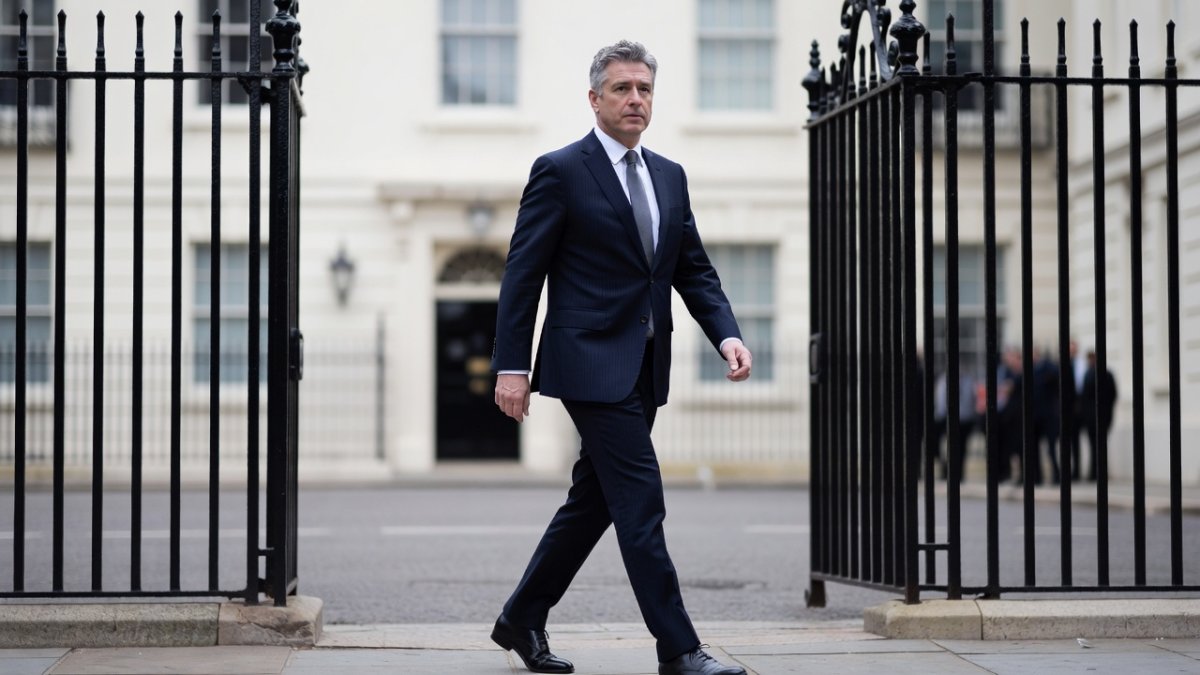
Within hours of Healey's resignation, Starmer appointed Dan Jarvis as the new Defence Secretary. The Barnsley Central MP, previously Minister of State at the Home Office, brings a background in intelligence and security to the role. Jarvis, a former paratrooper who served in Afghanistan, is widely regarded as a safe pair of hands — described by one colleague as "as centrist as a person can be." But his immediate challenge is formidable: he must finalise the Defence Investment Plan, secure Treasury sign-off, and prepare for the NATO summit, all while managing a department demoralised by its leader's abrupt departure.
The Defence Investment Plan — Six Months Overdue
The Defence Investment Plan was originally due last autumn, designed to fund the 10-year Strategic Defence Review to 2035 that the government announced a year ago. It has been repeatedly postponed amid wrangling between the Ministry of Defence and the Treasury over funding levels. The current baseline is approximately 2.3 per cent of GDP — a figure that military commanders have described as insufficient given the scale of threats from Russia, state-sponsored cyber attacks, and instability in the Middle East and Indo-Pacific.
Healey had told MPs as recently as Monday that Starmer was "determined that we publish the Defence Investment Plan before the NATO summit." His resignation makes that timeline uncertain. Service personnel stationed at bases in Plymouth, Portsmouth, Catterick, and Lossiemouth have already reported maintenance backlogs that affect operational readiness. Defence contractors in Preston, Yeovil, and Glasgow — employing thousands of skilled workers — face continued uncertainty about the pipeline of government orders.
Leadership Challenge — Andy Burnham Circles
The political fallout from the defence resignations has accelerated the leadership question that has hung over Starmer for months. Greater Manchester Mayor Andy Burnham is now widely regarded as the frontrunner should a contest materialise. The Independent reported that Burnham's team are already making detailed plans for a Downing Street transition, and his allies have been briefing that he is preparing to stand. Burnham himself has stopped short of declaring a candidacy, but pointedly criticised the government's "lack of direction" in recent speeches.
Under Labour Party rules, a leadership challenge requires 20 per cent of the Parliamentary Labour Party to nominate a challenger — approximately 80 MPs. While that threshold has not yet been reached, the number of MPs publicly calling for change has grown steadily since Wes Streeting resigned as Health Secretary last month. Starmer's allies insist he will fight any contest and that he remains the party's best hope of holding together the coalition that won the 2024 general election.
What This Means for Britain's Armed Forces and Public Services
The defence funding crisis has consequences that extend well beyond Westminster. Britain's armed forces have been reduced to their smallest size since the Napoleonic era, and recruitment and retention remain chronic problems. The Army, Royal Navy, and Royal Air Force all face capability gaps that the DIP was supposed to address — from the number of frigates available for maritime patrol to the readiness of the RAF's Typhoon and F-35 fleets.
There are also knock-on effects for public services. The Ministry of Defence and NHS England share occupational health pathways for military veterans, and uncertainty over defence funding could slow the integration of mental health services in areas such as Norfolk and the Scottish Borders, where veterans make up a significant proportion of the population. Local councils near major military bases — from Aldershot to Salisbury Plain — are already bracing for potential cuts to the defence budget that would ripple through their local economies.
NATO Summit Looms — Can Starmer Deliver?
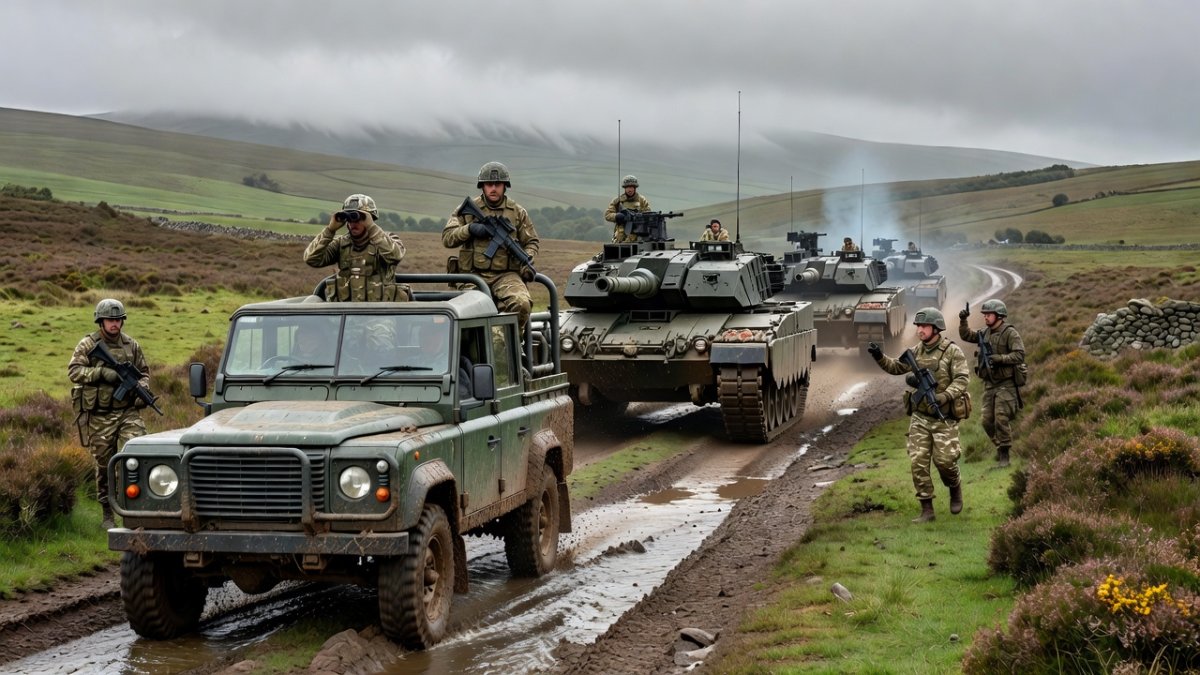
The NATO summit in Ankara on 7-8 July is the next major test for Starmer and his new Defence Secretary. Allies will be watching closely to see whether the United Kingdom — one of NATO's largest military spenders — can maintain its commitment to collective defence. The United States has been pressing European allies to increase their defence spending toward 3 per cent of GDP, a target that the Treasury has described as unrealistic without significant cuts to domestic programmes.
Starmer's team insists the 2.3 per cent commitment remains the baseline, with further uplift possible after the next spending review. But with his government weakened by ministerial resignations and the prospect of a leadership challenge, the Prime Minister's ability to project authority on the international stage has been severely undermined. Whether Dan Jarvis can restore confidence inside the Ministry of Defence and across Britain's armed forces in time for Ankara — and whether Starmer can hold onto his job long enough to see it through — are now the defining questions of British politics.
The Bottom Line — What Comes Next
The coming weeks will determine whether Keir Starmer can survive the most serious crisis of his premiership. The Defence Investment Plan must be published, the Treasury must be brought to the table, and the NATO allies must see a credible British commitment. Meanwhile, the Labour Party's internal dynamics will play out in full view — every vote, every speech, every absence from the chamber will be scrutinised for signs of a leadership bid. For the men and women serving in Britain's armed forces, and for the communities that depend on defence spending, the stakes could hardly be higher.
By Erica Thornton, Staff Writer
This article was produced with AI-assisted research and editorial support. Reporting is based on sources cited in the article.
What's Your Reaction?
 Like
0
Like
0
 Dislike
0
Dislike
0
 Love
0
Love
0
 Funny
0
Funny
0
 Wow
0
Wow
0
 Sad
0
Sad
0
 Angry
0
Angry
0

US Politics and Policy Correspondent at Global1.News. Based in Washington DC, covering American politics, policy, elections, and the courts. Knows how the system works and tells you what it actually means.












Comments (0)