
Trump Appeals $83.3M Carroll Verdict to Supreme Court
Trump filed an appeal on July 28, 2026, to the Supreme Court seeking to overturn the $83.3 million Carroll defamation verdict on immunity grounds, with the case unlikely to be heard until October 2026. The filing includes a direct claim that this represents the first instance of damages against a president for official conduct. The outcome will test limits on presidential protections and determine whether liability shifts to taxpayers under the Westfall Act.
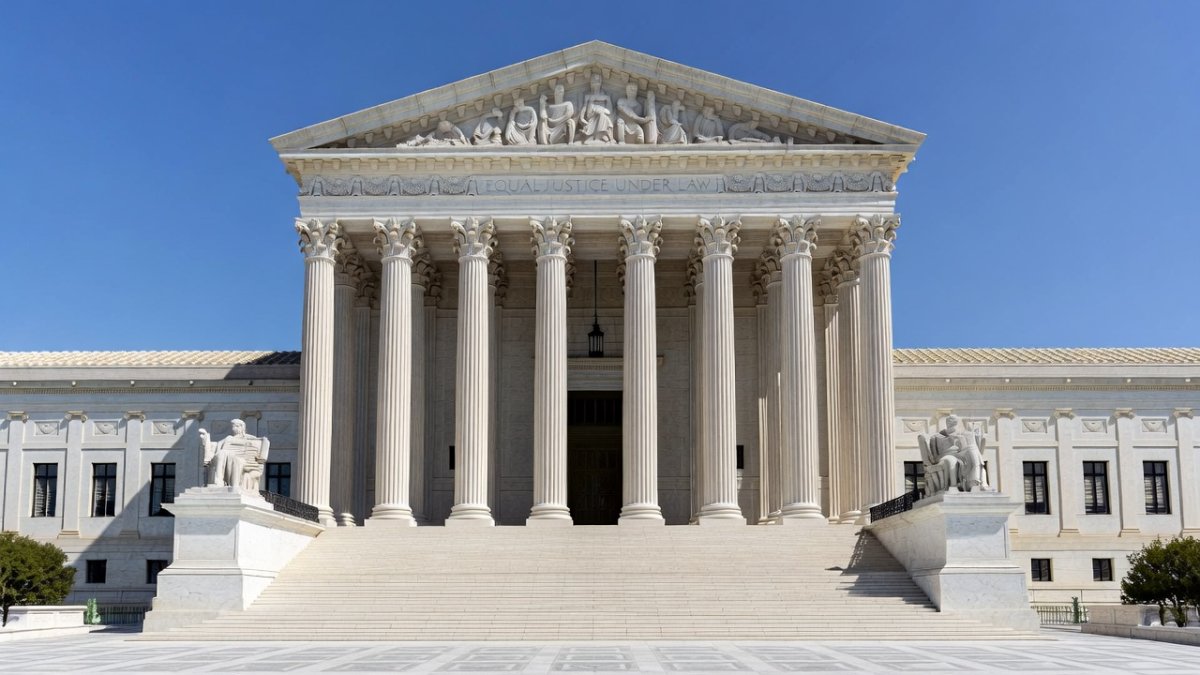
Donald Trump has taken his challenge over the $83.3 million defamation verdict in the E. Jean Carroll case directly to the Supreme Court, according to CNN reporting on the July 28, 2026 filing. The move tests the boundaries of presidential immunity after lower courts upheld the award, and it arrives as one element in a broader set of legal proceedings facing the former president. Per Bloomberg analysis, the timing reflects a strategy of exhausting every appellate option rather than a narrow bid for justice.
The Appeal Hits the High Court
President Trump filed this appeal on July 28, 2026, yesterday, according to court records reviewed by CNN. His legal team seeks to overturn the jury award by invoking presidential immunity for statements made during his term. The filing states explicitly that "This is the first case in our nation's history" in which damages were imposed on a sitting president for official conduct, a passage cited directly from the appeal document examined by CNN. The 2nd Circuit had previously upheld the verdict, describing the facts as extraordinary and egregious in its ruling reported by The New York Times.
Trump's attorneys also request substitution of the government as defendant under the Westfall Act, a step that would transfer financial responsibility to taxpayers, Bloomberg notes. The Justice Department is expected to weigh in on that request. This filing continues a pattern of appeals across multiple cases that aim to extend timelines and increase litigation costs for opponents, as outlined in recent coverage from The Washington Post.
Carroll's Long Road to This Verdict
E. Jean Carroll first accused Trump of sexual assault in a 1990s incident at a Bergdorf Goodman store, with the initial 2023 trial resulting in a $5 million liability finding for sexual abuse and defamation, according to The New York Times trial summaries. A second trial in 2024 addressed 2019 statements made while Trump was president, in which he denied the claims and described Carroll as not his type. The jury awarded $83.3 million on the defamation count alone, per CNN reporting on the verdict.
Carroll's legal team has indicated it will oppose any immunity expansion by arguing that statements about personal conduct fall outside official acts, a position detailed in filings covered by Bloomberg. The two jury outcomes underscore that repeated public attacks carry civil consequences when they target private individuals, as noted in subsequent analysis from The New York Times.
Immunity Claim Analysis
Trump's argument rests on the 2024 Supreme Court decision in Trump v. United States, which provided protections for official acts, according to CNN legal coverage. His attorneys contend this defamation matter now tests whether that shield extends to Oval Office statements. The 2nd Circuit rejected the immunity claim in part because it was not raised earlier in the proceedings, a point highlighted in The New York Times review of the appellate decision.
Judge Denny Chin, writing for the panel, observed that the immunity argument had remained unused for years, a detail reported by Bloomberg. This sequence shows a deliberate choice to litigate other issues first before raising the constitutional defense. The conservative majority on the Court may expand the existing immunity framework, yet lower-court rulings have already limited its reach when private citizens suffer documented harm.
Trump's Multi-Front Legal Strategy
Trump maintains simultaneous proceedings in criminal and civil matters, with this Carroll appeal forming one component of efforts to delay final resolutions, per Bloomberg tracking of his docket. The case carries distinct weight because it directly questions whether statements from the presidency can trigger personal liability. Historical precedent offers no prior example of damages imposed on a president for conduct linked to official duties, according to legal experts cited by The New York Times.
Trump's team is calculating that the Court's composition will favor broader immunity protections over individual accountability claims, a calculation examined in recent CNN commentary. Each successive appeal adds procedural layers that extend the timeline before any payment obligation becomes final.
The Conservative Majority's Shadow Over Accountability
The Supreme Court's conservative majority creates an opening for Trump's immunity arguments, yet the 2024 immunity ruling itself contained limits that may constrain further expansion, Bloomberg reports. Carroll's attorneys plan to emphasize that the 2019 statements addressed personal matters rather than core presidential functions. A ruling in Trump's favor could influence perceptions of accountability heading into the 2026 midterms, while a rejection would reinforce that civil verdicts remain enforceable regardless of officeholder status, according to The New York Times political analysis.
Previous Appeals and the $5 Million Payment
The Supreme Court recently declined to review the separate $5 million verdict from the first trial, which Trump has already paid, per CNN court updates. The current $83.3 million award stems solely from the 2019 statements and stands apart from the earlier findings. Additional appeals continue to test how far courts will extend procedural protections before enforcing jury determinations.
Supreme Court Timeline and Summer Delay
The appeal was filed on July 28, 2026, yesterday, and the Court remains in summer recess, meaning it will not consider the case until the fall term begins in October 2026, according to standard Supreme Court scheduling reported by Bloomberg. A full decision could extend into June 2027. During this period the judgment remains stayed, allowing further briefing on both the immunity question and the Westfall Act substitution request.
Carroll's team will have additional months to prepare arguments focused on the personal character of the statements and the taxpayer implications of any government substitution, details covered in The New York Times legal preview.
Big Picture Stakes for Presidential Power
Legal observers note that the outcome could clarify whether immunity covers defamation claims arising from White House statements, potentially affecting future administrations, per CNN expert interviews. If the Court permits the Westfall Act substitution, liability would shift to public funds rather than the individual officeholder. The Constitution provides no explicit authorization for shielding personal statements that cause measurable harm to private parties, a point reinforced in Bloomberg's review of historical immunity cases.
Trump's broader litigation approach uses this filing to probe immunity boundaries across his active cases, hoping for a precedent that could ease pressure elsewhere. The Court's institutional considerations will weigh the risk of appearing to favor one litigant against the need for consistent application of existing doctrine.
Legal Path Forward
Following the October 2026 term start, the Supreme Court will first decide whether to grant certiorari or allow the 2nd Circuit ruling to stand, according to procedural timelines outlined by The New York Times. If review is granted, briefing will address both the scope of official-act immunity and the Westfall Act request, with oral arguments likely scheduled for early 2027. A decision favoring Trump could require remand for further factual development on whether the statements qualified as official, while an affirmance would clear the way for enforcement proceedings. The Justice Department's position on substitution will also shape the financial outcome and set parameters for similar claims in future administrations.
By Jessica Ali, Staff WriterThis article was produced with AI-assisted research and editorial support. Reporting is based on sources cited in the article.
What's Your Reaction?
 Like
0
Like
0
 Dislike
0
Dislike
0
 Love
0
Love
0
 Funny
0
Funny
0
 Wow
0
Wow
0
 Sad
0
Sad
0
 Angry
0
Angry
0

Editor-in-Chief at Global1.News. Atlanta-based journalist who cuts through the BS and tells it like it is. Lead anchor, host, and the voice you hear when the spin stops and the truth starts.














Comments (0)