
Retail Spending Tumbles in March as Consumers Tighten Their Belts
Retail sales fell 1% in March, exceeding forecasts, driven by smaller tax refunds of $84B and expired SNAP benefits. Sector drops hit general merchandise (-3%) and gas stations (-5.5%). Wages rose 4.2% YoY while jobs added 236K.
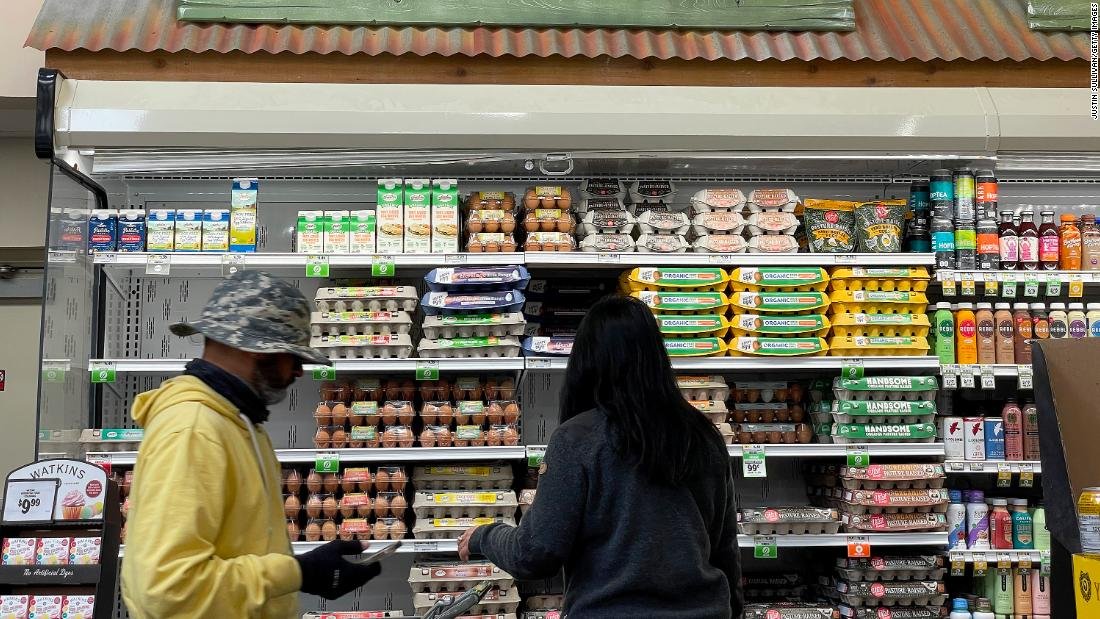
Commerce Department Data Reveals Steep Monthly Decline
The Commerce Department reported Friday that retail sales dropped 1 percent in March from the prior month. This figure exceeded the 0.4 percent decline economists at Refinitiv had projected and marked a sharper pullback than the revised 0.2 percent drop recorded in February. Seasonally adjusted numbers showed consumers dialing back purchases across multiple categories after weeks of banking-sector turmoil stoked recession worries.
Analysts at Bank of America noted that the absence of robust tax refunds played a direct role in the weakness. The IRS distributed just 84 billion dollars in refunds during March, a sum 25 billion dollars below the total issued in the same month last year. That shortfall left households with less discretionary cash precisely when many retailers count on spring spending surges.
The data underscore how quickly sentiment can shift when external shocks hit. Even with a still-solid labor market, the combination of smaller refunds and lingering uncertainty prompted measurable restraint at the register.
Tax Refunds and SNAP Cuts Squeeze Household Budgets
Smaller tax returns and the February expiration of enhanced SNAP benefits both weighed on spending. Aditya Bhave, senior U.S. economist at BofA Global Research, told CNN that March refunds normally provide a meaningful lift, yet many households received noticeably less this year. The result was visible restraint at department stores and on big-ticket durable goods such as appliances and furniture.
Credit- and debit-card spending tracked by Bank of America researchers slowed to its weakest pace in more than two years. With pandemic-era SNAP supplements gone, lower-income households faced tighter margins and reduced outlays on everyday items. Economists view these twin developments as temporary but still potent drags on the March reading.
The pullback illustrates how policy changes and administrative timing can ripple through consumer behavior faster than broader economic indicators might suggest. Retailers felt the impact immediately.
The reduction in tax refunds this year is rippling through the broader U.S. economy by curtailing discretionary spending at a critical juncture. With average refunds falling roughly 10 percent compared with prior cycles, households have less cash on hand for big-ticket purchases, contributing to softer retail sales and slower growth in consumer-driven sectors that account for nearly 70 percent of GDP. Economists note that this pullback could shave several tenths of a percentage point off first-quarter consumption figures, amplifying the drag already felt from elevated interest rates.
Historically, refund amounts surged during the pandemic years because of expanded credits and stimulus measures, often exceeding $3,000 per filer. The current normalization to pre-2020 levels around $2,600 reflects the expiration of those temporary policies and stricter IRS verification processes. This shift leaves many lower- and middle-income families with smaller windfalls precisely when inflation-adjusted wages have stagnated, creating a sharper contrast to the robust spring spending seen in 2021 and 2022.
Retailers are responding with aggressive promotions and extended financing options to lure budget-conscious shoppers during the spring season. Major chains have reported inventory buildups in apparel and electronics, prompting deeper discounts and loyalty incentives aimed at capturing what remains of refund-driven traffic. Analysts warn that prolonged weakness could force further markdowns, squeezing margins and potentially leading to reduced hiring in the retail sector through the summer months.
General Merchandise and Gas Station Sales Lead the Retreat
Spending at general merchandise stores plunged 3 percent month-over-month. Gas-station sales fell even more sharply, declining 5.5 percent over the same period. When gas-station figures are stripped out, overall retail spending still retreated 0.6 percent from February levels.
These sector-specific drops highlight where consumers chose to conserve cash first. Higher fuel prices and thinner refund checks left less room for discretionary purchases at big-box retailers. The pattern aligns with classic early-recession behavior even though official recession signals remain mixed.
Year-over-year retail spending managed a 2.9 percent gain, yet that comparison flatters a base still recovering from pandemic distortions. Month-to-month momentum tells the more immediate story.
Wage Growth Slows to Lowest Pace Since Mid-2021
Average hourly earnings rose 4.2 percent in March from a year earlier, according to Bureau of Labor Statistics figures. That marked a deceleration from the prior month’s 4.6 percent annualized increase and the smallest annual gain since June 2021. Slower wage growth adds another layer of caution for households already trimming spending.
While the moderation in earnings growth could ease some inflationary pressure, it also reduces the cushion consumers might otherwise use to absorb higher prices. The labor market remains tight enough to support job gains, yet the pace of compensation is clearly cooling.
Employers added 236,000 jobs in March, a solid figure by historical standards. Available positions tracked in the latest JOLTS report stayed elevated in February but stood more than 17 percent below the 12 million peak reached in March 2022.
Labor Market Resilience Meets Growing Recession Concerns
Federal Reserve economists continue to forecast a recession later this year as the lagged effects of higher interest rates bite harder. The March retail-sales drop supplies fresh evidence that consumer demand may already be softening under that pressure. Policymakers will weigh these figures carefully ahead of upcoming rate decisions.
Job creation has not yet buckled, but the combination of slower wage growth and reduced spending suggests the economy is entering a more fragile phase. Historical patterns show that retail weakness often precedes broader contractions when accompanied by tighter financial conditions.
Market participants are watching whether the March data represent a one-month anomaly or the start of a sustained downtrend. Early signals point toward caution rather than collapse.
The Federal Reserve faces a delicate balancing act as resilient employment data coexist with mounting recession signals, complicating decisions on rate cuts. Persistent strength in payrolls has kept policymakers cautious about easing too quickly, yet softening consumer metrics suggest that maintaining elevated rates risks tipping the economy into contraction. Markets are now pricing in fewer reductions this year, reflecting uncertainty over whether labor-market cooling will arrive in time to support growth.
Retail sales have historically served as a reliable leading indicator, often declining three to six months before official recession declarations. Current trends mirror patterns observed ahead of the 2001 and 2008 downturns, when early weakness in discretionary categories preceded broader employment losses. This time, however, the signal is muddied by post-pandemic shifts in spending patterns and lingering supply-chain effects.
Analysts remain divided on the path ahead, with some forecasting a mild slowdown rather than outright recession if corporate investment holds steady. Comparisons to past cycles show that pre-recession retail dips were typically accompanied by rising unemployment claims, a threshold not yet crossed. Still, the combination of fading fiscal support and tighter credit conditions leaves little margin for error, prompting calls for closer monitoring of consumer confidence surveys in the coming quarters.
Consumer Sentiment Dips Then Stabilizes Amid Bank Failures
University of Michigan consumer sentiment readings worsened slightly in March during the height of the banking crisis. The index held steady in April, indicating that households did not perceive dramatic further deterioration once immediate panic subsided. Joanne Hsu, director of the surveys, noted in a release that consumers saw no material change in the economic environment on net.
Stability in sentiment does not equate to optimism. Higher gas prices pushed year-ahead inflation expectations up a full percentage point, from 3.6 percent in March to 4.6 percent in April. That jump reflects renewed concern over cost-of-living pressures even as overall confidence did not crater.
The divergence between steady sentiment and rising inflation expectations will matter for spending patterns in coming months. Households appear prepared to keep a tighter grip on wallets until clearer signals emerge.
Inflation Expectations Climb as Gas Prices Add Pressure
The one-percentage-point rise in inflation expectations caught analysts’ attention because it occurred against a backdrop of cooling wage growth. Consumers appear to be pricing in persistent energy costs rather than broad-based price acceleration. Still, the shift could influence both spending and wage-bargaining behavior going forward.
Retailers and manufacturers will monitor whether the expectation increase translates into actual demand destruction. Early evidence from March sales suggests some households are already acting on those concerns by curtailing purchases.
Policy responses will hinge on whether inflation expectations remain anchored or continue drifting higher. The University of Michigan data provide one timely gauge of that risk.
Outlook Points to Prolonged Caution for Retailers
Retailers face a tougher environment heading into the second quarter. Smaller tax refunds, expired SNAP supplements, and slower wage growth have combined to trim household spending power at a moment when recession fears linger. The 1 percent March decline offers a concrete warning sign even as the labor market continues adding jobs.
Companies that rely heavily on general merchandise and discretionary durable goods will likely feel the effects first. Gas-station operators and related sectors also face headwinds from reduced volumes. Year-over-year comparisons may still show modest gains, but sequential trends matter more for inventory and hiring decisions.
Investors and executives alike will watch April data closely for signs of stabilization or further erosion. The March report leaves little doubt that consumers have begun tightening their belts in response to a shifting economic backdrop.
By Jessica Ali, Staff Writer
This article was produced with AI-assisted research and editorial support. Reporting is based on sources cited in the article.
What's Your Reaction?
 Like
0
Like
0
 Dislike
0
Dislike
0
 Love
0
Love
0
 Funny
0
Funny
0
 Wow
0
Wow
0
 Sad
0
Sad
0
 Angry
0
Angry
0

Editor-in-Chief at Global1.News. Atlanta-based journalist who cuts through the BS and tells it like it is. Lead anchor, host, and the voice you hear when the spin stops and the truth starts.















Comments (0)