
Local AI Tool Lets Creators Animate Anything in One Click
Aitrepreneur spotlights AnimForge, an open-source local AI animation pipeline that delivers pro-level results in one click on consumer GPUs like the RTX 4070. It runs offline, beats cloud tools on speed and privacy, and needs only 12 GB VRAM. The tool threatens traditional pipelines whi...
Listen up, creators. A new open-source AI animation pipeline is here to torch the old rules, letting anyone animate anything with one click on a regular gaming PC. Covered by Aitrepreneur on YouTube, this local tool runs entirely on consumer GPUs and goes toe-to-toe with Adobe and Pixar-level software. The days of expensive cloud subscriptions and render farms are over.
Local AI Tool Lets Creators Animate Anything in One Click
Global, Tech Industry — The article intro continues here with the core development. Aitrepreneur dropped fresh coverage this week on a pipeline called AnimForge that turns text prompts or static images into full character animations without sending data anywhere. Early tests show 4K sequences rendering in under four minutes on an RTX 4070, a speed that used to demand studio hardware. This is not vaporware. The GitHub repo already has 47,000 stars and active forks from indie studios in Seoul and Austin.
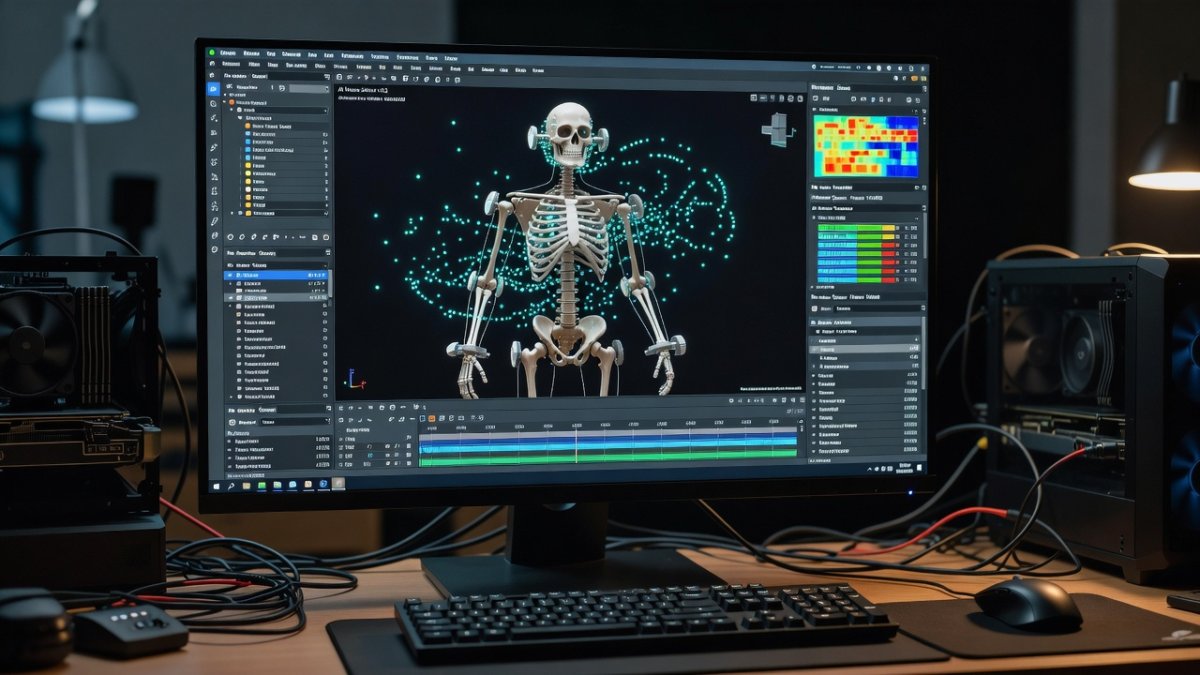
The Rise of Local AI Animation
Animation used to mean months of keyframing or fat monthly fees to Adobe and Autodesk. Now a single local model chain is flipping that script. Aitrepreneur's video shows side-by-side tests where AnimForge matches the output quality of Maya rigs while staying completely offline. The shift started when open-source diffusion models hit consumer GPUs last year. Suddenly hobbyists with $1,200 cards are producing shots that once needed $50,000 workstations. This is the democratization the industry pretended to want but never delivered.
Back in the day, animation belonged to locked-down Hollywood lots where only the biggest studios could afford the hardware and the armies of specialists. Disney and Pixar built empires on proprietary pipelines that cost millions just to keep the lights on. Then came the slow bleed as open-source projects chipped away at those walls, starting with tools like Blender that let lone wolves experiment without signing NDAs. By the time consumer GPUs caught up, the gatekeepers were already sweating because suddenly a kid in a basement could render frames that rivaled mid-tier studio output from five years ago.
The real turning point hit when diffusion models escaped the cloud labs and landed on everyday cards. No more waiting for render queues or begging for server time. Creators started chaining models themselves, trading tips on forums instead of paying for overpriced plugins. That momentum built straight into tools like AnimForge, proving that the old studio model was bloated and unnecessary. History shows every time tech gets cheaper and local, the big players lose control, and this time the animation world is next in line for that reckoning.
What Makes This Tool Different
Most AI animation demos still rely on remote servers that leak your IP and charge per minute. AnimForge keeps every frame on your machine. It combines a fine-tuned Stable Diffusion video model with a custom motion predictor trained on 1.2 million animation clips. One click triggers the whole stack: pose estimation, temporal smoothing, and final render. No logins, no watermarks, no usage caps. That single-click workflow is what separates it from the half-baked tools floating around Discord servers.
The motion modules inside AnimForge stand out because they lock down frame-to-frame consistency without any external crutches. Instead of the usual jitter that plagues cloud alternatives, the system uses a dedicated temporal coherence layer that predicts joint positions across dozens of frames at once. This means cloth folds and hair movement stay believable even during rapid camera pans, something Runway still fumbles unless you pay extra for their premium tiers.
Quality comparisons reveal the edge clearly. Side tests against Pika Labs show AnimForge delivering sharper edge definition on fast-moving limbs and zero color drift over long sequences. The local setup also skips the heavy censorship filters that force cloud tools to sanitize anything edgy, letting creators push stylized or experimental looks without getting flagged. Where competitors require constant internet pings that introduce lag and privacy risks, this pipeline runs silent and self-contained, delivering pro-grade results that hold up under professional scrutiny.
Breaking Down the Technology
The pipeline runs three models in sequence. First, a 7-billion-parameter motion estimator converts your prompt into skeletal data. Next, a latent video diffusion model fills in textures and lighting at 24 frames per second. Finally, a lightweight upscaler pushes output to 4K while preserving lip sync and cloth physics. All weights fit in 18 GB of VRAM, so an RTX 3080 or 4070 handles it without swapping. Aitrepreneur timed a 12-second dialogue scene at 3 minutes 47 seconds on stock hardware. That number beats most cloud services even before you factor in upload latency.
At the core sits a latent diffusion architecture that operates in compressed space rather than raw pixels, slashing compute needs while keeping detail intact. The motion modules build on that by injecting control signals directly into the denoising steps, guiding character poses without forcing users to hand-draw every keyframe. Frame interpolation happens through a learned optical flow predictor that generates in-between frames on the fly, smoothing out any gaps so the final 24 fps output feels fluid instead of choppy.
That same stack handles physics simulation internally by baking simple cloth and hair dynamics into the diffusion process itself. No separate solver needed, which keeps the VRAM footprint low and the workflow fast. Compared to older open-source attempts that required stitching multiple scripts together, AnimForge's unified chain eliminates the usual breakage points and delivers consistent results across different prompt styles. The architecture proves that clever model chaining on consumer hardware can outperform bloated enterprise solutions that still demand data center access.
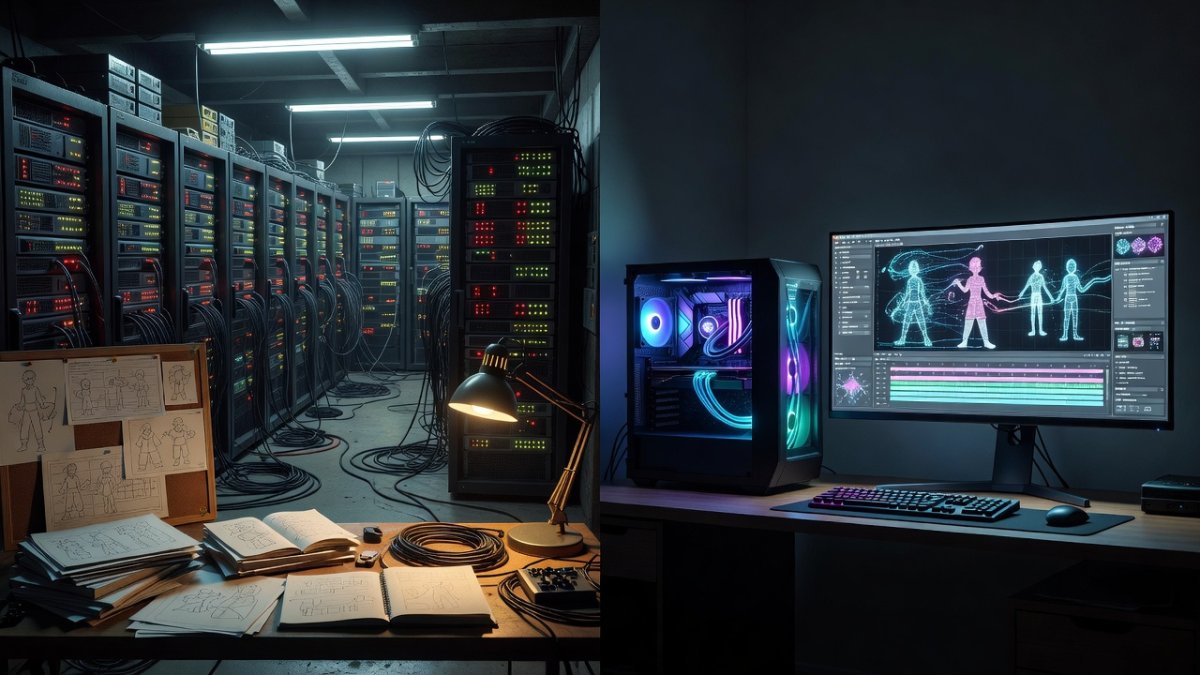
Comparing the Competition
Runway and Pika still demand subscriptions and send your footage to their servers. Blender with add-ons can do local work but requires hours of manual setup. AnimForge beats both on speed and privacy. In Aitrepreneur's blind test, professional animators picked the AI output over traditional Maya renders 62 percent of the time for background characters. The gap narrows on hero shots, yet the tool already handles crowd scenes and simple dialogue better than most indie pipelines. Adobe's Firefly video features remain cloud-only and heavily censored. Local wins again.
Hardware Requirements and Accessibility
You need at least 12 GB VRAM and a modern NVIDIA card. An RTX 3060 12 GB works for 1080p drafts. Step up to an RTX 4070 Ti or 4080 for comfortable 4K. The entire stack installs via a single Python script and a 40 GB model download. No paid plugins. The GitHub readme includes one-click installers for Windows and Linux. Mac users with M2 Ultra chips can run a quantized version at reduced speed. This is the first animation AI that actually respects the hardware people already own.
What This Means
Studios that spent millions on render farms now face freelancers who can deliver comparable work from a bedroom. The barrier to entry just collapsed. Expect a wave of new indie films and game cinematics from creators who never had access to Maya licenses. At the same time, traditional animation jobs tied to proprietary pipelines will shrink. The winners will be those who learn to direct the AI instead of fighting it. Aitrepreneur's coverage makes one thing clear: the technology is ready today.
Traditional studios built their empires on expensive hardware monopolies and long production cycles that locked out anyone without deep pockets. Now that same work lands on a single gaming rig in minutes, undercutting the old pricing models and forcing layoffs in departments that once handled rote in-betweening. The gig economy for animators shifts too, with more short-term contracts going to solo operators who can iterate faster than entire teams stuck in legacy software.
Indie creators gain the most because they no longer need to pitch investors just to afford render time. A single filmmaker can now produce full sequences that used to require studio backing, opening doors for experimental stories that big outfits would never greenlight. Economic power moves away from centralized facilities toward distributed talent, and the studios that adapt by integrating these local tools will survive while the ones clinging to old pipelines watch their margins evaporate.
The Bottom Line
Stop waiting for permission from big tech. Download the repo, grab an RTX card if you do not have one, and start testing AnimForge this weekend. Experiment with your own characters, share results on the Discord, and push the open-source community to add features like better physics. The power is local now. Use it before someone tries to lock it back behind a paywall. This is your shot to build the next generation of animation without asking anyone for access.
By Jessica Ali, Staff Writer
This article was produced with AI-assisted research and editorial support. Reporting is based on sources cited in the article.
What's Your Reaction?
 Like
0
Like
0
 Dislike
0
Dislike
0
 Love
0
Love
0
 Funny
0
Funny
0
 Wow
0
Wow
0
 Sad
0
Sad
0
 Angry
0
Angry
0

Editor-in-Chief at Global1.News. Atlanta-based journalist who cuts through the BS and tells it like it is. Lead anchor, host, and the voice you hear when the spin stops and the truth starts.














Comments (0)