
Nuits d'Afrique 40th Edition: Montreal's World Music Festival Returns with Oumou Sangaré
The Festival International Nuits d'Afrique de Montréal marks its 40th edition in 2026, standing as an enduring cultural bridge between Africa and its diaspora through four decades of world music programming. Since its beginnings the event has drawn artists and audiences together in Montreal, creating spaces where rhythms from across the continent meet North American listeners.
The Festival International Nuits d'Afrique de Montréal marks its 40th edition in 2026, standing as an enduring cultural bridge between Africa and its diaspora through four decades of world music programming. Since its beginnings the event has drawn artists and audiences together in Montreal, creating spaces where rhythms from across the continent meet North American listeners. The milestone year runs from July 7 to July 19, 2026 and promises expanded celebrations under the theme 40 years of rhythms, sharing and connection.
Festival International Nuits d'Afrique Celebrates 40 Years of World Music and African Diaspora Connection in Montreal
Dakar, Senegal — The 40th edition of the Festival International Nuits d'Afrique de Montréal arrives in July 2026 as one of the largest world music festivals in North America, continuing a legacy that began in 1987. This year's program highlights African and diaspora sounds across multiple venues while maintaining strong ties to Francophone West Africa. Organizers expect more than 200,000 visitors annually to experience the blend of concerts, workshops and markets that define the event.
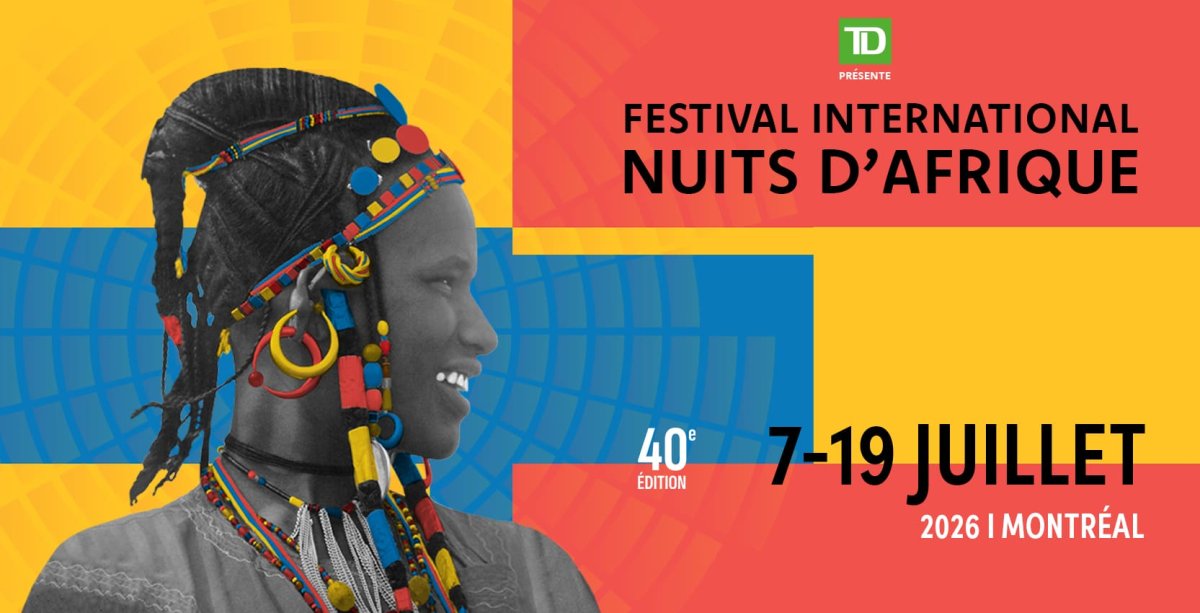
Four Decades of Cultural Bridge-Building
The Festival International Nuits d'Afrique de Montréal was founded in 1987 by a dancer and choreographer who sought to bring African performing arts to Canadian audiences. Over the subsequent decades the gathering expanded from modest beginnings into the largest world music festival in North America. Its guiding motto remains le plus grand rendez-vous des musiques du monde, a phrase that continues to capture the scale of its programming each summer.
The 2026 theme 40 years of rhythms, sharing and connection underscores the event's role as a cultural bridge between Africa and its diaspora. Early editions focused primarily on African traditions, yet the festival gradually incorporated African-Caribbean and Latin influences as communities in Montreal grew. This evolution allowed the programming to reflect the full breadth of musical conversations linking the continent with its global communities.
Founders emphasized live performance as a means of preserving and sharing heritage, a principle that has guided every edition since 1987. By 2026 the festival will have marked exactly 40 years of continuous operation, a milestone few world music events in Canada have achieved. Audiences have watched the program mature from intimate club nights into multi-venue productions that attract international attention.
The cultural bridge function remains central, with artists traveling from West Africa, the Maghreb and the Caribbean to share stages with local musicians. Montreal's Francophone setting has strengthened these links, creating pathways for dialogue that extend beyond music into broader cultural exchange. Each year new generations discover sounds that trace their roots directly to African villages and urban centers.
Over time the festival has documented changing tastes while staying true to its founding vision of connection. The 40th edition therefore serves as both celebration and reaffirmation of the original commitment made in 1987. Organizers view this continuity as evidence that sustained investment in African and diaspora arts yields lasting community impact.
Oumou Sangaré Headlines a Milestone Edition
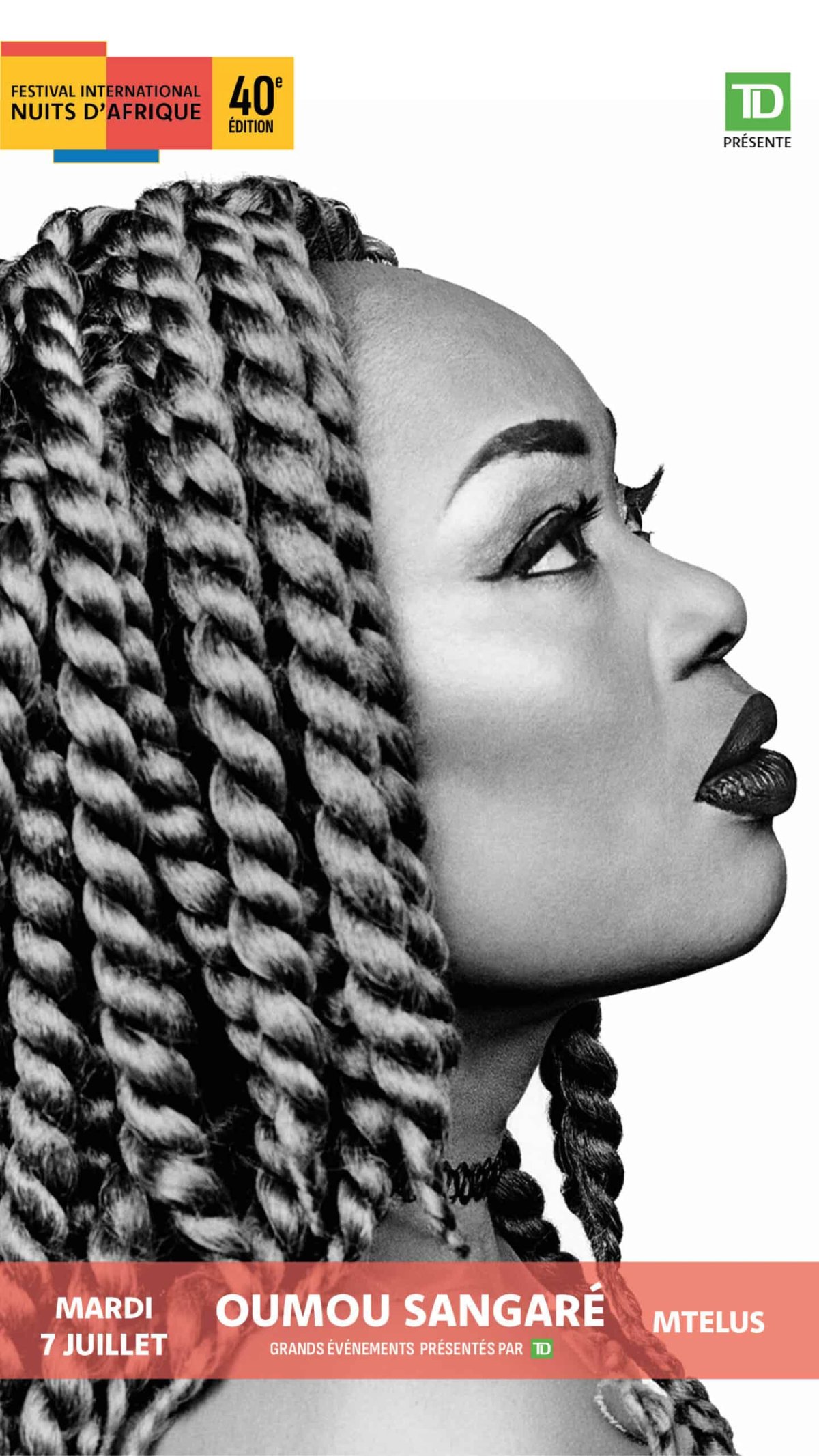
Oumou Sangaré of Mali serves as guest exceptionnelle for the opening concert on July 7 at MTelus, bringing her distinctive Wassoulou sound and longstanding advocacy for women's rights to the milestone stage. Her performances have long combined powerful vocals with social commentary, making her an ideal figure to launch the 40th edition. Festivalgoers anticipate a set that honors both musical tradition and contemporary concerns.
Labess, the Algerian-Canadian ensemble, appears on July 12 at Le National, adding North African influences to the program. Their fusion of chaabi rhythms and modern arrangements has earned them a dedicated following across Canada. The July 12 slot allows audiences to experience how Maghrebi sounds continue to enrich the festival's broader African and diaspora narrative.
BIM, also known as Benin International Musical, performs on July 8 at Théâtre Fairmount, presenting high-energy grooves rooted in Beninese traditions. Their appearance highlights the festival's commitment to showcasing emerging talent from Francophone West Africa. On the same evening Senny Camara and Yamoussa Bangoura present the Nuit de la Kora at Le Gesù, offering an intimate exploration of the kora's resonant possibilities.
Guiss Guiss Bou Bess from Senegal closes a key evening on July 14 at Club Balattou with their distinctive Mbalax-infused contemporary sound. The July 11 concert titled La Guinée rend hommage au Baobab de Nuit de Montréal at MTelus gathers Guinean artists in tribute to the festival's legacy. Zal Sissokho and Laurent Perrault-Jolicoeur appear together on July 12 at Club Balattou, bridging Senegalese and Quebecois musical perspectives.
These headline bookings reflect careful curation that balances established voices with newer ensembles. Each artist brings concrete connections to African creative communities, whether through Wassoulou heritage, Mbalax innovation or kora mastery. The July 7 to July 19, 2026 schedule ensures that audiences encounter a wide geographic and stylistic range within a single fortnight.
A Week of Free Outdoor Celebrations
Free outdoor programming runs from July 14 to July 19 in The Village, transforming public spaces into accessible gathering points for residents and visitors alike. Ateliers de danse à ciel ouvert invite participants of all ages to learn traditional and contemporary dance forms under open skies. These workshops complement ticketed concerts by offering hands-on engagement with African and diaspora movement vocabularies.
The Marché Tombouctou recreates elements of a West African market, featuring crafts, textiles and foods that extend the festival's cultural immersion beyond music. Families can explore the Children's Village, where activities introduce younger audiences to rhythms and stories from across the continent. Such programming ensures that the 40th edition remains inclusive for Montreal's diverse neighborhoods.
Radio-Canada Dance Under the Stars provides an evening series of outdoor performances that highlight both established and emerging dancers. The Cabaret Nuits d'Afrique platform spotlights up-and-coming artists in informal settings, giving them valuable exposure during the July 14-19 period. These free events collectively lower barriers to participation while maintaining high artistic standards.
Organizers note that the outdoor component has grown steadily since the festival's early years, reflecting increased community demand for public cultural programming. The Village location offers easy access via public transit, encouraging spontaneous attendance from passersby. In 2026 the free offerings reinforce the theme of sharing by extending festival energy into everyday urban life.
The Senegalese Connection at Nuits d'Afrique
Senegalese artists have appeared regularly throughout the festival's history, contributing to its reputation as a vital link between Quebec and Francophone West Africa. Guiss Guiss Bou Bess returns in 2026 with their updated approach to Mbalax, demonstrating how Senegalese traditions continue to evolve on international stages. Their July 14 performance at Club Balattou exemplifies the ongoing vitality of this artistic exchange.
Youssou N'Dour's historic appearances helped establish the festival's credibility among African musicians and audiences in the early decades. Those performances opened doors for subsequent generations of Senegalese performers seeking North American exposure. The event has functioned as a reliable gateway for artists from Dakar and Saint-Louis to reach new listeners.
The Saint-Louis Jazz Festival maintains a parallel connection, with several musicians crossing between the two events and strengthening ties across the Atlantic. Quebec's Francophone environment facilitates these movements, creating a cultural corridor that feels natural to artists from Senegal and neighboring countries. Audiences benefit from programming that reflects authentic regional flavors rather than generic world-music categories.
Local Senegalese communities in Montreal actively participate as volunteers, vendors and audience members, ensuring that the festival retains grounded connections to lived diaspora experience. This participation reinforces the broader theme of connection that defines the 40th edition. The presence of Senegalese sounds each summer reminds attendees of the deep historical and linguistic links between Quebec and West Africa.
Through consistent booking and community involvement, Nuits d'Afrique has become a recognized platform for Senegalese creative voices. The 2026 program continues this pattern while introducing fresh interpretations of longstanding traditions.
Impact on African Creative Economy and Diaspora Connection
The festival serves as a significant platform for African artists seeking international exposure, often providing their first substantial tour dates in North America. Economic benefits extend beyond performance fees, as touring musicians gain access to recording opportunities and new markets. Many performers credit appearances at Nuits d'Afrique with opening subsequent bookings across Canada and the United States.
The Syli d'Or de la musique du monde awards recognize outstanding contributions within the world-music community, adding prestige that helps artists secure further support. Disques Nuits d'Afrique, the associated record label, has released numerous albums that document performances and introduce new voices to wider audiences. These institutional elements create lasting infrastructure for African and diaspora musicians.
Annual attendance exceeding 200,000 visitors generates measurable economic activity for Montreal's cultural sector while simultaneously supporting artists' livelihoods back home. The event's model compares favorably with other African diaspora festivals in Europe and the United States, particularly in its sustained focus on Francophone West African repertoires. Cultural expression in the diaspora gains visibility and legitimacy through such high-profile programming.
Younger musicians from Senegal, Mali and Guinea often cite the festival as a formative influence that encouraged them to pursue professional careers. The combination of ticketed concerts and free outdoor activities ensures broad demographic reach, strengthening community bonds across generations. Over four decades this consistent presence has helped normalize African music within Quebec's mainstream cultural landscape.
Organizers emphasize that the 40th edition builds upon these foundations rather than resting on past achievements. Continued investment in artist development and audience engagement promises further growth in the years ahead.
What to Watch For
The full program unfolds from July 7 to July 19, 2026 across the established venues of MTelus, Le National, Le Gesù, Théâtre Fairmount and Club Balattou. General manager Suzanne Rousseau will unveil the complete lineup in late May 2026, allowing audiences and artists time to prepare for the milestone celebrations. Media partners including CTV Montreal, Noovo Info and CityNews Montreal will provide extensive coverage throughout the fortnight.
Radio-Canada continues its longstanding role as key partner, broadcasting selected performances and supporting the outdoor Radio-Canada Dance Under the Stars series. These collaborations extend the festival's reach beyond physical attendance, introducing African and diaspora sounds to listeners across Quebec and beyond. The 40th edition therefore functions as both culmination and launching point for future seasons.
With its proven track record of more than 200,000 annual visitors and deep community roots, the festival sets the stage for sustained expansion while honoring its origins in 1987. Observers anticipate that the 2026 program will reinforce Nuits d'Afrique's position as an essential gathering for world music enthusiasts and cultural bridge-builders alike.
By Amara Diop, Staff Writer
This article was produced with AI-assisted research and editorial support. Reporting is based on sources cited in the article.
What's Your Reaction?
 Like
0
Like
0
 Dislike
0
Dislike
0
 Love
0
Love
0
 Funny
0
Funny
0
 Wow
0
Wow
0
 Sad
0
Sad
0
 Angry
0
Angry
0

West Africa/Sahel Correspondent at Global1.News. Dakar-based journalist covering politics, security, climate, and development across Francophone and Anglophone West Africa. Tells the stories of a region undergoing profound transformation.












Comments (0)