
Seychelles Marks 40 Years of Kreol Festival with Vibrant Tribute to Creole Identity and Heritage
Seychelles celebrated 40 years of the Kreol Festival this year, marking a significant milestone for Creole culture on the global stage. This event underscores the vital importance of preserving the rich heritage of the African diaspora, where traditions from the continent have blended with influences from around the world to create vibrant identities. In a time when cultural homogenization threatens diversity, such festivals stand as beacons of resilience and pride.
Seychelles celebrated 40 years of the Kreol Festival this year, marking a significant milestone for Creole culture on the global stage. This event underscores the vital importance of preserving the rich heritage of the African diaspora, where traditions from the continent have blended with influences from around the world to create vibrant identities. In a time when cultural homogenization threatens diversity, such festivals stand as beacons of resilience and pride.
Seychelles Marks 40 Years of Kreol Festival with Vibrant Tribute to Creole Identity and Heritage
Victoria, Seychelles — The three-week celebration unfolded across the main island of Mahé and beyond, drawing participants from various Creole-speaking regions. From street parades to culinary fairs, the festival honored the unique Seychellois spirit. This gathering not only entertained but also reinforced ties to ancestral roots in Africa and beyond, setting the stage for deeper explorations of heritage.
A Festival Born from Vision: The Origins of Kreol Festival
Kreol Festival first launched in 1985, making Seychelles the first country in the world to establish a festival dedicated to Creole heritage. This pioneering step came at a time when many post-colonial nations sought to reclaim their narratives, and Seychelles led the way by centering Creole identity as a living force rather than a relic. The model later embraced across the Creole-speaking world in places like the Caribbean, Mauritius, Réunion, and other Indian Ocean islands shows how one nation's vision can ripple outward to strengthen diaspora bonds everywhere.
David André, Secretary-General of the National Institute for Culture, Heritage and the Arts, has long guided these efforts with a steady hand rooted in his own deep connection to the land. He often reminds listeners that "There is something unique within us, and it comes from our diverse origins. We come from Europe, Africa and Asia." This blend reflects the forced and chosen migrations that shaped Seychelles, much like the Senegalese stories of resilience I grew up hearing around family fires.
"What makes us proud is this diversity that unites us. We all share a common identity in which everyone can find themselves," André adds, his words echoing the warmth of communal gatherings back home in Dakar where elders pass down tales of endurance. The 40-year journey from a small cultural initiative to a global reference speaks to the power of consistent vision, turning local pride into an international touchstone for Creole expression.
October holds special significance as the festival month because it aligns with the rhythms of the Indian Ocean's seasonal cycles, when communities historically gathered to celebrate harvests and renew bonds. This timing also honors the African ancestors who arrived through trade and displacement, their rhythms and stories becoming the heartbeat of Seychellois life. Over four decades, the event has grown from modest beginnings into a cornerstone that affirms Creole culture as a dynamic inheritance worthy of global attention.
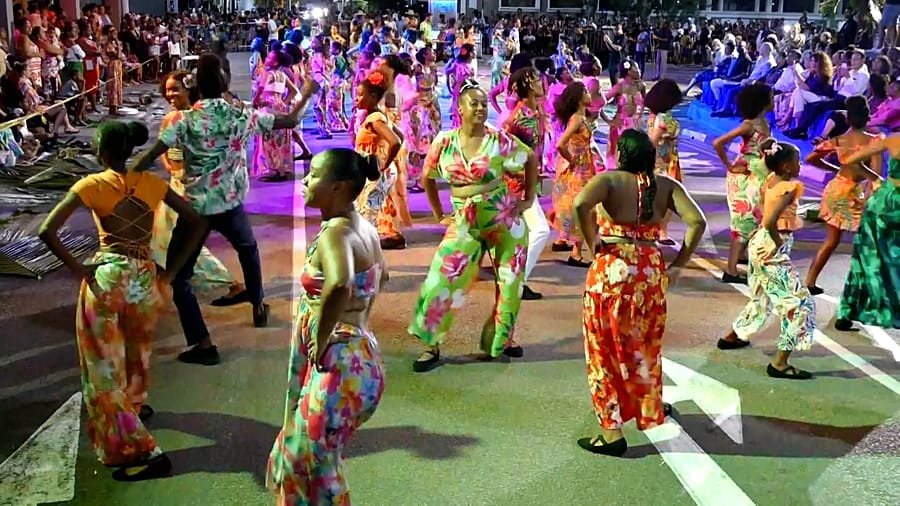
Three Weeks of Celebrations Across Mahé: Street Parades, Fashion, and Hands of Heritage
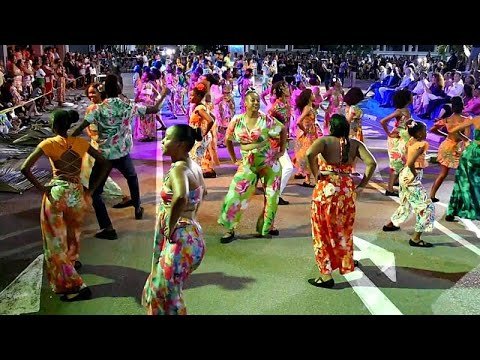
The rich program spanning October 3 to October 31, 2025, brought events across Mahé, Praslin, and other islands, filling every corner with the energy of shared heritage. Street parades wound through Victoria's streets, where dancers in bright fabrics moved to rhythms that trace directly back to African shores, reminding all present of the diaspora threads that bind us. These three weeks of cultural showcases transformed the nation into a living museum of Creole vitality.
The Lafoli Lanmod fashion night spotlighted young designer Mervin Cédras, who showcased pieces inspired by the island's festive Creole flair. His designs wove together bold prints and flowing silhouettes that spoke of both island ease and continental strength. "My culture is African, Creole. There's also a European blend. It's all of that at once," Cédras explained, his voice carrying the grounded pride familiar to anyone who has walked the markets of West Africa.
The National Gallery hosted the Hands of Heritage exhibition gathering artists from various Creole-speaking regions, creating a space where visual stories from across the diaspora met and conversed. Visitors lingered over works that captured the textures of daily life, from fishing boats to family compounds, each piece a testament to survival and creativity. This gathering felt like an extension of the African griot tradition, where art preserves what words alone cannot hold.
Juliette Zélémé's Jouer! living installation paid tribute to dominoes, a game that travels with Creole communities wherever they settle. Her quote about the game having real cultural value, passed down from generation to generation, captured how simple pastimes carry deep memory. "This work highlights the traditional game of dominoes, very popular in Seychelles, but also in other Creole countries," Zélémé noted, linking the exhibition to broader African practices of communal play that strengthen social ties.
Music and the Voices of a New Generation
Rising talent Isham Rath, winner of the Young Promising Artist Award, captivated audiences at the Celebrating 40 Years of Our Culture gala in Victoria with performances that blended old and new. His presence on stage signaled the passing of the torch to those who will carry Creole sounds forward. "Growing up in this nature, in this environment, with this music and these blends of colors — consciously or unconsciously, all of that has inspired me," Rath shared, his words evoking the same natural rhythms that shape Senegalese griots.
Music remains the heart of Kreol celebrations, with traditional Sega and Moutya rhythms alongside contemporary Creole sounds creating a dialogue across generations. Sega's swaying beats and Moutya's earthy drums trace their origins to African work songs and resistance melodies, adapted here in the islands to tell stories of love, labor, and longing. These sounds filled the air during evening gatherings, drawing elders and youth alike into circles of dance and remembrance.
School-based activities at Grand Anse Praslin primary school and the French School of Seychelles involved teachers, children, and parents in hands-on learning that made heritage tangible. Children learned songs and dances that their grandparents once performed, while parents shared family recipes for instruments made from local materials. The transmission of Creole culture to younger generations through educational workshops ensures that the African roots embedded in these practices remain alive rather than archived.
Creole Cuisine: A Taste of Seychellois Identity
Culinary fairs served as a centerpiece of the festival, where Creole cuisine blending African, French, Chinese, and Indian influences came alive on every plate. The smoky grills of fish and octopus at street food stalls sent aromas drifting through the night air, while fresh coconut chutneys added layers of flavor drawn from the islands' fertile soils. These meals told stories of migration and trade that mirror the journeys of African peoples across oceans.
Spicy rougaille lentil stew simmered alongside the iconic ladob, sweet plantain or cassava in coconut milk, each bite revealing the careful balance of spices brought by traders and settlers. Food tells the story of Seychelles' migration and trade history in ways that no textbook can match, connecting diners directly to the African diaspora kitchens where similar stews sustain families today. Tourism bodies promoting Creole cuisine alongside the milestone anniversary helped visitors understand how these dishes preserve identity amid global change.
The connection between food, identity, and cultural preservation runs deep, as every shared meal during the festival reinforced communal bonds that have withstood centuries of upheaval. Elders passed down techniques for preparing ladob exactly as their mothers did, ensuring the flavors of home travel with the next generation. In this way, the culinary fairs became living classrooms where African heritage met island innovation.
A Model for Creole-Speaking Communities Worldwide
The festival's influence beyond Seychelles stands as a reference point for Creole cultural preservation across the globe, proving that such events can thrive when rooted in authentic community leadership. Festival Kreol's role in demonstrating that Creole culture is not merely a colonial byproduct but a vibrant, evolving tradition offers hope to diaspora communities facing erasure. Comparisons with other Creole festivals in the Atlantic and Indian Ocean worlds highlight how Seychelles' approach emphasizes education and youth involvement over mere spectacle.
The event supported by Seychelles government and tourism bodies aligns with the country's tourism strategy, turning cultural celebration into sustainable economic opportunity while keeping heritage at the center. Victoria becomes the Creole Capital each October, its streets alive with the colors, sounds, and tastes that define this unique identity. This annual transformation draws visitors who leave with a deeper respect for the African foundations beneath the Creole surface.
In an era of globalization and cultural homogenization, the broader significance of Creole identity shines through the festival's insistence on specificity and continuity. Other nations look to Seychelles for guidance on how to honor mixed heritages without diluting any strand. The model encourages similar gatherings that celebrate resilience rather than assimilation.
Looking Ahead: The Future of Kreol Festival and Creole Heritage
The 40th edition ran until November 2nd, 2025, and returns in October 2026, continuing the mission to preserve, celebrate and transmit Creole heritage to future generations. Organizers already plan expansions that will include more digital archiving of oral histories and expanded global participation from Creole communities worldwide. These steps ensure that the stories carried from Africa remain accessible even as technology reshapes how we connect.
Reflections from mid-2026 will likely center on the ongoing pride in traditions spotlighted during the 40th edition, from fashion to music to food. The role of cultural festivals in the Indian Ocean's tourism and identity landscape grows clearer each year, as they provide both economic vitality and spiritual grounding. What the next 40 years may hold includes youth engagement programs that train young leaders like Mervin Cédras and Isham Rath to guide the festival's evolution.
Mervin Cédras's and Isham Rath's generation as the torchbearers of Creole creativity will shape how these traditions adapt without losing their African soul. Their work reminds us that heritage is not static but a living conversation between past and present. By Amara Diop, Staff Writer
This article was produced with AI-assisted research and editorial support. Reporting is based on sources cited in the article.
What's Your Reaction?
 Like
0
Like
0
 Dislike
0
Dislike
0
 Love
0
Love
0
 Funny
0
Funny
0
 Wow
0
Wow
0
 Sad
0
Sad
0
 Angry
0
Angry
0

West Africa/Sahel Correspondent at Global1.News. Dakar-based journalist covering politics, security, climate, and development across Francophone and Anglophone West Africa. Tells the stories of a region undergoing profound transformation.














Comments (0)