
Comey Seashell Case Tests Free Speech Limits
Former FBI Director James Comey is seeking dismissal of his indictment for an Instagram photo of seashells spelling "86 47," arguing the post is protected political speech. The case, brought after Trump publicly demanded prosecution, has raised alarms over DOJ independence and First Amendment protections.
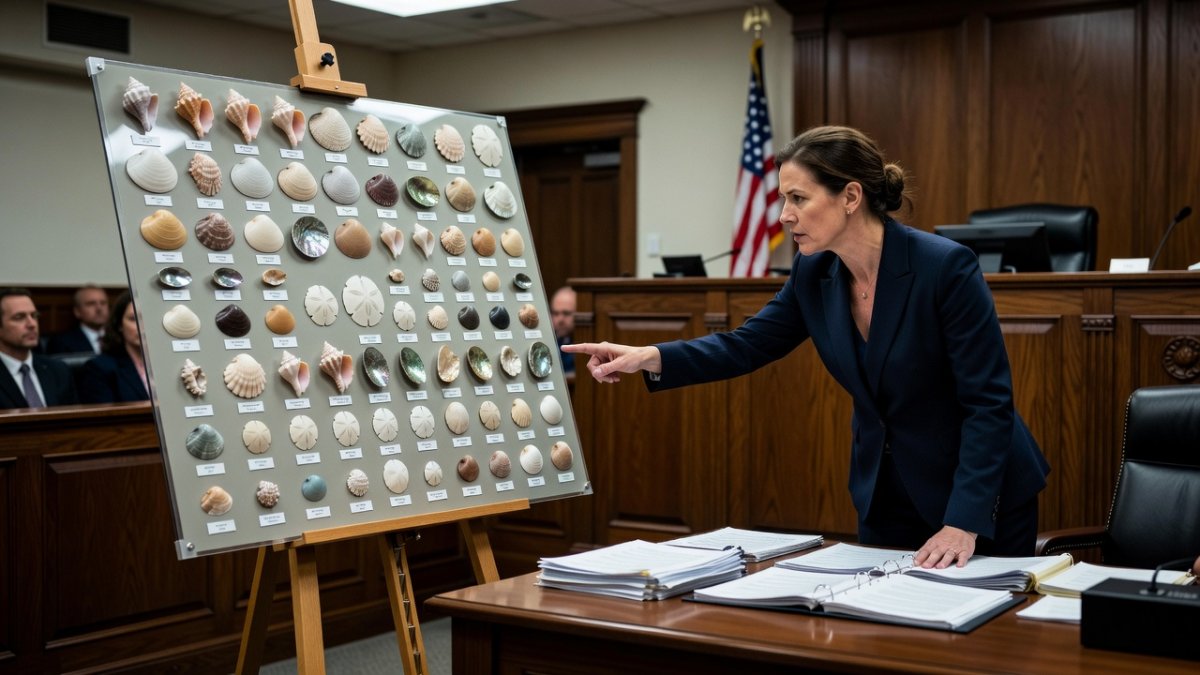
James Comey just filed to kill the federal case that charges him with threatening President Trump by arranging seashells into the numbers "86 47" on Instagram. The move exposes a prosecution driven by Trump's direct orders rather than evidence of any real threat. This is raw political payback dressed up as law enforcement.
Comey Seashell Case Tests Free Speech Limits
Washington, D.C. — July 29, 2026 — Former FBI Director James Comey asked a federal judge Monday to dismiss charges that he threatened President Donald Trump with an Instagram photo of seashells spelling "86 47," a slogan critics use to call for removing the 47th president. The Eastern District of North Carolina indicted Comey on April 28, 2026, for making threats against the president, but his lawyers say the post is protected political speech under the First Amendment.
The Instagram Post and Its Context
Comey posted the seashell image in 2025 as part of widespread online criticism of Trump. The phrase "86 47" draws from diner slang for removing an item, though prosecutors claim it signals intent to harm. Comey's filing cites multiple court precedents showing that political slogans, even edgy ones, do not qualify as true threats unless they show specific intent to commit violence. No evidence has surfaced that Comey contacted Trump or planned any action beyond the photo.
The "86 47" slogan traces its roots to mid-20th-century American diner and soda fountain slang, where "86" signaled that an item was out of stock or should be removed from an order. Over decades it migrated into broader pop culture as shorthand for cancellation or ejection, appearing in films, music, and protest chants long before its political adoption. In recent years the phrase evolved into a symbolic call to oust the 47th president, circulating widely on social media amid the larger anti-Trump resistance movement that included marches, boycotts, and viral memes following the 2024 election.
Other public figures and commentators have deployed similar language without facing charges. Comedians, late-night hosts, and Democratic politicians have used "86" references in stand-up routines and tweets, yet prosecutors ignored those instances. This selective focus on Comey’s seashell post, set against a backdrop of sustained protest imagery and online dissent, underscores how the case singles out one critic while comparable speech from others remains untouched.
Indictment Timeline and Grand Jury Action
A federal grand jury in the Eastern District of North Carolina returned the indictment on April 28, 2026, just before the statute of limitations expired. The single count alleges Comey made threats to harm the president. Arraignment is scheduled for September 30, 2026, in New Bern. Defense attorney Michael Dreeben, former acting Solicitor General, argues the government cannot prove the post crossed into unprotected speech.
The charge rests on 18 U.S.C. § 871, which makes it a federal crime to knowingly and willfully threaten the president with bodily harm. Prosecutors must establish that the defendant communicated a serious expression of intent to commit unlawful violence, not mere political hyperbole or abstract advocacy. Courts have long required proof of both the threatening nature of the words and the speaker’s subjective intent, a threshold the defense says the seashell post never approaches.
The timing of the indictment, filed on the final day before the five-year statute of limitations ran, raises questions about whether the case would have been brought at all absent external pressure. Grand juries typically require months of investigation; here the process appears compressed into weeks after Trump’s public demands, suggesting the decision was driven by political deadlines rather than fresh evidence or deliberate review by career prosecutors.
Trump's Direct Pressure on the DOJ
Trump publicly called on Attorney General Pam Bondi to prosecute Comey days before the deadline. When U.S. Attorney Erik Siebert reportedly resisted, the DOJ removed him from the case. The New York Times and The Guardian reported on July 29, 2026, that Trump demanded details from Secret Service agents who interviewed Comey. These steps show the White House inserting itself into charging decisions normally left to career prosecutors.
A Politico investigation described the Comey prosecution as a clear breach of Justice Department independence, noting that career officials were sidelined once the White House signaled its priorities. Trump’s Truth Social posts demanding action against Comey began in early 2026 and intensified in the weeks before the April indictment deadline, creating a public timeline that aligned precisely with the grand jury’s decision. When U.S. Attorney Erik Siebert resisted, he was removed, a move widely viewed as punishment for failing to deliver the desired case.
These events echo the Saturday Night Massacre of 1973, when President Nixon ordered the firing of Special Prosecutor Archibald Cox, triggering resignations and a constitutional crisis. Legal historians draw direct parallels, warning that overt White House intervention in charging decisions revives the very abuses the post-Watergate reforms were designed to prevent. The pattern suggests a deliberate effort to convert the DOJ into an instrument of personal retribution rather than impartial law enforcement.
Retaliation Against Comey's Daughter
Maurene Comey, James Comey's daughter and a former SDNY prosecutor, was removed from her post in 2025. She filed a whistleblower lawsuit in September 2025 alleging retaliation tied to her father's case. The pattern of targeting family members and resistant officials points to a broader effort to punish anyone connected to the investigation of Trump.
In her lawsuit, Maurene Comey alleges she was abruptly reassigned and later pushed out of the Southern District of New York after her father’s public criticism of the administration intensified. She claims supervisors explicitly linked her removal to James Comey’s statements and the looming indictment, describing the move as punitive rather than performance-based. Internal emails cited in the complaint show references to “family optics” and pressure from Main Justice to demonstrate loyalty.
This approach fits a wider pattern in which the administration has pursued investigations or personnel actions against relatives of critics, including congressional staffers and former officials. Career prosecutors now face an implicit choice: resist questionable directives and risk professional isolation, or comply and preserve their positions. The resulting chill discourages independent judgment and tilts charging decisions toward political expediency.
First Amendment Stakes and Legal Arguments
Comey's motion states the seashell post lacks the elements of a true threat required by Supreme Court rulings. Prosecuting political speech like this risks chilling criticism of any sitting president. Legal experts note that similar anti-Trump slogans have circulated for years without charges, making the selective enforcement here stand out. The case could set precedent on how far the government can stretch threat statutes against opponents.
Damage to DOJ Independence and Democracy
This prosecution hands the Justice Department to the White House for settling scores, a direct break from norms that kept career prosecutors insulated from political demands. When presidents can fire U.S. attorneys and demand cases against critics, the rule of law bends to personal vendettas. The First Amendment suffers when speech opposing power becomes grounds for indictment, eroding the space for dissent that keeps democracy functional. Taxpayers now foot the bill for a case estimated to exceed $1.4 million in legal and investigative costs while real threats go unaddressed.
Scholars at institutions including Harvard and Georgetown have warned that the case accelerates the erosion of norms established after Watergate and tested during Trump’s first term, when multiple attorneys general faced accusations of shielding the president from scrutiny. By replacing resistant prosecutors and publicly dictating targets, the administration signals that loyalty now outweighs evidence in federal charging decisions. The projected $1.4 million in taxpayer costs for this single prosecution further illustrates misplaced priorities while documented threats from other quarters receive fewer resources.
Public trust in the Justice Department has already declined sharply in polling ahead of the 2026 midterms, with independents expressing particular concern that political speech could trigger future indictments. When dissent is reframed as criminal threat, the space for legitimate opposition shrinks, weakening the institutional guardrails that sustain democratic accountability across administrations.
The Broader Crackdown on Critics
The Comey case forms part of a wider pattern of actions against perceived opponents. The administration has opened investigations into journalists who reported on Trump’s business dealings, issued subpoenas to Democratic donors, and directed federal agencies to review security clearances of former intelligence officials who criticized the president. These moves, often announced on social media before formal charges, create a chilling effect that extends far beyond any single indictment.
Internal Department of Justice inspector general reports have documented repeated instances of politicized hiring and case selection since 2025, including the bypassing of standard review processes in high-profile matters. Legal observers at organizations tracking prosecutorial independence describe the current approach as a systematic effort to convert the department into an instrument of personal and political enforcement, with career officials either sidelined or compelled to align with White House priorities. The cumulative effect, they warn, is a Justice Department that prioritizes loyalty over evidence and treats dissent as a prosecutable offense.
What Happens Next: The Legal Road Ahead
The September 30, 2026 arraignment in New Bern will set the immediate procedural schedule, with Comey’s team expected to press the dismissal motion before any trial date is set. If the district judge grants the motion on First Amendment grounds, the case would end unless the government appeals to the Fourth Circuit. A denial would likely trigger pretrial litigation over evidentiary rulings and could extend into 2027.
Should the matter reach trial, prosecutors would need to prove the seashell post constituted a “true threat” under Supreme Court precedent, a high bar that legal analysts say the facts may not meet. An eventual appeal could place the case before the Supreme Court, offering the justices an opportunity to clarify the boundaries of threat statutes when applied to political expression and potentially reshaping how future administrations handle similar online criticism.
By Jessica Ali, Staff Writer
This article was produced with AI-assisted research and editorial support. Reporting is based on sources cited in the article.
What's Your Reaction?
 Like
0
Like
0
 Dislike
0
Dislike
0
 Love
0
Love
0
 Funny
0
Funny
0
 Wow
0
Wow
0
 Sad
0
Sad
0
 Angry
0
Angry
0

Editor-in-Chief at Global1.News. Atlanta-based journalist who cuts through the BS and tells it like it is. Lead anchor, host, and the voice you hear when the spin stops and the truth starts.














Comments (0)