
Rio Carnival 2026: Viradouro Crowned Samba Champions in Tribute to Drum Master Mestre Cica
Rio de Janeiro — Unidos do Viradouro claimed the 2026 Grupo Especial title with a flawless performance that honoured drum master Mestre Cica, marking their fourth championship and a perfect 270 score. The school from Niteroi across Guanabara Bay swept the judges with its enredo "Pra Cima, Cica!" and also took multiple Estandarte de Ouro awards. This victory underscores how Brazilian samba remains a living bridge to African ancestral rhythms carried across the Atlantic centuries ago.
Rio de Janeiro's Sambadrome roared with thunderous drumlines, dazzling sequins and towering allegorical floats as 12 elite samba schools battled for the most coveted championship title in Brazilian carnival — a celebration whose heartbeat is unmistakably African.
Rio's Samba Schools Dazzle in Carnival Showdown as Viradouro Wins with Tribute to African-Brazilian Drum Master
Rio de Janeiro — Unidos do Viradouro claimed the 2026 Grupo Especial title with a flawless performance that honoured drum master Mestre Cica, marking their fourth championship and a perfect 270 score. The school from Niteroi across Guanabara Bay swept the judges with its enredo "Pra Cima, Cica!" and also took multiple Estandarte de Ouro awards. This victory underscores how Brazilian samba remains a living bridge to African ancestral rhythms carried across the Atlantic centuries ago.
Viradouro's Triumph: A Perfect Score and a Legend Honoured
Unidos do Viradouro secured its fourth overall title, becoming a tetracampea, with a perfect 270 score that earned all 10s across every judging category. The school's enredo "Pra Cima, Cica!" paid heartfelt tribute to Mestre Cica, whose real name is Moacyr da Silva Pinto. At 69 years old and after more than five decades commanding drum batteries, he stood as the emotional centre of the parade.
Mestre Cica appeared in the comissão de frente and rode the final allegorical float, visibly moved as thousands of voices chanted his name. His role as bateria commander guided the thunderous rhythm that carried the entire school through the Marques de Sapucai Sambadrome. Judges praised the seamless harmony between the 300 to 400 percussionists and the story unfolding on the avenue.
Results were announced on Ash Wednesday, February 18, 2026, during the traditional apuração ceremony. Viradouro's name was called first, sparking wild celebrations among supporters who had prepared year-round. The school, based in Niteroi, had invested millions of reais in costumes and floats that told Cica's life story with dignity and power.
Juliana Paes, Viradouro's rainha de bateria, led the percussion section with grace and energy that matched the school's flawless execution. Mestre Cica later promised to quit smoking after the victory, a personal vow that endeared him even more to fans. The perfect score reflected not only technical excellence but deep respect for the man who shaped generations of samba drummers.
Community members from Niteroi and Rio alike filled the stands, many wearing Viradouro colours. The win felt like a collective embrace of an elder whose hands had kept African rhythms alive on Brazilian soil for half a century.
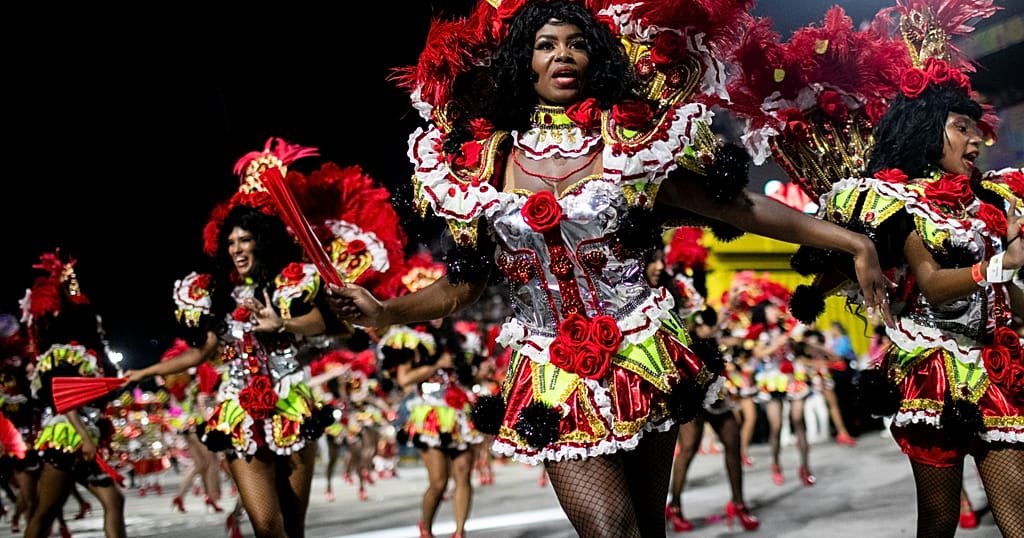
The African Pulse Beneath the Samba Beat
Samba's rhythms travelled to Brazil with enslaved Africans who carried memories of West and Central African drumming traditions. These beats found new expression in Rio yet never lost their ancestral heartbeat. The connection runs through Candomblé and other Afro-Brazilian religious practices that still honour Yoruba and Bantu spirits today.
Instruments such as atabaques, agogôs and berimbaus were adapted into samba percussion, creating the layered sound that fills the Sambadrome each February. These drums echo the talking drums and sabar rhythms familiar across West Africa, including in Senegal. The dialogue between continents remains alive in every parade.
On February 10, 2026, an Afro-Brazilian cleansing ritual known as lavagem took place at the Sambadrome. Participants poured water and herbs to invoke peace and ancestral protection before the competition began. The ceremony reminded everyone that carnival is more than spectacle; it is spiritual renewal rooted in African traditions.
Viradouro's tribute to Mestre Cica highlighted how one man's lifetime of work preserved these links. His bateria carried the same polyrhythmic complexity found in Senegalese drumming circles, where elders pass knowledge to younger generations. The perfect score affirmed that African memory continues to guide Brazilian carnival.
Many samba schools maintain ties to Candomblé terreiros, where songs and movements still speak in Yoruba and Bantu languages. This religious foundation gives the parades their depth and emotional weight. Without these African roots, samba would not exist in its current powerful form.
Twelve Schools, Three Nights, One Crown
Twelve elite samba schools competed over three nights at the Sambadrome, a venue designed by Oscar Niemeyer with capacity for approximately 72,000 spectators. Judges scored each school on costumes, floats, harmony, percussion, theme coherence and samba-enredo. The pressure was immense, as community pride and months of preparation rested on every detail.
The final classification placed Unidos do Viradouro first, followed by Beija-Flor in second and Vila Isabel in third. Salgueiro took fourth place, Imperatriz Leopoldinense fifth, and Mangueira sixth. Unidos da Tijuca finished seventh, Grande Rio eighth, Paraíso do Tuiuti ninth, Portela tenth, Mocidade Independente eleventh, and Acadêmicos de Niterói was relegated after finishing twelfth.
Viradouro also swept several Estandarte de Ouro awards, recognising excellence in multiple categories. The school's Niterói base meant supporters crossed the bay daily during preparations, turning the competition into a regional celebration. Every school brought floats that cost millions of reais and told stories with meticulous detail.
The judging categories rewarded both technical precision and emotional resonance. Percussion sections had to maintain perfect timing across hundreds of drummers while the enredo unfolded. Viradouro's tribute to Mestre Cica excelled in every area, earning the unanimous 270 points.
Three nights of parades created a marathon of colour and sound that tested endurance for performers and audiences alike. The structure ensures that only the strongest schools reach the top, preserving the competitive spirit that drives samba forward each year.
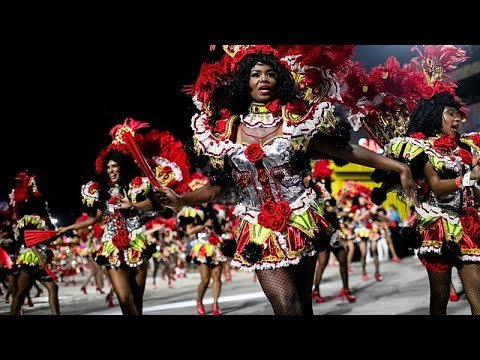
Carnival as Catharsis: Voices from the Avenue
Rebeca Vitoria Tito, the 24-year-old porta-bandeira from Paraíso do Tuiuti, captured the spirit of carnival when she said, "Carnival is my passion. It's where I can heal all my wounds, my sadness." Her words echoed what thousands feel each year as they step onto the avenue. The brief moments on parade represent months of sacrifice and community effort.
Residents dedicate entire years to sewing costumes, building floats and rehearsing harmonies. For many families, samba school membership provides identity and belonging that extends far beyond February. The economic impact on Rio's creative economy and tourism is substantial, supporting thousands of jobs in costume design, music and hospitality.
Viradouro's victory brought particular joy to Niterói residents who cross the bay to support their school. The preparation process creates bonds that last lifetimes, turning neighbours into extended family. Even schools that did not win felt the collective pride of having participated in something larger than themselves.
The Sambadrome becomes a space of release where everyday struggles are transformed into art. Dancers and drummers carry personal stories onto the avenue, finding strength in the shared rhythm. This cathartic quality explains why carnival continues to grow despite economic challenges.
Tourism generated by the event brings visitors from around the world, many of whom return home with deeper appreciation for Afro-Brazilian culture. The money spent on parades circulates through local communities, sustaining artisans and musicians year-round.
From Rio to Dakar: Samba's African Diaspora Homecoming
African artists are increasingly reclaiming and reinterpreting samba, recognising it as part of a shared heritage. The Fanti Carnival in Lagos serves as a cultural bridge between Nigeria and Brazil, where participants blend Yoruba traditions with Brazilian rhythms. Similar exchanges happen across the continent through music and dance festivals.
West African carnival traditions, including the Dakar Carnival, Calabar Carnival and Cape Town Minstrels Carnival, echo the spirit of Rio while adding local flavours. Senegalese musicians have collaborated with Brazilian artists on projects that highlight the transatlantic connection. These partnerships strengthen cultural institutions working to preserve the link.
In Senegal, drummers recognise the familiar pulse when they hear samba batteries. The polyrhythms carried by enslaved Africans to Brazil mirror those still played in villages across West Africa. This recognition creates a sense of homecoming whenever Brazilian carnival reaches African audiences through recordings and tours.
Cultural organisations on both sides of the Atlantic now facilitate artist residencies and joint performances. Young Senegalese musicians study samba-enredo structure while Brazilian drummers learn traditional sabar techniques. The exchange keeps the diaspora conversation alive and evolving.
Viradouro's tribute to Mestre Cica resonated particularly with African listeners who understand the importance of honouring elders. The story of one man's five-decade career reflects values of respect and continuity found throughout the continent.
What to Watch For: The Carnival Continues
The Desfile das Campeãs on February 22, 2026, will feature the top six schools repeating their parades for an even larger audience. Viradouro will once again honour Mestre Cica under the lights, giving fans another chance to celebrate the perfect score. Preparations for the 2027 competition have already begun in Niterói.
União de Maricá won the Série Ouro championship and earned promotion to Grupo Especial, bringing fresh energy to the elite competition. The school will join the twelve established groups next year, expanding the field and raising the level of competition. New stories and rhythms will enter the Sambadrome.
The future of samba remains tied to its African diaspora roots even as it incorporates new influences. Growing interest from African countries in Brazilian carnival culture suggests deeper collaborations ahead. Artists from Dakar to Lagos are studying the form while adding their own innovations.
Viradouro's success with a theme centred on an African-Brazilian elder points toward continued celebration of ancestral figures. Schools are likely to explore more stories that trace the journey from Africa to Brazil and back again. This focus keeps the cultural memory vibrant.
The Sambadrome will continue to host these expressions of resilience and creativity. Each February, the avenue becomes a meeting place where the African diaspora reaffirms its strength through rhythm, colour and community.
Samba carries the enduring connection between Africa and Brazil, a living testament to the diaspora's cultural resilience and creativity that refuses to be silenced. From the drum batteries of Rio to the sabar circles of Dakar, the same heartbeat continues to sound across oceans and generations.
By Amara Diop, Staff Writer
This article was produced with AI-assisted research and editorial support. Reporting is based on sources cited in the article.
What's Your Reaction?
 Like
0
Like
0
 Dislike
0
Dislike
0
 Love
0
Love
0
 Funny
0
Funny
0
 Wow
0
Wow
0
 Sad
0
Sad
0
 Angry
0
Angry
0

West Africa/Sahel Correspondent at Global1.News. Dakar-based journalist covering politics, security, climate, and development across Francophone and Anglophone West Africa. Tells the stories of a region undergoing profound transformation.













Comments (0)