
Nuits d'Afrique 40th Edition: Montreal Celebrates African Music
Forty years after its first edition, Montreal's Nuits d'Afrique international music festival has once again proven the enduring power of African music to connect, inspire, and celebrate across continents. The 2026 edition brought together over 700 artists from some 30 countries in a spectacular display of the continent's cultural dynamism. Nuits d'Afrique 40th Edition: Montreal Celebrates African Music's Global Reach Montreal, Canada — The 40th e
Forty years after its first edition, Montreal's Nuits d'Afrique international music festival has once again proven the enduring power of African music to connect, inspire, and celebrate across continents. The 2026 edition brought together over 700 artists from some 30 countries in a spectacular display of the continent's cultural dynamism.
Nuits d'Afrique 40th Edition: Montreal Celebrates African Music's Global Reach
Montreal, Canada — The 40th edition of the Festival International Nuits d'Afrique drew to a close on July 19, 2026, after two weeks of music, dance, and cultural celebration that transformed Montreal's Quartier des Spectacles into a vibrant crossroads of African, Caribbean, and Latin American rhythms. Founded by Ivorian musician and Club Balattou owner Lamine Touré alongside Suzanne Rousseau, the festival has grown from a visionary idea into one of North America's most significant celebrations of African culture.
From Balattou to the Big Stage: The Festival's Origin Story
Lamine Touré brought his Ivorian roots to Montreal with a deep love for music that could unite people from every background. As owner of Club Balattou, whose name means "a dance for everyone" in the Malinke language, he created a welcoming space where rhythms from across the continent found a home. Suzanne Rousseau joined him as co-founder, sharing the same passion for celebrating African sounds in a new land.
The festival began in the 1980s as intimate club nights at Balattou, where local audiences first discovered the richness of African music. What started small soon grew into something much larger, expanding beyond the club walls into a major international event that now spans two full weeks each summer. The Nuits d'Afrique Festival International reached its 40th edition from July 7-19, 2026, in Montreal, Canada, marking four decades of steady growth.
From those early evenings, the festival evolved into one of North America's largest celebrations of African music and culture. It now features over 700 artists from approximately 30 countries across Africa, the Caribbean, and Latin America. More than 130 shows take place across indoor venues such as MTelus and Club Balattou, along with free outdoor stages in the Quartier des Spectacles.
The founders always kept a clear mission in mind: to help children of the diaspora reconnect with their heritage. Lamine Touré has often said, "It was important to us that all children born here, as well as those who cannot travel to their countries of origin, be able to attend the Nuits d'Afrique festival and reconnect with a piece of their culture." This vision remains at the heart of every edition.
Over the years, the event has become a true gathering place where families share stories, dance together, and pass traditions to the next generation. What began as a modest club program now stands as a powerful reminder of how music can bridge oceans and generations.
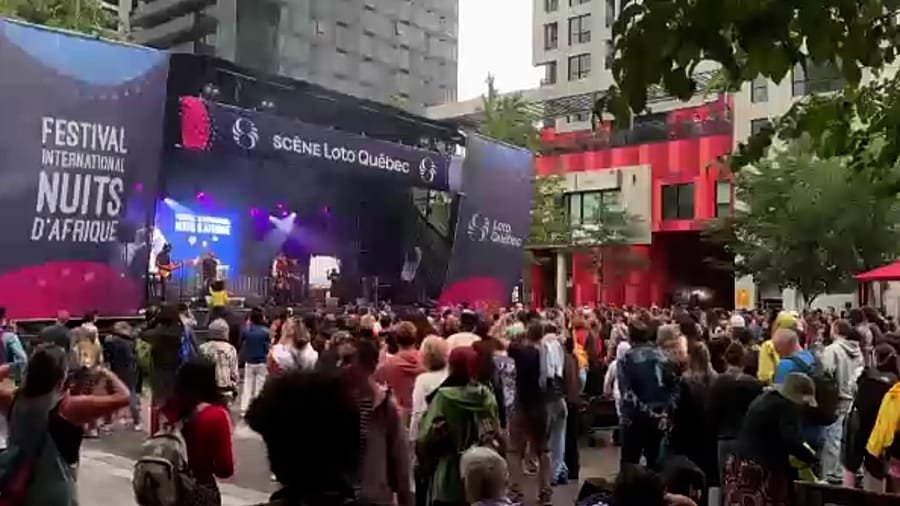
Oumou Sangaré, Tiken Jah Fakoly and the 40th Anniversary Lineup
Oumou Sangaré opened the 40th edition with her powerful Wassoulou music from Mali, bringing messages of women's empowerment and deep respect for cultural heritage. Her voice filled the venues with strength and grace, setting a tone of pride and celebration that carried through the entire festival. Audiences felt immediately connected to the roots she carried so proudly.
Tiken Jah Fakoly closed the festival with his signature blend of reggae and activism from Ivory Coast. His performances reminded everyone of music's power to speak truth and inspire change. The Ivorian legend Meiway composed the special 40th-anniversary anthem "Unis par les Nuits" ("United by the Nights"), capturing the spirit of unity that defines the event.
Meiway shared his gratitude, saying, "This festival has given so much to African music, and I believe the least we could do to honour them is to be here, and I'm here to express my gratitude to the whole team that has done so much to promote art and our traditions here in Canada." His words echoed the deep appreciation felt by many artists.
Guadeloupean icon Admiral T headlined for the fourth time and closed the festival for the second time, bringing his reggae and dancehall energy to thrilled crowds. Tabou Combo, the legendary Haitian kompa band since 1968, delivered unforgettable performances on the outdoor TD stage at the Place des Festivals. Their timeless sound filled the summer air with joy.
Guyanese troubadour Chris Combette performed intimate sets at Club Balattou, while Kizaba brought his afrofuturist electro-Congolese style to the stage. The Sissokho brothers from Senegal, now based in Montreal, represented West Africa with pride and warmth. As they expressed, "We represent not only our family, but also Senegal, where we come from; we represent West Africa; and we represent our culture — and that's a source of pride."
African Music as a Bridge for the Diaspora
Lamine Touré's vision has always centered on cultural reconnection. He understood that many young people born in Canada long to feel linked to their ancestors' lands. The festival offers them that chance through music, dance, and shared stories that travel across generations.
Suzanne Rousseau often describes the event as an expansion of the Balattou spirit. She has noted, "Nuits d'Afrique is the Balattou formula on a grand scale," where all the rhythms, all the cultures, everything from Africa, the entire African continent, the Caribbean, and Latin America come together in one place.
Admiral T reflected on the festival's special meaning for those of African descent. He said, "As someone of African descent, this is a very special festival that resonates deeply with us. Nuits d'Afrique represents something powerful." His words captured the deep emotional pull felt by many performers and attendees alike.
The Syli d'Or competition plays an important role by showcasing emerging talents from the diaspora. Young artists gain a platform to share their voices and build connections within the broader African music community. This support helps keep traditions alive while encouraging fresh creativity.
Family events and community activities form a vital part of the programming, allowing parents to introduce their children to the sounds of their heritage. The festival creates safe, joyful spaces where second-generation Africans can explore their identity without leaving Montreal.
Through these efforts, Nuits d'Afrique strengthens the bonds between the continent and its children abroad. Music becomes the gentle thread that keeps culture vibrant and present in daily life.
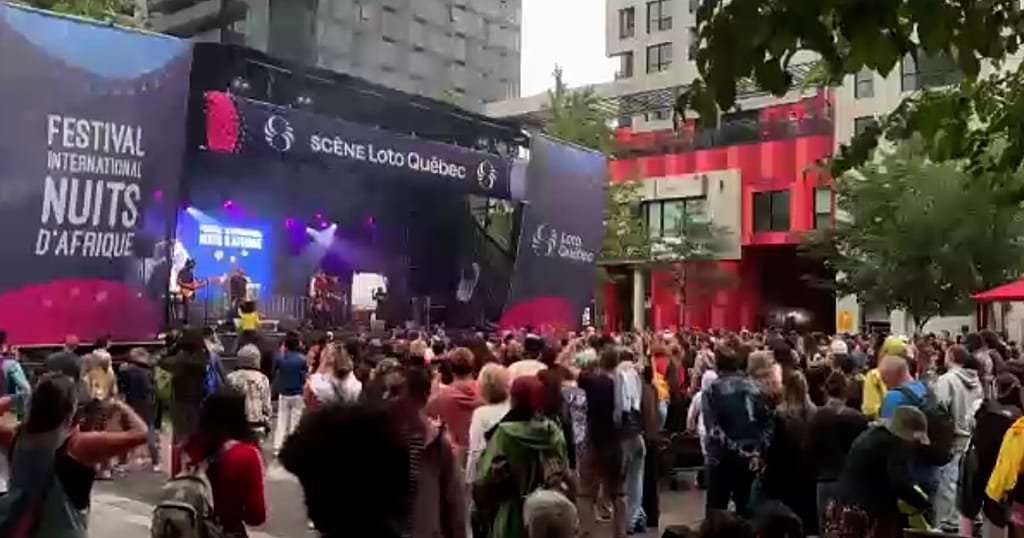
700 Artists, 30 Countries, 130 Shows: Inside the Festival
The 40th edition showcased an impressive scope with over 700 artists from approximately 30 countries. Performances stretched across indoor venues like MTelus and Club Balattou, as well as free outdoor stages throughout the Quartier des Spectacles. This mix allowed everyone, from dedicated fans to curious passersby, to join the celebration.
Family events and community activities brought people of all ages together, creating moments of shared laughter and learning. Children danced alongside elders while learning traditional rhythms that might otherwise feel distant. The festival truly became a living classroom of culture.
Genres ranged widely from Afrobeat and reggae to dancehall, kompa, Mbalax, and traditional rhythms, along with exciting fusions that blended old and new. Each night offered something fresh, reflecting the incredible diversity of the African continent and its diaspora.
Montreal's multicultural environment helped shape the festival into the welcoming space it is today. The city's openness to different cultures made it a natural home for such an event. Local African communities actively engage with the programming, contributing their energy and stories.
Club Balattou continues to feature African and diaspora artists year-round, keeping the spirit alive even after the summer festival ends. This ongoing presence ensures that Montreal remains a steady hub for these vibrant sounds.
The festival attracts thousands of Montrealers and visitors from overseas annually, turning the city into a temporary capital of African music. Every corner of the Quartier des Spectacles pulses with life during those two weeks.
The Legacy of Nuits d'Afrique and African Music in Canada
Over forty years, the festival has left a lasting mark on Canadian cultural life. It has introduced generations of Canadians to the depth and beauty of African music, changing how many people see and hear the continent. Club Balattou's year-round programming keeps this influence strong and steady.
Quebec's francophone identity creates a natural bridge with Francophone African cultures. The shared French language allows for deeper conversations and collaborations that might not happen as easily elsewhere. This connection enriches both sides in meaningful ways.
The festival brings real economic and tourism benefits to Montreal each summer. Hotels fill, restaurants thrive, and local businesses feel the positive energy of visitors drawn by the music. It has become an important part of the city's summer identity.
Compared with other African diaspora festivals around the world, Nuits d'Afrique stands out for its longevity and consistent focus on cultural transmission. Its model of blending club intimacy with large-scale outdoor stages has inspired similar events elsewhere.
Canadian appreciation of African music has grown steadily because of this festival. What once felt distant now feels familiar and celebrated in homes, schools, and concert halls across the country. The sounds have found a permanent place in the cultural landscape.
Forty years of dedication have shown that African music belongs everywhere, and Montreal has become one of its most faithful homes outside the continent.
What's Next for Nuits d'Afrique
Suzanne Rousseau continues as executive director, guiding the festival with the same care and vision she brought from the beginning. Lamine Touré remains actively involved as president, ensuring the founding spirit stays alive as the event moves into its fifth decade.
The 40th edition sets a high benchmark for what comes next. With its record number of artists and shows, it demonstrated how the festival can keep growing while staying true to its roots. Future editions will build on this success with fresh ideas and continued commitment.
The growing African diaspora in Canada brings new energy and influence to the cultural scene. Younger generations are not only attending but also creating and performing, ensuring the music evolves while honoring its origins.
Montrealers and visitors can expect Club Balattou to remain a year-round destination for African and diaspora artists. The club will continue hosting intimate shows that keep the connection strong between performances and audiences.
As the festival steps into its next chapter, it carries the warmth of four decades of shared joy. The rhythms will keep flowing, the stories will keep being told, and the bridge between continents will grow even stronger for those who need it most.
By Amara Diop, Staff Writer
This article was produced with AI-assisted research and editorial support. Reporting is based on sources cited in the article.
What's Your Reaction?
 Like
0
Like
0
 Dislike
0
Dislike
0
 Love
0
Love
0
 Funny
0
Funny
0
 Wow
0
Wow
0
 Sad
0
Sad
0
 Angry
0
Angry
0
West Africa/Sahel Correspondent at Global1.News. Dakar-based journalist covering politics, security, climate, and development across Francophone and Anglophone West Africa. Tells the stories of a region undergoing profound transformation.











Comments (0)