
Gatchalian Elected Senate President Cayetano Concedes
The Philippine Senate entered a new chapter on Wednesday after Senator Sherwin "Win" Gatchalian secured the chamber's top post with thirteen votes during a special session convened by President Ferdinand Marcos Jr., bringing an end to weeks of bitter infighting that had stalled legislation and threatened to derail the upcoming impeachment trial of Vice President Sara Duterte. I
The Philippine Senate entered a new chapter on Wednesday after Senator Sherwin "Win" Gatchalian secured the chamber's top post with thirteen votes during a special session convened by President Ferdinand Marcos Jr., bringing an end to weeks of bitter infighting that had stalled legislation and threatened to derail the upcoming impeachment trial of Vice President Sara Duterte. In an ANC 24/7 report, Senator Risa Hontiveros and the incoming Senate President offered their first reactions as the chamber moved past the leadership crisis that had dominated headlines since early June. Lawmakers filed into the session hall in Pasay City under the authority of Proclamation 1318, which Marcos issued to break the gridlock and force action on priority measures.
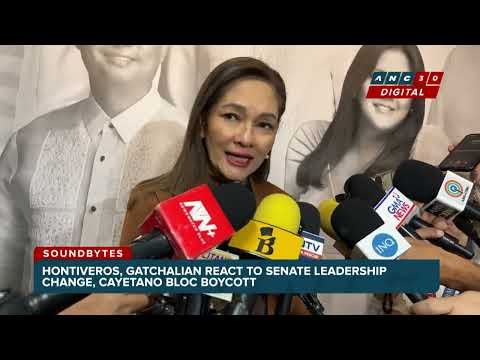
Gatchalian Elected Senate President as Cayetano Concedes Leadership
Manila, Philippines — Wednesday, June 17, 2026 —
The Vote Itself: Who Voted and How It Happened
The decisive balloting took place shortly after the special session was gaveled to order with thirteen senators present in the chamber on June 17 2026. Senator Sherwin Gatchalian received unanimous support from those in attendance after nominations were opened and seconded by allies who had shifted from the previous bloc. The roll call confirmed the presence of key figures including Senator Joel Villanueva whose earlier alignment proved pivotal in reaching the required majority. Voting proceeded without abstentions as the thirteen members raised their hands or voiced their choice in the traditional manner prescribed by Senate rules. This outcome ended the uncertainty that began when twelve senators declared positions vacant on June 3. Gatchalian was immediately escorted to the rostrum to take the oath administered by the Senate secretary.
Observers noted that the thirteen votes represented a streamlined process compared to previous leadership contests that often required multiple rounds. The senators who participated included members from both the majority and some independents who chose to attend despite the boycott by the Cayetano group. No formal opposition candidate was presented once it became clear the numbers favored Gatchalian. The entire voting segment lasted less than thirty minutes reflecting the pre-arranged consensus reached through backroom discussions the previous evening. Senate records will reflect the exact tally and the names of those present for historical purposes. This swift resolution allowed the body to proceed immediately to other agenda items listed under Proclamation 1318.
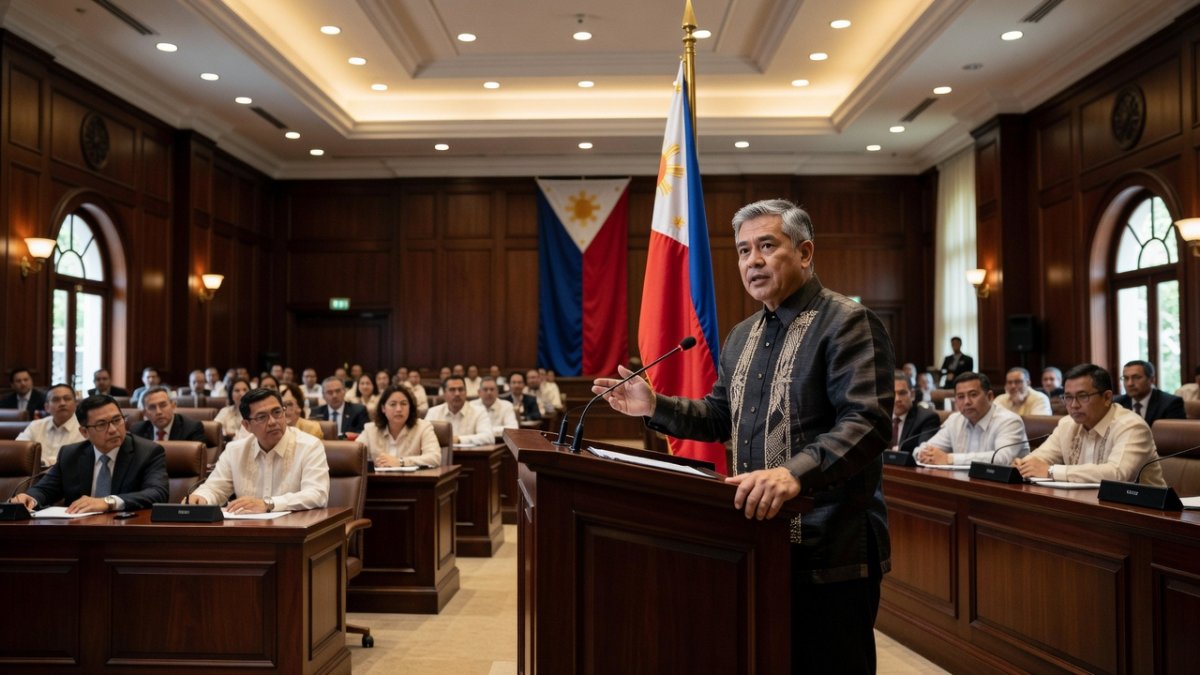
How the Special Session Unfolded
President Ferdinand Marcos Jr. issued Proclamation 1318 days earlier specifically to address the leadership impasse and advance critical measures including the anti-political dynasty bill and the expanded scholarship act. The session opened with a prayer and the singing of the national anthem before the clerk confirmed the quorum of thirteen members. Marcos administration representatives were present to monitor progress on appointments requiring confirmation. Discussions quickly turned to the Mindanao earthquake relief package that had been pending since the previous regular session. Senators took turns delivering brief statements on the urgency of these items before the leadership vote was called. The atmosphere remained formal yet tense given the recent court filings by the outgoing bloc.
After Gatchalian assumed the chair the session moved to approve the agenda items outlined in the proclamation. Committee reports on the scholarship act were presented for first reading while the anti-dynasty measure received endorsements from several members. Relief funding for earthquake-affected areas in Mindanao was allocated additional resources amounting to several billion pesos. The special session was scheduled to continue into the evening to accommodate further deliberations. Attendance remained steady throughout the day with no walkouts reported among those present. This structured approach marked a return to regular order after weeks of procedural disruptions.
Cayetano's Concession and Final Statements
Outgoing Senate President Alan Peter Cayetano formally conceded the position hours before the special session convened following a private conversation with Senator Joel Villanueva. In his statement Cayetano emphasized that he may leave the position of SP but remained honored to still serve as a public servant to the Filipino people. He acknowledged that no leadership in a democracy is ever permanent and described every office as a loan rather than a possession. Cayetano specifically thanked Senators Jinggoy Estrada and Rodante Marcoleta for standing firmly by him during the preceding weeks of tension. His remarks also referenced ongoing concerns about flood-control funds which he said had motivated his earlier actions rather than personal ambition over the Senate presidency itself.
Cayetano had assumed the speakership on May 11 2026 in an alignment widely viewed as supportive of Duterte interests at the time. His concession came after the June 3 developments that saw Gatchalian elevated to Senate President Pro Tempore amid a boycott by his supporters. On June 16 Cayetano together with eight other senators filed a motion before the Supreme Court seeking to void the June 3 session. Despite these legal steps he chose not to disrupt the June 17 proceedings once Villanueva shifted support. Cayetano concluded his remarks by wishing the new leadership success in navigating the challenges ahead including the impeachment proceedings.
Hontiveros and Minority Bloc Reaction
Senator Risa Hontiveros expressed full confidence that the Senate would now return to productive business following the leadership transition. She stated she was one hundred percent confident that the chamber could focus once again on legislative priorities without the distraction of internal power struggles. Hontiveros confirmed that the minority bloc would actively participate in the upcoming impeachment trial of Vice President Sara Duterte. She highlighted the importance of institutional stability for the trial to proceed fairly and transparently under established Senate rules. Members of the minority welcomed the resolution as an opportunity to advance measures long delayed by the impasse.
The minority group issued a joint statement underscoring their commitment to oversight functions regardless of the majority leadership. Hontiveros noted that the change would allow committees to resume hearings on pending bills without further postponements. She praised the decision of several senators to attend the special session despite earlier divisions. The bloc also called for unity in addressing national concerns such as disaster relief and educational reforms. Hontiveros indicated that minority members would propose amendments to the scholarship act during committee deliberations. This cooperative stance signaled a willingness to move forward constructively under the new Senate President.
Impact on the VP Sara Duterte Impeachment Trial
The election of Senator Sherwin Gatchalian as Senate President directly positions him to preside over the impeachment trial of Vice President Sara Duterte scheduled for later in the year. This development resolves weeks of uncertainty that had raised questions about who would oversee the proceedings. Legal experts noted that a stable leadership ensures adherence to constitutional timelines and procedural fairness throughout the trial. Gatchalian has indicated his intent to maintain impartiality while managing the complex evidentiary phases expected in the case. The previous power struggle had threatened to delay preliminary organizational meetings necessary for the trial.
Senate sources confirmed that trial preparations including the selection of judges and rules adoption can now proceed without interruption. The leadership change removes a major obstacle that opposition figures had cited as a potential source of further delays. Gatchalian's prior role as Senate President Pro Tempore since June 3 provided him continuity in understanding ongoing matters. Both administration and opposition senators acknowledged that the trial must remain insulated from partisan maneuvering. The resolution is viewed as essential for public confidence in the Senate's handling of high-profile accountability cases. Preparatory work is expected to accelerate in the coming days under the new leadership.
Priority Legislation Implications
With the leadership question settled the Senate can advance key measures outlined in Proclamation 1318 including the anti-political dynasty bill and the scholarship act. These proposals had languished amid the weeks of procedural disputes that prevented committee meetings from achieving quorums. Gatchalian has pledged to prioritize these items in the immediate legislative calendar. The scholarship act aims to expand financial assistance to students from low-income families across multiple regions. Meanwhile the anti-dynasty measure seeks to impose term limits on families holding multiple elective posts simultaneously. Passage of these bills would mark significant policy achievements for the Marcos administration.
Additional attention will focus on confirming executive appointments that require Senate concurrence. The special session already began discussions on several nominees whose papers were previously stalled. Lawmakers expect to schedule plenary debates on the Mindanao earthquake relief allocation before the month ends. Gatchalian emphasized that legislative productivity would be measured by concrete outputs rather than internal controversies. Stakeholders from civil society groups have urged swift action on these priorities to address pressing social needs. The new leadership structure provides the necessary stability for these initiatives to move forward efficiently.
Effects on Ordinary Filipinos Including OFWs Students Farmers and Jeepney Drivers
The resolution of the Senate leadership crisis carries direct implications for overseas Filipino workers who rely on legislative support for welfare programs and repatriation assistance during crises. Stable Senate operations ensure continued funding and oversight of agencies handling OFW concerns. Students across the country stand to benefit from expedited passage of the scholarship act which would increase access to higher education opportunities. The measure includes provisions for increased subsidies that could reach hundreds of thousands of beneficiaries in the coming academic year. Farmers in rural areas await action on related agricultural support bills that were similarly delayed by the impasse.
Jeepney drivers and transport operators also have a stake in the renewed legislative momentum as pending measures on modernization subsidies and route rationalization require Senate approval. The special session's focus on disaster relief indirectly supports communities including farmers affected by recent calamities in Mindanao. Ordinary citizens have expressed relief that political infighting no longer dominates news cycles at the expense of substantive governance. Advocacy groups representing these sectors plan to engage the new Senate leadership on specific amendments. The overall effect is expected to translate into faster delivery of public services once bills clear both chambers. This stability fosters greater public trust in democratic institutions.
Broader Political Analysis
The election of Sherwin Gatchalian reflects shifting alliances within the Senate that have realigned since the June 3 session which elevated him to the Pro Tempore post. Analysts view the transition as a consolidation of support around the Marcos administration's agenda ahead of the midterm elections. The concession by Alan Peter Cayetano after weeks of resistance highlights the fluid nature of Senate coalitions that often prioritize institutional functionality over prolonged confrontation. This episode underscores how external factors such as the impending impeachment trial can accelerate internal resolutions. Political observers note that Gatchalian's background in local governance and fiscal oversight positions him well for managing both legislative and quasi-judicial responsibilities.
The episode also illustrates the continuing influence of regional and personal networks in Philippine politics as evidenced by the roles played by Senators Villanueva Estrada and Marcoleta. Broader implications include potential effects on party dynamics within the majority coalition. The Supreme Court motion filed on June 16 remains pending and could introduce future legal complexities if ruled upon favorably for the petitioners. Nonetheless the immediate outcome restores a measure of predictability to Senate proceedings. Commentators emphasize that sustained productivity will determine whether this leadership change yields lasting benefits for governance. The events of June 17 may serve as a case study in managing legislative gridlock in a presidential system.
What to Watch for Next
Attention now turns to the confirmation hearings for key appointments submitted under Proclamation 1318 which Gatchalian has indicated will receive prompt scheduling. The Supreme Court ruling on the June 16 motion filed by Cayetano and his allies could influence perceptions of the June 3 and June 17 sessions. Lawmakers expect committee work on the scholarship act and anti-dynasty bill to intensify within the next two weeks. Preparations for the Vice President Sara Duterte impeachment trial will likely dominate closed-door discussions among senators. Public statements from both the majority and minority will be monitored for signs of emerging consensus or renewed friction.
Further sessions under the new leadership may address additional disaster relief measures and economic stimulus proposals. Stakeholders will watch Gatchalian's handling of procedural matters to assess his approach to consensus building. International observers including diplomatic missions have expressed interest in the Senate's ability to maintain stability during high-stakes proceedings. Upcoming plenary votes on the Mindanao relief package will provide an early indicator of legislative efficiency. Civil society organizations plan to submit position papers on pending bills to influence final versions. The coming months will reveal whether the June 17 resolution translates into enduring institutional reforms.
This article was produced with AI-assisted research and editorial support. Reporting is based on sources cited in the article.
What's Your Reaction?
 Like
0
Like
0
 Dislike
0
Dislike
0
 Love
0
Love
0
 Funny
0
Funny
0
 Wow
0
Wow
0
 Sad
0
Sad
0
 Angry
0
Angry
0

Philippines/Southeast Asia Correspondent at Global1.News. Manila-based journalist covering Philippine politics, environment, maritime security, and social issues. Passionate about marine conservation and the communities protecting the Philippines' natural heritage.














Comments (0)