
Russia Clears 400+ Yabloko Candidates for Pro-Peace Elections
In a surprising procedural shift, Russia's Central Election Commission has cleared more than 400 Yabloko candidates to contest the September parliamentary elections on an explicit pro-peace platform. The move marks the party's largest national presence in over two decades and opens a narrow legal...
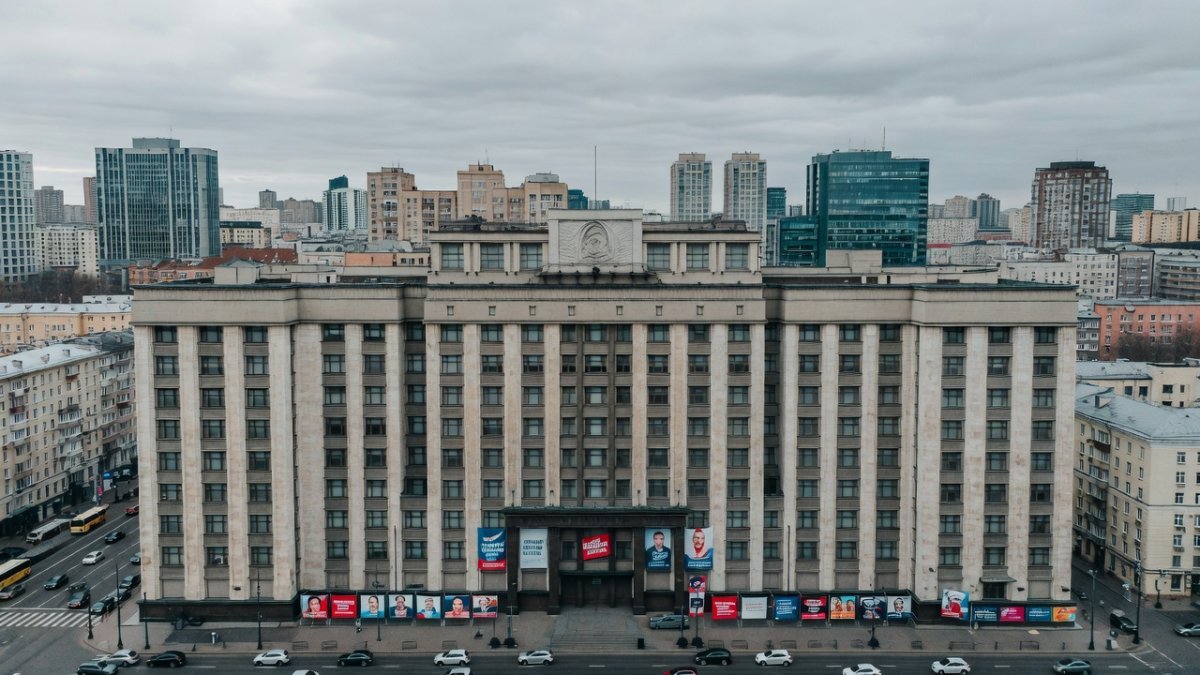
In a surprising procedural shift, Russia's Central Election Commission has cleared more than 400 Yabloko candidates to contest the September parliamentary elections on an explicit pro-peace platform. The move marks the party's largest national presence in over two decades and opens a narrow legal channel for voters seeking alternatives to the dominant United Russia bloc. Observers are watching closely to see whether this clearance signals a temporary thaw or merely a controlled release valve ahead of the vote.
Russia Clears 400+ Yabloko Candidates for Pro-Peace Run
Moscow, Russia — Article continues...
Central Election Commission Clears Over 400 Yabloko Candidates
The Central Election Commission approved more than 400 candidates from the Yabloko party this week. The decision allows the party to field candidates in the September parliamentary elections. Election authorities had flagged discrepancies for 25 candidates earlier in July, but only one was ultimately disqualified after revised filings were submitted.
The Central Election Commission's decision to clear more than 400 Yabloko candidates represents a notable procedural shift in Russia's tightly managed electoral system. In previous cycles, such as the 2021 State Duma elections, Yabloko fielded only around 35 candidates nationwide, reflecting both self-censorship and aggressive filtering by authorities. The jump to over 400 suggests either a tactical opening by the Kremlin to project pluralism ahead of the September vote or a calculated allowance of limited opposition presence to absorb protest votes without threatening United Russia's dominance. This clearance occurred after initial discrepancies flagged 25 applications, with only one ultimately disqualified, indicating that the CEC applied a relatively lenient standard compared to regional bodies that often reject candidates on technicalities.
Historically, Russian election commissions have used signature verification and documentation reviews to exclude smaller parties. The fact that nearly all flagged cases were resolved in Yabloko's favor points to possible high-level intervention or a deliberate policy to demonstrate compliance with formal rules. For Yabloko, this scale of participation could translate into greater media visibility and local organizing opportunities, even if national thresholds remain out of reach. Observers note that such clearances sometimes precede periods of renewed pressure, serving as a temporary valve rather than a genuine liberalization of the process.
Data from past elections shows Yabloko's federal list rarely exceeded 100 candidates in the 2010s, underscoring how the current figure alters the party's structural position. The procedural journey from discrepancies to clearance also highlights the CEC's role as a gatekeeper that can be influenced by political signals from the presidential administration, rather than operating as an independent arbiter.
Yabloko's Longstanding Position in Russian Politics
Yabloko stands as Russia's oldest liberal political party, founded in 1993 by Grigory Yavlinsky. The party has not held seats in the State Duma since 2003. It has consistently failed to cross the 5 percent threshold required for proportional representation in recent election cycles. United Russia currently holds 334 of the 450 seats in the current Duma.
Founded in 1993 by economist Grigory Yavlinsky, Yabloko has long occupied the niche of principled liberal opposition in Russia, advocating market reforms combined with strong civil liberties and anti-corruption measures. Yavlinsky's legacy includes early criticism of privatization abuses in the 1990s and consistent opposition to authoritarian consolidation under Putin. Despite this, the party has never crossed the 5% threshold required for proportional representation in the Duma, a failure attributable in part to state-controlled media blackouts and administrative barriers that limit campaign reach.
The application of the "foreign agent" label to several Yabloko figures has further constrained fundraising and public activities, mirroring tactics used against other liberal groups like the now-banned PARNAS or Memorial. Unlike more radical opposition movements that faced outright bans, Yabloko has survived by maintaining a legalistic approach, yet this has not translated into electoral success. Comparisons with parties such as Yabloko's occasional allies in the liberal spectrum reveal a pattern where Kremlin pressure fragments the opposition vote while allowing token participation to claim democratic credentials.
Over three decades, Yabloko's consistent sub-5% performance reflects structural disadvantages rather than lack of voter base, with independent polls occasionally showing latent support in urban centers when media access improves. The party's endurance despite these obstacles underscores its role as a repository for democratic values amid shrinking political space.
Party Chairman Highlights Platform Focus
Yabloko Chairman Nikolai Ryabkov stated that the Central Election Commission decision gives Russians the first opportunity in five years to vote for peace and freedom. He described the approval as offering a legal and safe way to advocate for a ceasefire agreement. The party will run on a pro-peace platform in the upcoming elections.
Nikolai Ryabkov, who assumed the chairmanship amid internal party transitions, brings a background in regional activism and legal advocacy that shapes his emphasis on a "pro-peace platform." This stance concretely translates to calls for negotiated ceasefires, humanitarian corridors, and economic de-escalation rather than direct condemnation of military operations, allowing the party to remain within legal bounds while signaling opposition to prolonged conflict. Ryabkov's approach navigates the narrow corridor between explicit anti-war statements that trigger extremism charges and vague rhetoric that fails to resonate with voters seeking alternatives.
In Russia's current media environment, where state outlets dominate and independent platforms face blocks, ceasefire advocacy relies on encrypted channels, local meetings, and coded language in official statements. The party has organized petitions and roundtables framed around "restoring normal economic ties," avoiding direct references that could invite prosecution under laws against discrediting the armed forces. This calculated positioning has enabled continued registration while inviting accusations from harder-line opposition figures of insufficient boldness.
Ryabkov's public comments stress that peace advocacy aligns with Russia's long-term interests, drawing on Yabloko's historical foreign policy positions. Such framing helps maintain internal cohesion among members wary of further repression, though it limits the platform's ability to mobilize broader anti-war sentiment evident in private polling.
Breakdown of Approved Candidates
The approved slate includes 269 candidates on the federal list and 135 candidates in single-mandate districts. This distribution provides Yabloko with coverage across both proportional and direct election mechanisms for the September 20 vote. The federal list forms the core of the party's national campaign effort.
Regional and Local Application Hurdles
Federal approval stands in contrast to the obstacles Yabloko has faced in regional and local races. Dozens of party members had their applications rejected at the local level in recent weeks. These rejections occurred even as the Central Election Commission cleared the federal and single-mandate candidacies.
Other Parties Cleared for September Ballot
Alongside Yabloko, election authorities cleared United Russia, the Communist Party, LDPR, New People, and A Just Russia. Two additional non-Duma parties also received approval. The Ministry of Justice maintains oversight of party registrations, and the Central Election Commission handles candidate validation across all participating organizations.
Recent Legal Actions Against Party Members
Russian authorities have jailed several Yabloko members in recent years for criticizing the Ukraine invasion. These cases form part of the broader environment in which the party prepares its campaign. Yabloko officials have noted that the federal clearance does not eliminate risks for candidates and supporters.
Expected Difficulties in the Coming Campaign
Yabloko has indicated it still expects a difficult campaign ahead of the September 20 elections. Party statements emphasize that while federal lists advanced, local-level barriers and ongoing legal pressures will shape the race. The party plans to proceed with its approved candidates despite these conditions.
Context for Ordinary Russian Voters
The Central Election Commission decision affects how voters in Moscow, Izhevsk, and other regions can participate in the parliamentary process. With United Russia holding a dominant position and Yabloko absent from the Duma for over two decades, the approved candidates represent one of the limited options for those seeking alternatives on the ballot. The controlled political landscape limits the range of voices that reach national office.
Outlook for the September Parliamentary Vote
The September 20 single election day will determine the composition of the next State Duma. Yabloko's federal approval provides a formal channel for its pro-peace message, though analysts suggest this signals limited rather than expanded opposition space. The Kremlin has not commented on the specific approvals granted to Yabloko or the two other non-Duma parties.
By Irina Volkov, Staff WriterThis article was produced with AI-assisted research and editorial support. Reporting is based on sources cited in the article.
What's Your Reaction?
 Like
0
Like
0
 Dislike
0
Dislike
0
 Love
0
Love
0
 Funny
0
Funny
0
 Wow
0
Wow
0
 Sad
0
Sad
0
 Angry
0
Angry
0
Russia/Eastern Europe Correspondent at Global1.News. Covering Russian politics, energy, security, and the shifting dynamics of the post-Soviet space. Provides clear-eyed analysis on one of the world's most opaque regions.










Comments (0)