
Saudi Arabia Joins US Strikes Iran-Backed Militias in Iraq
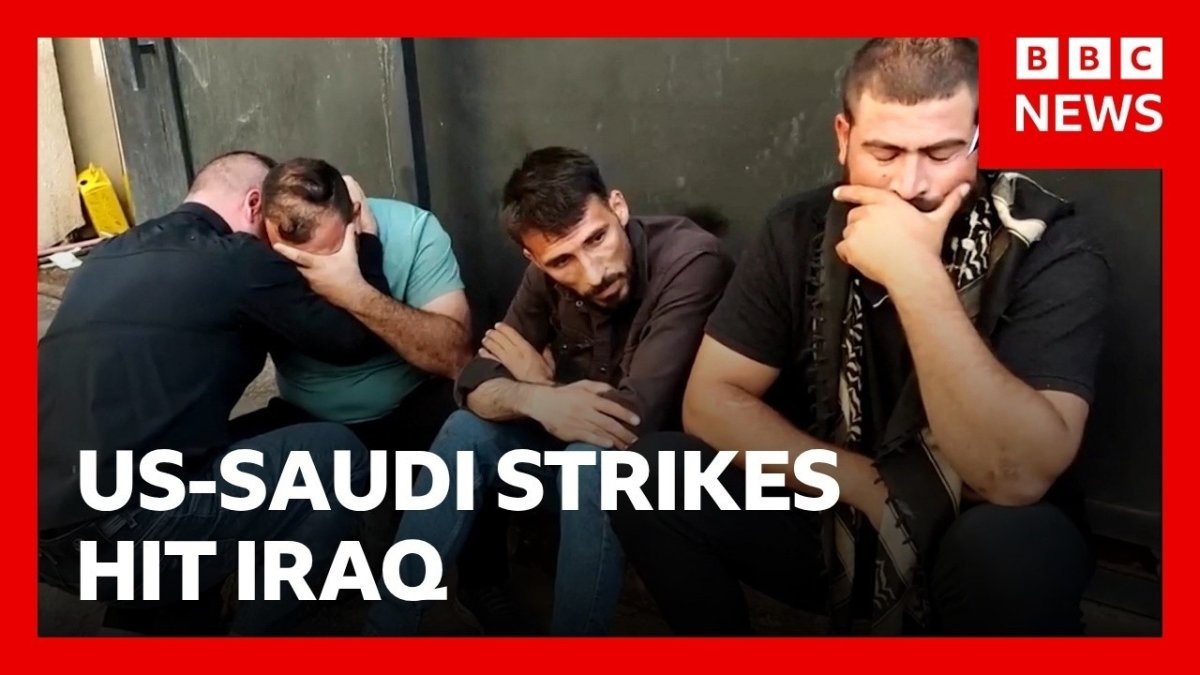
In a recent BBC News report, Saudi Arabia and the United States have carried out joint military strikes against Iran-backed militias in Iraq, marking a significant escalation in the Middle East conflict that shatters a brief lull in hostilities between Washington and Tehran.
In a recent BBC News report, Saudi Arabia and the United States have carried out joint military strikes against Iran-backed militias in Iraq, marking a significant escalation in the Middle East conflict that shatters a brief lull in hostilities between Washington and Tehran.
Saudi Arabia Joins US in Strikes on Iran-Backed Militias in Iraq as Middle East Conflict Expands
Moscow — 29 July 2026 — The expansion of the US-Iran conflict into joint US-Saudi operations on Iraqi soil represents a dangerous new phase in a war that has already drawn in multiple regional actors. The strikes, which killed at least 20 members of Iraq's Popular Mobilisation Forces, threaten to undermine Iraq's fragile sovereignty while simultaneously testing the limits of Saudi Arabia's carefully managed detente with Tehran.
The Joint Strikes: A Coordinated US-Saudi Response
US Central Command confirmed on Wednesday that American and Saudi fighter aircraft had struck multiple terrorist logistics and weapons sites across eastern Iraq in what it described as a "strong response" to over 30 IRGC-directed aerial drone attacks in the preceding 72 hours. The joint operation targeted Iran-aligned groups that CENTCOM said had been directed by the Islamic Revolutionary Guard Corps to attack US forces and Saudi energy infrastructure. The strikes hit PMF headquarters across at least seven Iraqi provinces — Baghdad, Wasit, Nineveh, Basra, Kirkuk, Karbala and Diyala — with an official telling AFP that the strikes in Nineveh and Diyala were the deadliest. The PMF, an umbrella organisation of mostly Shia Muslim militias formally integrated into the Iraqi armed forces, said 32 additional fighters had been wounded. The PMF condemned what it called "the treacherous terrorist attacks," describing them as "an extremely serious escalation and a violation of Iraq's sovereignty." The military operation marks the first time Saudi Arabia has openly joined US combat strikes against Iran-backed targets in Iraq, signalling a significant shift in Riyadh's posture. While Saudi Arabia and Iran restored diplomatic ties in 2023 following a Chinese-brokered agreement, the Iran war has repeatedly tested that rapprochement. A spokesman for the Saudi defence ministry, Maj-Gen Turki al-Maliki, accused "Iran-backed terrorist militias" of launching drones from Iraqi territory at oil facilities in the Eastern and Riyadh regions on Monday and Tuesday. He said Saudi Arabia, under its "right to self-defence," had responded by conducting strikes "against specific targets belonging to those militias." He added: "The Kingdom of Saudi Arabia reiterates that it does not seek escalation but will respond decisively to any aggression directed against it." CENTCOM further stated that the targets included multiple terrorist logistics and weapons sites used by Iran-aligned terrorists that the IRGC directed to attack US forces and Saudi energy infrastructure. Iraqi officials reported that the operations spanned headquarters in seven provinces, underscoring the breadth of the campaign. From Moscow's perspective, these developments heighten concerns over energy security in the Middle East, where Russia maintains strategic ties with Iran. The involvement of Saudi Arabia as an active participant alongside the United States introduces new variables into the Russia-Iran partnership, potentially affecting arms cooperation and oil market dynamics. Analysts note that Riyadh's decision to participate openly could reflect pressure from Washington amid ongoing Houthi threats, yet it risks further straining the 2023 diplomatic restoration with Tehran. Iraqi Prime Minister Al Zaidi's government faces internal pressure to respond, with the PMF's condemnation highlighting divisions between Baghdad's official stance and the militias' Iran-aligned elements. This coordinated action, as described by CENTCOM, responds directly to the recent surge in drone activity, illustrating how quickly regional tensions can reignite despite prior diplomatic efforts.The Iranian "Surprise Attack" and the Collapse of the Lull
The US-Saudi strikes came hours after Iran launched what CENTCOM described as an "attempted surprise attack" on US forces in the Middle East, firing multiple ballistic missiles that the US said were "successfully intercepted." The Iranian attack occurred at 17:45 EDT (21:45 GMT) on Tuesday, ending a three-day pause in hostilities — the longest break in fighting since the US began its campaign of nightly bombing on July 8. The IRGC announced it had targeted a US air base and a command centre in Jordan "in response to the acts of aggression of the American child-killing army." In a parallel maritime operation, IRGC naval forces struck three oil tankers in the Strait of Hormuz after they "ignored warnings" and sailed along what Tehran described as an "unsafe and illegal route" through the vital Gulf waterway. The strait has been effectively closed since the start of the US and Israel's war with Iran at the end of February, crippling global energy shipments through one of the world's most critical maritime chokepoints. US President Donald Trump, when asked by a Fox News correspondent about the Iranian attack on Jordan, responded with an expletive-laden promise that US forces would be "hitting them hard," adding: "They're going to get a beating." This collapse of the lull is particularly significant because it comes just two days after Trump had spoken of "very friendly negotiations" to resolve the dispute over the Strait of Hormuz. The brief pause had followed 13 consecutive nights of US bombing, which Washington said targeted Iranian weapons and military sites. Four US service personnel were killed in Jordan and Iraq during that period. Iranian Foreign Ministry statements framed the missile launches as defensive measures against perceived aggression, while US officials maintained that all projectiles were neutralised without casualties. The IRGC's naval actions in the Strait of Hormuz further demonstrate Tehran's willingness to disrupt maritime traffic, a move that directly impacts global energy flows and Russia's own export routes. Trump’s rhetoric signals continued US commitment to countering Iranian influence, yet it also risks prolonging the cycle of retaliation. For Russia, the renewed hostilities underscore the challenges of balancing support for Iran with broader interests in stabilising energy markets. The intercepted attack and subsequent strikes highlight how fragile any temporary de-escalation remains in this theatre.Iraq's Sovereignty Crisis: Between Washington and Tehran
The strikes have placed Iraq in an extraordinarily difficult position. The Iraqi presidency denounced the bombing of PMF bases, calling it "an unacceptable attack and a blatant violation of Iraq's sovereignty, targeting its official institutions." The PMF, despite its formal integration into the Iraqi state security apparatus, remains deeply embedded in Iran's network of regional proxies. The PMF includes several Iran-backed groups that have attacked US personnel and interests in Iraq on numerous occasions, aiming to force the remaining American troops to leave the country. The US has regularly struck back at these militias, but the joint Saudi dimension adds a new and destabilising element. Trump, however, told Fox News that the strikes had been "co-ordinated with the Iraqi government" — a claim that Iraq's political leadership has neither confirmed nor denied, suggesting deep internal divisions. Iraqi officials have emphasised that the PMF operates as part of the national armed forces, making the strikes an infringement on state authority. From Iran's viewpoint, the operations represent an extension of US-Israeli efforts to weaken its regional position. Russia has historically advocated for Iraqi sovereignty in international forums, viewing Baghdad as a key partner in countering extremism. The conflicting claims over coordination reveal fractures within Iraq's political landscape, where pro-Iran factions within the PMF clash with those seeking closer ties to Washington. This dynamic threatens to draw Iraq further into the wider conflict, complicating its efforts to maintain neutrality.
Global Energy Markets and the Strait of Hormuz
Oil prices surged on Wednesday on concerns that the escalating conflict could further disrupt energy shipments through the Strait of Hormuz. The global benchmark Brent crude rose 5% to $88.50 per barrel. The strait has been effectively closed since late February, when the US and Israel initiated their military campaign against Iran. The IRGC's strike on three oil tankers this week underscores the vulnerability of any vessel attempting to traverse the waterway without Iranian approval. For Russia, which has maintained a strategic partnership with Iran while also managing its own energy exports, the widening conflict presents both opportunities and risks. Moscow has positioned itself as a potential mediator while watching oil prices rise — a dynamic that benefits Russian energy revenues but threatens broader global economic stability. The closure of the Strait of Hormuz since late February has already reshaped global supply chains, forcing alternative routes that increase costs for importers. Russia's energy sector stands to gain from higher prices, yet prolonged instability could invite Western sanctions or market volatility. Iranian actions in the strait serve as leverage in negotiations, while Saudi accusations of militia drone attacks on its facilities add pressure on energy infrastructure across the region. Analysts suggest this environment may encourage Moscow to deepen energy coordination with Tehran to mitigate shared risks.Regional Fallout: The Saudi-Iranian Rivalry Rekindles
Saudi Arabia, which sees itself as the leading Sunni Muslim power, and Iran, the largest Shia Muslim country, have been locked in a struggle for regional dominance for decades. While the two countries restored diplomatic relations in 2023, the Iran war has severely tested that detente. Repeated Iranian missile and drone attacks on Saudi territory during the conflict — targeting both US military facilities and energy infrastructure — have pushed Riyadh closer to Washington's military posture. Yemen's Iran-backed Houthi movement has also escalated, launching attacks on Saudi tankers in the Red Sea and Saudi oil facilities this month, claiming retaliation for Saudi air strikes on Sanaa's airport. The Houthi dimension adds yet another front to what is rapidly becoming a multi-theatre conflict. Maj-Gen Turki al-Maliki's statements underscore Riyadh's determination to defend its territory, even as the 2023 agreement with Iran aimed at reducing tensions. Houthis' recent operations demonstrate how proxy networks extend the conflict beyond direct state actors. Russia monitors these developments closely, given its interests in Red Sea shipping lanes and relations with both Saudi Arabia and Iran. The rekindled rivalry risks undermining any remaining diplomatic channels.Analysis — A Dangerous New Phase
The joint US-Saudi strikes on Iraqi soil represent a significant qualitative shift in the Iran war. What began as a US-Israeli campaign against Iran has now drawn in Saudi Arabia as an active combatant on a second front, and threatens to pull Iraq deeper into a conflict it has desperately sought to avoid. The strikes also coincided with Israeli Prime Minister Benjamin Netanyahu's visit to Washington, where he met Trump at the White House and attended the funeral of Senator Lindsey Graham, a prominent Iran hawk. The timing suggests a coordinated push among Washington's allies. Iran's foreign ministry has warned that the US and "its accomplices" would bear responsibility for any "dangerous consequences" — a thinly veiled threat of further escalation. With the Strait of Hormuz closed, oil prices climbing, and multiple regional actors now engaged in active hostilities, the Iran war has entered its most volatile phase since the initial strikes in February. The diplomatic off-ramp, if it ever existed, is rapidly receding from view. This phase carries implications for Russia's strategic calculations in the Middle East, where energy security and alliances with Iran intersect with efforts to maintain influence amid US-Saudi coordination. Netanyahu's presence in Washington during these events reinforces the alignment of key US partners, potentially sidelining Russian mediation attempts. The combination of intercepted Iranian missiles, tanker strikes, and expanded targeting in Iraq illustrates a conflict expanding in scope and intensity, with limited prospects for immediate de-escalation.By Irina Volkov, Staff Writer
This article was produced with AI-assisted research and editorial support. Reporting is based on sources cited in the article.
What's Your Reaction?
 Like
0
Like
0
 Dislike
0
Dislike
0
 Love
0
Love
0
 Funny
0
Funny
0
 Wow
0
Wow
0
 Sad
0
Sad
0
 Angry
0
Angry
0
Russia/Eastern Europe Correspondent at Global1.News. Covering Russian politics, energy, security, and the shifting dynamics of the post-Soviet space. Provides clear-eyed analysis on one of the world's most opaque regions.











Comments (0)