
Nigerian Youngsters Learn Boxing on the Streets of Lagos
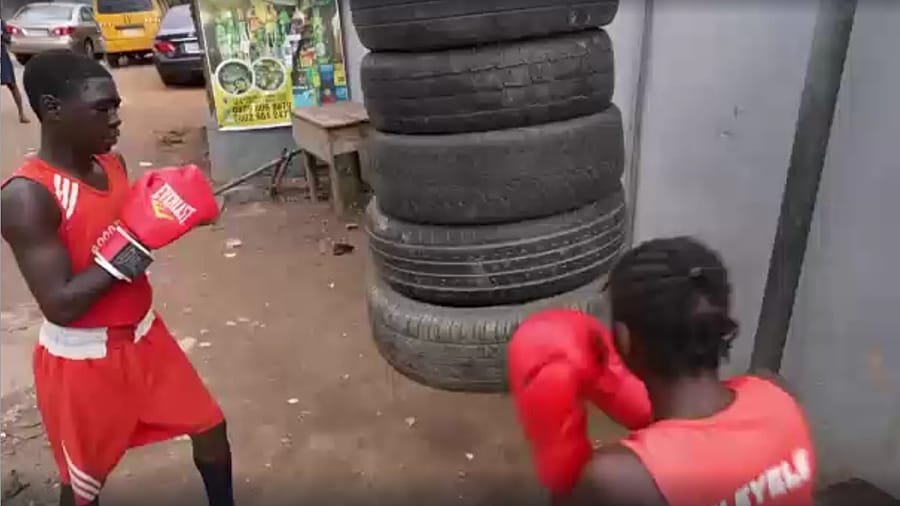
On a busy street in the Nigerian city of Lagos, the sound of gloves hitting punch bags mixes with the noise of passing cars. For over a decade, former boxer Yusuf Eleyele has been teaching youngsters not only the sport of boxing, but also discipline and resilience — turning a makeshift roadside training ground into a sanctuary for at-risk youth seeking purpose beyond the streets. Lagos Street Boxing: Former Boxer Yusuf Eleyele Trains a Generation of Champions on the Roadside
On a busy street in the Nigerian city of Lagos, the sound of gloves hitting punch bags mixes with the noise of passing cars. For over a decade, former boxer Yusuf Eleyele has been teaching youngsters not only the sport of boxing, but also discipline and resilience — turning a makeshift roadside training ground into a sanctuary for at-risk youth seeking purpose beyond the streets.
Lagos Street Boxing: Former Boxer Yusuf Eleyele Trains a Generation of Champions on the Roadside
Lagos, Nigeria — The grassroots boxing movement taking shape on the streets of Lagos is more than a training session — it is a lifeline. From Yusuf Eleyele's decade-long mentorship to his daughter Fatiya's gold medal triumph, these informal boxing clubs are reshaping young lives one punch at a time.
From the Streets to the Ring: Yusuf Eleyele's Mission
Yusuf Eleyele, a former boxer, has spent over a decade teaching on the streets of Lagos after noticing many children were homeless or drifting toward the streets and getting into trouble. He began the roadside sessions to give them structure when formal clubs turned them away. Eleyele recalls how some youths arrived with nothing but anger from broken homes in areas like Ajegunle.
"Some were defiant and rebellious, and some ended up as touts or area boys, fighting and engaging in questionable conduct," Eleyele states plainly while adjusting worn gloves on a busy Lagos corner. He watched these same boys transform once they learned footwork and timing under his watch. The training happens daily amid honking danfo buses and market calls near the National Stadium.
Eleyele's philosophy centers on the idea that boxing knowledge would "be useful to them in the future," whether they turn professional or simply defend themselves with discipline. He teaches combinations that build both physical strength and mental focus. Passersby often stare, yet Eleyele remains steady in his commitment to the group.
"Sometimes while training, passersby look at us as if we were jobless. But what we are doing here, we have a lot of champions here," Eleyele says with quiet conviction as traffic flows past. The open-air setup uses basic punch bags hung from metal poles, mixing the thud of gloves with Lagos street sounds. This environment forges resilience that formal gyms rarely match.
The sessions run every afternoon regardless of weather, drawing boys and girls from surrounding neighborhoods who once roamed without direction. Eleyele corrects stances with patient hands, turning raw energy into controlled power. His approach echoes the communal teaching found in Senegalese wrestling circles back home in Dakar.
Fatiya Eleyele: A Champion Forged on the Streets
Fatiya Eleyele trained alongside her father on the same Lagos roadside where the sound of gloves hitting punch bags mixes with the noise of passing cars. She started young, absorbing lessons in footwork and defense while cars sped by. Her progress turned the makeshift ring into a proving ground for family dedication.
Fatiya won boxing gold for Nigeria's 2025 National Youth Games representing Niger State after years of roadside drills. She collected over 10 amateur medals through consistent performances at state and national levels. Each victory traces directly back to the discipline learned under open skies in Lagos.
"Boxing has helped me to build self-confidence and to remove myself away from danger when harm is coming close to me," Fatiya Eleyele explains after a recent session. The skills extend beyond the ring into daily navigation of Lagos streets. Her story shows how the program lifts participants toward national recognition.
Fatiya represents the success of the street-level boxing program that began with her father's vision over a decade ago. She now mentors younger trainees during evening sessions, passing on the same techniques that carried her to gold. The journey from roadside training to national champion highlights the program's reach.
Her medals sit in a small case at home near the training spot, reminders of what dedication produces even without fancy facilities. Fatiya balances school with training, proving the balance Eleyele always emphasized. Young girls in the group watch her closely for inspiration.
Folashade Lawal and the Struggle for Resources
Folashade Lawal, a boxing promoter, trains to become a coach after seeing the same street struggles that drew Yusuf Eleyele into the work. "I was not a boxer, I was not a coach, I was just like them," Lawal says of the youths she now supports. Her background gives her direct understanding of their daily challenges in Lagos neighborhoods.
"Getting a coach and training them is a big challenge for me," Lawal notes while listing missing equipment like headgear and proper mats. The grassroots scene runs on almost nothing despite producing national-level talent from spots behind the National Stadium. Inadequate boxing facilities behind the National Stadium persistently limit what groups can achieve.
Lawal promotes fighters through small local events despite scarce funds, relying on community donations for basic gear. She coordinates with Eleyele's group to share limited resources across multiple roadside locations. Her efforts keep sessions running when official support stays absent.
"I like the fact that the children are serious and they are doing it well. So, I try to promote them," Lawal states during a recent gathering in Egbeda. She connects fighters to occasional tournaments and tracks their progress closely. The promoter role fills gaps left by larger sports bodies.
Similar resource shortages appear in street-level boxing programs in Nairobi, Accra, and Johannesburg, where coaches improvise with whatever materials appear. Lawal's work mirrors these continental patterns while focusing on Lagos youth. Her persistence sustains the pipeline even when budgets remain tight.
Lagos Boxing: A Pipeline of National Talent
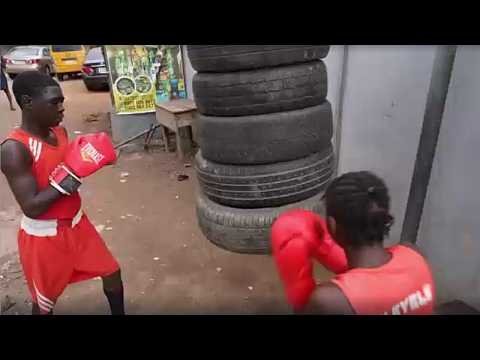
Lagos teams swept all four gold medals at 2024 National Youth Games in the U-15 category, proving the street programs deliver results. Fighters from roadside sessions in areas like Ajegunle and Egbeda carried the state to victory. This sweep built on years of informal training that formal clubs often overlook.
Tipo Boxing Academy in Egbeda trains young prospects in open-air basic settings with minimal equipment yet steady attendance. Coaches there adapt Eleyele's methods to larger groups, emphasizing endurance alongside technique. The academy sends several athletes to national trials each season.
The Street Rumble events in Ajegunle promote raw street boxing talent and culture through weekly showcases that attract scouts. These gatherings turn neighborhood rivalries into structured bouts under basic rules. Participants gain exposure that leads to further opportunities.
The untapped potential in urban areas where street culture produces naturally tough fighters remains high across Lagos. Many arrive already resilient from daily survival, needing only guidance to channel that strength. The contrast between street-level talent and formal infrastructure shows clear gaps in support.
National success from these programs highlights how Lagos streets function as an unofficial talent factory. Coaches track promising fighters from roadside sessions to state teams. The pattern repeats across multiple neighborhoods with limited but dedicated leadership.
Government and Community Response
The July 2026 Lagos Boxing Fest initiative marked a step forward when Commissioner for Youth and Social Development Mobolaji Ogunlende hosted the Medici First 3 team with a roadmap for statewide youth sports. The event brought together street coaches and officials to discuss equipment needs. Ogunlende outlined plans to link grassroots groups with better facilities.
Broader 2026 youth empowerment efforts in Lagos State now include boxing as a tool for engagement. Programs that use boxing to engage young people and channel energy into structured training receive modest state backing. These combine with existing roadside efforts to expand reach.
Community leaders in Egbeda and Ajegunle work alongside government teams to identify at-risk youth for the new initiatives. The combination creates momentum that single efforts could not achieve alone. Officials visit training spots to observe the discipline already in place.
Partnerships formed after the fest aim to address the inadequate boxing facilities behind the National Stadium. Early funding discussions focus on shared equipment pools for multiple street groups. Coaches like Eleyele and Lawal attend planning meetings to voice practical needs.
The response builds on the success of programs that already produce national medalists from humble starts. State support arrives as recognition of what street coaches have sustained for years. Continued collaboration could scale the model across Lagos divisions.
What This Means for Nigerian Youth
The broader impact of street boxing on youth development and crime prevention shows clearly in reduced involvement with area boys across Lagos neighborhoods. Sessions offer more than physical training by instilling self-discipline, confidence, and goals beyond the streets. Participants report fewer conflicts once they adopt the routines.
The Senegalese parallel appears in Senegal's rich combat sport tradition of Lutte, also called Lamb, which similarly turns youth toward discipline through community wrestling events in Dakar and Thiès. Nigerian boxing programs share this cultural thread of using combat sports for social good. Both traditions prove that structured physical practice builds character in urban settings.
The potential for Nigerian boxing on the continental stage grows as street programs feed talent into national teams. Fighters like Fatiya Eleyele demonstrate the path from roadside to international competition. African governments could learn from these grassroots movements by investing directly in community coaches rather than only elite facilities.
World-class talent can emerge from the most unlikely settings when mentors like Yusuf Eleyele persist despite stares and shortages. The message reaches young people across West Africa that purpose exists beyond drifting. Similar stories unfold in other cities where informal training fills official voids.
Across Africa, street-level boxing programs in Nairobi, Accra, and Johannesburg face similar resource challenges yet continue producing disciplined athletes. The Lagos model offers a template for combining local knowledge with emerging state support. This week's feature on africanews captured the energy of these sessions as a video report highlighting the human stories behind the punches.
By Amara Diop, Staff Writer
This article was produced with AI-assisted research and editorial support. Reporting is based on sources cited in the article.
What's Your Reaction?
 Like
0
Like
0
 Dislike
0
Dislike
0
 Love
0
Love
0
 Funny
0
Funny
0
 Wow
0
Wow
0
 Sad
0
Sad
0
 Angry
0
Angry
0

West Africa/Sahel Correspondent at Global1.News. Dakar-based journalist covering politics, security, climate, and development across Francophone and Anglophone West Africa. Tells the stories of a region undergoing profound transformation.














Comments (0)