
Argungu Festival: Drama, 59kg Catch and Presidential Visit
After a six-year hiatus forced by security challenges, the Argungu International Fishing and Cultural Festival roared back to life in February 2026 — bringing 50,000 competitors to the banks of Kebbi State's Matan Fada River. But the triumphant return was marked by unexpected drama as several athletes collapsed during pre-finale endurance contests, while a 59-kilogram catch and a presidential visit turned the centuries-old tradition into a nationwide conversation. Argungu's G
After a six-year hiatus forced by security challenges, the Argungu International Fishing and Cultural Festival roared back to life in February 2026 — bringing 50,000 competitors to the banks of Kebbi State's Matan Fada River. But the triumphant return was marked by unexpected drama as several athletes collapsed during pre-finale endurance contests, while a 59-kilogram catch and a presidential visit turned the centuries-old tradition into a nationwide conversation.
Argungu's Grand Return: Drama, 59kg Catch, and a Presidential Visit Mark Nigeria's Iconic Fishing Festival
Dakar, Senegal — Nigeria's storied Argungu Fishing Festival made a triumphant yet eventful return this February after six years of suspension, blending centuries of tradition with modern political theatre and moments of genuine concern. The 61st edition drew over fifty thousand participants to Kebbi State for a celebration of culture, resilience, and community spirit, though not without its share of drama.
A Festival Born of Peace Returns to Turbulent Times
The Argungu International Fishing and Cultural Festival traces its roots to 1934, when it began as a peace gesture between the Sokoto Caliphate and the Kebbi Kingdom after years of conflict in northwestern Nigeria. Local leaders used the event to seal reconciliation, turning a simple fishing contest into a lasting symbol of unity that has endured for generations.
Over the decades the gathering evolved into one of West Africa's most iconic cultural events, drawing crowds from across Nigeria and neighboring countries for traditional music, dance, wrestling, and canoe racing alongside the signature fishing competition. Held February 13-14, 2026 in Kebbi State, northwestern Nigeria, the 61st edition marked a powerful return after the last staging in 2020.
The six-year suspension stemmed directly from insecurity caused by Boko Haram insurgency and widespread banditry across northwestern Nigeria, which made large public gatherings impossible. Communities in Kebbi State watched their most important annual celebration vanish, leaving a cultural void that affected both identity and local livelihoods.
Residents expressed visible relief and joy when the festival finally resumed, with many describing the return as a sign that daily life could begin to normalize after years of fear. The event's revival allowed families to gather again along the Matan Fada River in ways that had been unthinkable since 2020.
For the region's cultural identity the festival remains central, serving as a living link to ancestral practices and a source of pride that connects Kebbi people to broader African traditions of communal celebration. Tourism officials note that the gathering also supports the local economy by attracting visitors who spend on lodging, food, and crafts during the multi-day program.
Similar festivals in Senegal, such as the annual fishing rites along the Senegal River, show how such events strengthen community bonds and draw regional attention, reminding observers that cultural continuity matters deeply across West Africa even amid modern challenges.
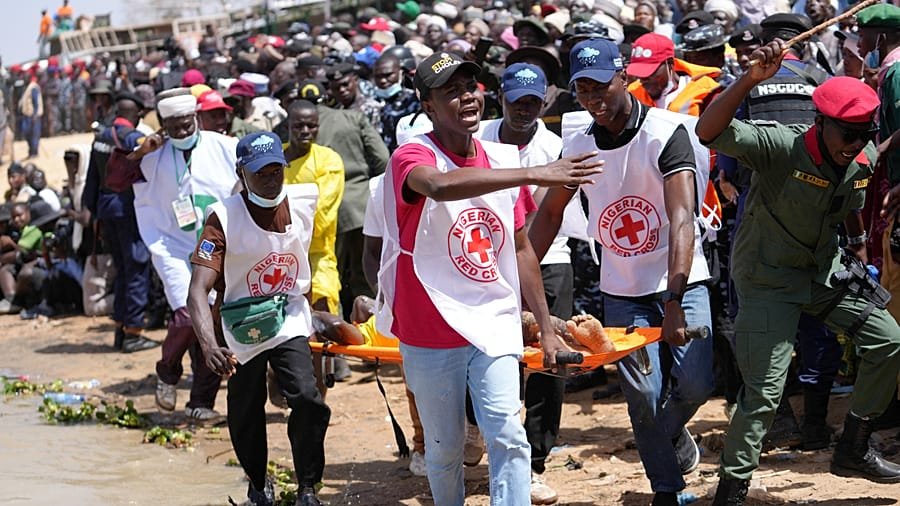
Drama on the River: Athletes Collapse During Preliminaries
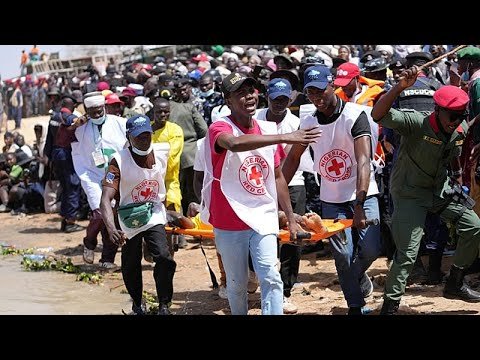
Medical emergencies unfolded during the pre-finale endurance contests, particularly the canoe racing preliminaries, when several athletes collapsed from exhaustion under the intense February heat. Red Cross personnel quickly carried the affected participants away for treatment, creating tense moments along the riverbank.
The traditional competitions demand extraordinary physical effort, combining hours of paddling with the later main event that requires sustained strength in fast-moving water. Many competitors train for months, yet the combination of heat, dehydration, and adrenaline proved overwhelming for some during the 61st edition.
Despite the scares, no fatalities were reported from the incidents, and medical teams confirmed that all affected individuals received prompt care and recovered. Organizers emphasized that safety protocols remained in place throughout the February 13-14, 2026 program.
The community's celebratory spirit endured through the incidents, with spectators continuing to cheer and support remaining athletes even as the Red Cross worked. Elders reminded younger participants that resilience has always been part of the festival's story since its 1934 beginnings.
Photographers covering the event described it as one of their toughest assignments due to the heat, mosquitoes, and dense crowd pressing against the riverbanks, yet they stayed to document every moment of the dramatic return.
In one striking moment, a fisherman nearly lost a finger to a large fish during the frenzy, underscoring the raw physical risks that competitors accept when they enter the Matan Fada River using only traditional methods.
Fifty Thousand Fishermen and a 59kg Prize Catch
The spectacular main event saw over 50,000 participants plunge into the Matan Fada River using only gourds for flotation and traditional hand-catching techniques, with no modern fishing tools permitted. The one-hour competition began with a gunshot signal and quickly turned into a churning mass of bodies and splashing water.
Traditional methods only governed the contest, requiring fishermen to rely on skill, speed, and local knowledge passed down through families for generations. The absence of nets or hooks kept the focus on raw ability and cultural authenticity.
Mayama Abubakar Usman from Yama town emerged as the winner after catching a 59kg fish, a catch heavier than a standard bag of cement and large enough to draw gasps from spectators. His achievement stood out even among the thousands competing on February 14, 2026.
Life-changing prizes awaited the champion, including two Toyota saloon cars and cash awards ranging from 1 million to 10 million naira depending on placement. These rewards reflect the festival's growing status as both cultural showcase and economic opportunity for participants.
The intense physical drama of the hour-long hand-fishing rush kept crowds on edge, with competitors surfacing only briefly for air before diving again in search of the largest fish. The 59kg catch quickly became the talk of the entire event.
A young woman named Murjanatu Diri went viral expressing open admiration for the winner, adding a lighthearted social media dimension to the traditional spectacle that reached audiences far beyond Kebbi State.
President Tinubu and the Fish That Sparked a National Debate
President Bola Tinubu attended the grand finale, marking the first time in years that a sitting Nigerian president had witnessed the Argungu festival in person. His presence underscored the event's return as a national moment rather than a purely regional one.
Governor Nasir Idris of Kebbi presented the top catches to the president, including the record 59kg fish, in a formal ceremony that highlighted state hospitality and respect for the office. The gesture connected local tradition directly to federal leadership.
The announcement that First Lady Senator Oluremi Tinubu would prepare a special meal from the winning fish added a personal touch that resonated with many attendees familiar with the cultural importance of shared meals.
Mixed reactions emerged online, with some celebrating the tradition while others questioned why the winner's prize fish went to the presidential table instead of remaining with the champion's family. The debate spread rapidly across Nigerian social media platforms.
President Tinubu framed the festival as evidence of returning peace and tied it explicitly to his Renewed Hope agenda, noting that large gatherings like the 61st edition could resume only because security conditions had improved since 2020.
The event went massively viral on Nigerian social media, turning the 59kg catch and presidential visit into topics of national conversation that extended well beyond the banks of the Matan Fada River.
Voices from Argungu: A Community Reclaims Its Heritage
Local residents spoke with deep emotion about the festival's return, emphasizing how the event restores a sense of normalcy after years of disruption. Their words reflected both relief and renewed pride in Kebbi's cultural heritage.
Adamu Muazu called it "an international event where people come from different countries", highlighting the gathering's role in connecting Kebbi to wider African and global audiences during the February 2026 edition.
Muhammad Balarabe said, "We are very happy because since 2020 we couldn't hold it due to insecurity", capturing the collective sentiment of a community that had waited six long years to welcome the festival back to the Matan Fada River.
The broader context of northern Nigeria's improving security situation made the 61st edition possible, allowing families to plan travel and participate without the fear that had dominated recent years. Many viewed the return as tangible proof of progress.
The festival serves as a symbol of cultural revival and community healing, bringing together generations who remember the pre-2020 celebrations and younger people experiencing the full spectacle for the first time. Traditional music and wrestling matches reinforced these bonds.
200+ deaths rumor was unsubstantiated and debunked by reports, allowing the focus to remain on the positive stories of resilience and the safe conclusion of the multi-day program attended by over 50,000 participants.
What Argungu Means for Nigeria's Cultural Economy
The economic impact of drawing 50,000 participants and international visitors to Kebbi State proved substantial, with local traders, transporters, and hospitality providers reporting strong business during the February 13-14, 2026 dates. Hotels in Birnin Kebbi and surrounding towns filled quickly.
The festival's role in promoting tourism and agricultural development in northwestern Nigeria continues to grow, as visitors often extend their stays to explore nearby markets and farms that supply the region's famous rice and millet.
Potential exists for the Argungu festival to become a major attraction on the African cultural tourism calendar, much like Senegal's Gorée Island festivals or Mali's Festival au Désert, drawing sustained international interest and investment.
Challenges of hosting such a massive event after a six-year gap included rebuilding infrastructure, retraining volunteers, and managing crowd flow along the riverbanks, yet organizers succeeded in delivering a smooth program.
The future holds promise for this UNESCO-aspiring cultural treasure, with state officials already discussing expanded programming and improved facilities to accommodate even larger crowds in coming years.
For African readers the Argungu revival offers a reminder that cultural festivals can serve as engines of both identity and economic growth when communities are given the security and support needed to celebrate together.
By Amara Diop, Staff WriterThis article was produced with AI-assisted research and editorial support. Reporting is based on sources cited in the article.
What's Your Reaction?
 Like
0
Like
0
 Dislike
0
Dislike
0
 Love
0
Love
0
 Funny
0
Funny
0
 Wow
0
Wow
0
 Sad
0
Sad
0
 Angry
0
Angry
0

West Africa/Sahel Correspondent at Global1.News. Dakar-based journalist covering politics, security, climate, and development across Francophone and Anglophone West Africa. Tells the stories of a region undergoing profound transformation.













Comments (0)