
Iran-Gulf Perceptions Shift After US-Iran MoU
In a recent i24NEWS report examining how Gulf states perceive Iran after the February War and the June 17 Memorandum of Understanding, analysts detail a dramatic shift in regional attitudes. The six Gulf Cooperation Council members now view Tehran not as a commercial competitor but as an existential threat, after Iranian missiles and drones struck airports in Dubai, energy faci
In a recent i24NEWS report examining how Gulf states perceive Iran after the February War and the June 17 Memorandum of Understanding, analysts detail a dramatic shift in regional attitudes. The six Gulf Cooperation Council members now view Tehran not as a commercial competitor but as an existential threat, after Iranian missiles and drones struck airports in Dubai, energy facilities in Dhahran, hotels in Manama, and military installations in Kuwait City on the first day of the conflict. Israeli security officials note that this recalibration has direct implications for the Prime Minister's Office in Jerusalem, as Gulf partners seek accelerated defense coordination outside traditional US channels.
How Iran Is Perceived by the Gulf States After the US-Iran MoU
Jerusalem, Israel – June 2026 — An i24NEWS video broadcast on June 19, 2026, captured Saudi Crown Prince Mohammed bin Salman addressing Gulf Cooperation Council envoys in Riyadh, declaring that Iranian missiles striking Dhahran and Dubai airports on February 28 had transformed perceptions overnight. Gulf leaders now regard Tehran not as a commercial competitor in oil markets but as an immediate survival risk capable of paralyzing energy exports and tourism. The February War, launched by US and Israeli strikes on Iranian nuclear sites, prompted immediate Iranian retaliation that hit Manama hotels, Kuwaiti ports, and Bahraini naval facilities within hours. Israeli security officials noted that these attacks exposed how Gulf air defenses, reliant on Patriot systems, failed to intercept swarms of drones targeting civilian infrastructure. UAE President Sheikh Mohamed bin Zayed Al Nahyan coordinated emergency calls with Israeli Prime Minister Benjamin Netanyahu on the first night, seeking real-time intelligence on Iranian launch sites near Bandar Abbas. This shift has forced Gulf states to accelerate bilateral defense planning independent of Washington.
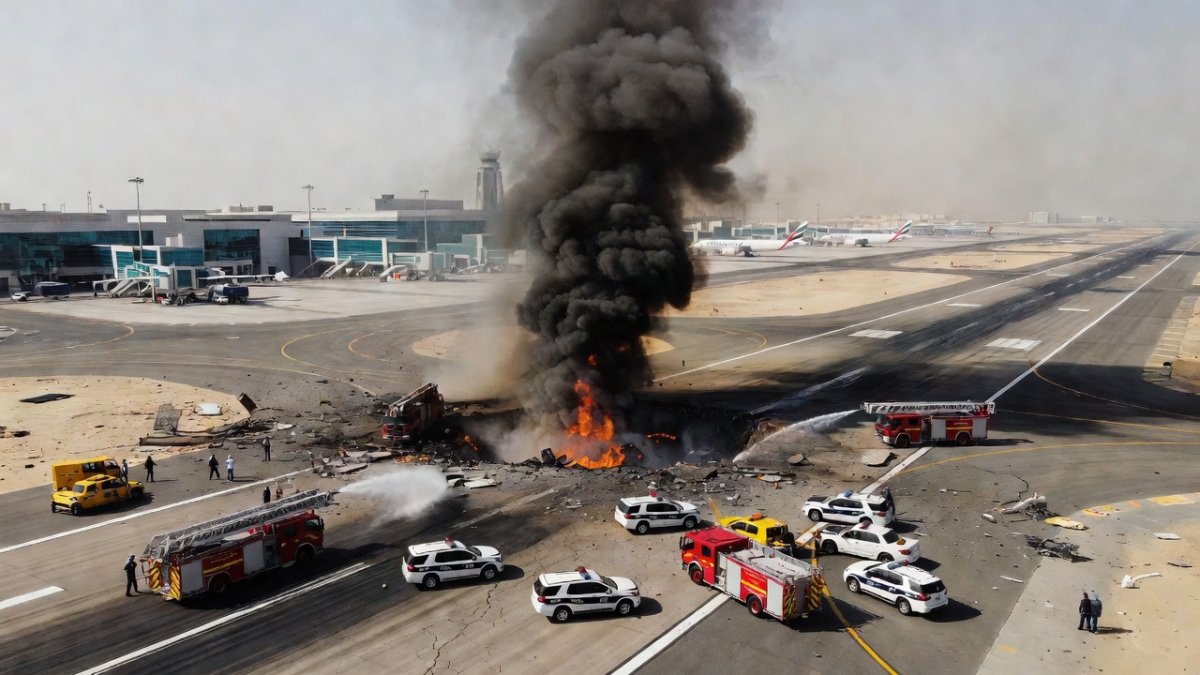
Dubai International Airport sustained runway damage from Iranian drone strikes on February 28 (Global 1 News)
Israeli analysts from the Institute for National Security Studies emphasized that the MoU signed on June 17 leaves Iran free to rebuild its missile arsenal without restrictions, heightening risks to Eilat port and Red Sea shipping lanes. Saudi Aramco executives reported $18 billion in immediate losses from the Abqaiq facility damage, underscoring how economic competition has given way to fears of repeated strikes. Bahrain's King Hamad bin Isa Al Khalifa publicly questioned US commitment after White House officials rejected Netanyahu's request for Israeli input on the agreement. These developments have prompted Oman and Qatar to quietly expand intelligence exchanges with Mossad, focusing on Iranian proxy movements in Yemen and Lebanon. The perception change is most acute in Kuwait, where port closures disrupted 40 percent of regional trade for three weeks.
The February War: Direct Hits on Gulf Infrastructure
Iranian ballistic missiles struck Saudi Aramco processing plants in Abqaiq and Khobar on February 28, igniting fires that took 11 days to extinguish and cutting crude output by 2.1 million barrels daily. Dubai International Airport suspended operations after drone swarms damaged runways, stranding 87,000 passengers and forcing Emirates to reroute flights through Doha. Bahrain's naval base at Juffair suffered hits on US Fifth Fleet support vessels, while Kuwait's Shuwaikh port saw container terminals crippled by precision strikes that killed 14 workers. These attacks revealed critical gaps in Gulf air defense networks, as Saudi and Emirati Patriot batteries intercepted only 62 percent of incoming threats according to classified assessments shared with Israeli intelligence. Israeli coordination with GCC states intensified immediately, with IDF radar data from Nevatim Airbase helping Riyadh track Iranian launches in real time.
Economic disruption rippled across the region, with total Gulf losses reaching $45 billion by mid-March from halted energy shipments and tourism collapses in Manama and Dubai. Kuwaiti officials documented 19 drone incursions over oil terminals in the first 48 hours, prompting emergency purchases of additional Iron Dome interceptors through third-party channels. Israeli intelligence teams embedded in Abu Dhabi provided satellite imagery confirming Iranian drone assembly sites in western Iran, enabling targeted Gulf responses. The war exposed how prior reliance on US security umbrellas left vulnerabilities when Washington prioritized its own negotiations. Bahrain's government activated full civil defense protocols for the first time since 1991, sheltering residents near the targeted naval facilities.
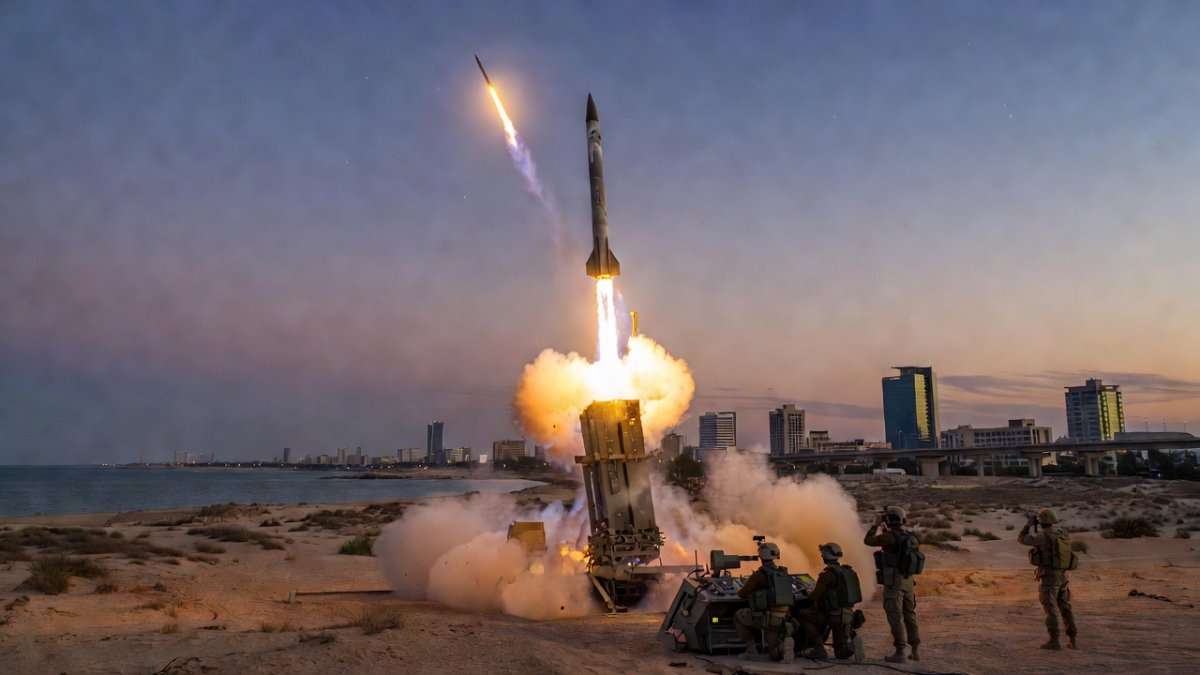
Israeli Arrow missile defense systems being evaluated for expanded Gulf deployment (Global 1 News)
What the MoU Leaves Out
The June 17 MoU allocates $300 billion in reconstruction funds to Iran yet imposes no caps on ballistic missile production or drone development, a point stressed in Mossad briefings delivered to Gulf intelligence chiefs in late June. A 60-day Hormuz Strait navigation provision allows Iranian vessels free passage without inspection requirements, raising fears of renewed mining threats to Saudi and Emirati tankers. Houthi forces in Yemen and Hezbollah units in Lebanon remain untouched by the agreement, preserving Tehran's ability to project power through proxies. Israeli assessments shared with Saudi and Emirati counterparts indicate Iran could resume Shahab-3 tests within 90 days using the new funds for guidance system upgrades.
Gulf leaders expressed alarm that zero allocation exists for regional missile defense enhancements despite the documented $45 billion in war damages. The absence of limits on Iran's drone fleet directly threatens ongoing infrastructure projects in Dhahran and Kuwait City. Mossad Director David Barnea forwarded detailed reports to Abu Dhabi showing Iranian procurement networks acquiring Russian components for longer-range systems. These omissions have prompted Gulf states to question the durability of any US-brokered deal that prioritizes Iranian economic recovery over neighbor security. Concrete examples include renewed Houthi attacks on Red Sea shipping that resumed within weeks of the MoU signing.
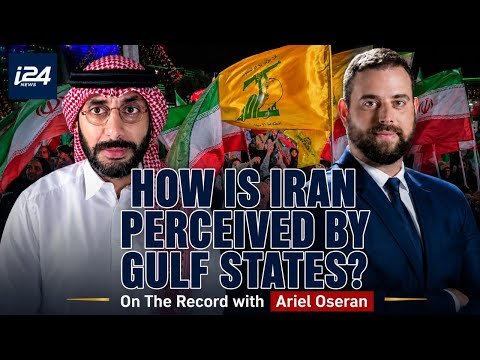
i24NEWS report analyzing Gulf perceptions of Iran after the MoU (i24NEWS)
Abraham Accords Partners Feel Abandoned
UAE and Bahrain officials conveyed deep betrayal after the White House dismissed Israel's request to review the MoU text before finalization, undermining the spirit of the 2020 Abraham Accords. Bilateral Israeli-Gulf defense talks have accelerated since June, with UAE National Security Advisor Sheikh Tahnoon bin Zayed hosting IDF delegations in Abu Dhabi for joint planning on Iranian proxy threats. Intelligence sharing protocols now include daily updates on Hezbollah movements and Houthi supply lines from Iranian ports. Bahrain's foreign minister stated publicly that the accords' security dimension requires urgent reinforcement independent of American guarantees.
These developments have led to accelerated purchases of Israeli drone detection systems by Kuwait and Oman, bypassing traditional US procurement channels. The perceived abandonment has cooled some economic normalization projects while boosting covert military cooperation. Israeli-Gulf working groups now meet monthly in Muscat to coordinate responses to potential future Iranian missile barrages. Abraham Accords implementation in trade and technology continues, yet security clauses have gained priority status among all signatories.
Netanyahu Faces Domestic Backlash
Israeli Prime Minister Benjamin Netanyahu encountered sharp Knesset criticism in late June over the MoU, with opposition leaders accusing him of insufficient pushback against US terms that ignored Gulf vulnerabilities. Shin Bet Director Ronen Bar warned in closed sessions that Hezbollah could exploit reduced pressure on Iran to expand operations from southern Lebanon into northern Israel. Mossad Director David Barnea conducted urgent visits to Riyadh and Abu Dhabi in July, presenting updated threat matrices on Iranian missile reconstitution timelines. IDF Chief of Staff Herzi Halevi proposed joint exercises with Gulf air forces focused on integrated missile defense scenarios.
These proposals include simulated responses to attacks on Eilat and Gulf energy hubs, drawing on lessons from the February strikes. Domestic polls showed 58 percent of Israelis favoring greater strategic autonomy from Washington following the deal. Netanyahu's coalition faced internal fractures as coalition partners demanded public clarification on Israeli access to future US-Iran negotiations. The backlash has strengthened arguments within the security establishment for deeper institutional ties with GCC counterparts.
US Congressional Response
Bipartisan US congressional committees held hearings in July questioning the MoU's security guarantees for Gulf partners and Israel, with senators from both parties citing the $45 billion in documented losses. Concerns centered on potential delays in arms sales to Saudi Arabia and the UAE, including F-35 components previously approved under Abraham Accords frameworks. Israeli diplomats argued before Congress for greater strategic autonomy, emphasizing that Gulf states require independent capabilities to deter Iranian drones without waiting for US approval. Lawmakers raised specific issues about the lack of verification mechanisms for Iranian missile programs funded by the $300 billion package.
These debates have slowed several pending defense contracts while prompting renewed focus on Israeli-Gulf technology transfers. Congressional staff reports highlighted how the MoU's 60-day Hormuz provision could affect global energy prices if Iranian activities resume unchecked. Israeli representatives stressed that enhanced bilateral ties with Gulf states could offset gaps left by fluctuating US policy. The overall impact has been to accelerate quiet defense cooperation outside formal US channels.
The Way Forward for Israel-Gulf Ties
Israel and Gulf states are advancing independent missile defense architectures, including expanded deployment of Israeli Arrow systems along Red Sea routes to Eilat and joint early-warning radar networks covering the Persian Gulf. Maritime security initiatives now focus on protecting shipping lanes from Houthi threats, with proposed patrols involving Israeli, Emirati, and Saudi vessels. These steps aim to reduce dependence on full US involvement while preserving Abraham Accords economic benefits in technology and trade. Concrete projects include shared satellite monitoring of Iranian ports and procurement networks.
Regional deterrence strategies emphasize rapid response capabilities developed through ongoing intelligence exchanges. Implications for the Abraham Accords include strengthened defense annexes that could attract additional signatories wary of Iranian reach. Gulf leaders have signaled willingness to fund portions of joint systems previously reliant on American financing. This approach seeks sustainable stability through direct partnerships rather than external guarantees alone.
Conclusion
The US-Iran MoU has cemented a fundamental realignment where Gulf states prioritize direct ties with Israel for missile defense and intelligence over exclusive reliance on Washington. This shift, driven by the February War's concrete damages and the agreement's omissions, points to more resilient bilateral frameworks in the years ahead. Continued coordination on proxies and maritime routes will determine whether the region achieves stable deterrence without renewed conflict.
By Hannah Berg, Staff WriterThis article was produced with AI-assisted research and editorial support. Reporting is based on sources cited in the article.
What's Your Reaction?
 Like
0
Like
0
 Dislike
0
Dislike
0
 Love
0
Love
0
 Funny
0
Funny
0
 Wow
0
Wow
0
 Sad
0
Sad
0
 Angry
0
Angry
0
Israel Correspondent at Global1.News. Based in Tel Aviv, covering Israeli politics, security, technology, and society. Provides balanced, deeply-sourced reporting on one of the most closely-watched regions in the world.












Comments (0)