
Givati Brigade Commanders Detail Eight Months of Combat Against Hezbollah in Southern Lebanon
<p>In a recent i24NEWS report, company commanders from the Israel Defense Forces' Givati Brigade sat down to discuss their eight-month deployment against Hezbollah in southern Lebanon — an operation that saw Israeli troops cross the Litani River for the first time in decades and capture the strategic Beaufort Castle ridge. The brigade's return to northern Israel this week marks a significant chapter in the ongoing 2026 Lebanon war.</p> <hr> <p><strong>Givati Brigade Commanders Detail Eight Month

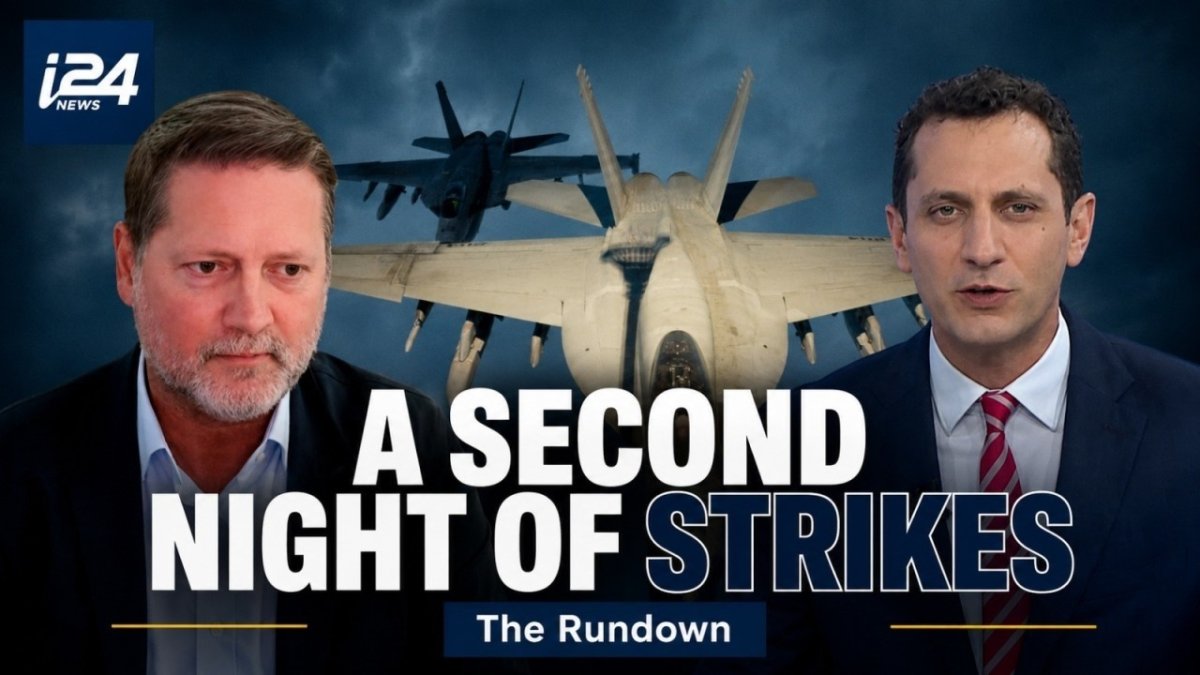
In a recent i24NEWS report, company commanders from the Israel Defense Forces' Givati Brigade sat down to discuss their eight-month deployment against Hezbollah in southern Lebanon — an operation that saw Israeli troops cross the Litani River for the first time in decades and capture the strategic Beaufort Castle ridge. The brigade's return to northern Israel this week marks a significant chapter in the ongoing 2026 Lebanon war.
Givati Brigade Commanders Detail Eight Months of Combat Against Hezbollah in Southern Lebanon
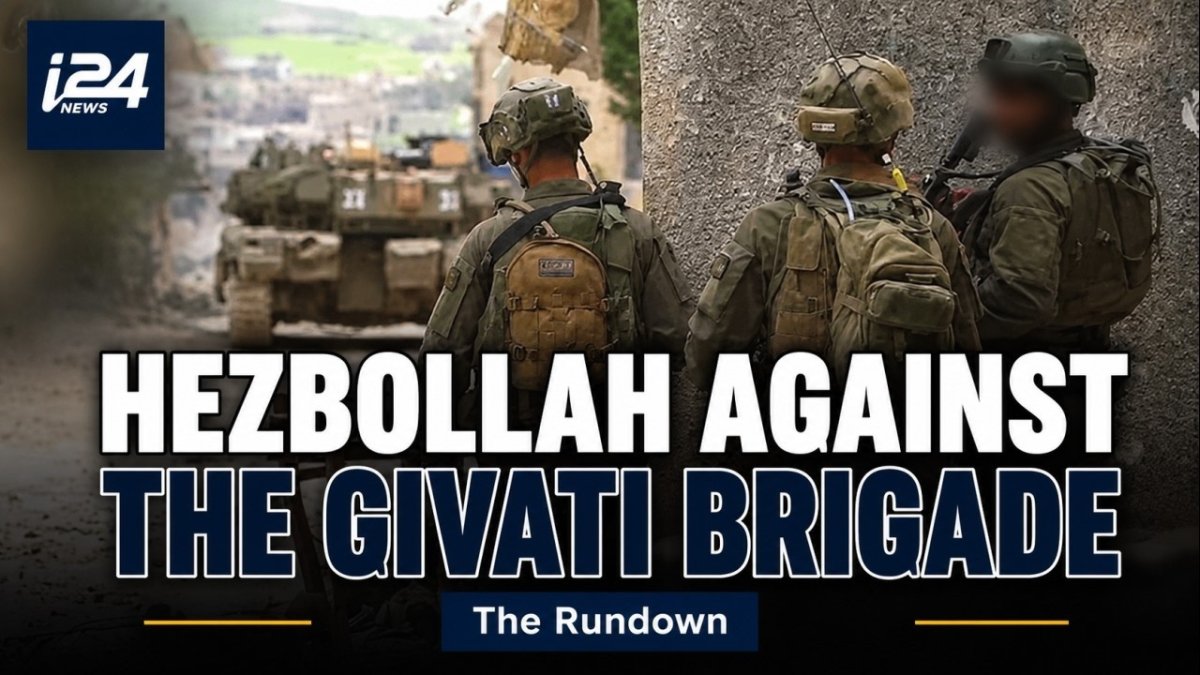
Jerusalem, Israel – This week — The Givati Brigade (84th Infantry Brigade) of the Israel Defense Forces recently completed an eight-month operational deployment in southern Lebanon, with a formal ceremony held at Camp Filon in northern Israel attended by Northern Command chief Maj. Gen. Rafi Milo. Company commanders from the brigade's Shaked Battalion and Sabar Battalion sat down with i24NEWS to share frontline accounts of the fighting against Hezbollah, describing a campaign that evolved from border defense to deep offensive operations north of the Litani River.
From Border Defense to Offensive Operations
The 2026 Lebanon war opened on March 2, when Hezbollah launched rockets and drones into northern Israel in response to the US-Israel campaign against Iran. Givati Brigade Commander Col. Netanel Shamaka directed the shift from static defense along the border fence to offensive maneuvers that reached Beaufort Castle and Wadi al-Saluki areas north of the Litani. These positions had served as Hezbollah command posts and launch sites targeting Israeli communities from Metula to Kiryat Shmona for years.
The Litani crossing on May 31 marked the first time Israeli troops had advanced beyond the river since the 2006 Second Lebanon War. Shaked Battalion officers told i24NEWS that the operation required weeks of preparation, including reconnaissance of Hezbollah's fortified positions and coordination with engineering units to clear pathways through mined approaches.
Adapting to Lebanon's Mountainous Terrain
Before deploying to Lebanon, the Givati Brigade completed multiple rotations in Gaza, where urban warfare against Hamas dominated its tactical focus. Upon arrival in southern Lebanon, commanders faced steep, forested slopes and narrow wadis that demanded entirely new movement patterns and adjusted fire support coordination. Sabar Battalion officers described training at Camp Filon to master ridge-line advances under Hezbollah drone surveillance — a challenge far removed from the dense city blocks of Gaza City and Khan Younis.
Col. Shamaka ordered the integration of additional combat engineering assets to clear tunnel entrances discovered near Beaufort Castle. These adaptations allowed the brigade to secure the ridge within days of crossing the Litani, denying Hezbollah observation posts that had previously directed mortar and anti-tank fire onto Israeli positions.
Hezbollah Infrastructure Discovered in Southern Lebanon
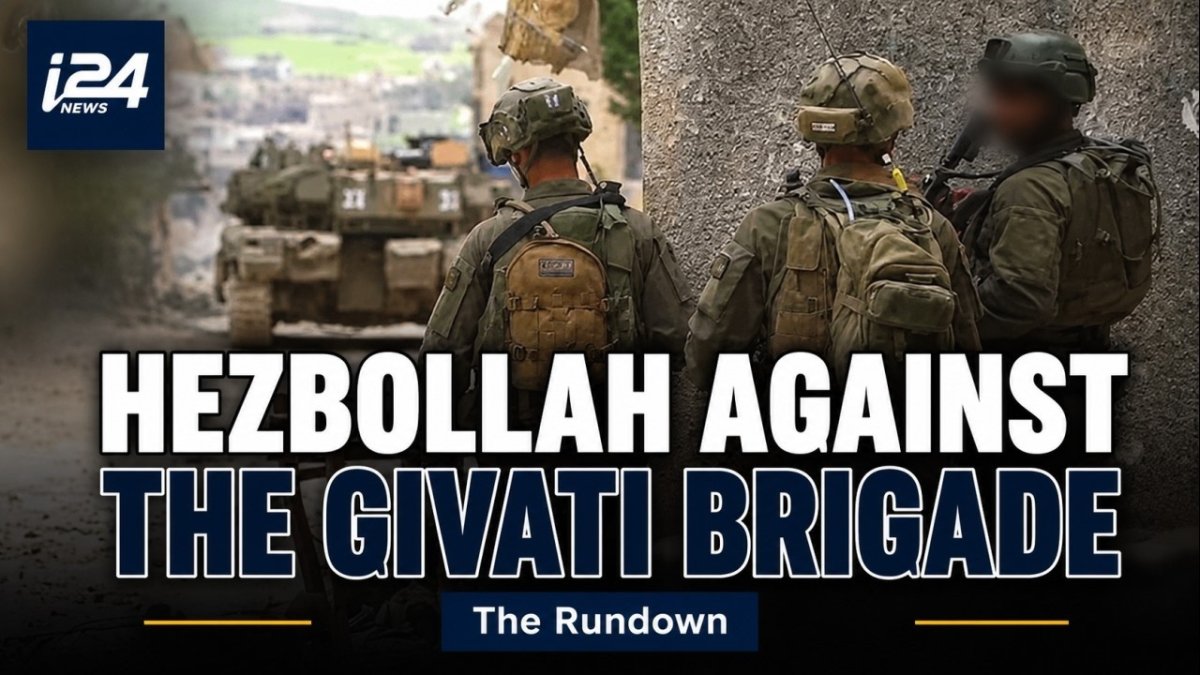
Israeli troops uncovered hundreds of Hezbollah rocket launchers, anti-tank missile caches, and underground facilities across the captured zones. Sabar Battalion commanders reported finding tunnel networks extending several hundred meters, some equipped with electricity, ventilation systems, and living quarters — indicating long-term preparation for sustained operations against Israel. The IDF confirmed that these sites had supported barrages targeting northern Israeli communities since October 2023.
Hezbollah drone strikes killed three Givati soldiers during the deployment, including Capt. Dr. Uri Yosef Silvester. The brigade documented more than 4,300 Lebanese fatalities from Israeli operations since March 2, according to Lebanese government figures, while over one million residents fled southern Lebanon. These numbers reflect the intensity of close-quarters fighting around Wadi al-Saluki and the Beaufort ridge.
Northern Command Assessment and Border Security
Maj. Gen. Rafi Milo told assembled troops at the Camp Filon ceremony that Givati operations had "changed the security reality in the North for years to come." The Northern Command chief emphasized that cleared zones would remain under IDF monitoring to prevent Hezbollah re-infiltration — a lesson drawn from the 2006 war, after which the terror group rebuilt its arsenal south of the Litani.
Daily life in communities such as Shlomi, Avivim, and Kiryat Shmona has begun to normalize as rocket alerts decreased following the Givati advance. The Foreign Ministry confirmed that diplomatic channels with Washington and Brussels now focus on reconstruction guarantees tied to Hezbollah's permanent withdrawal north of the Litani — a condition Israel insists upon before any ceasefire framework can move forward.
Regional Implications and Strategic Significance
The capture of Beaufort Castle — a Crusader-era fortress that Hezbollah had fortified since Israel's 2000 withdrawal from southern Lebanon — removed a historic observation point that the group used to coordinate fire across the border. Israeli security officials assess that loss of this position limits Hezbollah's capacity to synchronize operations with other Iran-backed militias operating from Syrian territory.
The Knesset Foreign Affairs and Defense Committee received classified briefings on the Givati operation in recent days. Analysts at the Institute for National Security Studies in Tel Aviv argue that sustained pressure on Hezbollah's forward infrastructure reduces the group's ability to threaten Israeli communities, while the IDF maintains readiness against potential Iranian retaliation through other fronts, including the Golan Heights.
Future Posture and Ongoing Readiness
Company commanders from the Shaked and Sabar Battalions confirmed that training rotations will continue at Camp Filon to maintain proficiency in both mountainous and urban warfare environments. Col. Shamaka stated that elements of the brigade will redeploy to the Gaza Division later this year to support ongoing operations against Hamas remnants in the Strip.
The Northern Command has already begun integrating lessons from the Litani crossing and Beaufort capture into doctrine for other infantry units. These adjustments reflect the IDF's broader requirement to manage simultaneous threats from Gaza, Lebanon, and potential Iranian proxies across multiple theaters. The Foreign Ministry continues to coordinate with Washington on arms resupply and diplomatic messaging aimed at containing escalation while securing Israel's northern border.
By Hannah Berg, Staff Writer
What's Your Reaction?
 Like
0
Like
0
 Dislike
0
Dislike
0
 Love
0
Love
0
 Funny
0
Funny
0
 Wow
0
Wow
0
 Sad
0
Sad
0
 Angry
0
Angry
0











Comments (0)