
The Polygamist: Netflix's Zulu-Language Drama Takes the World by Storm
Source: BBC News The Polygamist — Netflix's Zulu-language drama about polygamy and family secrets (Netflix) The Sudden Sensation from Johannesburg The Polygamist arrived on Netflix on June 12 and quickly became the most watched show in South Africa and Kenya during its first week. The 22-episode Zulu-language series follows wealthy Johannesburg businessman Jonasi Gomora and the
Source: BBC News
The Polygamist — Netflix's Zulu-language drama about polygamy and family secrets (Netflix)
The Sudden Sensation from Johannesburg
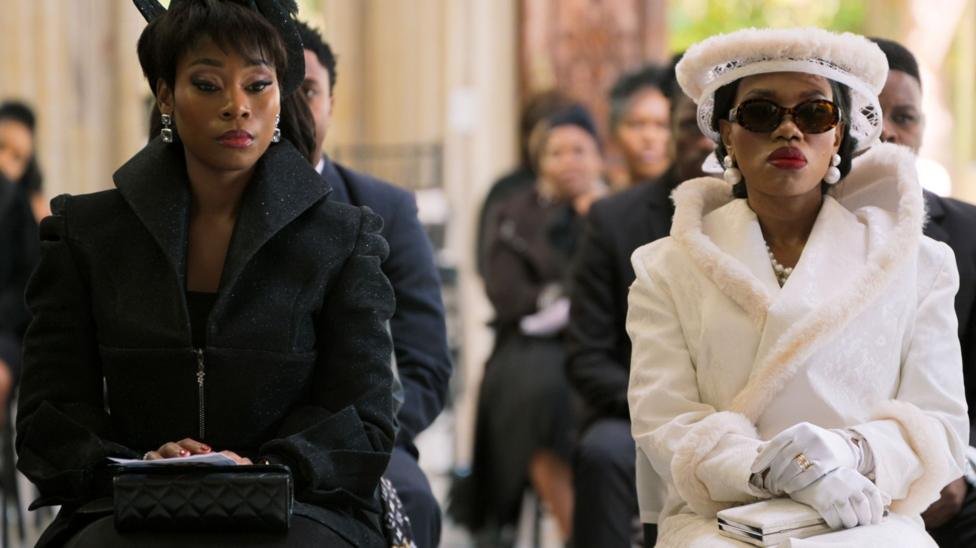
The Polygamist arrived on Netflix on June 12 and quickly became the most watched show in South Africa and Kenya during its first week. The 22-episode Zulu-language series follows wealthy Johannesburg businessman Jonasi Gomora and the women connected to him. It opens at his funeral, where his widow Joyce, a social media influencer dressed in white, stands among two other wives and a mistress all dressed in black. The story then moves back five years to show how the relationships formed and how family tensions grew. Within days the series reached 2 million views and landed at number four on Netflix’s global top 10 list for non-English titles.
A Story Rooted in Real Polygamous Lives
The series is based on the 2012 novel of the same name by Zimbabwean author Sue Nyathi and was produced by Stained Glass TV in South Africa. Executive producers Gugu Zuma-Ncube and Thuli Zuma, daughters of former South African president Jacob Zuma, brought personal knowledge to the project. Gugu Zuma-Ncube stated that a lot of the scenes viewers see are taken directly out of their lives. She noted that she famously comes from a very polygamist family and that she brought that experience into the production. The show therefore reflects both the novel and the lived realities of families where multiple wives share one household.
Numbers That Tell a Continental Tale
In its first week the series ranked in the top 10 in Nigeria and Mauritius as well. It also found strong audiences in Trinidad and Tobago, Romania, and the Dominican Republic. These results show how a Zulu-language drama set in Johannesburg can travel far beyond South Africa’s borders. The 2 million views and global ranking of number four for non-English series confirm that stories centered on African family life now draw viewers across continents.
Voices from the Diaspora Weigh In
Celebrities quickly shared their reactions. Nigerian Afrobeats star Davido tweeted that Jonasi is wild. American actress Sherri Shepherd posted on Instagram that she thought Crazy Rich Asians was something, but crazy rich Africans is a whole ’nother level. Taraji P. Henson wrote that the show had her in a chokehold and that she binged the entire season in one day. These comments from high-profile figures helped spread word of the series even further.
Streets and Screens: From Nairobi to the World
In Nairobi, matatu taxis began carrying images of Jonasi’s face on their sides, turning everyday transport into moving billboards for the show. The sight of the character’s portrait on vehicles that carry thousands of commuters each day illustrates how deeply the story has entered daily life. Executive producer Gugu Zuma-Ncube said the team was floored by the reception across the continent, noting that conversations about the series now happen in markets, offices, and family gatherings from Dakar to Dar es Salaam.
Sparking Honest Talks on Tradition and Modernity
The Polygamist has prompted widespread discussion about polygamy, marriage, and betrayal across Africa and the diaspora. In many households these topics have long been part of private conversation. The series brings them into public view through the story of one Johannesburg family. Viewers in Senegal and other West African countries recognize familiar tensions between older expectations and newer ideas about partnership and fairness. The drama does not offer simple answers, yet it gives people a shared reference point for talking about how families actually function today.
What This Means for African Narratives
By placing a Zulu-language production at the center of global charts, The Polygamist shows that African stories told in African languages can reach wide audiences without translation into English or French. The involvement of Gugu Zuma-Ncube and Thuli Zuma also connects the series to real political and family histories in South Africa. As more viewers in Trinidad and Tobago, Romania, and the Dominican Republic join the conversation, the show reminds us that family structures across the continent continue to evolve while still carrying the weight of tradition. The success of this single title suggests that similar grounded stories will continue to find eager viewers both at home and abroad.
By Amara Diop, Staff WriterThis article was produced with AI-assisted research and editorial support. Reporting is based on sources cited in the article.
What's Your Reaction?
 Like
0
Like
0
 Dislike
0
Dislike
0
 Love
0
Love
0
 Funny
0
Funny
0
 Wow
0
Wow
0
 Sad
0
Sad
0
 Angry
0
Angry
0

West Africa/Sahel Correspondent at Global1.News. Dakar-based journalist covering politics, security, climate, and development across Francophone and Anglophone West Africa. Tells the stories of a region undergoing profound transformation.













Comments (0)