
'Everything Burned': B.C. Man Loses Home as Brunswick Complex Wildfire Tore Through Fraser Canyon
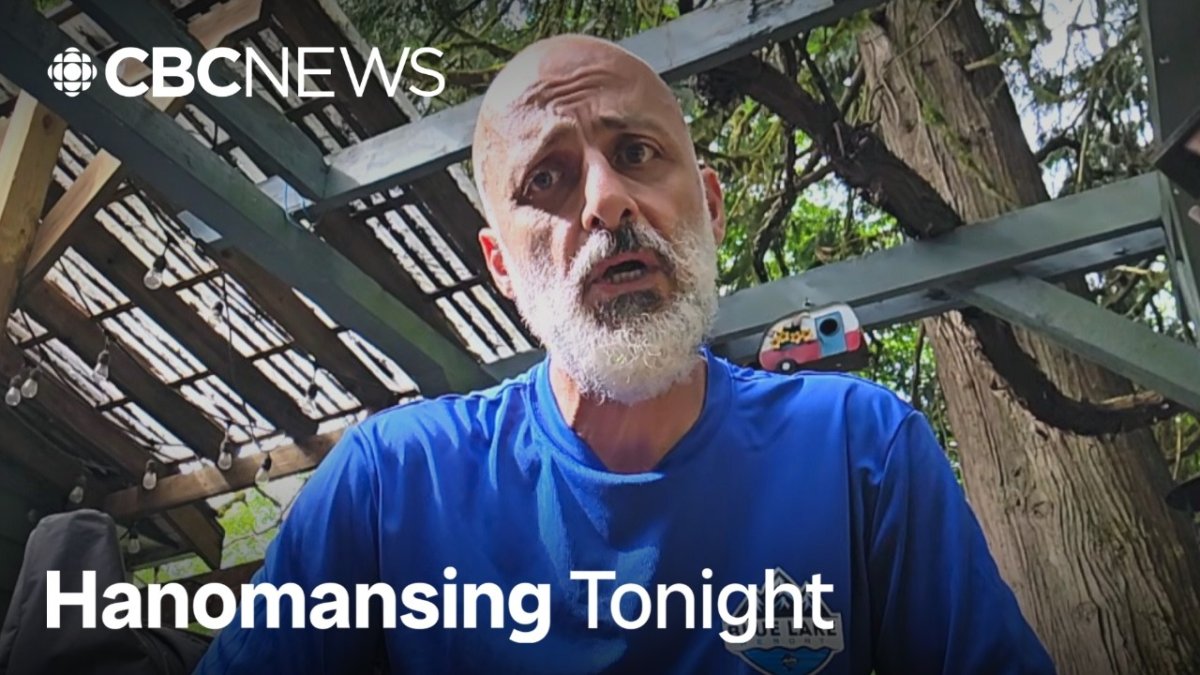
In a recent CBC News report on Hanomansing Tonight, Saeed Mansouri described how the Brunswick Complex wildfire destroyed his home near Boston Bar in British Columbia's Fraser Canyon. Mansouri told the program that he and his family had lost everything after flames consumed the property in minutes — a devastating personal account that illustrates the human toll of a fire that h
In a recent CBC News report on Hanomansing Tonight, Saeed Mansouri described how the Brunswick Complex wildfire destroyed his home near Boston Bar in British Columbia's Fraser Canyon. Mansouri told the program that he and his family had lost everything after flames consumed the property in minutes — a devastating personal account that illustrates the human toll of a fire that has already burned roughly 20,000 hectares across two distinct zones.
''Everything Burned': B.C. Man Loses Home as Brunswick Complex Wildfire Tore Through Fraser Canyon'
Boston Bar, British Columbia — The Brunswick Complex, consisting of the Ainslie Creek fire at approximately 170 square kilometres and the Brunswick Creek fire at about 26 square kilometres, has surged past 20,000 hectares with explosive growth fuelled by sustained winds and steep canyon terrain. Located roughly 200 kilometres northeast of Vancouver, the fire now burns on both sides of the Fraser River, threatening the critical Trans-Canada transportation corridor.
The Fire
Fire growth statistics reveal the rapid escalation of the Brunswick Complex. On July 4 the combined area measured only 100 hectares. By July 6 it had reached 1,230 hectares, then surged past 19,600 hectares on July 8 before stabilising near 20,000 hectares on July 9. This timeline shows how sustained winds and steep terrain accelerated spread across both the Ainslie Creek and Brunswick Creek zones.
Blue Lake Resort suffered the most visible structural losses when 250 guests were ordered to leave on Sunday and the property was overrun on Tuesday night. Owner Shayne Findlay described burning bark and wood the size of a fist falling from the sky, calling the scene a Biblical event when he stood in the middle of it. Sprinklers installed by structure protection crews saved the main lodge, yet multiple other buildings, including the resort manager's home, were destroyed.
The fire now burns on both sides of the Fraser River, complicating access for crews and threatening the Trans-Canada corridor. Canadian National railworkers have been observed operating a firefighting train near the Brunswick Creek zone to support suppression efforts. These developments directly affect freight movement and passenger rail service between Vancouver and points east.
Evacuations and Human Impact
The Fraser Valley Regional District issued an evacuation order for approximately 40 properties, while the Thompson-Nicola Regional District placed an evacuation alert on roughly 61 properties stretching from Boston Bar to Merritt. Boston Bar itself, home to 166 residents, remains under alert as flames continue to advance. Amanda Hagen, a local resident, reported seeing the glow of the Ainslie Creek fire at night and watching the Brunswick Creek fire move downslope toward the river, noting that flames had advanced a fair distance since the previous day.
Shxwhay Village established an evacuation reception centre in Chilliwack coordinated by Tyrell Williams to serve both Indigenous elders and all evacuees. Approximately 14 families have checked in so far, and the centre has organised dinners to provide stability during displacement. This facility demonstrates how First Nations communities in British Columbia often lead reception efforts that extend beyond their own members.
Charlie Sarauer, a Boston Bar shuttle bus driver, described the strain of moving residents to medical appointments with little rest. He called the situation devastating, noting that some people are taking events in stride while others feel panic at the prospect of losing their homes. These accounts illustrate the layered stress placed on small communities when wildfire forces prolonged disruption.
Firefighting Response
More than 200 firefighters, 14 helicopters, and over 60 structure protection personnel have been assigned to the Brunswick Complex. BC Wildfire Service spokesperson Julia Caranci attributed the explosive growth to sustained winds aligned with very steep slopes under dry conditions. She stated that such alignment produces the type of rapid advance now observed on both sides of the Fraser River.
Response operations shifted to 24-hour shifts because the fire was designated a top-priority incident. Caranci emphasised that the absence of rain in the forecast means crews face additional challenging days ahead. This continuous schedule reflects standard Canadian practice when multiple interface fires threaten communities simultaneously.
CN railworkers supporting suppression from a specialised train near Brunswick Creek have added capacity in terrain that is difficult for ground crews to reach. The combination of aerial, ground, and rail-based resources shows how British Columbia coordinates diverse assets during peak wildfire season. These efforts aim to protect remaining structures while Highway 1 remains closed through the area.
Broader Canadian Context
The Brunswick Complex forms part of a larger national wildfire season that has already strained provincial resources from British Columbia to the Atlantic provinces. Federal-provincial coordination through the Canadian Interagency Forest Fire Centre has facilitated the movement of personnel and equipment across jurisdictions. Highway 1 closures in the Fraser Canyon disrupt the primary east-west corridor that carries both commercial freight and tourist traffic vital to the national economy.
Climate trends have lengthened the fire season and increased the frequency of extreme fire behaviour in British Columbia's steep canyons. The 20,000-hectare Brunswick Complex illustrates how dry fuels and wind alignment can overwhelm initial attack efforts within days. Canadian analysts note that such events now occur with greater regularity, prompting renewed investment in prevention and community preparedness programs.
Evacuation orders affecting roughly 101 properties across two regional districts highlight the recurring pressure on small Interior communities. Boston Bar's population of 166 and the nearby Shxwhay Village centre in Chilliwack demonstrate how Indigenous and non-Indigenous residents share reception resources during crises. These patterns reinforce the need for sustained federal funding to support both suppression and long-term recovery across Canada.
What Happens Next
With no rain forecast, BC Wildfire Service crews expect continued challenging conditions that could allow further growth on steep slopes. Officials have indicated that 24-hour operations will remain in place until containment lines are established around the Ainslie Creek and Brunswick Creek zones. Residents under alert in Boston Bar and along the route to Merritt are advised to maintain readiness for potential orders.
Recovery planning has already begun at the Shxwhay Village reception centre in Chilliwack, where Tyrell Williams and staff continue to organise meals and support services for the 14 families currently housed there. Provincial authorities are coordinating with the Fraser Valley and Thompson-Nicola regional districts to assess damage once access improves. Saeed Mansouri and other displaced residents face the task of rebuilding after losing homes and possessions in the fire's path.
Longer-term outlook depends on weather patterns and the success of ongoing suppression that now includes rail-supported crews. Canadian wildfire management agencies will analyse the Brunswick Complex response to refine tactics for future seasons. The closure of Highway 1 through the Fraser Canyon will continue to affect national supply chains until crews can safely reopen the corridor.
By Alex Thompson, Staff Writer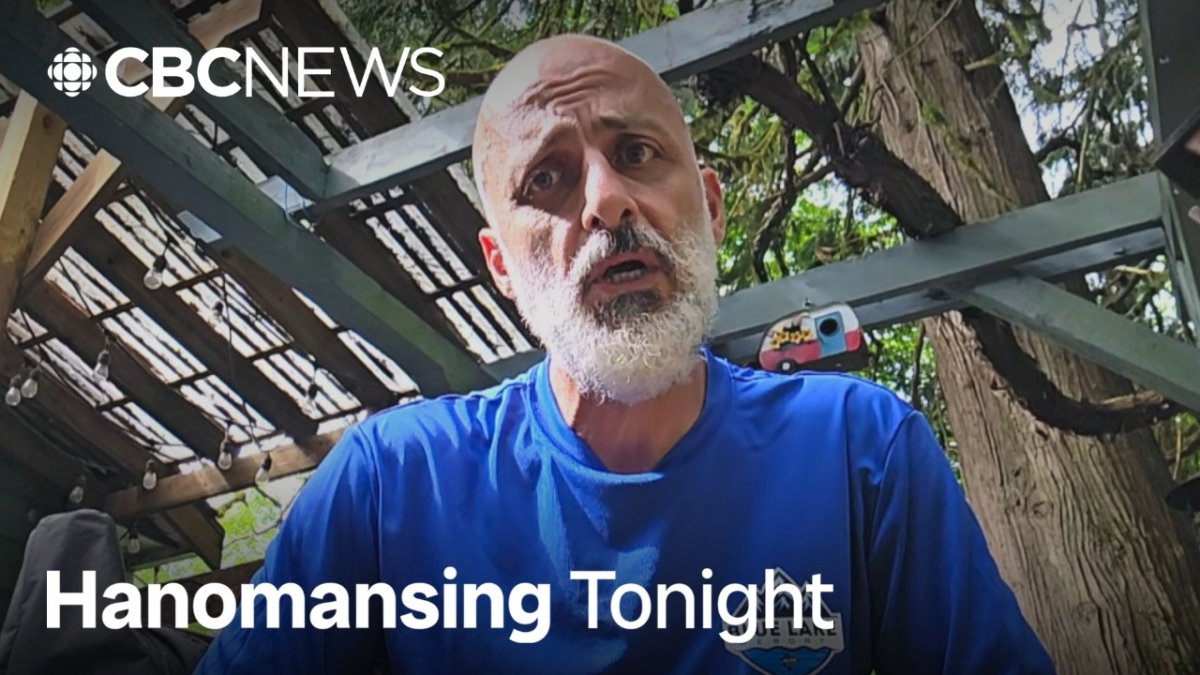
This article was produced with AI-assisted research and editorial support. Reporting is based on sources cited in the article.
What's Your Reaction?
 Like
0
Like
0
 Dislike
0
Dislike
0
 Love
0
Love
0
 Funny
0
Funny
0
 Wow
0
Wow
0
 Sad
0
Sad
0
 Angry
0
Angry
0

Canada Correspondent at Global1.News. Based in Toronto, covering Canadian politics, energy, trade, and US-Canada relations. Provides the Canadian perspective on North American and global affairs.










Comments (0)