
Snowbirds' Final Tutor Show Set for Moose Jaw
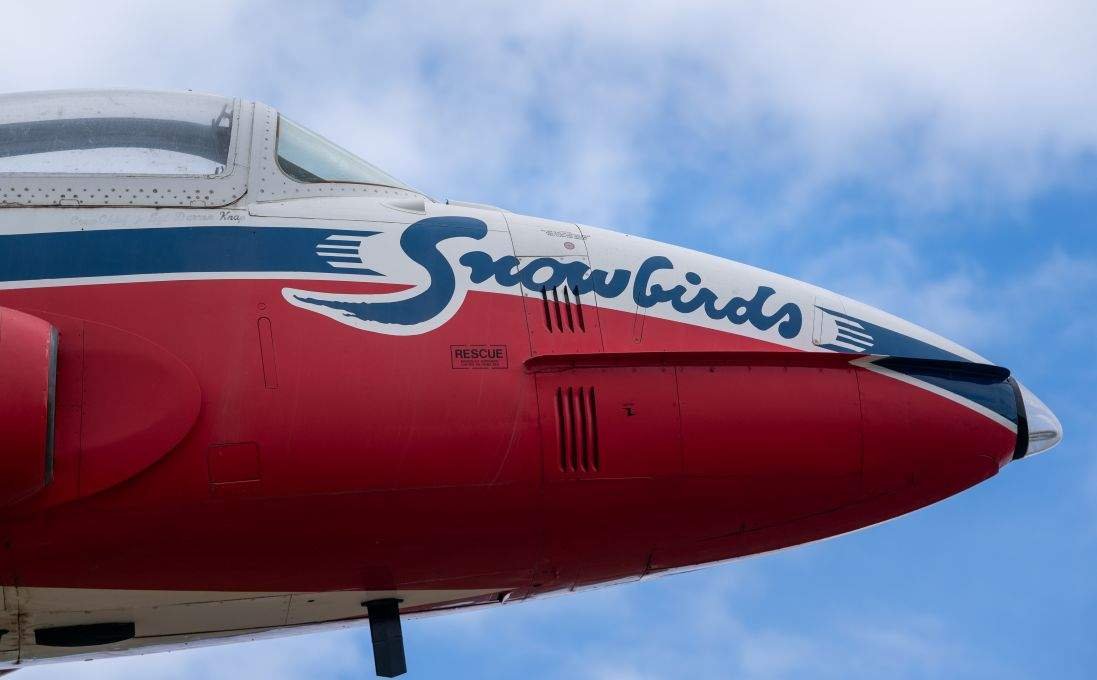
The Final Tutor Performance in Moose Jaw Canada's Snowbirds will take to the skies over Moose Jaw, Sask., on Saturday for the Tutor jet's final hometown performance before the fleet is retired from service. The event marks the end of an era for the iconic CT-114 Tutor jets that have thrilled audiences across the country for decades. Residents and aviation enthusiasts alike have
The Final Tutor Performance in Moose Jaw
Canada's Snowbirds will take to the skies over Moose Jaw, Sask., on Saturday for the Tutor jet's final hometown performance before the fleet is retired from service. The event marks the end of an era for the iconic CT-114 Tutor jets that have thrilled audiences across the country for decades. Residents and aviation enthusiasts alike have been eagerly anticipating this show, which sold out within minutes of tickets going on sale. The performance promises to be a fitting tribute to the aircraft that have become synonymous with Canadian pride and precision flying.
In May, federal Defence Minister David McGuinty announced the aerial performers' CT-114 Tutor jets are being replaced with CT-157 Siskin II, and the fleet is being temporarily grounded after this summer for the new planes' procurement. This decision has sparked widespread discussion in aviation circles and among the general public. Many view the grounding as a necessary step toward modernisation, while others express concern over the gap in performances. The Snowbirds' schedule will conclude this summer, leaving a temporary void in Canada's aerial display capabilities.
This season is, quite frankly, pretty special. The best analogy I can find is watching your children go to university. One part of you is sad to see them leave, just like we're going to be sad to see the Tutor leave, said Lt.-Col. Guillaume Paquet, commanding officer of the Canadian Forces Snowbirds. The positive side is we're going to get new airplanes. Paquet emphasised the emotional weight of the transition while highlighting the opportunities ahead. The team remains committed to delivering world-class performances right up until the final flight.
A Legacy Spanning Over Five Decades
The Snowbirds' first performance in Moose Jaw was July 11, 1971. The team has been based at 15 Wing Moose Jaw ever since, forging deep roots in the Saskatchewan community. Over the years, the squadron has become an integral part of local identity, with generations of residents growing up watching the distinctive red-and-white jets streak across the prairie skies. This longstanding presence has created a unique bond between the performers and the city that hosts their home base.
At the news conference announcing the temporary performance pause, McGuinty said the team will remain at that base when the new planes arrive in the early 2030s. This commitment provides some reassurance to Moose Jaw residents worried about the future of their aviation heritage. The base itself has evolved alongside the Snowbirds, serving as both a training centre and a symbol of national defence excellence. Local businesses have long benefited from the tourism and attention the team attracts.
Former Moose Jaw mayor, and president of the city's flying club, Roger Blager told Global News he's optimistic for the Snowbirds' future, even if the decision to ground them felt sudden. The history of the Tutor jets includes countless airshows, fly-pasts, and community events that have inspired young Canadians to pursue careers in aviation. This legacy continues to influence recruitment into the Royal Canadian Air Force.
The Transition to New Aircraft
Paquet said being able to give back to the Moose Jaw community, who have supported the Snowbirds for 55 years, is a privilege. The shift to the CT-157 Siskin II represents a significant investment in the future of Canadian aerial demonstration capabilities. Procurement processes are underway to ensure the new fleet meets modern safety and performance standards. Officials have stressed that the transition aims to minimise disruption while maximising long-term benefits for the team.
Dan Dempsey was the commanding officer of the squadron in 1989 and 1990. He was a Snowbird in 1979 and 1980. He said he believes the Tutor jets are repairable, or at least can make it until the early 2030s, when Ottawa estimates the new aircraft will be ready for takeoff. Maintenance experts have debated the viability of extending the current fleet's service life through targeted upgrades. Such extensions could allow for a smoother handover without losing valuable performance seasons.
The new Siskin II jets are expected to offer improved range, advanced avionics, and enhanced manoeuvrability compared to the aging Tutors. Defence analysts note that these upgrades will align the Snowbirds with contemporary international standards. Training programs for pilots are already being developed to accommodate the differences in aircraft handling. This preparation underscores the Canadian Forces' commitment to maintaining excellence during the changeover.
Leadership Insights from the Snowbirds
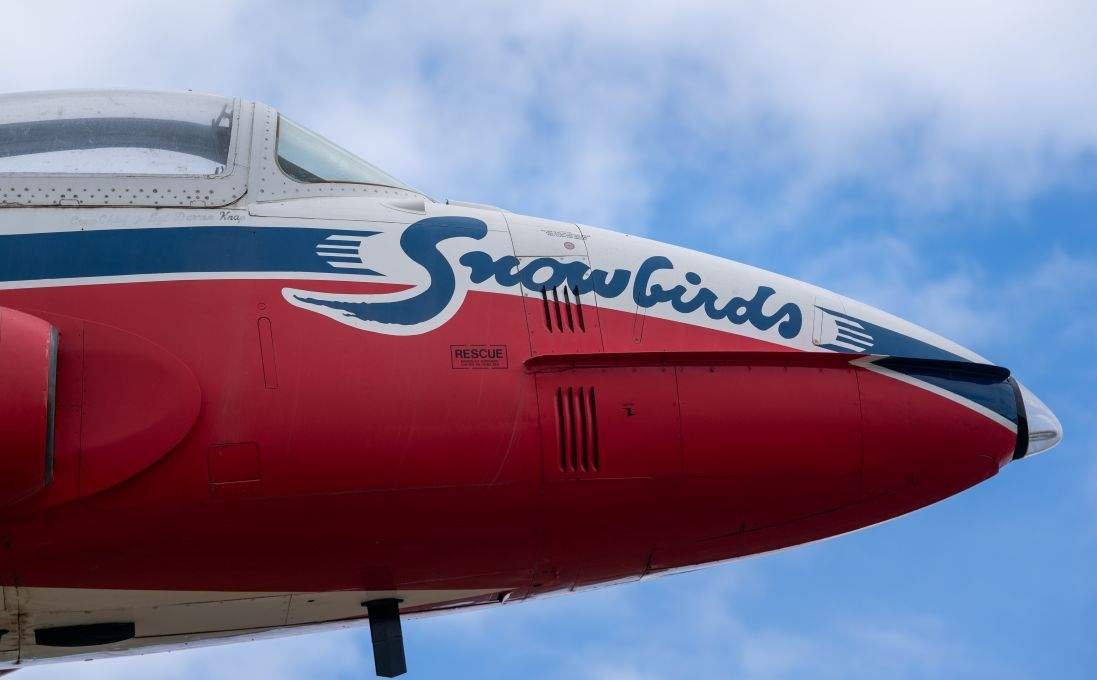
Lt.-Col. Paquet has spoken at length about the unique challenges of leading the team through this historic period. He highlighted the dedication of the pilots and ground crew who continue to train rigorously despite the uncertain timeline. The commanding officer stressed that every performance this season carries extra significance as the final chapter with the Tutors. Team members have expressed a mix of nostalgia and excitement about the upcoming aircraft.
The Snowbirds' operations involve meticulous planning and coordination that extend far beyond the cockpit. Support staff play a critical role in ensuring each show runs flawlessly. Paquet noted that the Moose Jaw base provides an ideal environment for this level of preparation. Community support has been instrumental in sustaining morale during the transition announcement.
Leadership within the squadron also focuses on preserving institutional knowledge as experienced personnel prepare for the new fleet. Mentorship programs are being strengthened to pass along decades of Tutor-specific expertise. This approach ensures continuity even as technology evolves. Paquet remains confident that the Snowbirds will emerge stronger from this period of change.
Voices from Former Snowbirds and Officials
The legacy of the Snowbirds is what they provide to the country as an inspiration and pride, said Dempsey, who described the squad as unifiers. Nobody flies the Canadian flag better than the Snowbirds or, most importantly, to as many locations as the Snowbirds. And if we lose the Snowbirds, we lose the capacity to influence young boys and girls at a young age. Dempsey's extensive experience lends weight to his concerns about any prolonged grounding. He advocates for exploring all options to keep the current jets operational longer.
Blager added he'd heard rumblings in the community before the May announcement. To have the final thing come down as quickly as it did, it was a shock. There was some discussion that precipitated the actual announcement with McGuinty having his feet on the ground and making it official, but there was speculation that this would happen. People were thinking it was misinformation, but sure enough, it proved to be true. And this will have an impact on the community. Local leaders continue to engage with federal officials to advocate for minimal disruption.
Former team members have shared personal stories of how their time with the Snowbirds shaped their careers and perspectives. Many credit the experience with instilling discipline, teamwork, and a deep sense of national identity. These anecdotes illustrate the broader cultural significance of the aerial demonstration team beyond mere entertainment.
Community Impact and Public Sentiment
Melissa Maclean, a Moose Jaw resident and member of the Keep Them Flying movement, said the announcement came out and it was a little shocking for us here in Moose Jaw. Her grandfather was also a pilot at the base at 15 Wing Moose Jaw. Keep Them Flying is a campaign created by locals to keep the Snowbirds flying during the transition period between aircraft. The group is calling on concerned citizens to send a postcard or email to Prime Minister Mark Carney. Maclean said the original plan was to distribute the postcards in the community, but as the word spread, more Canadians wanted to help. More than 25,000 postcards have been distributed so far, she said.
Seeing the Snowbirds up above evokes feelings of national pride, Blager said. I don't think I know anybody, whether that's in private or military aviation, in Canada that the Snowbirds weren't some kind of influence, he said, describing the performers as very important and inspirational for Moose Jaw residents. I have absolute faith that they will come back, but most people around here don't. There's a lot of skepticism. The economic ripple effects of a performance pause are already being felt by local tourism operators.
It's just one of those things. When people see the Snowbirds, they think Canada. And across Canada that's always been the way it is, Maclean said, comparing the Royal Canadian Air Force performers to other iconic Canadian symbols including maple syrup, beavers and poutine. Whether it's an airshow or it's a fly-past, when people look up, they see them. They're easily recognizable. Not just in Canada, but around the world, and there's an attachment to that. People get excited when they see the Snowbirds.
Looking Ahead: Hopes for the Snowbirds' Future
Tickets for the Tutor jets' final hometown show in Moose Jaw sold out within minutes. The Snowbirds will complete their scheduled performances this summer before the aircraft are officially grounded. Organisers expect record attendance as families gather to witness history. Preparations for the event include special commemorative merchandise and community gatherings.
The Keep Them Flying campaign continues to gain momentum nationwide, with volunteers organising events to raise awareness. Advocates hope sustained public pressure will encourage a review of the grounding timeline. Federal officials have acknowledged the strong emotional connection Canadians feel toward the team.
As the Snowbirds prepare to bid farewell to the Tutor jets, the focus remains on honouring their storied past while embracing the promise of new technology. The team's return in the early 2030s with the Siskin II fleet is anticipated with cautious optimism. Moose Jaw will continue to serve as the spiritual home for this beloved Canadian institution.
The final performance represents not an ending but a bridge to the next chapter in the Snowbirds' remarkable journey. Community leaders, former members, and current personnel all share a commitment to preserving the team's inspirational role for future generations.
Tags: Snowbirds, Moose Jaw, Tutor jets, CT-114, aerial display team, Canadian Forces, aviation transition, Siskin II
By Alex Thompson, Staff Writer
This article was produced with AI-assisted research and editorial support. Reporting is based on sources cited in the article.
What's Your Reaction?
 Like
0
Like
0
 Dislike
0
Dislike
0
 Love
0
Love
0
 Funny
0
Funny
0
 Wow
0
Wow
0
 Sad
0
Sad
0
 Angry
0
Angry
0

Canada Correspondent at Global1.News. Based in Toronto, covering Canadian politics, energy, trade, and US-Canada relations. Provides the Canadian perspective on North American and global affairs.















Comments (0)