
Displaced Taiz Women Confront Harassment in al-Safia Camps
Displaced Women from Taiz Confront Harassment in Rural al-Safia Camps In the makeshift camps of al-Safia, 65 kilometres from Taiz, women who once enjoyed middle-class freedoms now face daily restrictions that strip away their independence. A year after fleeing advancing Houthi forces, families like that of Afnan al-Soroori live in a school building where simple tasks stretch fr
Displaced Women from Taiz Confront Harassment in Rural al-Safia Camps
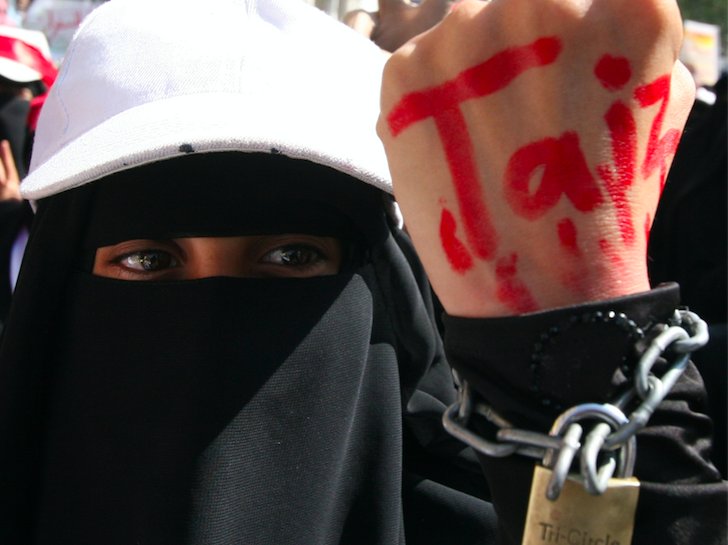
In the makeshift camps of al-Safia, 65 kilometres from Taiz, women who once enjoyed middle-class freedoms now face daily restrictions that strip away their independence. A year after fleeing advancing Houthi forces, families like that of Afnan al-Soroori live in a school building where simple tasks stretch from dawn until after dusk. The conflict that forced their displacement has layered new hardships onto existing gender inequalities, turning routine movement into a source of fear and confinement.
The Background of Displacement from Taiz
Taiz, Yemen's third-largest city, represented a relatively liberal environment for many families before the Houthi advance reached its outskirts. Women such as Afnan al-Soroori, 22, attended Taiz University, socialised with female classmates, and managed household duties with electric appliances that eased daily burdens. As the eldest of five siblings, Soroori balanced studies and family responsibilities without the grinding physical labour that now defines her life.
When Houthi rebels closed in, the family abandoned their possessions and sought shelter in the al-Safia area. The father has been unable to secure work, leaving the household dependent on limited resources. Cooking now requires a makeshift oven of two stones beside firewood, while laundry involves hand-washing in a courtyard bowl that has hardened the women's skin. This abrupt shift from urban comfort to rural scarcity illustrates how Yemen's war disrupts not only physical safety but also the social and economic structures that once supported women's autonomy.
The displacement has severed ties to familiar networks and exposed city women to rural customs that view their clothing and behaviour as provocative. Without the ability to return to Taiz, these families remain trapped between the violence they fled and the hostility they now encounter.
Afnan al-Soroori's Testimony on Lost Independence
Afnan al-Soroori describes the loss of freedom as the most painful adjustment. In her own words, "I'm finding it hard to adapt to domestic work without electric appliances, but the worst thing is that I cannot leave the camp. If I try to leave, I will find several youths waiting to harass me." She explains that stepping outside the gates, especially in the afternoon, invites shouted abuse and obscene gestures that force her back inside. "If you leave the camp, especially in the afternoon, you will hear bad words and see obscene gestures. Once this happens, it forces you to stay in the camp and not leave again."
Soroori's city attire, including fitted abayas that leave the face exposed, marks her as an outsider in the more conservative countryside where women cover their faces entirely. Her father appealed to local tribal elders and religious leaders at village mosques, yet the response targeted the women's "fashionable clothes and loud voices" rather than addressing the harassment. Soroori notes that city families reject this interpretation of Islam and Yemeni culture, but they lack power in the area. "This is not our area, so we have no choice but to be confined by the cultural norms of the rural areas. No one can help us here, so I have decided to stay in the camp at all times. I know there is a beautiful bit of green land outside, but I cannot go out to enjoy it."
Her account reveals how conflict amplifies control over women's mobility, turning external threats into internal prison walls enforced by both fear and community pressure.
Mariam Abdul-Qader's Account of Persistent Hostility
Mariam Abdul-Qader, 23, shares the same camp and has attempted to blend in by adopting rural dress. Even so, local youths identify her by her sandals and manner of walking. She states, "I tried to wear the same dress as the women in the al-Safia area, but the awful young men seem to recognise us just from the way we walk and even from the sandals we wear as I do not have the plastic shoes worn by the women here." Groups of women sometimes venture out together for safety, yet name-calling and aggressive advances continue.
Abdul-Qader expresses deep resentment toward the war that uprooted her life. "I hate this atrocious war that drove us away from our houses and forced us to accept life among these savage people who don't appreciate our suffering." Her testimony highlights the emotional toll of displacement, where efforts to adapt fail against entrenched suspicion. The recognition based on subtle differences in footwear or gait demonstrates how identity markers become targets in divided communities.
These experiences compound the physical exhaustion of camp life with psychological isolation, leaving women like Abdul-Qader mourning both their lost homes and their curtailed sense of self.
Responses from Local Community Leaders and Displaced Families
Local sheikh Mohammed Gobah acknowledges that sexual harassment has become a daily occurrence since the arrival of displaced families, yet he attributes the problem to the "immodesty" of city women. He notes that such incidents were previously unknown in the area. This perspective aligns with broader community frustration that newcomers disrupt long-standing rural customs governing dress, movement, and social interaction.
Displaced men, including Soroori's father, sought intervention through mosques and tribal structures, only to face criticism directed at the women themselves. City families view this reaction as a skewed application of cultural norms, while rural residents see the newcomers' behaviour as a threat to established order. The resulting standoff leaves women confined, with appeals for respect met by demands for conformity rather than protection.
Such dynamics expose fractures within Yemeni society, where shared national identity fractures along urban-rural and class lines under the strain of war-induced migration.
Gender Dynamics and the Compounding Effects of Conflict
Yemen's war intensifies pre-existing gender inequalities by removing the protective buffers of urban life and economic stability. Women who previously balanced education, socialising, and lighter domestic tasks now perform labour-intensive chores under constant surveillance. The harassment they face reflects both wartime displacement and rigid interpretations of modesty that shift blame onto victims rather than perpetrators.
Conflict disrupts traditional support systems, leaving displaced women without recourse to authorities or community allies who might otherwise mediate disputes. Rural elders and religious figures, instead of safeguarding newcomers, reinforce boundaries that limit women's agency. This pattern reveals how war entrenches patriarchal controls, transforming temporary refuge into long-term restriction.
The testimonies illustrate a broader human rights concern: displacement does not merely relocate people but recalibrates power relations, often at the expense of the most vulnerable. Women's voices, once part of university communities and family decision-making, are now silenced by external threats and internal expectations.
The Wider Context of Yemen's War and Its Human Impact
Yemen's ongoing conflict, driven by Houthi territorial gains and competing factions, has produced waves of internal displacement that strain host communities. Families from Taiz carry urban habits into rural settings where resources are scarce and customs differ sharply. The resulting tensions manifest in everyday interactions, from clothing choices to public movement, turning survival into a negotiation of identity.
Broader patterns show how armed conflict deepens gender disparities across the region. Women lose access to education, employment, and social networks while bearing increased domestic burdens. In al-Safia, the absence of intervention from local leaders perpetuates cycles of harassment that undermine dignity and mental well-being. These conditions echo across Yemen, where millions navigate similar intersections of violence, scarcity, and cultural friction.
The situation in the camps underscores the need for responses that address both immediate safety and the structural inequalities war exploits.
What This Reveals About Conflict and Gender Inequality
The experiences of women in al-Safia demonstrate how armed conflict compounds gender inequality by eroding autonomy and exposing women to new forms of control. Displacement removes the relative freedoms of city life, while host communities impose stricter norms that blame victims for harassment. Appeals for respect are redirected into demands for conformity, leaving women confined and isolated.
This pattern highlights the human cost of Yemen's war beyond battlefield casualties. It reveals a society where women's mobility and expression become battlegrounds for cultural preservation amid crisis. Without targeted protection and dialogue that bridges urban-rural divides, such conditions risk normalising restrictions that outlast the conflict itself.
By Fatima Al-Rashid, Staff Writer
This article was produced with AI-assisted research and editorial support. Reporting is based on sources cited in the article.
What's Your Reaction?
 Like
0
Like
0
 Dislike
0
Dislike
0
 Love
0
Love
0
 Funny
0
Funny
0
 Wow
0
Wow
0
 Sad
0
Sad
0
 Angry
0
Angry
0

Middle East Correspondent at Global1.News. Based in Beirut, covering politics, conflict, energy, and society across the Middle East. Brings context and depth to a region often reduced to headlines.













Comments (0)