
Lebanon Christians Reject Netanyahu Annexation Claim
In a recent Middle East Eye report, Israeli Prime Minister Benjamin Netanyahu claimed that some southern Lebanese Christian villages had asked to be annexed to Israel — a statement Lebanese Christian leaders, mayors, and analysts have roundly rejected. The claim, made on Fox News on July 5, 2026, arrived as Israeli forces continue to occupy approximately six percent of Lebanese
In a recent Middle East Eye report, Israeli Prime Minister Benjamin Netanyahu claimed that some southern Lebanese Christian villages had asked to be annexed to Israel — a statement Lebanese Christian leaders, mayors, and analysts have roundly rejected. The claim, made on Fox News on July 5, 2026, arrived as Israeli forces continue to occupy approximately six percent of Lebanese territory and as documented attacks on Christian villages have mounted.
Netanyahu's Christian Annexation Claim Rejected: Lebanese Leaders and Analysts Denounce 'Pathological Lie'
Beirut, Lebanon – July 10, 2026 —
Netanyahu's Claims and Their Context
In a recent Middle East Eye report examining whether Lebanon's Christians are Israel's friends, Israeli Prime Minister Benjamin Netanyahu told Fox News on July 5, 2026, that some southern Lebanese Christian villages had requested annexation by Israel. He stated that Israel protects these communities against Hezbollah fighters who seek to harm them. The claim emerged amid ongoing Israeli military operations in southern Lebanon that have displaced more than 1.2 million people and left civilian infrastructure damaged across multiple municipalities.
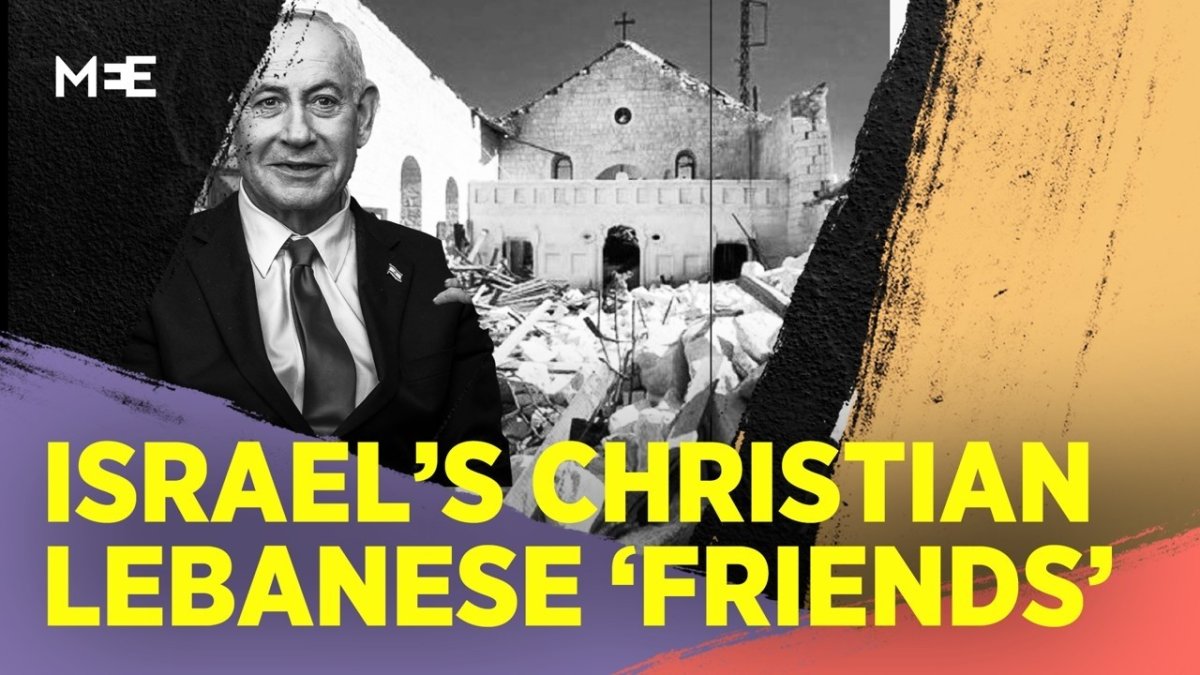
Netanyahu's remarks on the Fox News program The Sunday Briefing framed the alleged requests as a protective measure. However, the assertion arrived against the backdrop of Israel's continued occupation of approximately 6 percent of Lebanese territory, in violation of the Lebanon-Israel framework agreement. The Middle East Eye analysis highlighted how such statements overlook repeated Israeli strikes on the very Christian communities Netanyahu referenced.
Lebanese Christian Communities Reject the Claims
Lebanese Christian villages issued statements on July 6 and 7, 2026, directly refuting Netanyahu's assertions. Hanna al-Amil, mayor of the majority Christian municipality of Rmeish on the Israel-Lebanon border, told L'Orient-Le Jour that no village in the south had made any request for annexation. He emphasized that residents remain committed to the Lebanese state and intend to stay Lebanese.
Greek Orthodox MP Melhem Khalaf from Beirut stated that Netanyahu lacks the authority to speak on behalf of Lebanese Christians. Professor Karim Emile Bitar of Saint Joseph University of Beirut described the claims to Al Jazeera as reflecting cynicism and a pattern of falsehoods. These responses from local leaders and analysts underscored a unified rejection across Christian communities along the border.
Israel's Military Actions Against Christian Villages
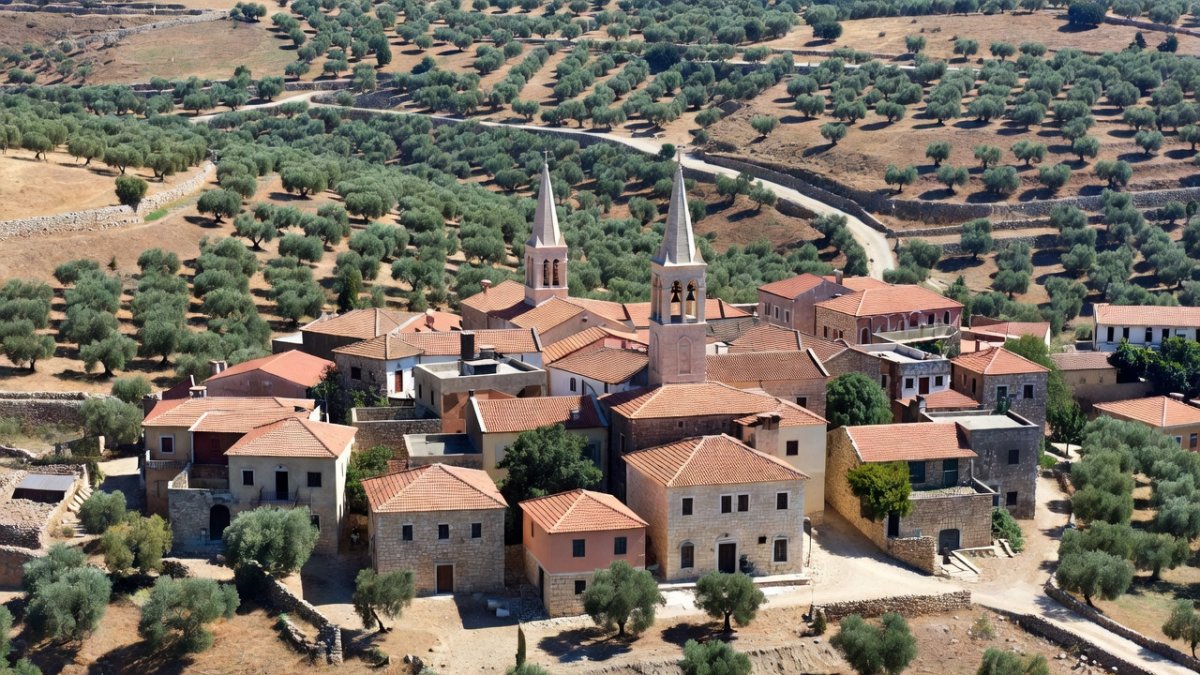
Israeli forces have conducted operations that directly affected Christian villages in southern Lebanon. ACLED documented property destruction in Rachaya al-Fakhar, Debel, and Aalma Ech Chaab municipalities, where civilian homes and infrastructure sustained damage. In Debel, vandalism included the defacement of a Jesus Christ statue, an incident that drew international attention.
A March 2026 episode saw an Israeli priest killed by tank fire in south Lebanon. The following month, an Israeli soldier smashed a Jesus statue in another southern location, prompting widespread condemnation. These events occurred even as Christian residents faced the same displacement pressures affecting over 1.2 million Lebanese, with many families forced from their homes due to the escalation of attacks.
A Decades-Old Strategy of Division
Professor Karim Emile Bitar explained to Al Jazeera that Netanyahu's statements appear designed to sow civil strife within Lebanon. He characterized the approach as a longstanding divide-and-conquer tactic employed by Israel over decades. Such efforts aim to exploit religious differences rather than address the root causes of conflict along the border.
ACLED researcher Nasser Khdour noted that Christian villages have borne the brunt of the recent war, with civilians killed and property damaged. A June 2026 poll conducted by Lebanese American University professor Jad Melki found that 87 percent of Lebanese view Israel as an enemy, while 54 percent support diplomacy as the sole path to liberation. These figures illustrate limited receptivity to external narratives that seek to fracture national cohesion.
Implications for Lebanese Unity and Regional Stability
The rejection of annexation claims by Christian leaders reinforces Lebanon's internal resolve to maintain sovereignty. Residents in border areas such as Rmeish continue to affirm their Lebanese identity despite external pressures and military incursions. This stance aligns with broader regional patterns where communities resist attempts to redraw borders through occupation or division.
Human rights concerns extend beyond Lebanon to parallel experiences of displacement and loss under prolonged military presence. The destruction recorded in Christian municipalities and the targeting of religious symbols highlight the human cost borne by civilians regardless of faith. Lebanese responses, from mayoral statements to parliamentary voices, demonstrate a collective emphasis on unity over fragmentation.
Continued occupation of Lebanese land and the displacement of more than 1.2 million people sustain instability that affects daily life, local economies, and cross-community relations. Analysts such as Bitar point to the strategic intent behind such claims, yet local refutations suggest these tactics have not succeeded in altering allegiances. The situation underscores the need for diplomatic pathways that respect Lebanese territorial integrity and address the lived realities of those living near the border.
By Fatima Al-Rashid, Staff WriterThis article was produced with AI-assisted research and editorial support. Reporting is based on sources cited in the article.
What's Your Reaction?
 Like
0
Like
0
 Dislike
0
Dislike
0
 Love
0
Love
0
 Funny
0
Funny
0
 Wow
0
Wow
0
 Sad
0
Sad
0
 Angry
0
Angry
0

Gulf/MENA Correspondent at Global1.News. Based in Doha, covering Gulf politics, energy markets, diplomacy, and development across the Middle East and North Africa. Tracks the economic transformation of the Gulf states.














Comments (0)