
Russia Fuel Crisis: Six Regions Impose Odd-Even Rationing
The Onset of Rationing in Oryol Region The central Oryol region became the first area to implement the license plate-based rationing scheme last month as authorities sought to manage growing demand at fuel stations. Under the system drivers with license plates starting with an odd digit may purchase gasoline only on odd-numbered days while those with even digits including zero
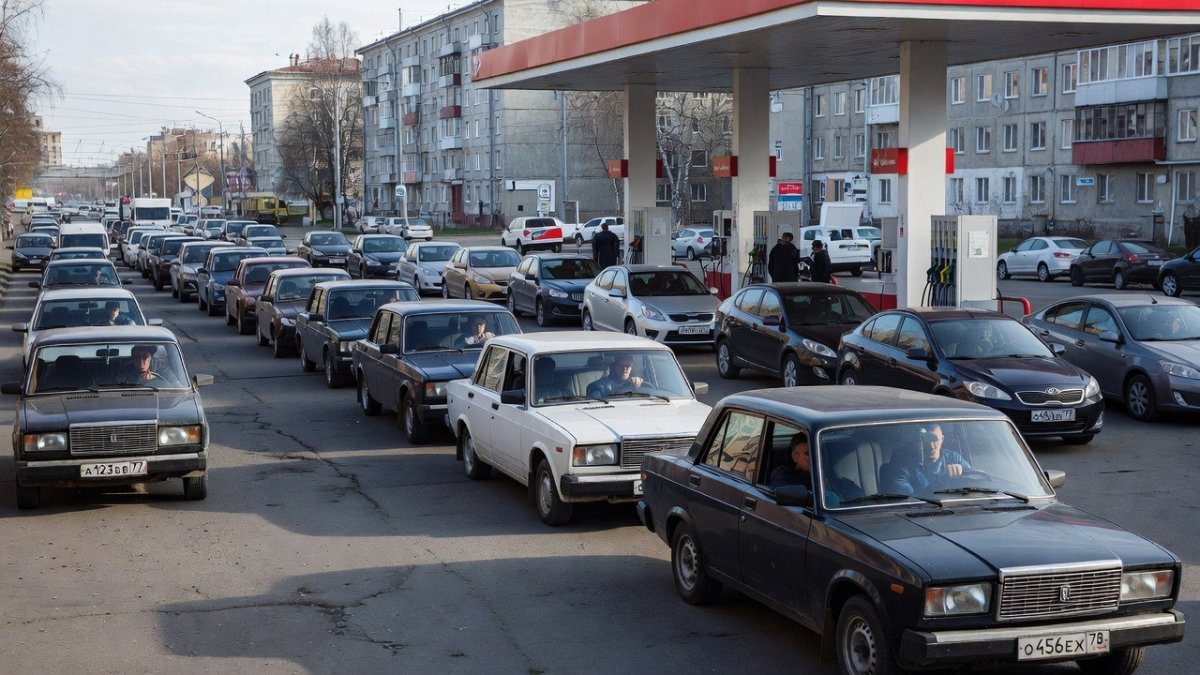
The Onset of Rationing in Oryol Region
The central Oryol region became the first area to implement the license plate-based rationing scheme last month as authorities sought to manage growing demand at fuel stations. Under the system drivers with license plates starting with an odd digit may purchase gasoline only on odd-numbered days while those with even digits including zero are limited to even-numbered days. This approach draws on historical precedents from Soviet-era fuel distribution challenges when centralized planning often led to similar allocation methods amid supply disruptions. Local officials coordinated with regional transport departments to enforce the rules at stations where queues had lengthened considerably in recent weeks.
Motorists in Oryol have reported extended waiting times that disrupt daily commutes and commercial deliveries across the region. The measure reflects broader strains on post-Soviet energy infrastructure that continues to rely on aging pipelines and refineries vulnerable to external pressures. Russia's Energy Ministry has been monitoring consumption patterns in Oryol to assess whether the odd-even framework can stabilize local markets without broader intervention. Western observers note that such localized controls highlight the uneven reach of federal energy policies during periods of heightened tension.
Residents have adapted by planning refueling trips around their plate numbers yet many express frustration over the added logistical burden. The scheme aims to prevent hoarding and ensure equitable access during the current crunch. Analysts suggest the Oryol model could serve as a template if shortages persist in other agricultural and industrial heartlands. This development underscores the Kremlin's ongoing efforts to maintain domestic stability amid external military actions.
Expansion of Restrictions to Additional Regions
On Thursday the Nizhny Novgorod region along with the republic of Mordovia and the city of Astrakhan introduced identical odd-even purchase rules following the Oryol precedent. These areas joined the system as lines at gas stations continued to grow and supplies tightened in central and southern districts. Local administrations coordinated with fuel distributors to post clear signage and train staff on verification procedures tied to license plate digits. The rapid rollout illustrates how regional governors are responding independently while aligning with national directives from Moscow.
The Pskov region adopted the restrictions on Friday with Lipetsk and Kirov regions implementing them on Saturday according to reports compiled by the exiled outlet Meduza. Each new area has cited similar pressures from reduced refinery output and increased seasonal demand for agricultural and transport needs. Russia's Defense Ministry has not directly commented on the fuel measures yet the pattern of regional adoption points to coordinated federal awareness of the spreading crisis. EU analysts have tracked these developments as indicators of how Ukrainian operations are affecting everyday Russian logistics.
Reports indicate that Ivanovo Tambov and Yaroslavl regions are actively considering comparable rules in the coming days. This cascade of measures reveals the decentralized nature of crisis management within Russia's federal structure where local authorities fill gaps left by central planning. Post-Soviet energy networks remain susceptible to concentrated disruptions that amplify across connected regions. The expansion demonstrates the practical limits of relying solely on export bans without addressing underlying production shortfalls.
Impact of Ukrainian Drone Strikes on Refineries
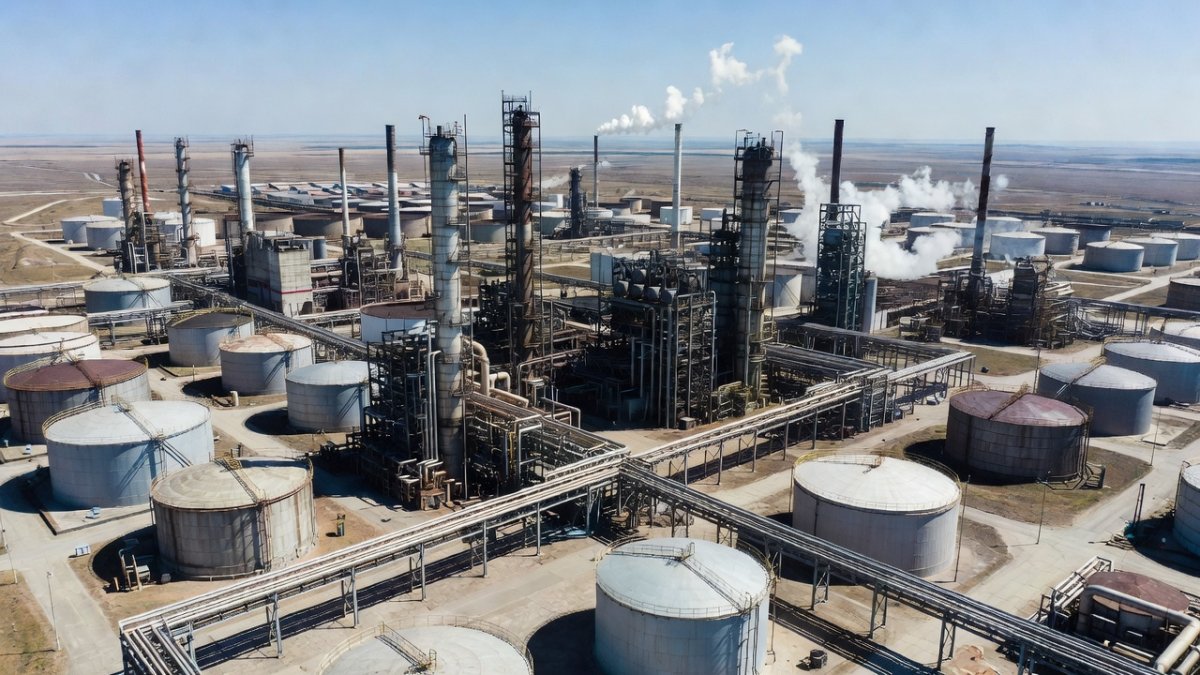
Since the spring Ukraine has directed drone operations against multiple Russian oil refineries in an effort to raise the operational costs of the full-scale invasion and affect domestic fuel availability. These strikes have led to halted or reduced production at facilities responsible for a substantial portion of the country's gasoline supply. The resulting shortages have spread from affected regions into neighboring districts creating ripple effects through the national distribution network. Ukraine's approach seeks to demonstrate that energy infrastructure supporting military logistics can face sustained pressure.
Western analysts emphasize that the targeted facilities form critical nodes in Russia's post-Soviet refining system which has undergone limited modernization since the 1990s. Disruptions at these sites have forced temporary shutdowns and maintenance delays that compound existing vulnerabilities in pipeline and storage capacity. The Defense Ministry in Kyiv has framed the operations as legitimate responses to Russian aggression without providing further operational specifics. European Union officials have monitored the fuel situation as part of broader assessments of sanctions effectiveness and energy security.
The cumulative effect has elevated prices at the pump and prompted emergency measures across several oblasts. Industry observers note that the concentration of refining capacity in a limited number of locations makes the system particularly exposed to repeated strikes. This situation echoes earlier Soviet-era crises when centralized production proved brittle under external strain. Continued pressure on these assets could influence longer-term Kremlin calculations regarding resource allocation.
Kremlin Responses and Official Statements
In June President Vladimir Putin acknowledged that Russia faces a certain shortage of fuel linked to the Ukrainian attacks on refining capacity. This statement marked one of the more direct admissions from the Kremlin regarding domestic consequences of the conflict. The Energy Ministry has since coordinated with regional authorities to track inventory levels and prioritize essential services such as agriculture and emergency transport. Central Bank officials have watched for secondary effects on inflation stemming from higher fuel costs.
Russia has enacted temporary export bans covering diesel gasoline and jet fuel to retain supplies for the domestic market. These prohibitions aim to prevent further outflows while refineries undergo repairs and alternative sources are secured. Imports of gasoline have begun arriving from Belarus and India as supplementary measures to ease immediate shortfalls. The Defense Ministry continues to oversee protection protocols around key energy sites though details remain limited in official releases.
These policy steps reflect internal power dynamics where economic ministries balance security priorities with the need to sustain public confidence. Kremlin spokespersons have attributed the measures to external aggression rather than systemic weaknesses in infrastructure planning. EU perspectives highlight how such responses may strain Russia's fiscal resources over time. The combination of bans and imports represents a pragmatic yet reactive strategy to contain the crisis.
Outlook for Supply Recovery and Persistent Risks
Industry sources cited by Reuters anticipate that supply issues in the domestic fuel market may ease later in July once refineries return to fuller operation and import volumes rise. This projection assumes no major new interruptions to production schedules or distribution chains. Russia's Energy Ministry is reportedly overseeing maintenance timelines to accelerate the rebound in output. Western analysts caution that these timelines remain subject to operational variables beyond official control.
Further Ukrainian strikes on energy infrastructure could intensify existing problems and delay any recovery. The pattern of attacks has already demonstrated the capacity to affect multiple sites simultaneously creating overlapping repair demands. Analysts suggest that sustained pressure might force additional regional rationing schemes beyond the current six areas. EU monitoring groups continue to assess how these developments intersect with broader sanctions regimes.
Historical parallels from post-Soviet transitions show that fuel shortages can linger when infrastructure faces repeated stress without comprehensive upgrades. The Kremlin must navigate these risks while maintaining export discipline and import logistics. Persistent vulnerabilities in the refining sector could shape future policy debates within federal agencies. Recovery therefore hinges on both technical restoration and the absence of escalated disruptions.
Economic and Social Consequences
Daily life for Russian motorists has grown more complicated as families and businesses adjust schedules around the odd-even rules now active in multiple regions. Commercial drivers face particular challenges in maintaining delivery timelines for goods and agricultural products. Rising prices at stations add to household expenses during a period when inflation concerns already occupy the Central Bank. These pressures compound existing strains on regional economies dependent on affordable fuel.
Social tensions have surfaced in queues where disputes over compliance with plate-based restrictions occasionally arise. Local governments have deployed additional personnel to maintain order at high-traffic stations. Ukraine views these domestic hardships as a direct consequence of its strategy to impose costs on the invading force. European observers note that visible fuel lines may influence public sentiment toward the conflict in ways that affect long-term stability.
The broader economic ripple extends to sectors such as construction and logistics that rely on consistent diesel supplies. Post-Soviet infrastructure limitations mean that alternative routing options remain constrained in many areas. Analysts suggest the current measures could foreshadow wider austerity if shortages deepen. Social adaptation thus becomes a key variable in assessing the crisis duration.
Analysis and Implications
The spread of odd-even rationing across six regions signals deeper challenges within Russia's energy governance that extend beyond immediate strike responses. Analysts suggest this could indicate a testing phase for federal authority as regional leaders implement tailored solutions. Ukraine's continued focus on refineries aligns with efforts to alter the cost-benefit calculation of prolonged military engagement. Western analysts interpret the developments as evidence that energy vulnerabilities may influence future negotiation postures.
Kremlin power dynamics reveal tensions between security imperatives and economic continuity with ministries balancing competing demands. The involvement of the Energy Ministry and Central Bank in monitoring effects underscores the cross-cutting nature of the crisis. EU perspectives emphasize potential opportunities for diplomatic leverage through sustained support for Ukrainian operations. These elements together point to a fluid situation where domestic fuel policy intersects with geopolitical strategy.
Longer-term implications may include accelerated investment in decentralized energy storage or alternative supply routes though such shifts require time and resources. The current episode echoes Soviet-era precedents where fuel allocation became a tool of state control during scarcity. Analysts suggest the outcome will depend on the interplay between refinery repairs import reliability and the trajectory of strikes. This evolving landscape warrants continued scrutiny from international observers.
By Irina Volkov, Staff WriterThis article was produced with AI-assisted research and editorial support. Reporting is based on sources cited in the article.
What's Your Reaction?
 Like
0
Like
0
 Dislike
0
Dislike
0
 Love
0
Love
0
 Funny
0
Funny
0
 Wow
0
Wow
0
 Sad
0
Sad
0
 Angry
0
Angry
0
Russia/Eastern Europe Correspondent at Global1.News. Covering Russian politics, energy, security, and the shifting dynamics of the post-Soviet space. Provides clear-eyed analysis on one of the world's most opaque regions.










Comments (0)