
Gulf of Paria Oil Spill: Venezuela Demands Compensation as Trinidad Disputes Scale
Gulf of Paria widens as Trinidad pours oil on troubled Venezuelan waters The Incident Unfolds The Gulf of Paria has long been a shared lifeline for communities on both sides of the border, where fishing families from Trinidad and Tobago and Venezuela have drawn their living from the same waters for generations. On 1 May a spill occurred that Caracas now links to Trinidadian wat
The Incident Unfolds
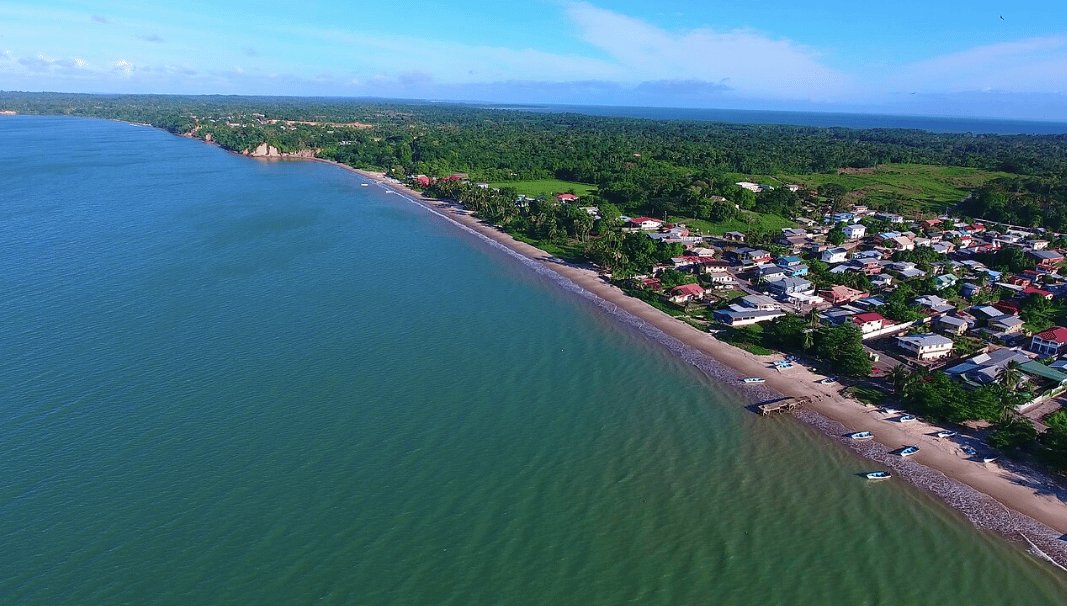
The Gulf of Paria has long been a shared lifeline for communities on both sides of the border, where fishing families from Trinidad and Tobago and Venezuela have drawn their living from the same waters for generations. On 1 May a spill occurred that Caracas now links to Trinidadian waters, prompting a formal demand for information and compensation. Port of Spain maintains the event was limited to a ten-barrel release that was contained without delay, describing it as minor in scale.
Venezuela's Formal Demand
Caracas has written to the Government of Trinidad and Tobago seeking details of the spill and calling for compensation over what it describes as a threat to the shared ecosystem of the Gulf. The Venezuelan position highlights risks to marine life and coastal habitats that both nations rely upon. While the exact volume and origin remain disputed, the request itself signals heightened sensitivity around any pollution entering these waters.
Trinidad and Tobago's Stance
Officials in Port of Spain have rejected the suggestion that the spill originated in Trinidadian territory or that it poses a significant ongoing hazard. They point instead to a swift response that limited the release to roughly ten barrels and prevented wider dispersal. The Ministry of Energy and the relevant environmental agencies have reiterated that the matter was handled according to established protocols, though further clarification may still be shared through diplomatic channels.
Shared Waters, Shared Concerns
The Gulf of Paria sits at the heart of regional energy activity, with exploration blocks and production facilities operated by companies from both countries. Any incident here carries implications for the wider Caribbean, where small island developing states already face pressure from climate change, rising sea levels and the cost of living. Fishing communities in south-west Trinidad, as well as those along Venezuela's eastern coast, watch such events closely because their livelihoods depend on healthy stocks of fish and shellfish.
Energy Ties and Regional Cooperation
Trinidad and Tobago's energy sector, built around Atlantic LNG and the legacy of Petrotrin, has long maintained technical links with Venezuelan counterparts. Cross-border fields and joint environmental monitoring have been discussed within CARICOM frameworks, yet practical cooperation can be complicated by political and logistical realities. The current exchange over the May spill occurs against this backdrop of mutual dependence on the same hydrocarbon resources and the same marine environment.
Impact on Local Communities
Families who work the waters of the Gulf know that even a contained spill can affect morale and market confidence. In Trinidad, vendors at fish markets from San Fernando to Point Fortin often feel the ripple effects when buyers grow wary. Similar pressures exist on the Venezuelan side, where communities already navigate difficult economic conditions. The episode therefore touches on everyday concerns about food security and household income in both nations.
Looking Ahead for the Gulf Communities
Diplomatic exchanges are expected to continue as both governments seek to clarify the facts and protect the shared marine space. For residents of the coastal villages that line the Gulf, the priority remains steady work, clean waters and the ability to pass on traditional fishing knowledge to the next generation. As the matter moves through official channels, the people who live by these waters will continue to follow developments with the quiet vigilance that comes from depending directly on the sea.
By Sharon Sahatoo, Staff WriterThis article was produced with AI-assisted research and editorial support. Reporting is based on sources cited in the article.
What's Your Reaction?
 Like
0
Like
0
 Dislike
0
Dislike
0
 Love
0
Love
0
 Funny
0
Funny
0
 Wow
0
Wow
0
 Sad
0
Sad
0
 Angry
0
Angry
0

Caribbean Correspondent at Global1.News. Based in Port of Spain, Trinidad, covering Caribbean politics, economy, energy, climate, and culture. Amplifying the voices and stories of the Caribbean region.











Comments (0)