
Liberals Pass 21 Bills as House Adjourns for Summer
The CBC News video on Power & Politics featuring Deputy Tory leader Melissa Lantsman examined the Liberal government's spring sitting results after the House of Commons adjourned on Thursday June 18 2026. Lantsman addressed the passage of 21 government bills during the 14-week period and the shift to a Liberal majority under Prime Minister Mark Carney. The discussion also cover
The CBC News video on Power & Politics featuring Deputy Tory leader Melissa Lantsman examined the Liberal government's spring sitting results after the House of Commons adjourned on Thursday June 18 2026. Lantsman addressed the passage of 21 government bills during the 14-week period and the shift to a Liberal majority under Prime Minister Mark Carney. The discussion also covered Conservative assessments of the session's output compared with the fall sitting.
House of Commons Adjourns for Summer Recess
The House of Commons adjourned on Thursday June 18 2026 marking the end of the spring sitting that lasted 14 weeks. Government House Leader Steven MacKinnon described the session as an achievement because 21 government bills received passage. The adjournment allows members of Parliament to return to their ridings across Canada including those in Ontario Quebec and British Columbia.
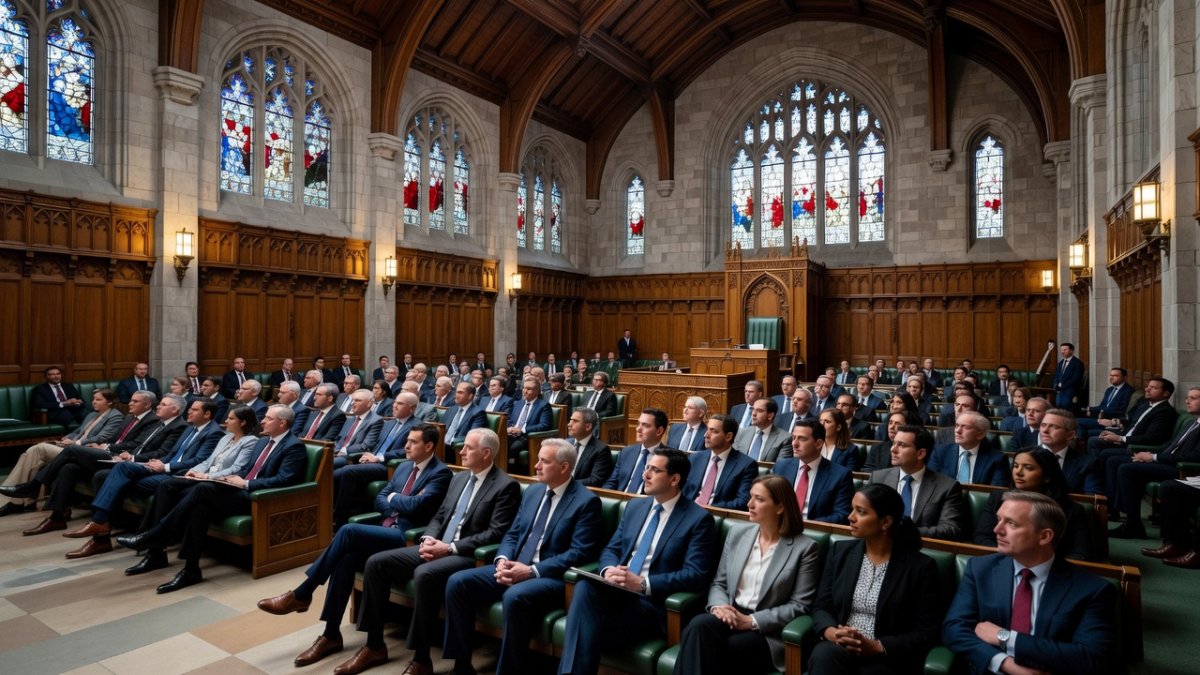
Some of the 21 bills cleared the House on the final day through unanimous consent procedures that became available after the Liberals secured their new majority. This procedural step accelerated final readings for measures such as bail reform and new hate crime offences. The summer break now shifts focus to the Senate where several bills await further review.
Key Legislation Passed During the Sitting
Among the 21 bills passed were measures introducing bail reform new hate crime offences legislation criminalising AI-generated sexual deepfakes and lawful access provisions for law enforcement. These bills address public safety priorities raised in Canadian communities from Toronto to Vancouver. Not all have completed the full legislative process because Senate consideration and royal assent remain pending for several items.
The spring sitting proved more productive than the fall sitting which recorded far fewer government bills passed into law. Steven MacKinnon credited the Liberal majority for enabling faster progress on the criminal justice file. The Pulse Panel on Power & Politics later analysed how these outcomes position the parties heading into the summer months.
Conservative Response to the Session Results
Conservative Deputy Leader Melissa Lantsman stated that the Liberals fell short despite the 21 bills passed. She pointed to unresolved major Liberal bills that will carry over into the summer break. Lantsman argued that the session did not deliver enough concrete results on issues affecting Canadian households in provinces such as Alberta and Saskatchewan.
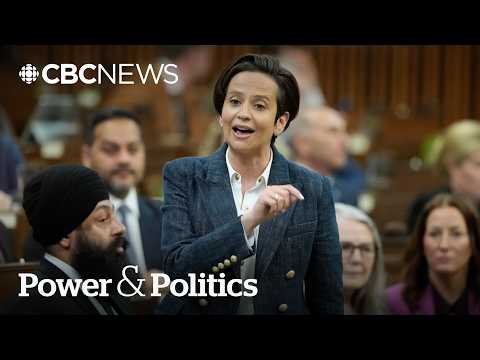
The Conservative critique focused on the timing of several bills that only advanced on the final day. Lantsman noted that the new Liberal majority allowed procedural shortcuts but left gaps in the overall legislative record. These comments aired during the Power & Politics segment that examined the spring sitting's mixed record.
Transition to Liberal Majority Under Prime Minister Carney
Former Bank of Canada Governor Mark Carney became Prime Minister earlier this year after Justin Trudeau stepped down. The change gave the Liberals a majority that altered House dynamics during the final weeks of the spring sitting. This majority enabled the unanimous consent votes that cleared multiple bills on June 18 2026.
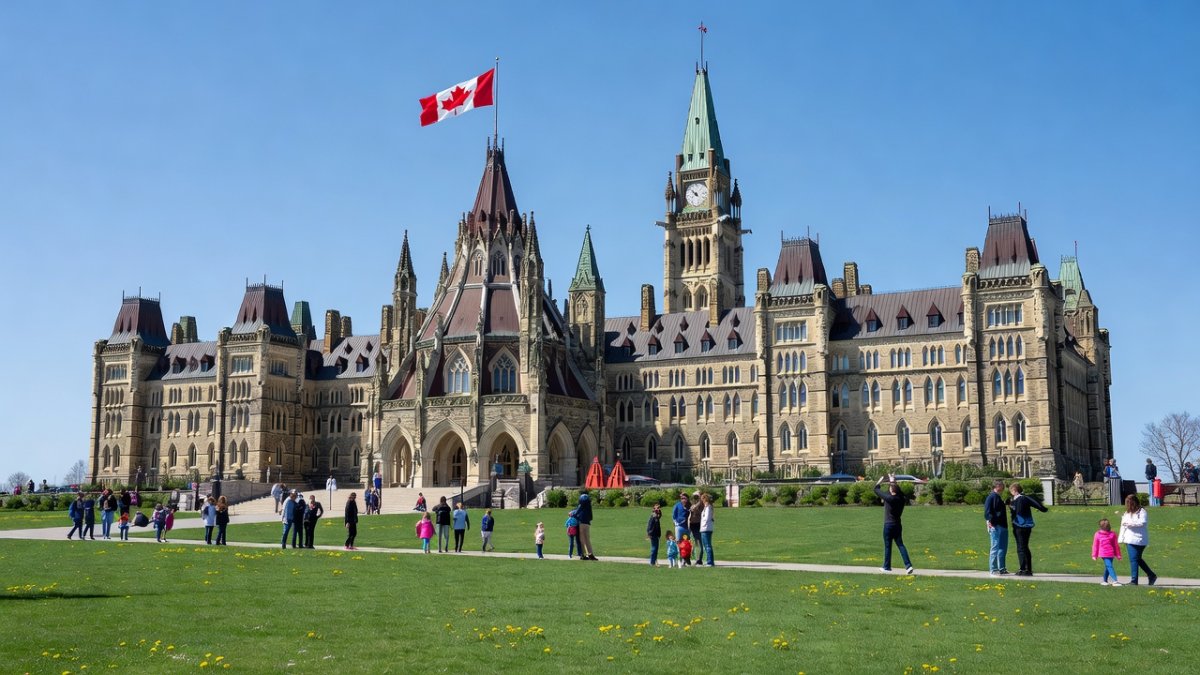
Carney's government organised the session around criminal justice reforms including the criminalisation of AI-generated sexual deepfakes. Canadian legal experts in Ottawa have noted that these changes will require coordination with provincial courts once royal assent occurs. The majority status also influenced negotiations with opposition parties on the remaining unresolved bills.
Senate Review and Outstanding Bills
Several of the 21 bills still require Senate examination before they can become law. The upper chamber will resume work after the summer recess and must address items such as the lawful access legislation. Royal assent for the full package is not expected until later in 2026.
Major Liberal bills on other policy areas remain unresolved and will return to the House agenda in the fall. The Pulse Panel on Power & Politics discussed how these delays could shape summer strategy for both the Liberals and Conservatives. Canadian voters in Atlantic Canada and the Prairies will watch for updates on these files during the break.
Political Outlook for Federal Parties This Summer
The Pulse Panel analysis on Power & Politics explored what the summer holds for the federal parties following the spring sitting. With 21 bills passed the Liberals under Mark Carney enter the recess with momentum on criminal justice files. Conservatives led by their deputy leader will use the period to highlight unfinished business.
Canadian political observers expect increased activity in ridings across the country as parties prepare for the next sitting. The contrast between the productive spring session and the slower fall sitting provides a benchmark for measuring future legislative output. Both parties will monitor Senate progress on the passed bills throughout the coming weeks.
By Alex Thompson, Staff Writer
This article was produced with AI-assisted research and editorial support. Reporting is based on sources cited in the article.
What's Your Reaction?
 Like
0
Like
0
 Dislike
0
Dislike
0
 Love
0
Love
0
 Funny
0
Funny
0
 Wow
0
Wow
0
 Sad
0
Sad
0
 Angry
0
Angry
0

Canada Correspondent at Global1.News. Based in Toronto, covering Canadian politics, energy, trade, and US-Canada relations. Provides the Canadian perspective on North American and global affairs.














Comments (0)