
Cuba Faces Third Nationwide Blackout Amid Fuel Shortages
Cuba Faces Third Nationwide Blackout Amid Fuel Shortages Cuba experienced its third nationwide power outage this year, leaving large parts of the island without electricity and prompting spontaneous protests in several locations. Residents in affected areas banged pots and set rubbish on fire to express frustration, even as officials reported that power had been mostly restored
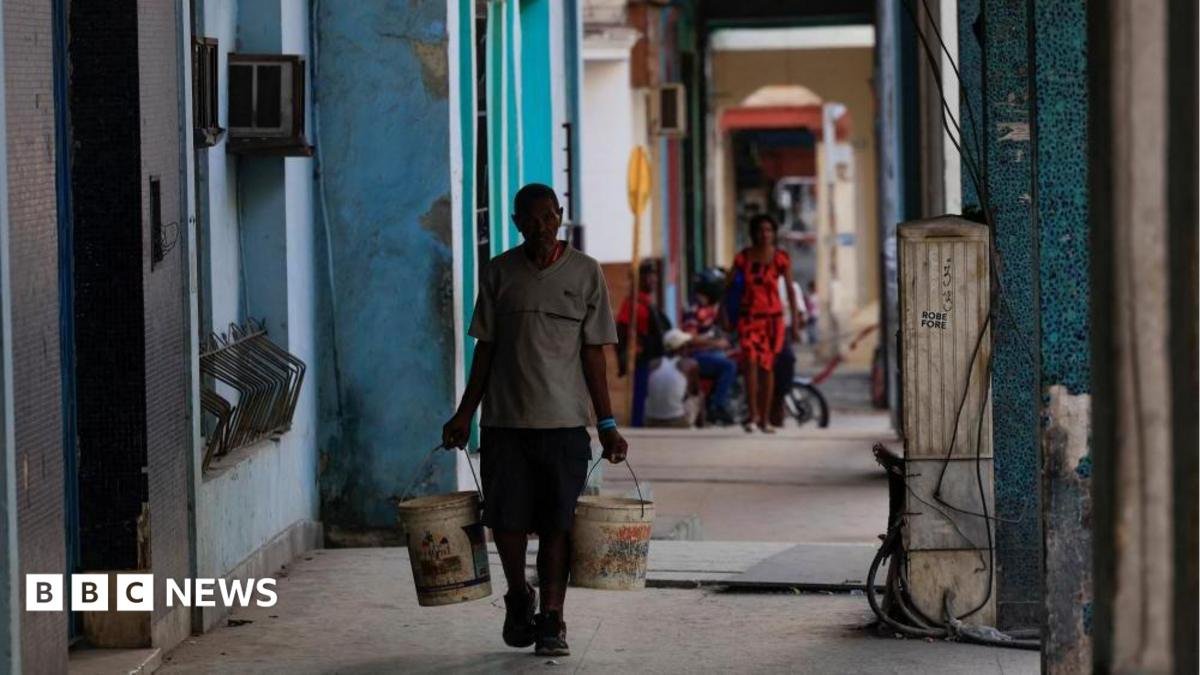
Cuba Faces Third Nationwide Blackout Amid Fuel Shortages
Cuba experienced its third nationwide power outage this year, leaving large parts of the island without electricity and prompting spontaneous protests in several locations. Residents in affected areas banged pots and set rubbish on fire to express frustration, even as officials reported that power had been mostly restored by Tuesday evening. The state electricity company provided no explanation for the unplanned incident that followed already scheduled rolling blackouts designed to conserve limited fuel supplies.
Rural communities have endured darkness for periods reaching 70 hours, while urban zones faced planned outages of up to 30 hours. Santiago de Cuba, the country's second-largest city, remained without power into Tuesday evening local time. These extended cuts compound existing shortages of transport, food and medicines, creating widespread daily hardship across the island.
Cuba: Residents struggle as nationwide blackouts continue. (Reuters)
Protests Highlight Public Discontent With Energy Failures
Public dissent remains heavily restricted in Cuba, yet spontaneous demonstrations emerged in the hardest-hit districts during the latest outage. Citizens shouted demands to restore electricity in areas still affected after the main grid issues were addressed. President Miguel Diaz-Canel acknowledged the resulting dissatisfaction, noting that lengthy power cuts lasting more than 20 hours leave nobody happy and cause the people to suffer.
These events underscore how repeated energy disruptions affect ordinary routines, from food preservation to medical access and mobility. The protests occurred despite the risk of severe penalties, reflecting the depth of frustration in communities left without reliable power for extended periods this year.
US Sanctions and Oil Blockade Intensify Fuel Crisis
Fuel shortages have worsened under tight US sanctions and an effective oil blockade that restricts shipments to the island. Even households and facilities equipped with generators often lack the diesel or other fuels needed to operate them during grid failures. The Trump administration has imposed additional sanctions since the start of the year and threatened tariffs on any countries supplying fuel to Cuba.
Relations deteriorated rapidly after US President Donald Trump described the Cuban government as a threat to US national security. Following the seizure of former Venezuelan President Nicolas Maduro in January, further measures included an oil blockade and murder charges against former Cuban president Raul Castro. These actions have directly constrained Cuba's ability to secure reliable energy imports.
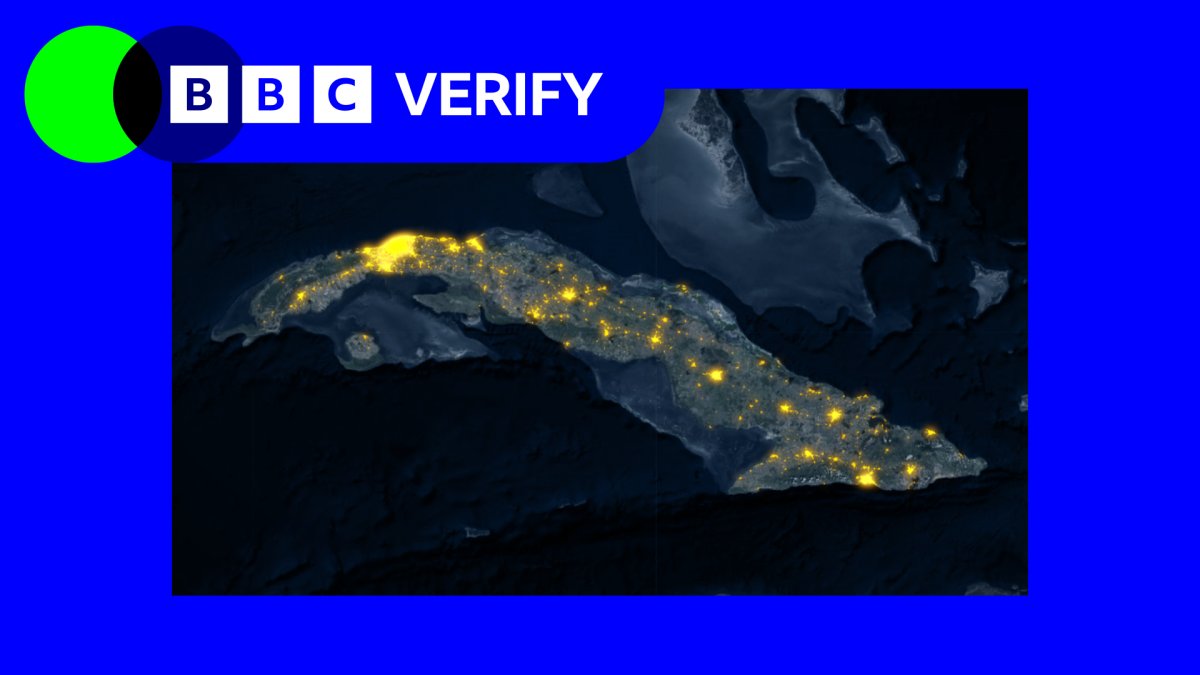
Cuba power grid infrastructure under strain from fuel shortages. (BBC)
Officials Trade Blame While Private Talks Continue
Cuban President Miguel Diaz-Canel urged citizens to direct their anger toward the US government rather than domestic authorities, stating that the northern neighbours are behind these power cuts. Foreign Minister Bruno Rodriguez described US actions as multi-dimensional, non-conventional warfare that has grown more cruel over the last seven months.
US Ambassador to the United Nations Michael Waltz countered that responsibility lies with the Cuban government, calling on it to change its ways and restore power. Despite public exchanges, the two countries have held private talks in recent weeks, though Rodriguez reported no progress and conditioned future dialogue on mutual respect and non-interference in internal affairs.
Energy Vulnerabilities Shape Latin America's Regional Outlook
The Cuban crisis illustrates the risks of heavy reliance on imported fossil fuels within a sanctions environment, a challenge that resonates across Latin America where several nations manage similar supply constraints. Neighbouring countries including Colombia and Peru have faced their own electricity reliability issues tied to fuel logistics and infrastructure limits, highlighting how external pressures can disrupt national grids.
Brazil, as the region's largest economy, maintains extensive hydroelectric capacity yet still contends with drought-related variability and transmission bottlenecks in states such as São Paulo and Minas Gerais. The Cuban blackouts serve as a reminder that dependence on conventional fuel imports leaves systems exposed when geopolitical tensions rise, prompting renewed attention to domestic generation options throughout the continent.
Renewable Pathways Offer Alternatives for Brazil and Neighbours
Countries across Latin America possess substantial untapped resources in solar, wind and biomass that could reduce exposure to fuel import disruptions. Brazil's Northeast region already hosts growing wind and solar installations that supply increasing shares of national demand, while Chile's Atacama Desert projects demonstrate scalable solar potential that other nations could adapt to local conditions.
Transition efforts in the region face financing and grid integration hurdles, yet the repeated outages in Cuba show the costs of delay. Brazilian agencies such as the Ministry of Mines and Energy continue to evaluate how expanded renewables can complement existing hydro resources and buffer against external supply shocks similar to those affecting Cuba.
Regional Cooperation Could Strengthen Energy Resilience
Latin American governments have explored cross-border electricity trade and joint renewable projects through mechanisms involving bodies such as the Latin American Energy Organization. Such cooperation could help smaller economies diversify away from single-source fuel dependencies exposed in the Cuban case.
Brazil's experience with interconnected regional grids offers one model, though political and technical barriers remain. The current situation in Cuba reinforces the value of accelerating these discussions to build systems less vulnerable to sudden import restrictions or domestic generation shortfalls.
By Elena Vasquez, Staff WriterThis article was produced with AI-assisted research and editorial support. Reporting is based on sources cited in the article.
What's Your Reaction?
 Like
0
Like
0
 Dislike
0
Dislike
0
 Love
0
Love
0
 Funny
0
Funny
0
 Wow
0
Wow
0
 Sad
0
Sad
0
 Angry
0
Angry
0

Latin America Correspondent at Global1.News. Based in Mexico City, covering politics, economics, energy, and culture across the region. Brings an on-the-ground perspective to stories spanning from the Rio Grande to Patagonia.












Comments (0)